Feeds:
Posts
Comments

Archive for August, 2014

Celtic knots

I love Celtic designs. I suppose I’ve grown up with them all around me, although what exactly is a Celt? And how Celtic am I? (As far as I know part of my ancestry goes back through Orkney to Scandinavia, and part goes back for centuries here in Stirling then maybe from northern France before that – my own ancestral Celtic knot!)

I think that apart from their sheer beauty, I like their intricate looping interconnected-ness.

There’s something of this kind of knot which is mandala-like and something about it which captures similar themes to the yin-yang symbol, but I feel more deeply in tune with these Celtic designs.

This one is on a gravestone in Inchmahome Priory on Inchamhome Island in the middle of the Lake of Menteith.

Which traditions of drawing touch you most deeply?

Read Full Post »

Sometimes reading a book creates a feeling of slipping into another world. Page turners do what they say on the tin and the way they are written makes it difficult to put them down, but they don’t always create a world to immerse yourself in. This week I read Alan Spence’s Night Boat and, for me, it is one of those books which creates a whole world to live in for a wee while. In fact, I think the particular feel of the Night Boat reminded me of the feeling I had at least 40 years ago when reading Kazuo Ishiguro’s Artist of a Floating World (I’ll need to go back and read it again and see if it does the same thing for me)

I’ve always had, and still have, a bit of a complex relationship with Zen – partly I feel incredibly drawn to it, and partly I feel it’s just not for me. Reading the Night Boat pulled me right into that complexity. Over all this isn’t just a novel, it’s an experience.

As a story, this is a fictionalised autobiography of the life of one of the great Zen teachers – Ekaku Hakuin.

I didn’t know the story of Ekaku Hakuin but I’d certainly heard the koan about the sound of one hand clapping and koans, those provocative conundrums of Zen teaching, are a core element of his story. There are also several haikus and poems which I think were written by Alan Spence, but maybe some of them are translations of Hakuin’s poetry?

At one point Hakuin talks about “Zen sickness” which is an illness experienced by many of the monks following the Zen path to Enlightenment. Here’s what he says –

Many years ago, I said, I met an old sage who cured my Zen sickness.
How did he do that?
Like with like, I said.
Hair of the dog. The cause of the sickness is also its cure. Zazen made you sick, zazen will cure you. 

Hmmm…..interesting! There’s a concept worth exploring!

One of the classic translations of Hakuin’s work is by Philip Yampolsky (“The Zen Master Hakuin. Selected Writings”) and early in that text he says this about doctors –

The inspired doctors of old effected cures even before a disease made its appearance and enabled people to control the mind and nurture the energy. Quack doctors work in just the opposite way. After the disease has appeared they attempt to cure it with acupuncture, moxa treatment, and pills, with the result that many of their patients are lost.

Hakuin lived in Japan between 1686 and 1768. Yet this idea of what made a good doctor is still something we are a long way from realising. His idea of the “inspired doctor” sounds to me like someone who helped people to be healthy rather than someone who tried to control disease. In fact he calls the doctors who used the various therapies available to “attempt to cure” disease “quack doctors”.

I’m also struck by his emphasis on “[enabling] people to control the mind and nurture the energy”. How much does the practice of Medicine these days “enable people to control the mind and nurture the energy”? Don’t you think we could do with a bit more of that?


Read Full Post »

Spirit

I came across this symbol on a flat gravestone in Inchmahome Priory.

The way the moss had grown on the stone emphasising the symbol itself was what caught my eye.

At first glance I thought it was the symbol for the planet Mercury – but in fact, that’s a bit different.

With a bit of searching around I came across one of the alchemical symbols for spirit and that looks much more like this (the difference being that the only spirit symbols I’ve found have the cross bar through the shaft rather than at the end of it as it is in this one)

What do you think?

Is this the symbol for spirit? Or something else?

Read Full Post »

From the island


There’s something special about islands.

Looking back over the water to the land you’re just leaving……

Read Full Post »

DSCN2157

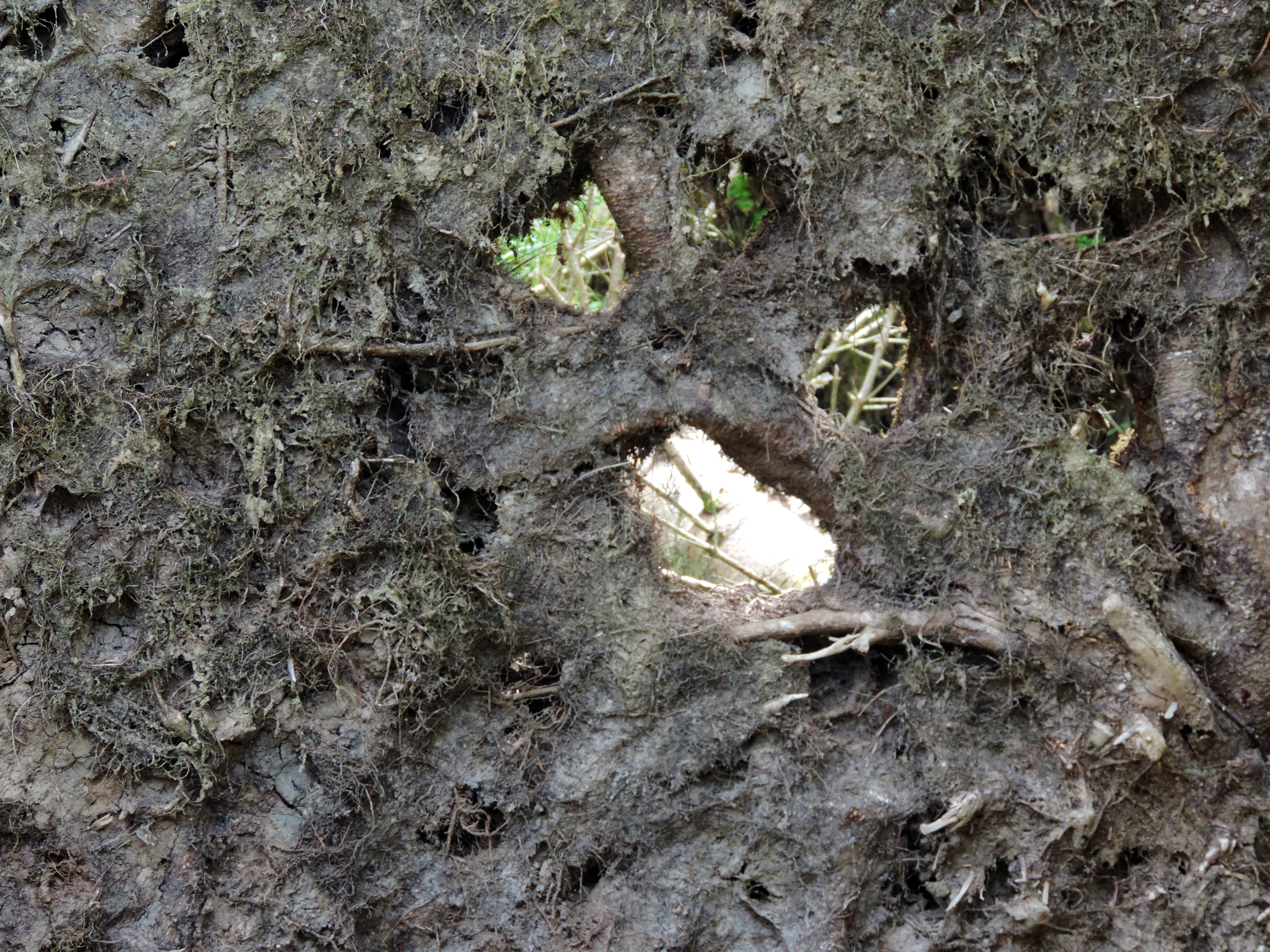
What’s this? What are you looking at here? What do you see?

Sometimes we just see a part of the world from a different angle, an unusual perspective. Then when you take a photo and look at it later, you see something even more different from when you were actually there – in this case, what strikes me when I look at this photo is how there seems to be a face there – but I didn’t notice that at the time.

Read Full Post »

In my 12 monthly themes, August is the month of travel

Navigation

So, where are you going to travel to this month? Have you any trips booked? Are you going somewhere you’ve never been before, or returning to a familiar favourite destination?

Or, if you aren’t going to travel this month, can I make two suggestions?

Either make this the month to chart a new direction – set your compass on a new goal, or goals, and begin to lay out your course to get there.

Or try the 30 minute discovery challenge. (You’ll be surprised how much there is to “get away” to nearby)


Read Full Post »

DSCN2119

Breathing is something we do automatically. We don’t have to remember to breathe out every time we breathe in. But we can deliberately influence our breathing rhythms, choosing now to inhale, now to exhale.

When we exhale, we stimulate the parasympathetic autonomic nervous system, and one of the things that does is calm us down. The parasympathetic nervous system slows the heart, and is a very deep, very basic part of our survival behaviour. You’ll be familiar with “fight or flight”? That’s the sympathetic nervous system at work – preparing us to hit or run when under threat. We feel pretty “wired” when the sympathetic nervous system kicks in – heart racing, fast breathing, adrenaline pumping. The parasympathetic nervous system has a complementary function – it is part of what creates a “rest and digest” response.

When we exhale, we stimulate this system and induce the “rest and digest” response.

Do it now.

Fill your lungs, then slowly, slowly, breathe out, taking your time to completely empty your lungs. Now do it another couple of times. Just three exhalations like this will stimulate your “rest and digest” response.

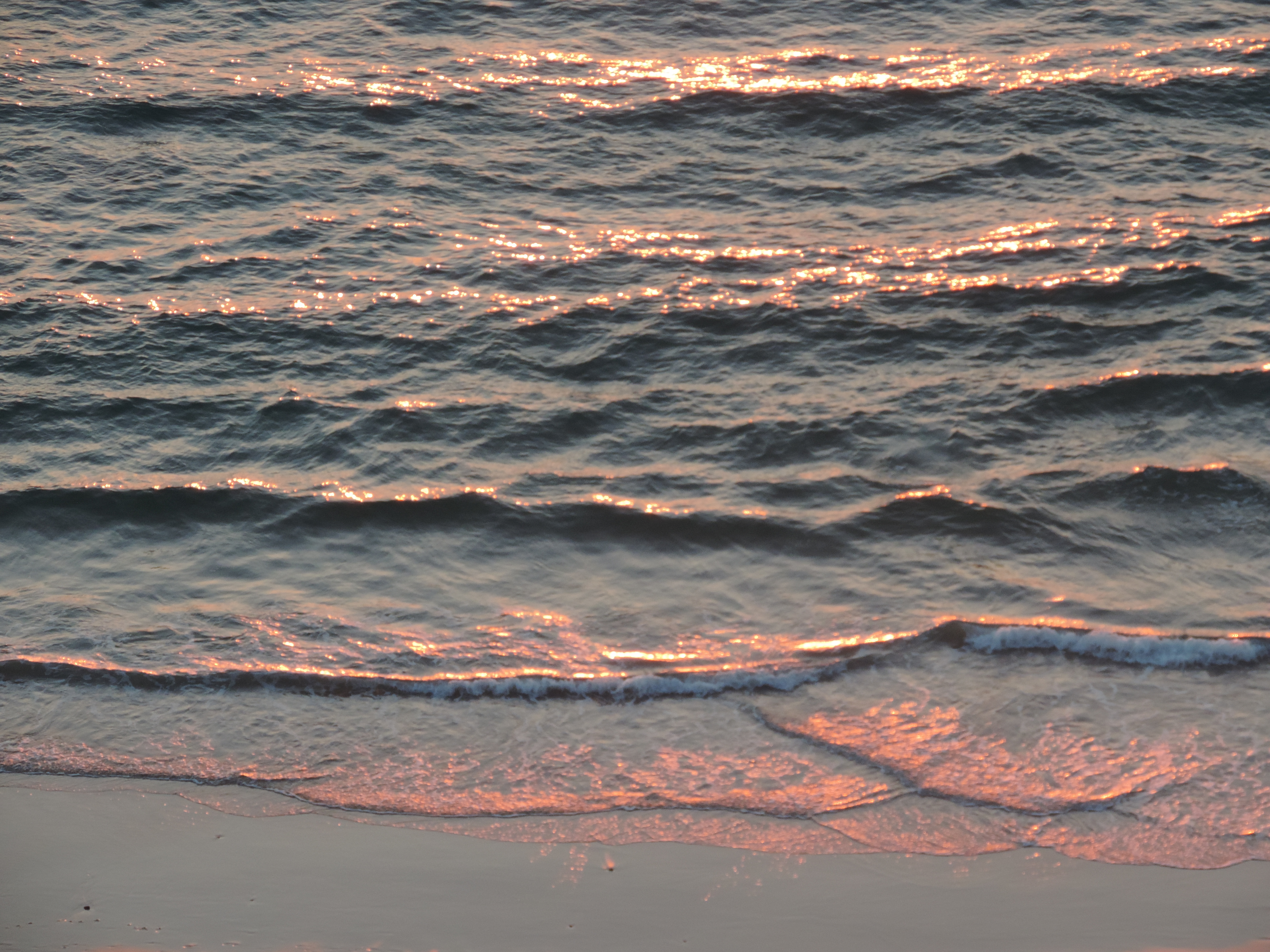
One of the things I love to when I am beside the sea is to breathe in time with the breaking waves on the sand. It seems to me that every rush of the surf up the beach is like the ocean breathing out. It’s the sea exhaling. Sometimes that rhythm is even and calming and tuning in your breath to the ocean by timing your exhaling to match the exhaling of the sea can not only induce the “rest and digest” response, but creates a deep sense of being at One with the Earth.


Read Full Post »

I’ve seen a few different varieties of book sharing around – the most well known is probably “book crossing“.

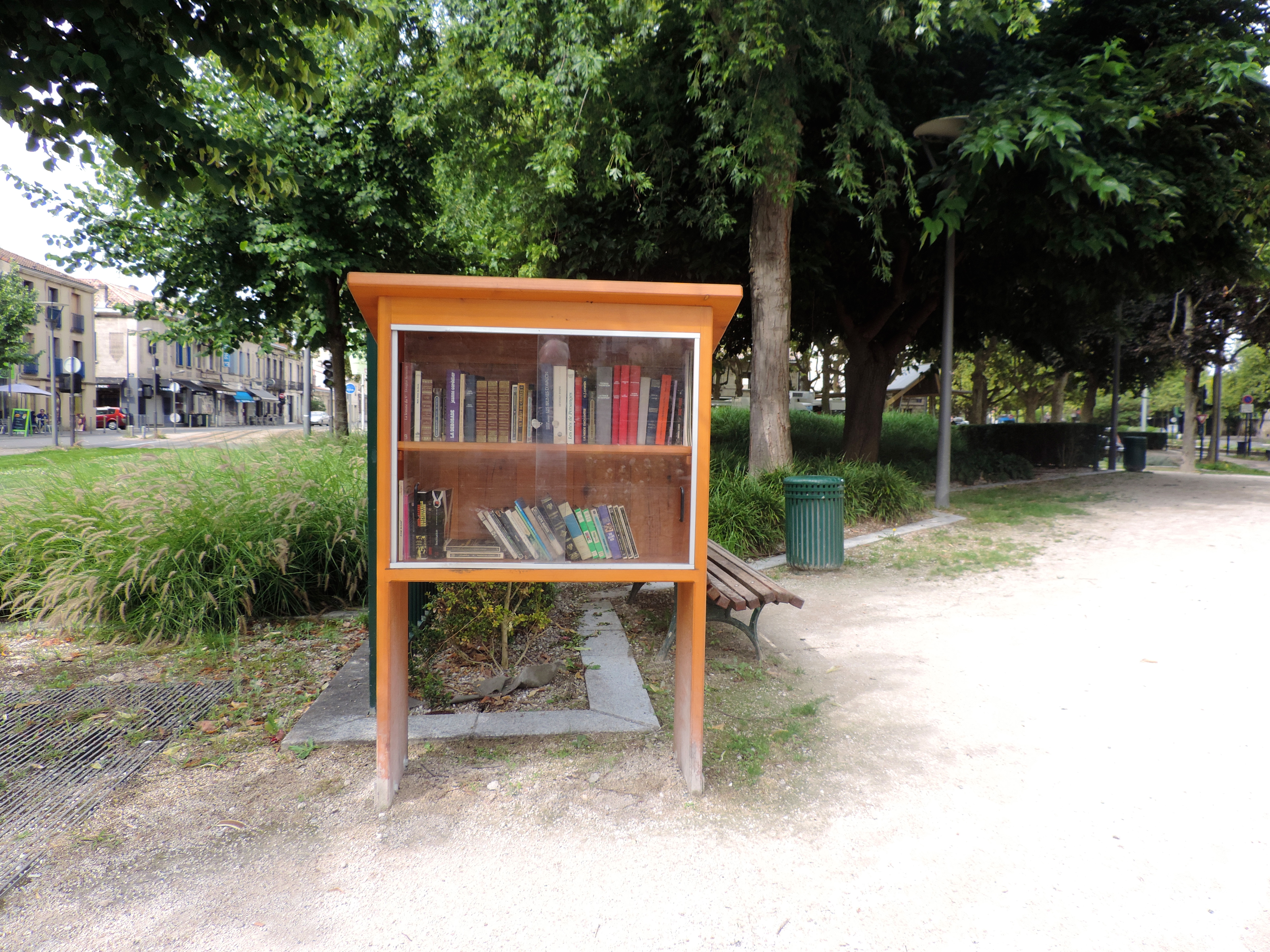
In Bordeaux, right next to one of the tram stops, I found this bookcase –

book sharing

….no instructions, no locks, just some books in a bookcase with sliding glass doors.

I wonder how long its been there. I’m amazed that such a piece of furniture can apparently sit quite happily in the middle of a city. And I wonder how often the books change hands?

Have you come across any interesting book sharing platforms or facilities?

By the way, in the hot e-books versus paper books debate, surely one of the best arguments for paper books is how you can pass them on to other people after you’ve read them (Did you realise that you only rent an e-book? You never own it the way you do a paper one)


Read Full Post »

DSCN1908


DSCN1865


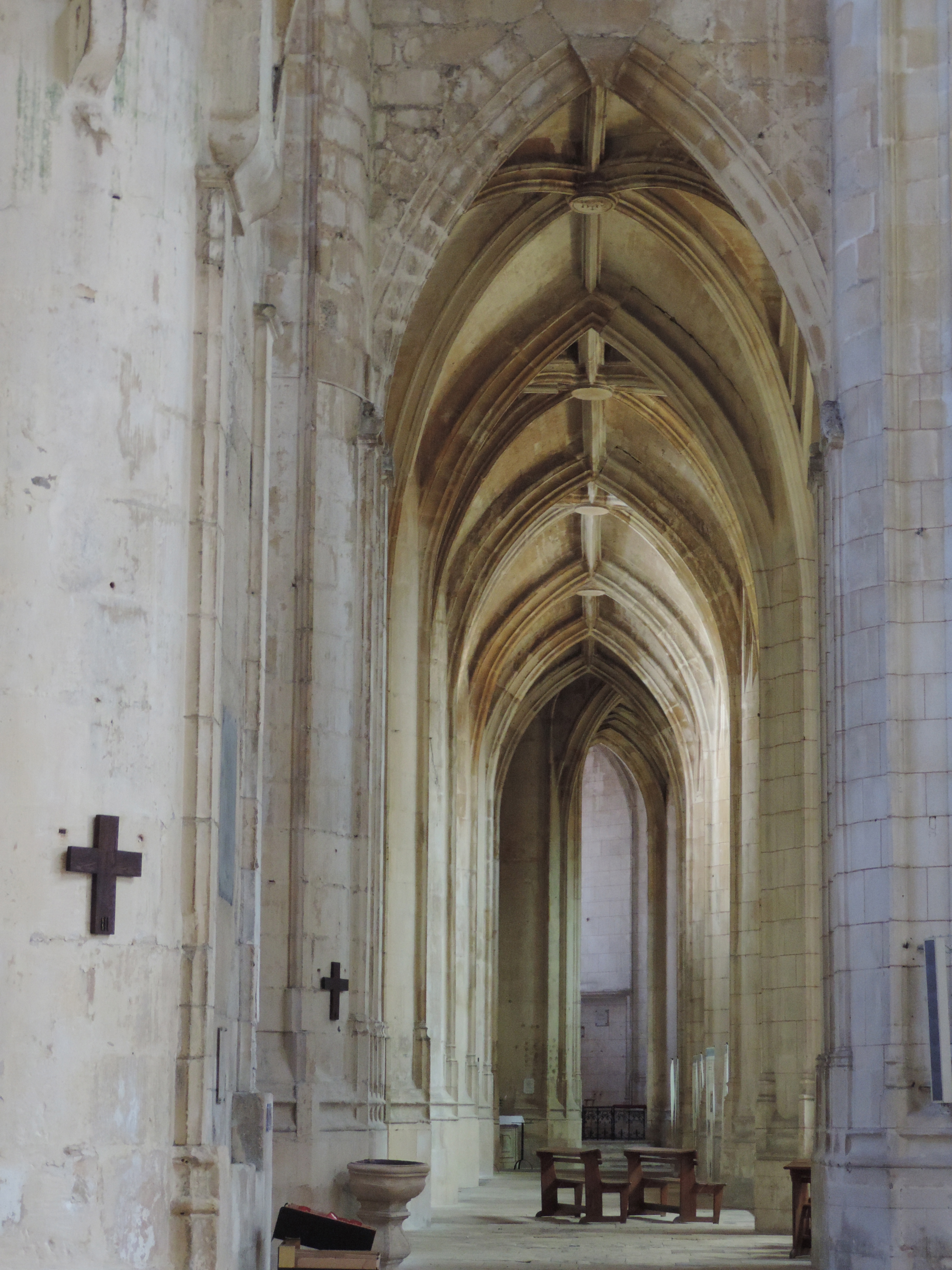
Here are two buildings I visited recently in France. The first is a church and the second is a castle.

In both cases I was struck by the beauty of the arched ceilings and looking at them both together I here I see how different they are and remember how different it felt to be inside each of these buildings.

How do you think the physical space created by the building you are in affects what you feel?

Read Full Post »

« Newer Posts