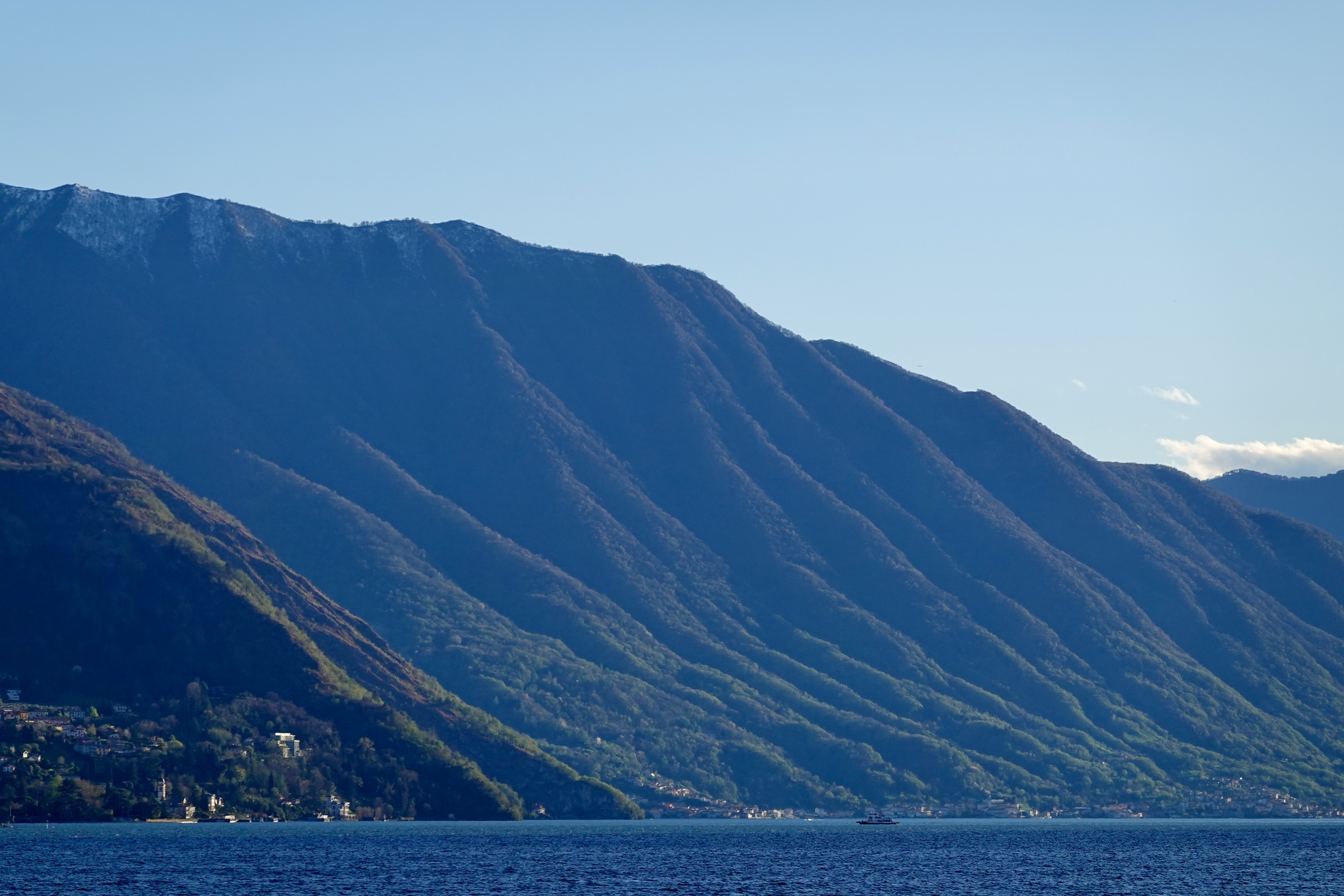
One of the key functions of our brains is the capacity to grasp opposites and hold them both at the same time.
One way to experience that is to spend time in nature. We can stand at the edge of the ocean and gaze out over it, struck by its beauty, fascinated by the patterns of waves, amazed at the infinite palette of colours. We can walk in a forest, inhale the scents of the trees and plants, listen to the symphony of birdsong, be astonished at the shapes and sizes of the trees. We can sit in a garden watching the clouds form, metamorphose and fly by, warmed by the Sun’s rays, cooled by the breeze. We can walk through a park at lunch time, noticing the signs of the season, the blossoming in Spring, the blazes of golds, reds and yellows in the Autumn.
In all these situations, as we start to feel joy, awe, wonder, delight, we become deeply aware of nature’s immensity, complexity, beauty, power and fragility. We become aware of transience and resilience.
It’s easy, in all these situations, to lose ourselves, for the repetitive thoughts, fears, worries, to be washed away. It’s easy to feel the boundaries between ourselves and the rest of nature fade, become porous, and for us to realise that we are not separate from any of this. As separation dissolves, we find ourselves, we discover our uniqueness and our commonality. We feel whole, and a part of the whole.
Spending time in nature gives us the opportunity to grasp and to hold these two phenomena at one and the same time – to lose ourselves, and to find ourselves.
It’s transformational.
It’s healing.

 Heroes Not Zombies
Leave a comment