Feeds:
Posts
Comments

Archive for the ‘creativity’ Category

In the second part of the A to Z of Becoming, we’ve reached the troublesome letter “X”! In the first part, I chose “eXcite“, and in this part I’m going for “eXtol” (yes, I know they both start with an “e”, but make me a suggestion – what verbs do you know actually start with an “x”?)

To extol means to praise….to enthuse about, to rave about, to passionately, lavishly praise. So, it struck me, how appropriate to be choosing a verb which means to praise this month.

What, or who, would you like to praise, and why?

I’ll start……

In April we visited one of the most beautiful villages in France – Saint Guilhem le Désert – it looks like this –
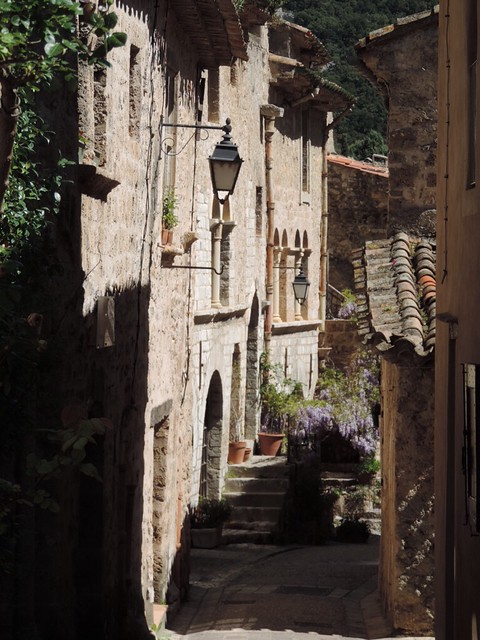
Saint Guilhem le Desert

In this village we stumbled across a tiny perfumier run by man called Nicholas Jennings. Here he is –

nicholas

Look behind him at his wonderful desk where he selects the various natural scents to make the products he sells in his shop.

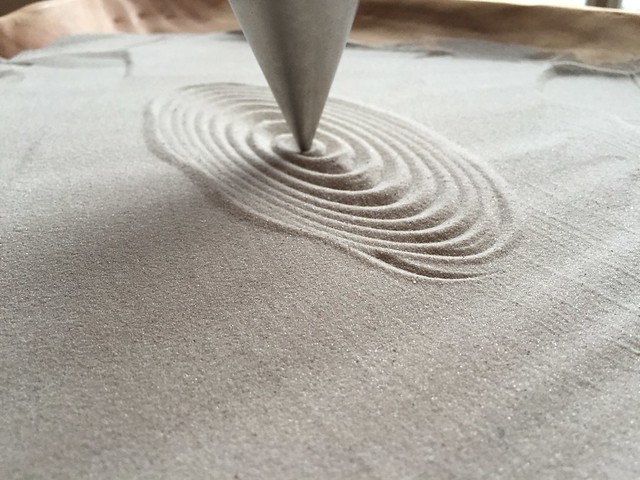
At the door of the shop, he had a wonderful pendulum drawing intricate designs on sand. Nicholas and his friend, Ludovic make them.

So, now that I have my study set up in my house in France, I’ve got my own “pendule de sable” hanging in the window.

Look!
Pendule

Written on the sand

Isn’t it wonderful?

So, there’s one thing for me to “extol”! The amazing, totally absorbing, pendulum of the sand.

And while I’m at it, I can enthuse about Nicholas and his wonderful perfume shop, and the village where it is – Saint Guilhem le Desert.

The village is on one of the paths of the pilgrims to Compostella – you can know that from seeing the saint-jacques shells everywhere…..
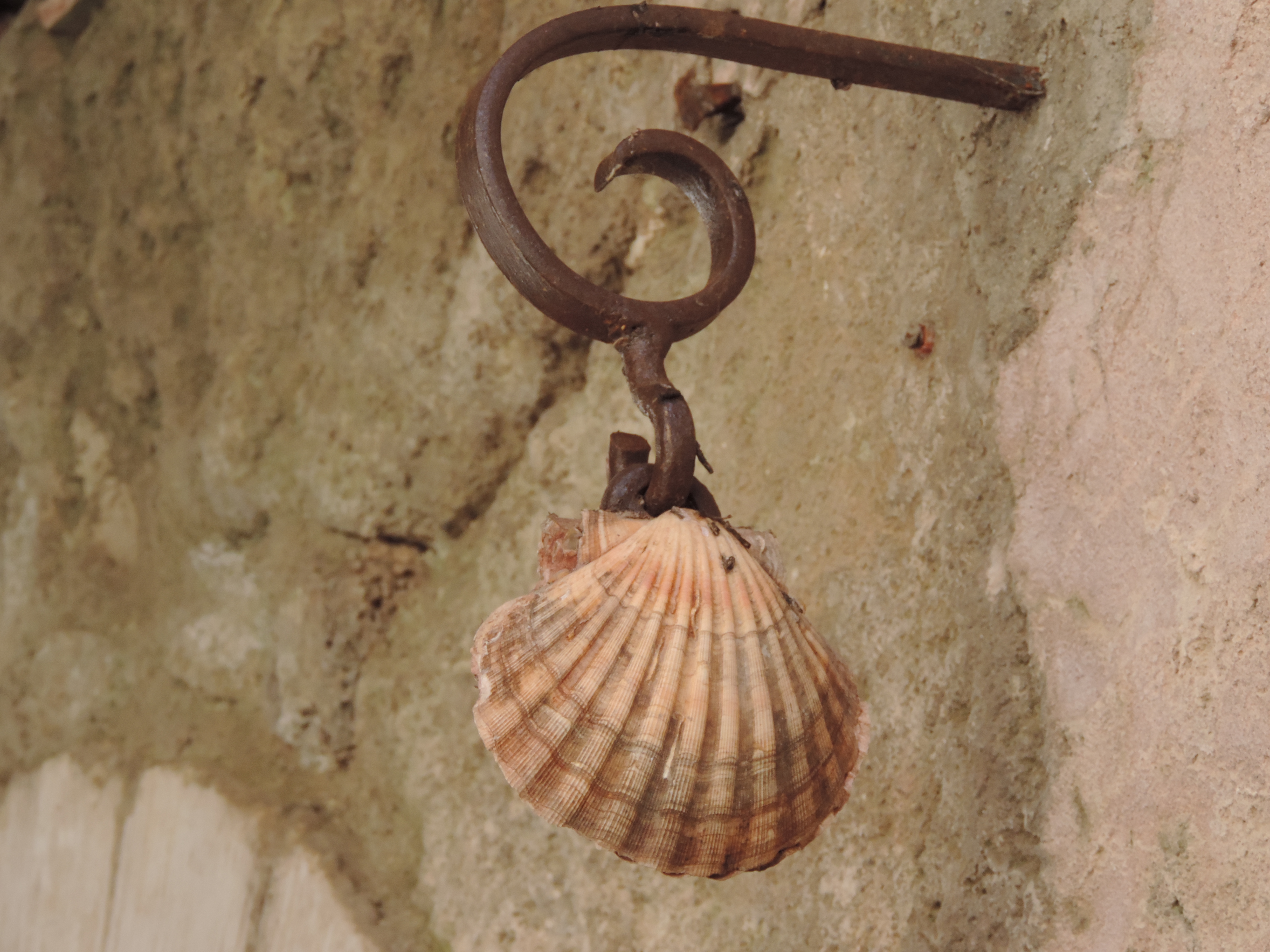
DSCN1100

There’s something else unique in this village, and that’s the dried “cardabelles” on the doors. This is now a protected plant, but the villagers can gather them in season. It’s believed to bring luck and protection.
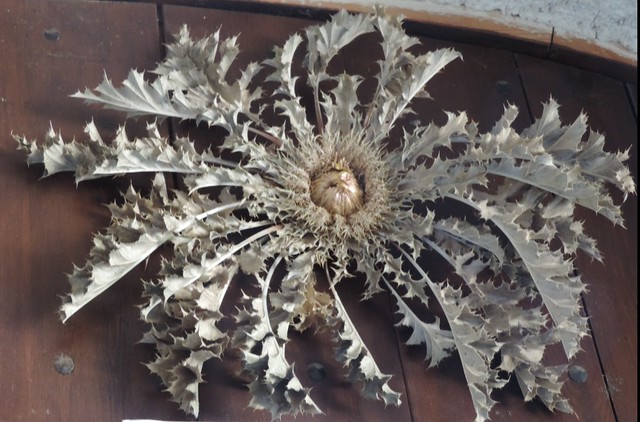
Cardabelle


So, as I set the pendulum in motion once more, I’m not only absorbed in the uniqueness of every single design it makes, but I remember Saint Guilhem le Desert, the cardabelles, the shells along the pilgrim’s way, and Nicholas and his shop.

See what joy can follow when you start to “eXtol” something?!

Your turn……….


Read Full Post »

where I write

Here’s where I write.

The reflection of the sky in the window of my study really caught my eye. In fact, I’d say it caught my imagination.

Imagination.

Too often these days imagination is harnessed to fear. Our daily newsfeed from the media provokes us to think about and worry about the most awful horrors. During the Referendum campaign in Scotland this year the No camp bombarded people day in, day out, with scare story after scare story. How else can a minority continue to hold power over the majority? How else can a fraction of the 1% who grow richer by the day, no, by the minute, continue to exert power over the 99%? Is it any wonder that in democratic societies so many are disenchanted with politics? Where are the politicians and parties with vision….with spectacular, engaging ideas and passionately held values which motivate us to create the solutions to the problems which face us?

It seems to me that we need to fire up peoples’ imaginations.

Where else are we to get our new ideas from? Where else are we to get our hope from?

Ursula Le Guin, the author, received a medal at the National Book Awards recently, and she said this

I think hard times are coming, when we will be wanting the voices of writers who can see alternatives to how we live now, and can see through our fear-stricken society and its obsessive technologies, to other ways of being. And even imagine some real grounds for hope. We will need writers who can remember freedom: poets, visionaries—the realists of a larger reality. Right now, I think we need writers who know the difference between production of a market commodity and the practice of an art. The profit motive is often in conflict with the aims of art. We live in capitalism. Its power seems inescapable; so did the divine right of kings. … Power can be resisted and changed by human beings; resistance and change often begin in art, and very often in our art—the art of words. I’ve had a long career and a good one, in good company, and here, at the end of it, I really don’t want to watch American literature get sold down the river. … The name of our beautiful reward is not profit. Its name is freedom.

I so agree.

Hard times seem to be coming. For many, they are here already. We DO need the writers who can see a way ahead and inspire us to create a better future. We do need to writers who “remember freedom” and count it as “our beautiful reward”. And we certainly need writers who can “imagine some real grounds for hope”.

I hope that, daily, little by little, I am becoming one of those writers……

After all, if we can’t imagine real grounds for hope, how do we carry on?

Imagination is such a precious and amazing facility. We can use it to solve problems. We can use it to create – art, music, literature, new thoughts and new acts…..not just, as Ursula Le Guin says “other ways of being”, but other ways of becoming!

If we are to realise our potential to become heroes not zombies, we’re going to need those writers who can fire up our imaginations…….. to think creatively, and, importantly, to DO things differently.

If we believe freedom is possible, aren’t we going to have to use our imaginations to create it?

Read Full Post »

The other day I watched Elizabeth Gilbert’s TED talk about genius.

She recounts how the ancient Greeks had the concept of a “daemon” which would communicate the great ideas and creative breakthroughs from the gods. The Romans adopted this concept but used the term “genius” instead.

The really interesting thing about this concept is that inspiration came from somewhere “out there” – whereas nowadays we tend to think that it is entirely up to us. She tells several stories of artists who experienced inspiration as coming from “out there” somehow and how the artist’s job is to turn up and do their work every day in order to give the “genius” a chance to deliver something.

I think this is a really interesting perspective. It doesn’t lessen the need to be disciplined and to do the work, but it also allows the artist to be a little kinder to themselves, and to know that not all “genius” resides in them. Potentially this could make an artist more humble….if they truly believed that their creations weren’t entirely their personal brilliance.

For me, this makes me think of two things.

First, we all live “on the shoulders of giants” – we all emerge from all that is and all that has existed before. I start at this point in human development, at this moment in the emergence of consciousness in the Universe. I don’t exist in a vacuum. I don’t exist in isolation. My relationships with other human beings now, and other human beings in the past, will, and do, influence what I write, what I compose, what I create. In that sense, at least, inspiration will often turn up from one of those sources.

Second, the idea reminds me of Rupert Sheldrake’s idea of memory. He suggests we think of memory not as a filing cabinet in some part of our brain cells (in fact no “place” in our neural structure has been discovered to be the repository of any specific memories), but instead, we should think that everything that happens, every thought we have, every word we express ripples out into the continuous web of the universe and remains there. To access a memory then is more like tuning in to a radio station than looking in a filing cabinet. He suggests the “store” as such is “out there” and we can tune in to it to access the specific memories. Now, I’m sure that is a very controversial idea and not one which has been even remotely proven, but there is an interesting one in the context of the old ideas of the sources of inspiration, don’t you think?

Here’s her talk in full


Read Full Post »

In the second part of the A to Z of Becoming, R stands for Relish.

Relish is an interesting verb. To relish something you need to be absorbed in it, to be captured by it, to be very present and aware so that you are fully experiencing it.

You might relish a simple food, like this bread or fruit……

plum and bread


Or you might relish a complete experience…..(this next photo shows table set for lunch at Jordans Wine Farm in South Africa. The style of the restaurant, the view through the window, the delicious food and wine, and the great company of dear friends…..all go towards making this an experience to relish


photo


Whatever you relish this week, one thing I guarantee will enhance the experience, is to slow down. Take your time……..


my new motto

This is my new motto (I saw it on a wall in a village in France) – translated into English it says “Gently in the morning, not too fast in the evening”.

So, find something to relish this week – sink into the experience, absorb yourself in it, savour it, enjoy it….RELISH it!

Read Full Post »

I’m always interested in research which demonstrates ways in which we can support natural healing – after all, there isn’t any other kind of healing, is there?

Here’s an interesting study using writing practice

49 healthy adults aged 64 to 97 years wrote about either upsetting events or daily activities for 20 minutes, three days in a row. After a time lag of two weeks, to make sure any initial negative feelings stirred up by recalling upsetting events had passed, all the subjects had a biopsy on the arm, and photographs over the next 21 days tracked its healing. On the 11th day, 76 percent of the group that did expressive writing had fully healed as compared with 42 percent of the control group.

This particular exercise – writing about an important or upsetting event for 20 minutes each day for three days in a row – has been around for quite some time. James Pennebaker pioneered it, and has studied the effects of writing on health extensively. He says

People who are able to construct a story, to build some kind of narrative over the course of their writing seem to benefit more than those who don’t,” Pennebaker says. “In other words, if on the first day of writing, people’s stories are not very structured or coherent, but over the three or four days they are able to come up with a more structured story, they seem to benefit the most

What’s particularly interesting here is how the creation of story goes along with changing perspectives and understanding better what’s been happening.

Pennebaker’s research developed a computer-based, text analysis program to analyze word counts in different categories, such as emotion words (e.g. happy, sad, angry, joyful), cognitive words (e.g. realize, understand, think), self-reference words (e.g. I, we) and an additional 70 categories. Much to the surprise of the researchers, the change in emotion words didn’t correspond to improved health. The more powerful predictor of improved health was the use of cognitive words–that is, individuals who showed an overall increase in the use of causal words (e.g. because, reason) and insight words (e.g. realize, know, understand) showed improved health.

So it’s not just about telling a story, changing perspective or increasing understanding, it’s about improving immune function and both physical and mental health.

Read Full Post »

Corn appearing

I’m always fascinated by seeds, fruits and nuts.

Look at this corn I saw in a field the other day. It is literally bursting with potential!

What does the future hold for these little kernels? Are they going to be eaten? If so, by whom, or by what? Are they going to be “processed” for their oil? Will they be planted out or find their own way to soil and grow into corn plants themselves? If they are planted out, will they make it to fully mature plants?

So much uncertainty!

Too much uncertainty is hard to bear, but the reality of all living creatures is that the future EMERGES out of the present. We can’t predict it, so what do we do?

  1. Focus on living today
  2. Get in touch with the immense potential which lies within each of us
  3. Imagine. Practice our creativity….let it run free
  4. Live consciously….mindfully….with awareness
  5. Slow down, and savour each moment as we live it
  6. Be amazed by the wonder of today
  7. Practice flexibility and resilience (to be better able to respond to the unpredictable future when it becomes the surprising present)
  8. Fully own and share our uniqueness
  9. ……………………………………………………..(add your ideas here)

Read Full Post »

Art is such a characteristically human activity. What would the world be like without art? What would the world be like if we only had science and judged everything only by its utility?

These beautiful works of art, so contextually sensitive and clever, change the lived environment of Angoulême.

Angoulême

Moon and plane

The newborn ange d'Angoulême

L'hotel sur l'hotel

Read Full Post »

Inspire – one of my most favourite verbs.

In this week’s A to Z of Becoming, the letter “I” stands for the verb “inspire”.

So, here’s what I’m interested to explore (and maybe you’ll be inspired too!)

Who inspires you?

Make a list. Who do you know who inspires you? Which characters from history inspire you? ( a variation of that which I’ve read is to imagine having a dinner party, who would you choose to invite….given that you could invite anyone who’s ever been alive). Which fictional characters inspire you?

Once you’ve made this list, maybe you could spend some time with some of these people – that is, arrange to meet, or read a biography, watch a movie about them, read the book where the fictional character appears……..

What inspires you?

A particular work of art, a poem, a song, or other music, a particular place, a certain movie, play or novel? (Maybe some of my blog posts??) Make another list.

Again, once you have this list, expose yourself to these inspirations – go see that painting, listen to that music, watch that movie, spend some time in that particular place.

Here are a couple of more ways in which you can engage with this “inspire” verb this week…..

Describe in what you are inspired by the people and things on your lists. Are you inspired to take particular actions? Are you inspired to create…..to paint, write, compose, sing….? Are you inspired to change something in your life? Just describe how you are inspired in a way which helps you to decide to actually do something!

Finally, how might you inspire others? What could you do this week that someone else might be inspired by?

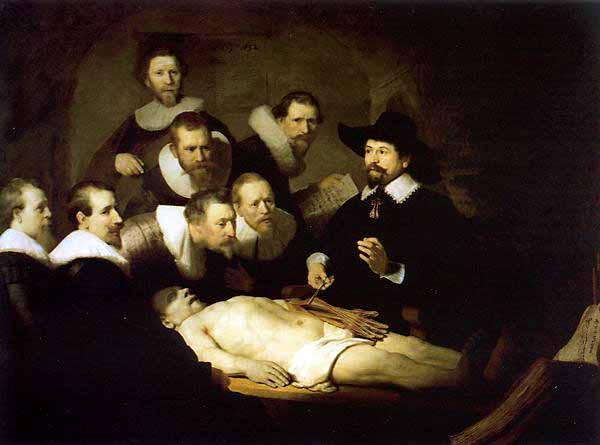
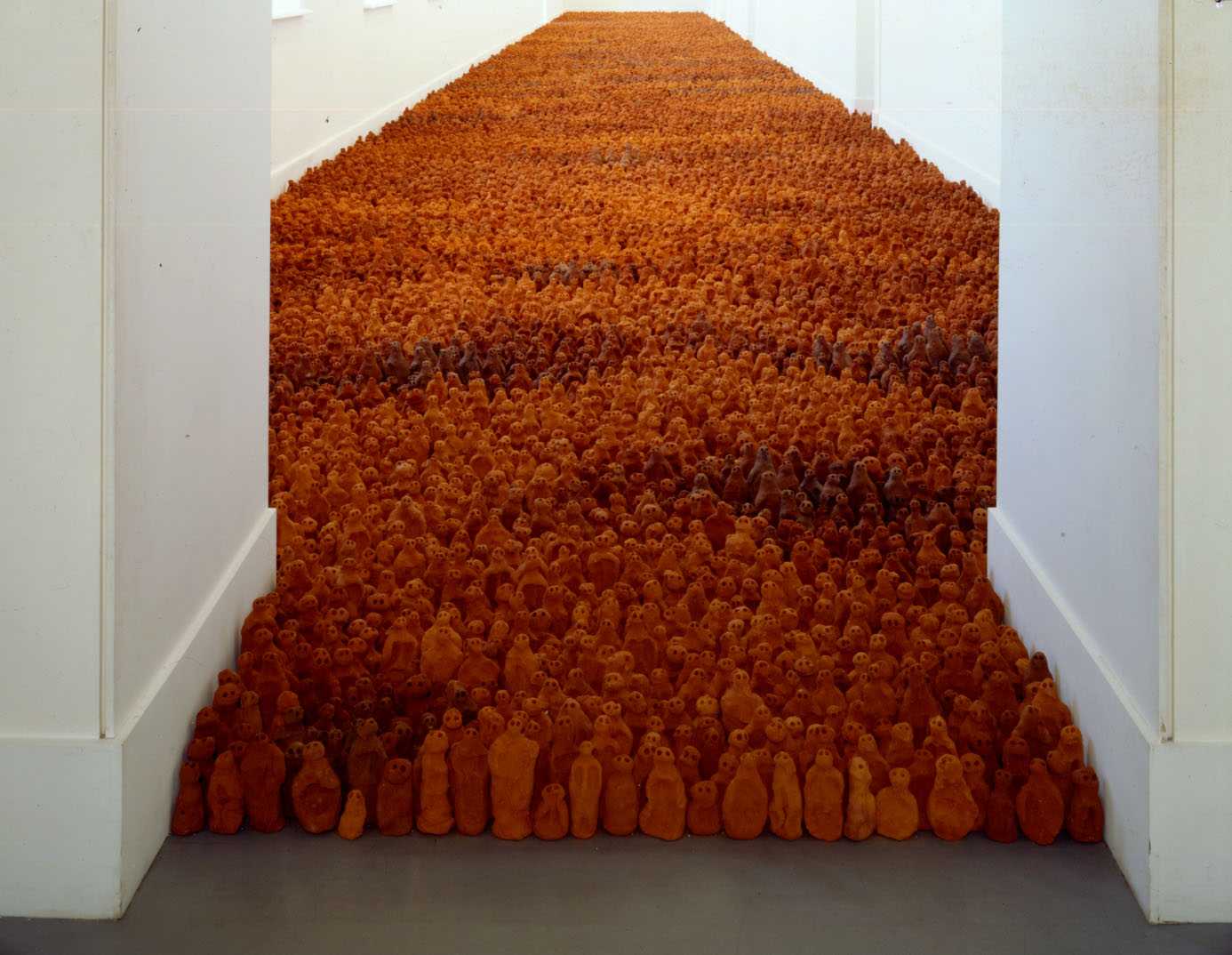
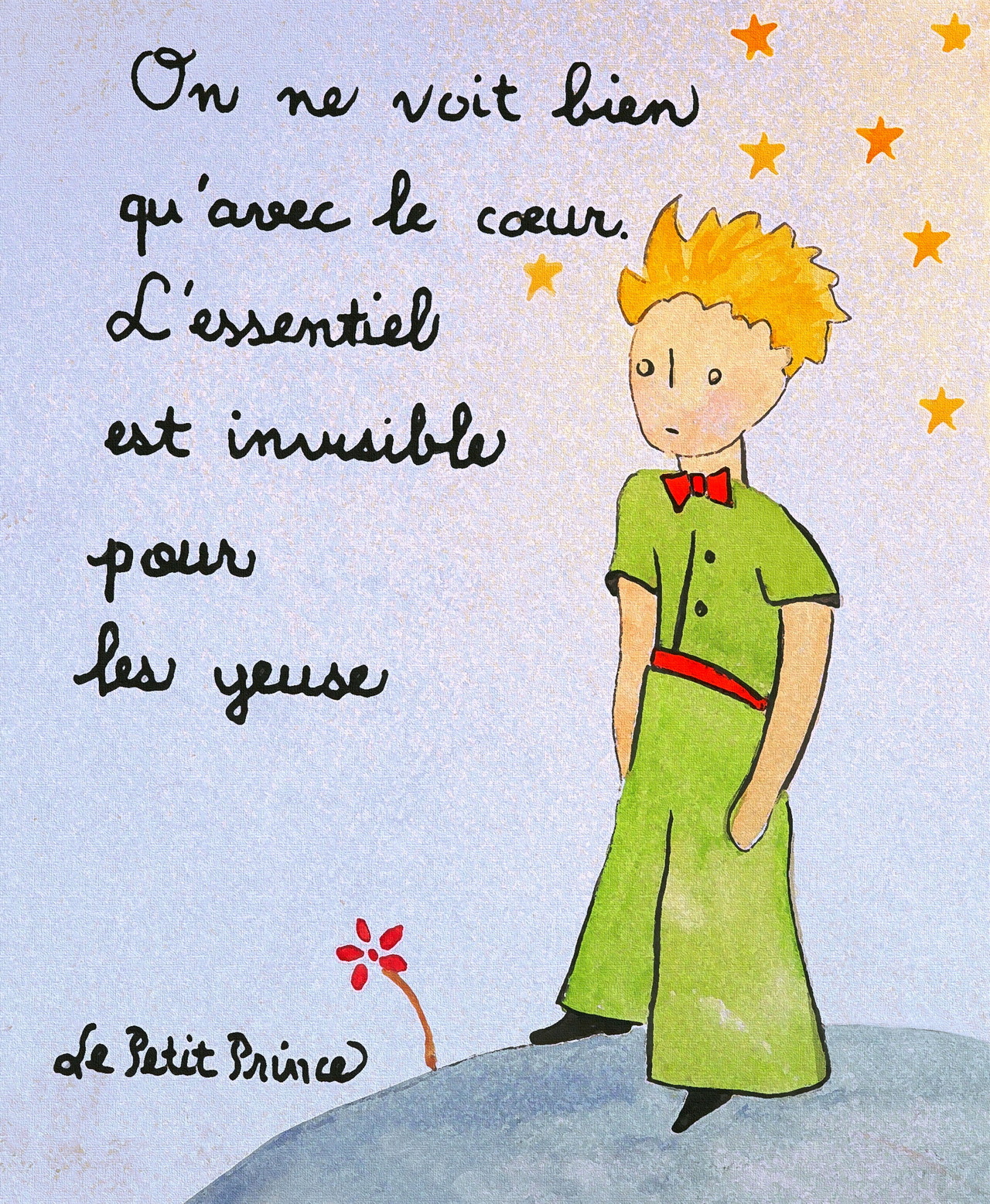
[here’s some of the things which inspire me……]

rembrandt_anatomy_lesson_dr_tulp

Field_jw

invisible

IMG_0534

IM short intro .005

DSCN0872

DSC_0051


my new motto


Read Full Post »

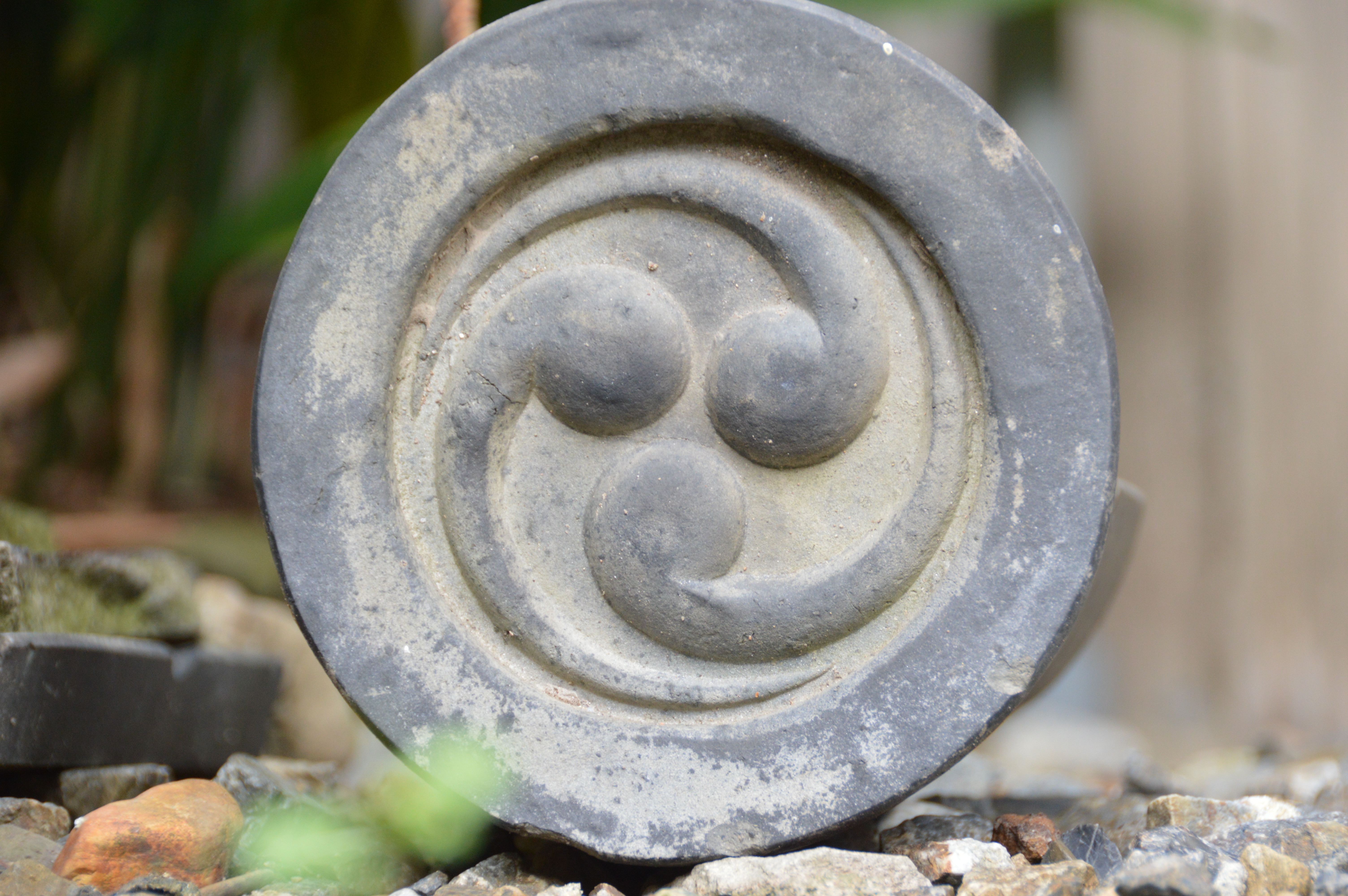
I love symbols, and am always drawn to explore the symbolic meaning of a drawing, or other communication. They have such deep, and rich power.

Here’s one I found recently on the Cathedrale Saint-André Primatiale d’Aquitaine.

DSCN1983

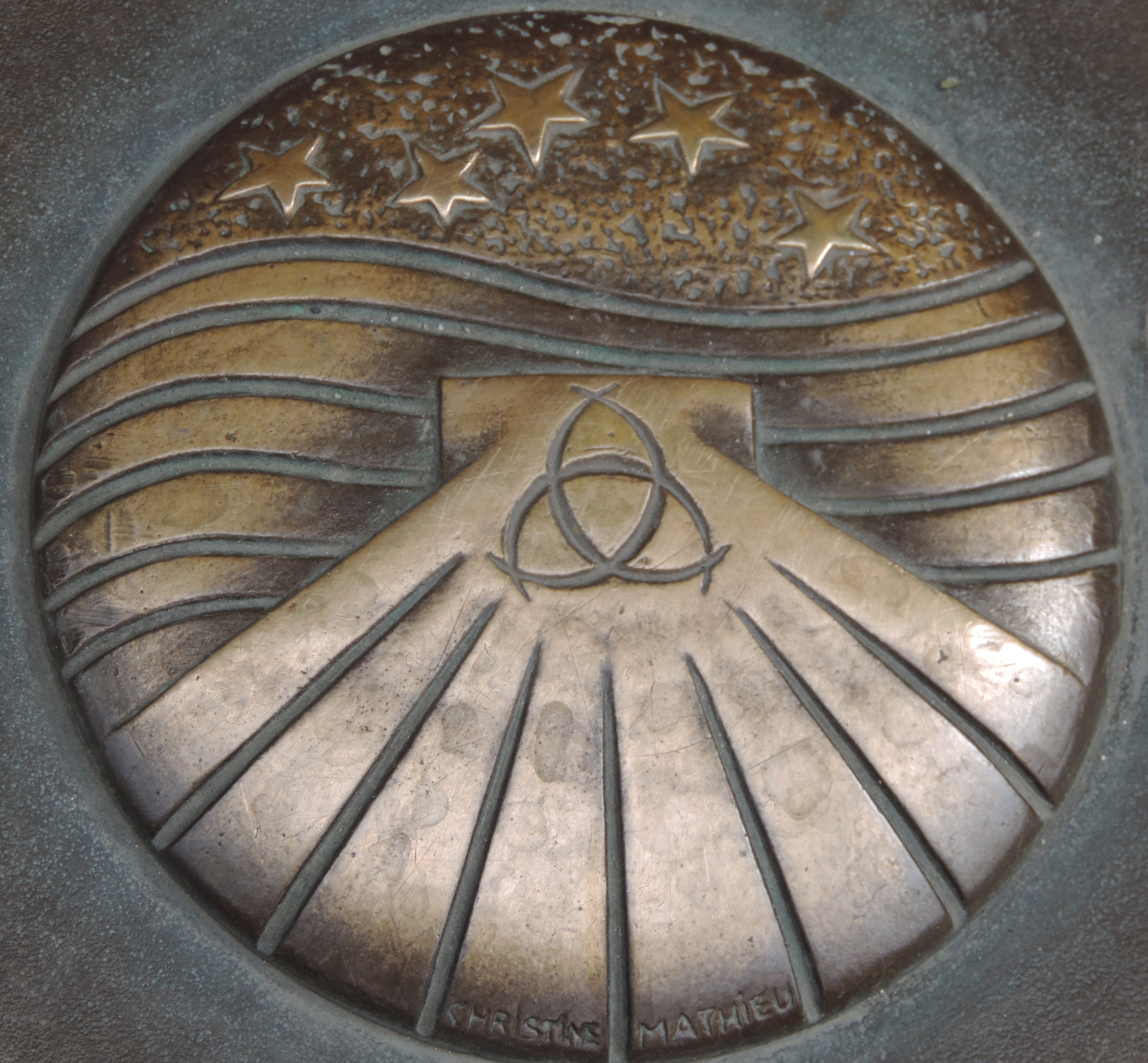
I suspect this might be quite modern, but I love it all the same…..see the scallop shell from the Compostella Pilgrims’ Way

DSCN1100

…..a very modern version of a triskele (body/mind/spirit? or earth/sky/heaven?)

DSCN1091

……the waves of the sea, and the stars in the sky to guide you.


Read Full Post »

Untitled

What was/is your experience of school?

David Richard Precht, the German philosopher argues that our schooling system continues to be based on the industrialism of about 100 years ago. We still seek to teach sets of facts to all children of the same age, and then test their ability to recall those facts in examinations leading to qualifications. The intention of the education is to produce compliant workers and consumers who will conform to the demands of industrial society.

He argues that we are not fostering creativity, emotional intelligence or relationship skills which enable communities and teams to work together, and individuals to develop and express their unique talents.

He draws his ideas from philosophy, from neuroscience (NOT materialist neuroscience which seeks to reduce all human experience and cognition to identifiable areas of the brain), and from an understanding of how society has changed over the last few years.

Many of his recommendations are in line with teachings from people like Montessori and Steiner, so he can be understood to be part of a more child-centred, holistic movement in education.

I found myself agreeing with much of what he had to say in a recent interview published in Cles magazine (“Notre école est un crime”). He points out that asking children to sit still for an hour and pay attention is not a good starting point – most children, and indeed most adults, are able to concentrate on one topic for about 15 to 20 minutes (which is why TED talks do so well, and why youtube is the new television), and that one thing we know about health is that sitting still isn’t good for you!

He thinks schooling de-motivates learners and that the average 12,000 hours of education leading to the “Bac” qualification in Europe are experienced as pure boredom by most children.

He also thinks we are not teaching the right kind of skills for the 21st century – we need more innovation, creativity, diversity, the ability to use the internet to gain knowledge and to connect with others, more emotional intelligence and a greater ability to form and grow healthy relationships with others.

His proposals include moving away from classroom curriculae to a more project-based system of education which is by its nature multi-disciplinary and encourages children to pursue their own curiosity.

What do you think? How would you change the educational system?

Read Full Post »

« Newer Posts - Older Posts »