Feeds:
Posts
Comments

Archive for the ‘creativity’ Category

eau potable

The earliest form of photography was the daguerreotype (named after its inventor, Monsieur Daguerre). It was a process which captured images onto silver coated copper plates. It didn’t involve using negatives and every single “print” was a one off. They couldn’t be duplicated or transferred onto paper.

The daguerreotype was remarkable for the accuracy of the image produced. It was sharp and detailed (you could use a 50x magnification lens to look at part of the daguerreotype and see crisp details). Partly because of its accuracy it was initially used as a “scientific instrument” and found in laboratories, but as the technology became more portable the taking of portraits, landscapes and cityscapes soon proliferated.

As photography developed, an artistic intention was soon brought to it. The newer processes of making negatives and printing onto paper, were quickly taken up by artists.

I’m a keen photographer, as I’m sure you can tell if you browse through this site. I’m also very curious about how we experience the world and how we communicate our experiences to other people. Recently I’ve been wondering about the differences between “representation” and “manifestation”.

Just as the daguerreotypes were great for re-presenting what could be seen, I think we often believe that is what we are doing when communicate our observations and experiences to others. Certainly in scientific publication, the scientists are trying to “re-present” what they have observed as “objectively” as possible.

However, as it’s not possible to experience any “out there” from anywhere other than “in here”, there is always an aspect of “manifestation” to the “representations”. Every “re-presentation” involves some “manifestation” of the subjective experience of the person who is making the image (or writing the document).

Maybe in all Art we can see these two aspects – there is some re-presentation of what the artist experiences (including what he or she observes) – but there is always some degree of manifestation too. I wonder to what extent Art could even be said to be primarily a way of manifesting the subjective – a way of a human being making manifest the otherwise invisible, unique, personal experience of the world.

Look at the image I’ve placed at the top of this post. It’s a photo I took in a “beau village” in France. It’s a sign to show that the water here is drinkable. But it isn’t just a sign. Even the way the words “eau potable” (which means drinkable water) are carved reveals something of the creator of the piece. And what about the shell? Why is that there? The shell is the symbol of the pilgrims heading to Compostella. So this is a drinking fountain to help quench the thirst of the pilgrims. That manifests something of the artist’s world view doesn’t it?

Saint-Exupéry said
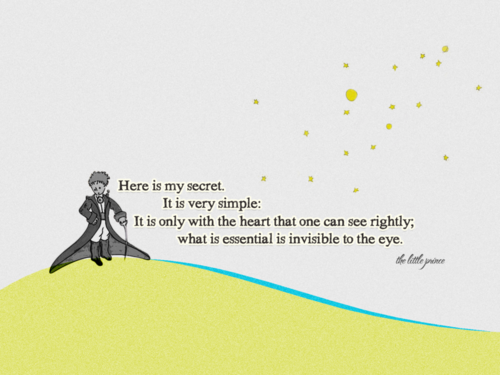
saint exupery invisible

So how are you going to manifest YOUR unique, invisible, essential experience of reality?

Read Full Post »

According to a government report workers who retire early risk “boredom, loneliness and poverty“.

Well, that’s something to look forward to, huh? Strange report – probably part of a fear campaign to try and keep people in employment for longer. What are they suggesting, actually? It’s better to retire later? Or that if you are working, even on a minimum wage, zero hours contract in your 60s and 70s you will avoid “boredom, loneliness and poverty”?

I suspect this kind of thinking says more about how we live than it does about the respective benefits of employment and retirement.

Funnily enough, I just stumbled over this quote from Goethe –

“A man should hear a little music, read a little poetry, and see a fine picture every day of his life, in order that worldly cares may not obliterate the sense of the beautiful which God has implanted in the human soul.”
― Johann Wolfgang von Goethe

I’ll be continuing to do that once I start my early retirement next month! And much else besides. I’m anticipating that the post-employment years will include lots of discovery, creativity, personal development and fun.

Meantime, here’s a little music

and a little poetry

Tell me, what is it you plan to do
with your one wild and precious life?

– from Mary Oliver’s The Summer Day

and

Here’s a fine picture

glorious seedhead


Read Full Post »

Remember Maslow’s hierarchy of needs?

Maslow identified what he called a hierarchy of needs which motivate human beings, starting with survival needs, such as food, drink and shelter, then moving upwards to social needs (relationship needs) of connecting and belonging, to esteem needs of being recognised and respected. Beyond that he postulated being needs, as opposed to these “deficiency needs”, which became evident as self-actualisation, something he thought wouldn’t happen until the lower needs were met.

This hierarchy has been criticised and its certainly not the case that human development follows any rigid, layer by layer, step-wise progression. (I think integral theory provides a more interesting way of looking at old hierarchies – from an integral viewpoint its not so much a hierarchy at all as layers which grow on top of each other with every layer continuing to exist)

Well, Gary Lachman, in his Secret History of Consciousness, mentions the writer, Colin Wilson, once researching the history of murder and finding something curious.

At first it seemed murders were mainly committed for gain – food for example. Then other types of murder appeared, which involved murderers protecting their lifestyle, their homes or their property. Towards the end of the nineteenth century the sex crime emerged (think of Jack the Ripper) where the murder was a kind of sex act in itself. In the twentieth century he noticed the emergence of murders for fame – to become known, and then towards the end of that century the appearance of the “motiveless murder”, the unpredictable, random killing sprees.

Wilson was struck that there was a parallel here with Maslow’s hierarchy – food, the home, sex, self-esteem –  and where did that lead to? Murder as a creative act? Murder as an act of self-actualisation? Wilson rejected this idea, rightly claiming that crime is not a means to self-actualisation. Criminals try to grab what they want, instead of putting in the time and effort to self-actualise. They will murder a celebrity to gain celebrity for example.

He posed the interesting question in relation to this discovery – was murder a kind of Jungian shadow, reflecting the level of development of human consciousness? If so, it might be further evidence that we are indeed moving as a species to a new stage of development, towards a focus on self-actualisation and creativity.

Wow! That’s quite a leap, huh? But certainly a thought provoking one!

Read Full Post »

fern


“For there is nothing that grows or lives that can approach the feathery grace, the symmetry of form, or the lacy elegance of pattern of the Ferns: and to be blind to all this beauty is nothing less than calamitous” – Herbert Durand, in “The Field Book of Common Ferns”, quoted in Mary Oliver’s poem, “More Evidence”, published in her collection, “Swan”.

Read Full Post »

From Mary Oliver’s “What can I say?”

The leaf has a song in it.
Stone is the face of patience.
Inside the river there is an unfinishable story


leaf

stone

river

Read Full Post »

Swan cruising


Mary Oliver’s poem, “Swans” (which you can read in full here) ends……

What we love, shapely and pure,
is not to be held,
but to be believed in.

Does that resonate with you? “Not to be held, but to be believed in”? That has echoes for me of the “witnessing not measuring” I woke with the other day. It speaks to the subjective world of values over the objective world of things which can be possessed.

Read Full Post »

IMG_1536


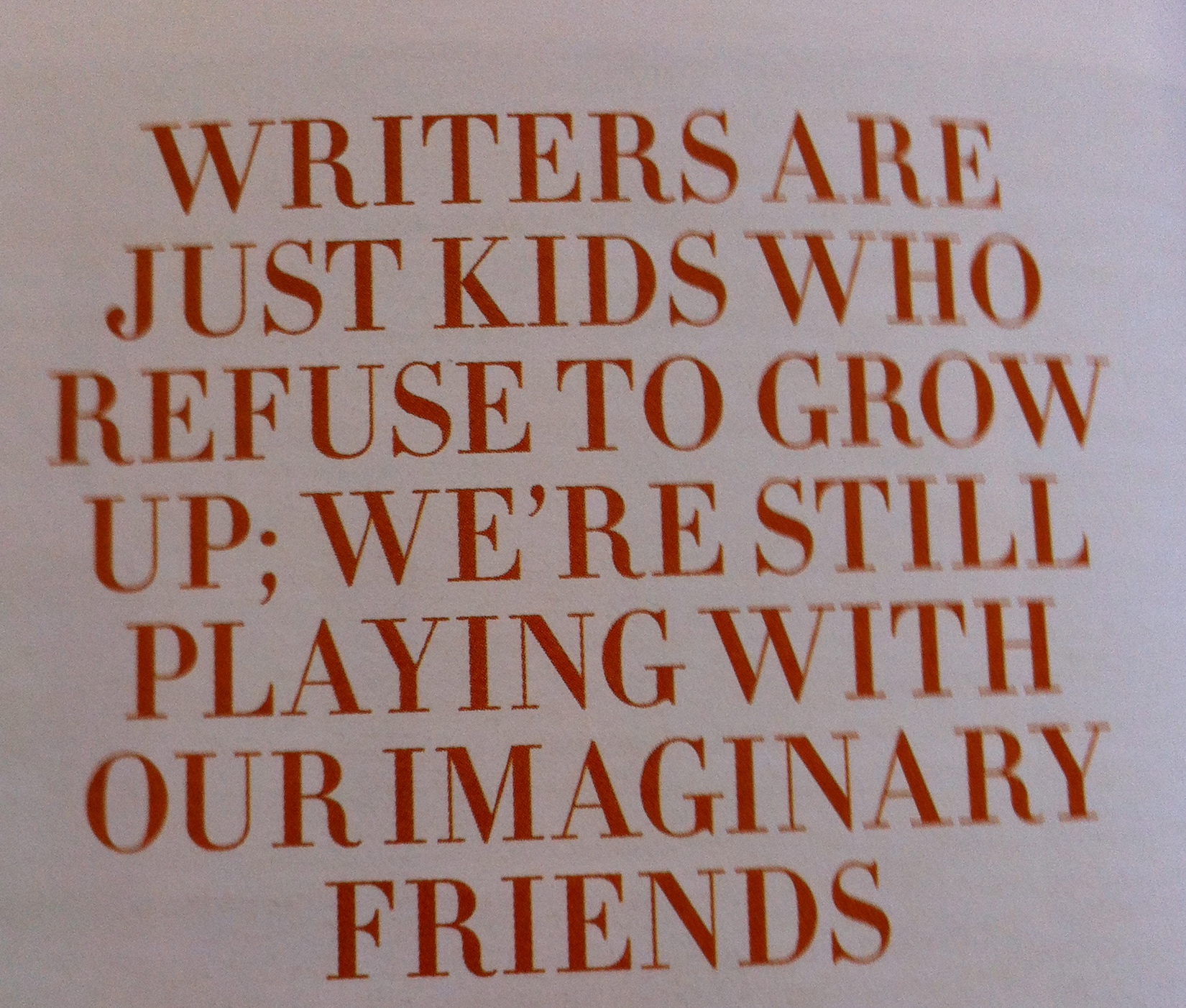
I came across the above quote in an interview with Ian Rankin, the author of the Rebus crime fiction books.

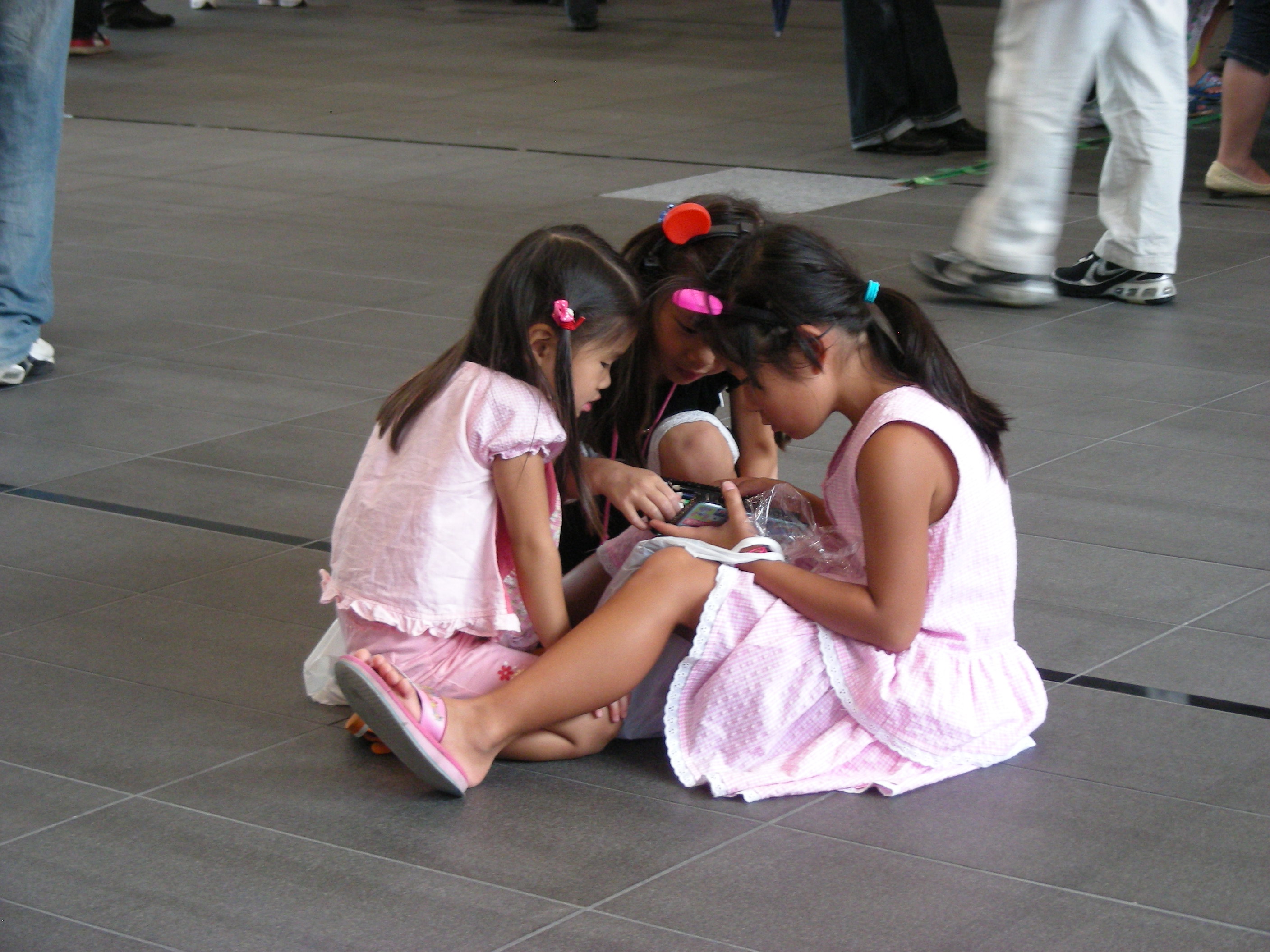
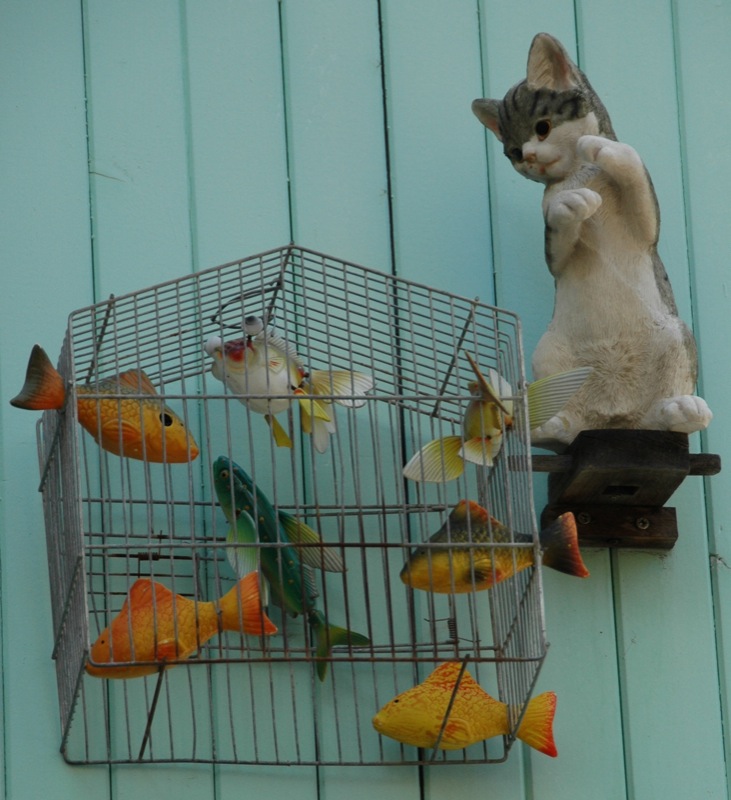
I think this is a such an important point about creativity. If we really want to let our imaginations flourish, don’t we need to stop being too serious, and setting it artificial limits. Have you seen how rich a life children create with their imaginations? It’s a constant inspiration!

So, with all the serious advice around about happiness, health, flourishing, etc, here’s an additional piece with quite a different flavour – play with your imaginary friends!

2866185000_27420d198a_o


2340960907_c7a7f1645e_o


2698797966_914511a3c7_o

Read Full Post »

Ian McEwan wrote, after 9/11, that one of the crimes of the terrorists was a failure of imagination

If the hijackers had been able to imagine themselves into the thoughts and feelings of the passengers, they would have been unable to proceed. It is hard to be cruel once you permit yourself to enter the mind of your victim. Imagining what it is like to be someone other than yourself is at the core of our humanity. It is the essence of compassion, and it is the beginning of morality.

This touched me deeply when I read it. I think this is the key way I use imagination on a daily basis. I don’t know any other way to understand what patients tell me other than by trying to imagine what it is they are experiencing. I don’t think all of empathy or compassion can be explained as the use of the imagination (mirror neurones, being present, being non-judgemental are all other elements) BUT I do think it’s an essential element. Imagination is my everyday working tool.

We imagine in order to create our world of course. If we imagine that the universe is a cold, hostile place, where it’s every man for himself and dog eat dog, then we will have a particular experience of life….we will create for ourselves a particular kind of world. If we imagine that in the universe we are all connected, and that there is a purpose to existence, then we’ll create quite a different kind of world for ourselves.

IMG_0534

To imagine is to create.

Watch any little children playing. My youngest grand-daughter looks at a cardboard box and sees a palace, or a jungle, or……….

IMG_1519


….an ambulance!

When was the last time you sat down with some blank paper, some crayons, paints, glue and coloured papers, and just let your imagination flow?

What might you imagine this week?

Read Full Post »

waterfall

Flow is one of my favourite verbs.

As with all words, there are various nuances, or aspects to it.

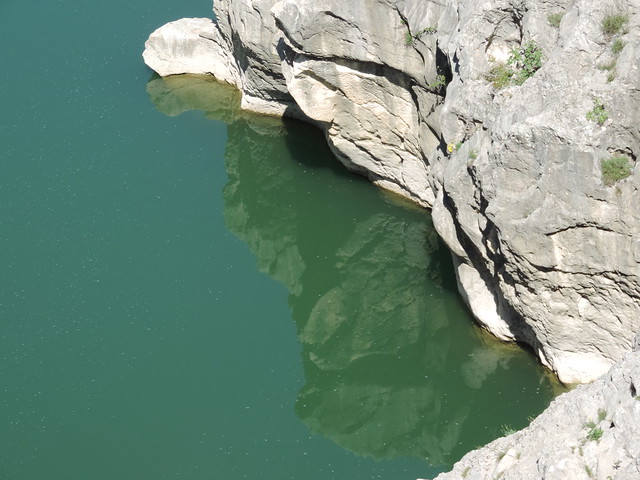
Maybe you see this word and think “Go with the flow” – as in, don’t resist, don’t fight, don’t challenge, just go along with everyone else. (but look what water can do, just by flowing over rock…..)

water and rock

Of maybe you hear it as a call to relax, take it easy, tune in to the effortless.

feather heart

But those aren’t what I think of when I think of flow – instead I think of Czikszentmihalyi, the positive psychology pioneer, who researched “flow experiences” and published them in his book of that name. He was referring to those times when it feels as if everything is flowing beautifully, everything is coherent….it’s a peak experience, and he found that it was most likely to occur when we are in the process of achieving some challenge we’ve set ourselves. So it often involves a lot of effort to develop the necessary skills, and then as we use those skills, in what can appear an almost effortless way, we have that feeling of complete harmony.

I also like the ideas of flow which emerge when you think about how water behaves. In fact, I like that so much I did a whole photographic project on it and turned it into a book and a website – come and see here.

Read Full Post »

Sometimes you just come across something on the web which is SO good, SO creative, SO original, SO inspiring…..you’ve just got to share it.

Isn’t that amazing?

Read Full Post »

« Newer Posts - Older Posts »