Feeds:
Posts
Comments

Archive for the ‘science’ Category

I took a walk in a pine forest yesterday.

We are still living under significant restrictions, and there are rumours that they might even be tightened later today, so I took the opportunity to drive about an hour west of here to the coast, have a walk in a pine forest, have a picnic, then stroll along the beach at the “côte sauvage” which means the “wild coast”, a stretch of coastline here in South West France where you can stand at the edge of the Atlantic Ocean.

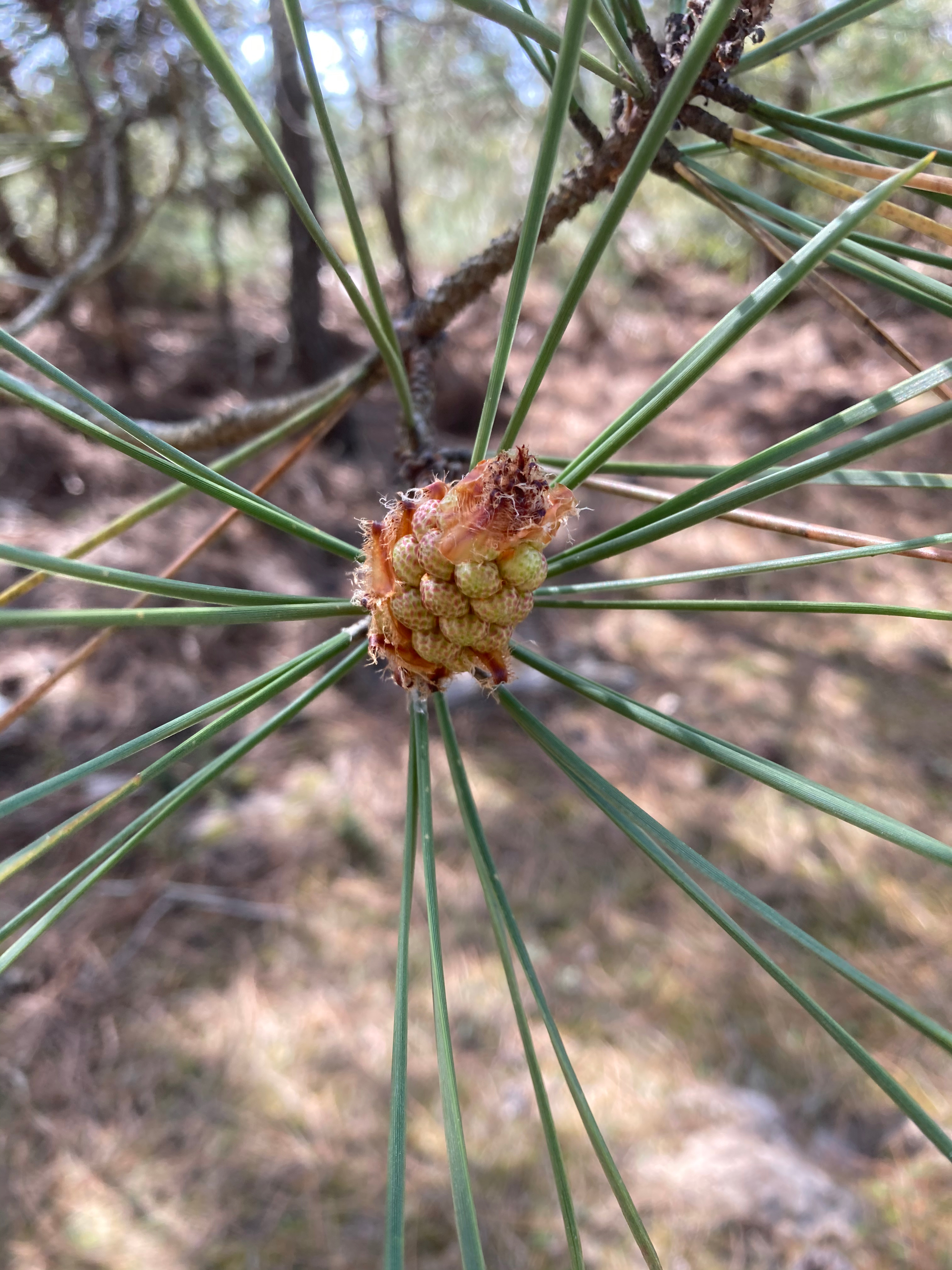
I took several photos in the forest and down on the sand. Here’s one of them.

This is a single pine cone forming at the end of one stem of a pine tree. The forest floor was covered with pine cones of all shapes and sizes, but this one, still in the process of emerging, caught my eye. It’s a beautiful collection of developing pine seeds, and the long narrow pine leaves radiating out in all directions gave it the appearance of a sort of “starburst” – the very shape of the plant capturing the essence of the behaviour to come, where the seeds will be dispersed in all directions.

When I look at this image I see potential. I see that abundance I mentioned the other day in an earlier post, where each plant produces millions of seeds and scatters them near and far to produce the greatest chance of proliferation yet more plants, yet more pine trees. Because I zoomed in towards the seed head you can’t see the edges of the pine leaves….so every one of them looks like a direction indicator….it heads out in all directions and you can’t see just how far any individual leaf can reach.

So we see potential here – the potential to be more than we can see in this moment, the potential to be more than we can see in this small space. When we look too closely, when we separate out whatever we are looking at from all of its contexts, connections and environments, then we fail to grasp its reality.

To see the whole we need imagination. To see the whole we need to “see” in our “mind’s eye” what the part is attached to, where its come from, where its going, and how it interacts with everything else. I capture an aspect of that in the little phrase at the top of this blog – “becoming not being”. I am always more excited by vibrant, dynamic living forms than I am by artificially disconnected, dead parts.

I pine for Life, for growth, for the realisation of potential, for the expansion of possibilities, for the deepening of understanding.
Read Full Post »

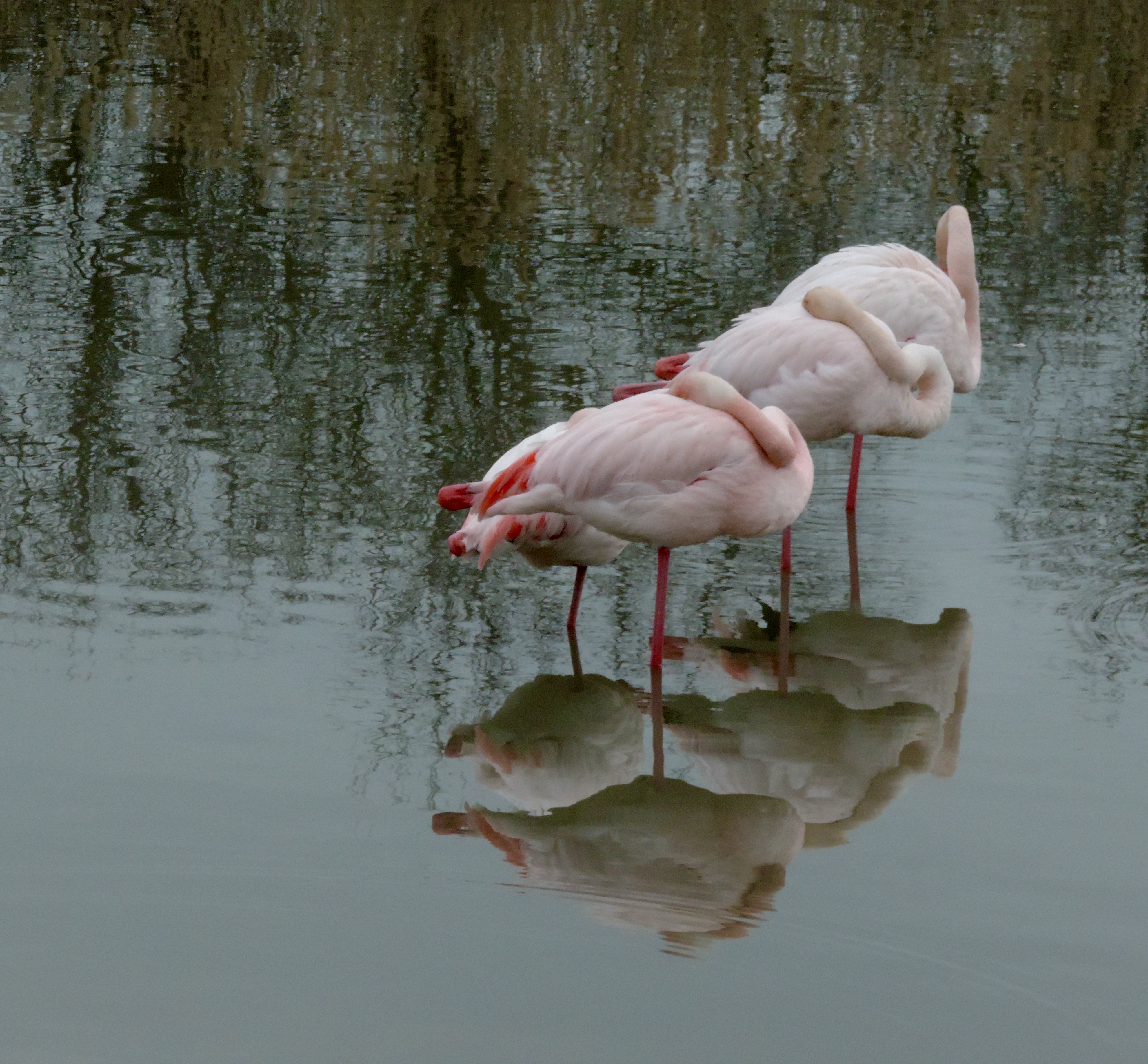
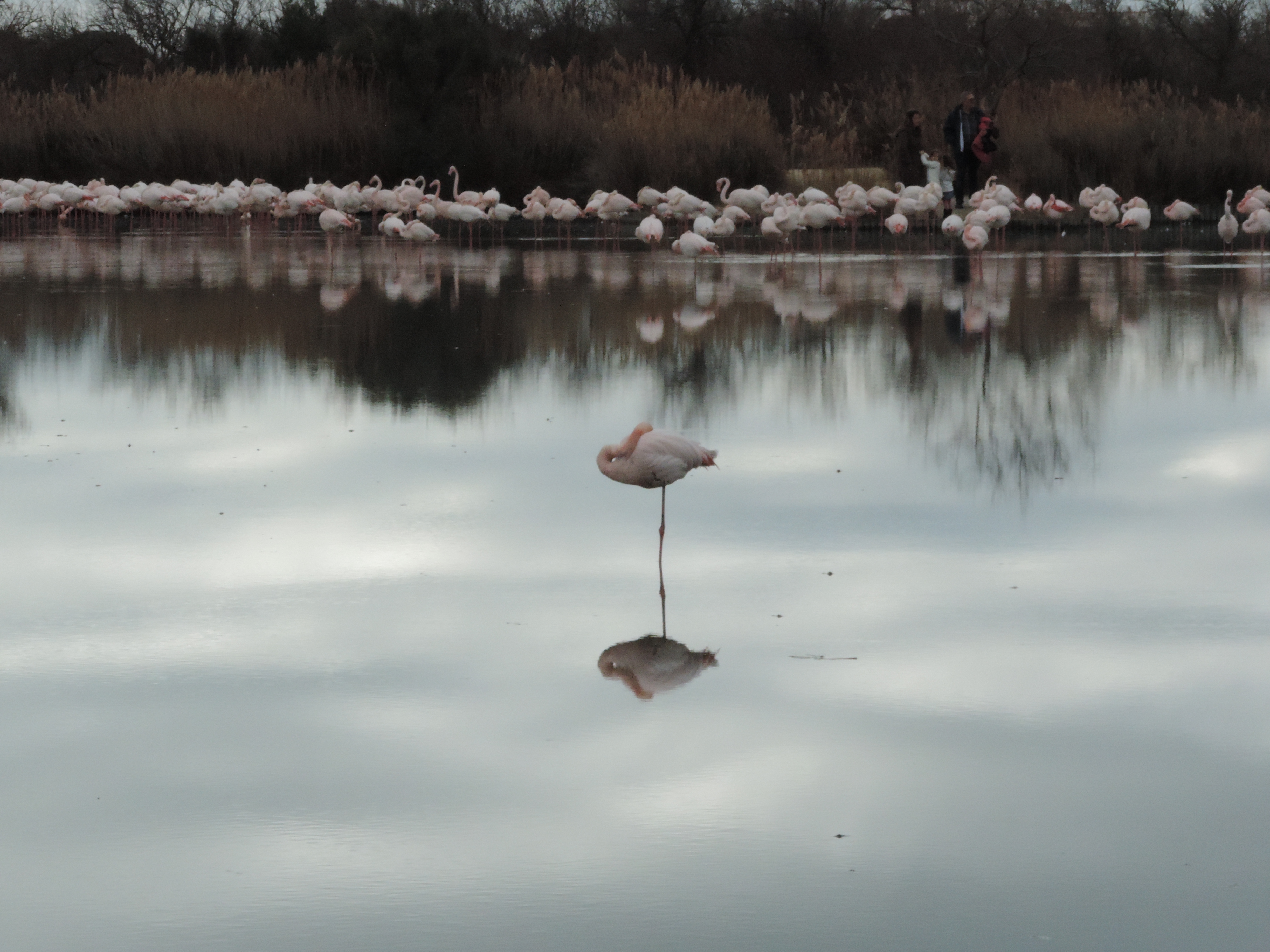
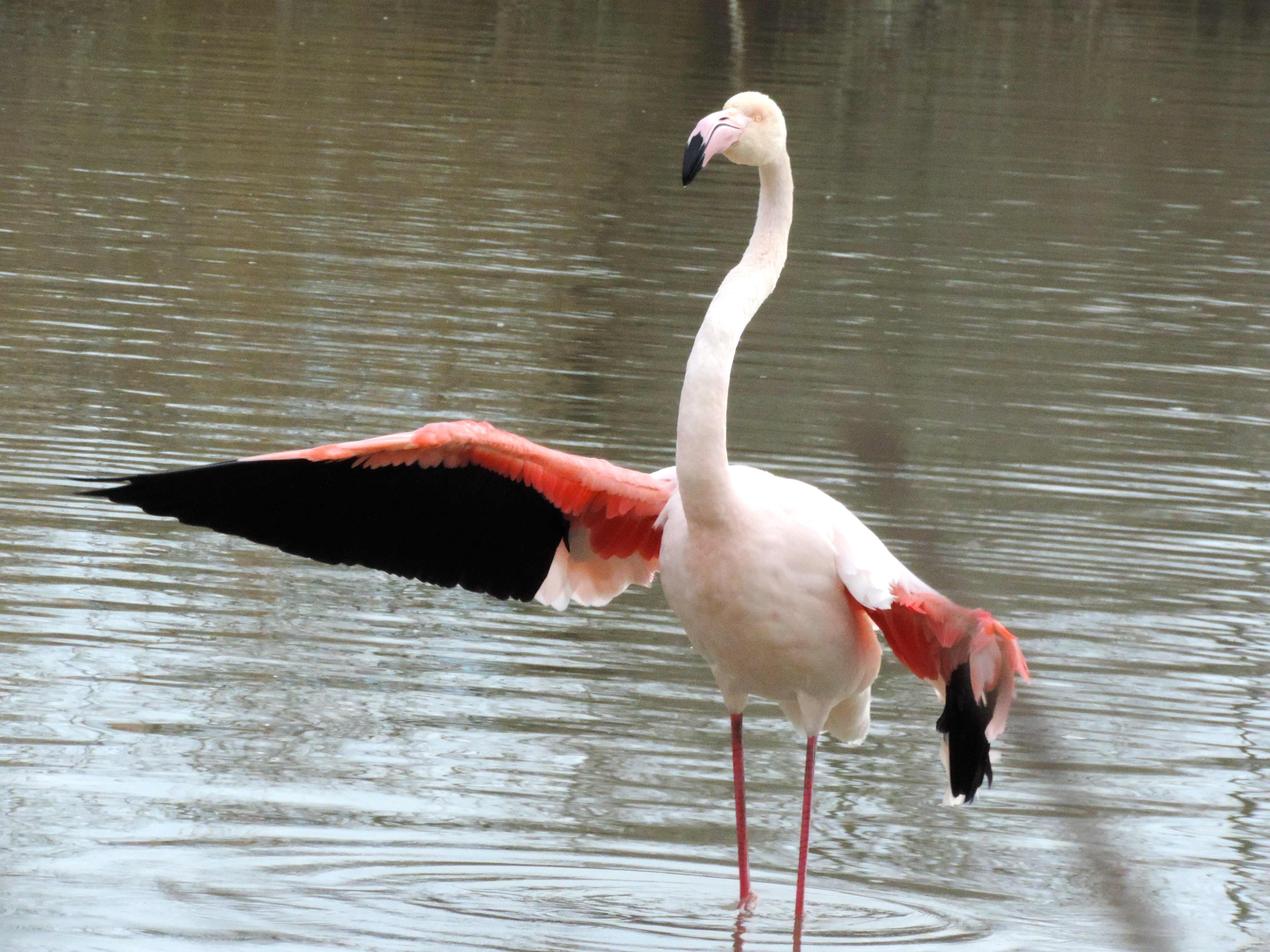
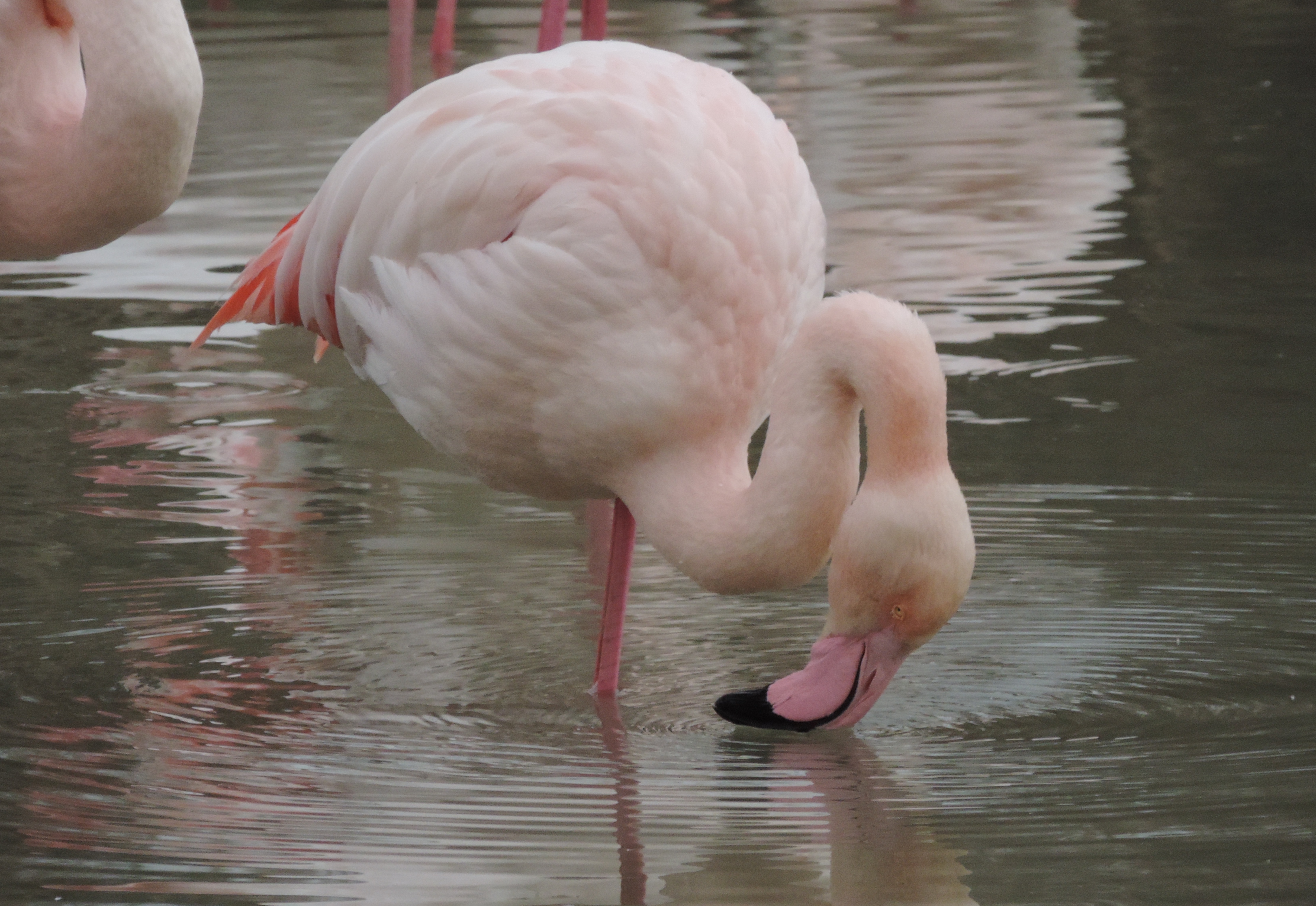
There’s a bird reserve near Nimes, in the South of France, where you can see flamingos. I’ve visited it several times, and each time I take a host of photos. They are SUCH beautiful creatures!

I’m reading Gary Lachman’s “Lost Knowledge of the Imagination” just now, and this morning read these lines about beauty –

We perceive beauty, the Neo-Platonic philosopher Plotinus said, when we perceive something that is in accord with our soul.

Knowledge of beauty is knowledge of soul. It is self-knowledge, and when we discover beauty we are discovering part of ourselves.

The knowledge we receive in this way is not of fact but of quality, of value and meaning.

We perceive beauty, are open to its presence, through a change in the quality of our consciousness. Only like can know like. We must have beauty within ourselves to see it in the world.

I hadn’t thought of beauty this way before. When I read it I thought about the old adage of “beauty is in the eye of the beholder” which always seemed to me to be a statement that beauty was in fact a matter of taste. But this perspective from Gary Lachman describes that sort of third way interpretation which I like so much. It’s not that beauty is “outside” us, as some kind of measurable object. I think we all know that. Beauty can’t be reduced to data, can’t be captured by mere facts. But neither is it just a matter of taste, as if it is entirely an experience of the individual rendering the rest of the real world unimportant.

The third way is that beauty is a resonance. It’s a harmony. And therefore it emerges in the lived quality of an experience, of an engagement, of a relationship. We need both parts of the relationship to be present…..something “within” us, let’s call that “the soul”, and something “outwith” us, let’s call that “the other”.

We know instantly when we find something, or someone beautiful. We don’t need to way it up, analyse the inputs, stimuli and signals. We just know. We know because our inner being resonates with whatever it is we are looking at….or it doesn’t. When it does, we have the sensation of joy, delight, and gratitude which accompanies all engagements with beauty.

Beauty, I reckon, is good for us. It’s good for our souls. It’s good for our consciousness. It’s good for our health.

So, here you are, a few photos in this post, all taken during one visit to the flamingos. I find them beautiful. I hope you do too. And I hope that appreciation of their beauty nourishes your soul, warms your heart, adds some positive quality to this present moment.

Read Full Post »

You’ll be familiar with the phenomenon of starlings creating a “murmuration” where thousands of them flock together and create the most astonishing shapes in the sky. I see that around here from time to time, but much more commonly I hear a few hundred, or perhaps a few thousand, starlings flying through the vineyards together. Then they’ll “assemble” on a couple of the biggest trees at the top of the hill. They make such a noise while they do that, that they absolutely catch your attention. Then as they sit on the branches together they sing and call and chatter for a while, making a unique flock of starlings racket.

Suddenly, they all go quiet. It happens over perhaps two or three seconds. The clamour of the flock is replace by silence. Having witnessed this many times I now know what’s going to happen next. They all take off! Just like you can see in this photo. In fact, it’s quite an easy photo to take if you just listen. You just focus the camera on the tree and wait a second, then, whoosh, what you hear next is the sound of a thousand wings beating as one. It’s a rush, a sudden noise of air being pushed aside by the birds. I don’t think I’ve heard exactly that sound anywhere else.

From time to time, I look up from my garden because I hear that rush of wind and I know it’s a flock of birds speeding over the tops of the vines, and settling onto their branches. Then I hear them call to each other, then a bit later, silence occurs, and a moment later….whoosh! They take off into the sky, becoming visible again as they soar over the vineyards.

It’s a delightful sight and sound.

It always makes me think about that balance in the world between competition and co-operation, and the delicate balance between individualism and collectivism. It makes me reflect on the human need for autonomy and a sense of Self, and the powerful human need to belong, to be in relationship, to love and be loved.

I do think we’ve got the balance all wrong over the last few hundred years, and there have been whole books written about that. We can look at the narrowing of consciousness from when humans lived in greater harmony with the landscape and with other creatures, to the present time where whole societies have become atomised and the sense of alienation has shot off the top of the scale. Or we can look at the rise of industrialisation, technocratic modes of organisation and control, and the mass competitive consumption of capitalism. Or we can consider the divided brain thesis of Iain McGilchrist and see that the Emissary (the left hemisphere) has cut itself off from the Master (the right hemisphere) and produced our current patterns of thought and social organisation. There are many ways to approach this same issue…..but the conclusion is……

we have got the balance wrong. We have gone way too far down the road of atomisation, reductionism, generalisation, command and control, consumption and competition. Well, that’s how I see it anyway. I think the world, our hearts, our souls, the World Soul, are all crying out for a shift in emphasis – towards a recognition of the “commons”, of how we all share one planet, one water cycle, one atmosphere, one common genetic heritage. How all of Life is part of the same, single, complex web.

Maybe this pandemic has quietened down the rush and pressure of competitive, busy life, and if we listen carefully we can hear the emerging silence which comes before we take off together with one great “whoosh” and fly higher than we’ve ever done before.

I think we need to move towards more kindness, care and love. Towards the creation of mutually beneficial bonds and relationships. I think we need to do that personally, and we need to do that together. What do you think? Maybe that would be pretty wonderful.

Read Full Post »

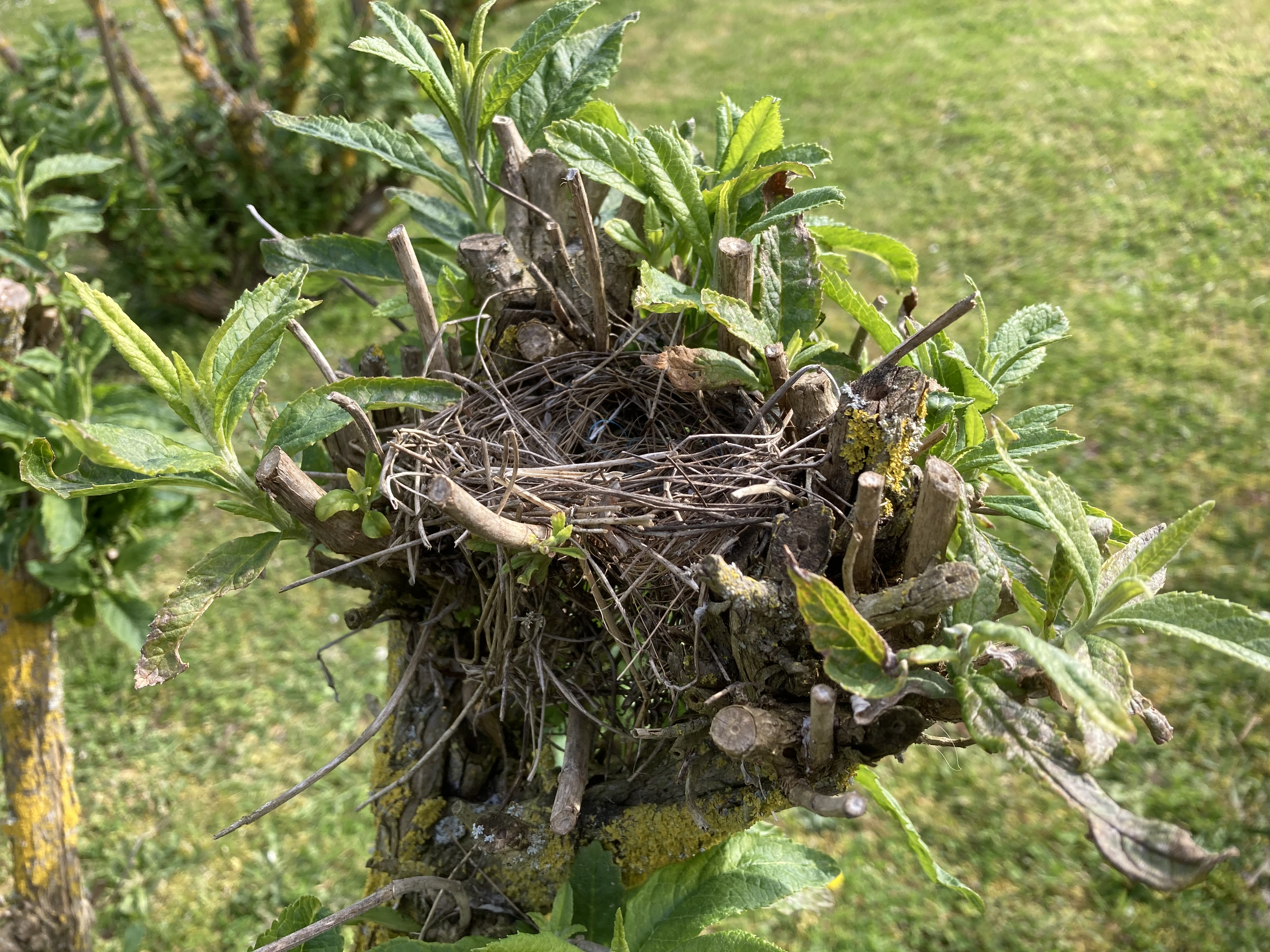
There’s a little bird which makes a nest in the garden each year. I don’t know what the bird is. She’s very shy, and hard to see. What I find strange is that she makes the flimsiest nests I’ve ever seen, and often makes them in what seem pretty precarious locations. Usually, she make a nest out towards the end of one of the branches of the mulberry tree and when the wind blows the nest bounces about crazily. One year, I found about four very young chicks sitting on the grass. They had all fallen out of the little nest, which I saw when I looked up above my head to see where they might have come from. I gently placed them all back into the nest, but the nest was really tiny….it was quite a squeeze! And the construction of the nest was so flimsy that it had almost fallen into two or three separate pieces. However, putting them back worked, and a few days later they had all matured enough to fly off, leaving the tiny, bedraggled nest to the winds.

This year I found the remains of her nest in one of the buddleia bushes. Look at it. Isn’t it tiny? The construction of nests boggles my brain. I am amazed at how birds know how to weave together the little stalks and twigs and other materials that they gather into the shape of a nest. I’m especially amazed when you see them do it for the first time. How do they know how to do this? As best I know they aren’t taught the technique by older birds. They seem to be born with the knowledge. So, finding a nest always evokes my feelings of wonder and awe.

As I looked at this little nest, I was aware that, although I judged it flimsy and precarious, it seems that for the most part, it is good enough. It does the job. It enables an adult female to lay her clutch of eggs, for the eggs to hatch and for the little ones to be fed until they are big enough to fly off and live their lives elsewhere.

These little nests aren’t exactly what we would call home, or are they? What I mean by that is that the birds don’t seem to construct a nest as a permanent home. They don’t build what we humans call “a forever home”. Maybe some species do, but I don’t know enough about ornithology to know if that’s true. What I see in the garden is nests built by different species of birds, all of which seem to use the nest for a single season.

So, what is a home?

I heard someone say “A home is not what you own, it’s where you feel loved”. That’s a nice thought. And maybe for the baby birds, that’s exactly right. Maybe these homes are the places where they are born, where they nourished, nurtured and protected, until they are ready to set off and live a more autonomous life. Maybe they just don’t need the effort and expenditure of energy necessary to build a permanent home. These seasonal, single use, ones seem to fit the bill (if you’ll excuse the pun!)

What do you think? What creates a sense of home for you? How many homes have you had in your life so far? And how many homes do you think you might live in, in the future? How do you create a sense of home?

Do you agree? Is home the place where you feel loved? The place where you feel nurtured, nourished and protected? Surely that’s the basic minimum for a home, and surely, everyone deserves such a place they can they call home? It’s a sad fact that for millions of people, that’s not the case. Surely we can do better than that. Surely we can create a world where everyone has a true home?

Read Full Post »

Before there was Life on Earth, the Sun shone down on the surface, baking the entire planet. A big step forward in evolution was the emergence of plant life. Plants developed the ability to use the Sun’s energy to capture carbon dioxide and water from the atmosphere, and turn those two molecules into sugars. In a way, plants learned how to tap into the vast, seemingly infinite, reserves of energy which were produced by the furnace of the Sun. As they transformed those two abundant molecules into sugars which they could use to survive and thrive, they produced oxygen almost as a by-product.

As plants proliferated and spread across the Earth’s surface, they changed the atmosphere, enabling a new kind of life to appear….cells which needed oxygen. Actually, before there were plants, there were single celled bacteria which developed this capability to capture carbon dioxide and produce oxygen. One theory of evolution is that all multi-celled organisms evolved from the collaborative and integrative behaviours of single-celled organisms. I find that a pretty convincing story.

Animals evolved later. And we humans belong in the Animal Kingdom. So, without our ancestors of the Plant Kingdom, none of us would exist. It’s not just that none of us would exist because humans wouldn’t have evolved, but none of us could exist now, because without the Plant Kingdom, no animals would have access to the Sun’s energy. It’s only the plants which have learned how to capture the Sun’s energy directly. The rest of us live further along a food chain, getting our energy from the other creatures (plants and animals) which we eat.

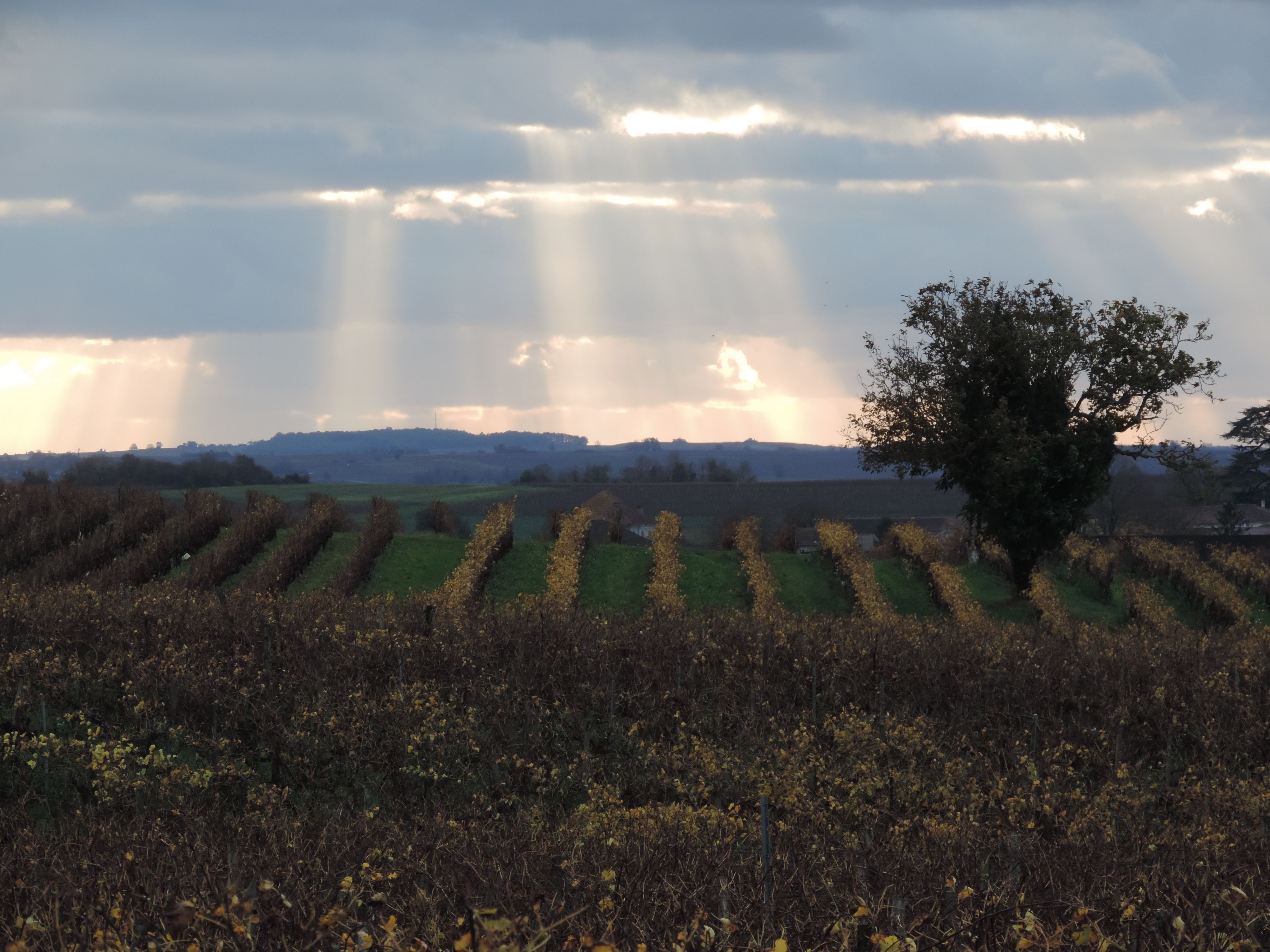
This beautiful photo has a lovely symmetry…..the sunbeams are echoed in the rows of the vineyard….and that phenomenon of symmetry, of echo, of resonance, reveals some of the intricate inter-connectedness of all that exists.

In this one image, I can lose my boundaries, and find myself as a unique, embedded, transient part of a vast web of Life.

I find transcendent experiences in the natural, everyday world. It’s in the vineyards, the forest, at the shore beside the crashing waves of the ocean, in my garden as the different birds call and pass through……..It’s no surprise to me that spending time outside, in natural habitats, lowers stress, lowers the human stress hormones, stirs our spirits, nurtures our souls, and is good for our bodies. It’s one of the best things we can do to stay healthy…..connect to the natural world.

Read Full Post »

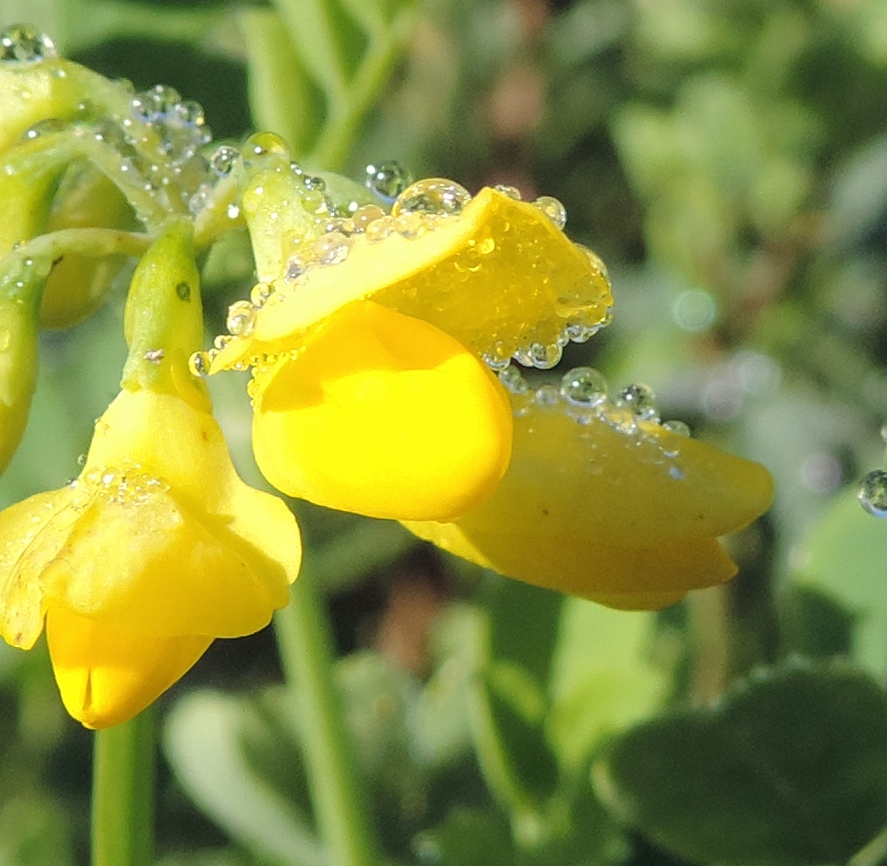
I do think these little yellow flowers are beautiful, but after overnight rain, once the sun comes up, their embellished appearance lifts them to new heights. Aren’t they gorgeous?

We tend to take water for granted. We don’t really think about it much until either we have none, because of drought, or burst pipes, or something else which has cut off our supply, or until we have too much, when the rivers burst their banks and the land is flooded. Both of those circumstances are very distressing. There are those who live with drought, struggling every day to find enough water, those who live with polluted supplies, who are constantly drinking infected, or poisoned water, and those whose houses have been indundated and made uninhabitable.

Too little, or too much…..neither is welcome.

Water fascinates me. It’s an astonishing substance, created from the combination of oxygen and hydrogen…..how did that happen? Where were the first water molecules in the universe created? Without that happy combination of those two elements, each produced in the great furnaces of stars scattered across the night sky, life here on Earth would be impossible. About 60% of the human body is water…….60%!

This peculiar, but vital, substance, with two hydrogen atoms bound to one oxygen at its essence, has astonishing properties. It’s one of the few substances which expands as it freezes, and it has the incredible ability to exist in solid, liquid and gaseous form in the natural world. It’s what clouds are made of, it’s what falls as rain, tumbles down the mountains as streams and rivers, fills the oceans and thanks to wind and the sun flies up from the ocean surface to disappear into the sky, completing what we call “the water cycle”. I think it was the water cycle which first introduced me to the idea that everything in this planet is connected. It introduced me to the whole subject of ecology, and to the study of bio systems.

We don’t really understand how it behaves the way it does, but one thing which were are very familiar with is the ability of water to separate out into droplets, the way you see it adorning this beautiful yellow flower. There’s some exquisite balance of opposites….of surface tension and molecular bonding….which produces sparkling displays like this. However, as best I know, nobody is able to predict either how many water droplets will form on a single flower, nor tell us where exactly each drop will form.

When I look at this image, I start with a feeling of delight, of joy at the sight of such beauty, but then, that delight is flooded with a sense of wonder, and my thoughts fly off in all the directions I’ve just described – back to the origins of the universe, around the water cycle which makes life possible on planet Earth, into the human body, and further, into the very structure of water itself. All this involves my whole brain – my right brain engaging with the totality of the phenomenon, and my left abstracting, categorising and analysing. I don’t do all that in a deliberate way…..it just all happens, and contributes to one of those moments of “émerveillement du quotidien” that I’ve written about before.

Read Full Post »

You know that thing that happens when a noise stops, and it’s only at that point that you become aware of it? Or where you catch sight of something out of the corner of your eye…..a sudden movement, perhaps of a bird, or an animal, or a person? We humans have a fabulous ability to become aware of change. In fact, in many circumstances it’s how we pick to what’s important or interesting to us…..we see or hear or otherwise become aware of something changing, or something which has just changed.

Many years ago I rented an apartment in Carcassonne. I remember waking up one morning to the sound of the church bells striking the hour. I counted “seven, eight, nine” and then they stopped. I looked at my clock and it was nine o’clock. But I had now awareness whatsoever of counting from one to six. I seem to have started at seven! Of course, that’s not possible, but what it meant was that whilst still in the zone between sleep and wakefulness my brain had registered the sounds of the bells, and had kept track of them. I just picked up the process once I was awake enough.

Much of what we experience, and what we know, happens at levels below full consciousness. That’s not a bad thing. It’s how we function. I mean, imagine if you were aware of the activity of your digestive system moment by moment, or of the speed and rhythm of your heart or your lungs? You just couldn’t keep track of it all. Luckily, you don’t have to. However, it’s also important to become aware when we need to…..or when we want to. And to do that, one of the triggers is noticing change.

This photo is of a plane trail in the sky. This particular one has already been caught by the high winds and is turning from a line, or path, into a feather, or breaking wave on the beach. It’s beautiful. For me, it captures the reality of change. This trail, like all plane trails, is changing right before my eyes. I gazed at it for a few moments, watching this beautiful shapeshifting, following the changes. You can see from the left hand side of the image, how the wisps of white cloud are already disappearing “into thin air”. In fact if you look from right to left, you see three separate stages of the change process….from the fairly condensed rope or string looking part on the right, through the wispy, feathery waves in the middle, to the almost not there any more area on the left.

I like this image because it makes me think of change, and I change is such a great way of making us become more aware.

I used to look up from this garden and see many, many such streams in the blue sky. I don’t any more. I haven’t done for a year now. Why not? The pandemic. I’m sure I couldn’t tell you how many planes past over this part of the country every day over a year ago, but I can tell you that when I see a single one now, I notice it. There are hardly any. What an incredible change!

Hasn’t this pandemic, with its limitations and lockdowns, with its profound and widespread changes which it has brought in its wake made us more aware? I think it has. It’s become clearer than ever before how fragile and unprepared our health services are. It’s become clearer than ever how dependent our societies have become on the vastly interconnected global just-in-time supply chains. It’s become ever more clear exactly how important millions of citizens are…..whether we call them “front line workers” or “essential workers” (must be pretty horrid to be called “non-essential” don’t you think?) It’s become clear how broken our systems of social care are. It’s become obvious how much poverty there is, how much chronic ill health there is, how fragile so many jobs are. It’s become clear that this economic and political system we live under is failing….failing to be resilient, failing to protect, failing to thrive.

Yep, there’s no doubt that change is a great eye-opener. Maybe now that our eyes are wide open, it’s no surprise that many of us are re-thinking our values and priorities. It’s no surprise that all those things which we at some level already knew, are now crystal clear, and demanding that we pay attention to them.

Shall we make a new beginning? Based on kindness, care, compassion, justice and fairness? Based more on co-operation than competition? Wouldn’t that be a good idea?

Read Full Post »

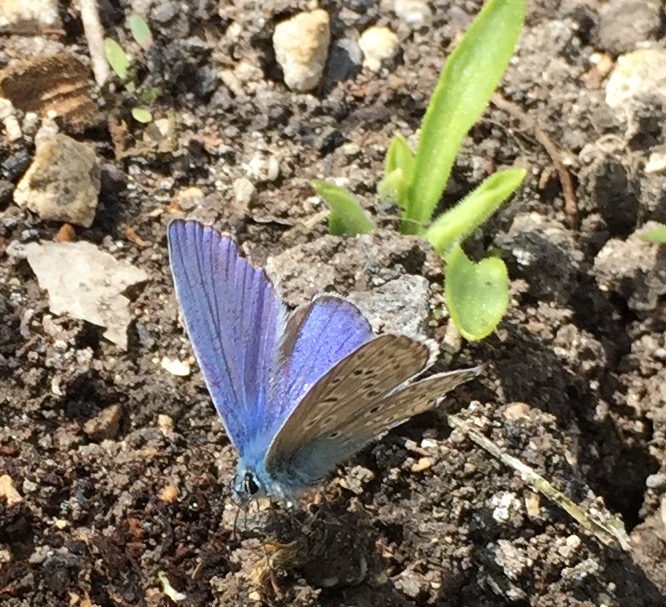
The first butterflies of the year have appeared in my garden in the last few days. They really are such astonishing creatures, butterflies. If you watch one flying around their trajectory seems utterly random. They just seem totally incapable of flying in a straight line! You have no idea, literally, no idea which way they are going to fly next. You can’t tell whether they will veer right or left, up or down, in the very next second, and you can’t tell where they are going to land next. I’m sure I read once that scientists have still not been able to explain the flight dynamics of butterflies. Apparently we don’t know how they manage to fly in this astonishingly varied way.

Apart from the sheer wonder at the flight of the butterfly, and the beauty of individual butterflies, what astonishes and inspires me most about them is their life cycle. They are the creatures which undergo the most incredible metamorphosis. When you look at the different stages of the life of a single butterfly you can’t help being amazed how different, how physically, and structurally different they are at each stage. From egg, to caterpillar, to pupa, to butterfly, each stage just couldn’t be much more different from the other. In fact, it’s hard to take on board that the caterpillar and the butterfly are the same creature.

So, the butterfly has become one of the main symbols of metamorphosis.

Metamorphosis is a sort of super-charged emergence. Emergence is this fairly new scientific concept which describes stages of change in complex systems. It means that the creature, organism or system undergoes such rapid and comprehensive change that once it has changed it seems radically different from its prior condition. So different, in fact, that it would have been impossible to predict exactly what would change, and what the outcome of the next stage would look like. We can only make sense of the stages by looking backwards and putting together the narrative of the timeline.

Metamorphosis is much more widespread and common than it first appears. In fact, I’d argue that each of us undergoes continual metamorphosis throughout our lifetimes. You don’t think so? Well, take a look at some old photos. Do you have any photos of you when you were a baby? You when you were a toddler? You when you were a teenage? You see where I’m going here. At each stage as we look back we know that we are looking at an earlier version of ourselves but we almost can’t believe it because we have changed so much.

We undergo continuous psychological metamorphosis too. It’s not just our bodies which grow, change, mature and age. Our personalities, our thoughts, our beliefs, values, habits, ideas, memories and fantasies do too. Isn’t what Jung termed “individuation” a description of the process of human metamorphosis?

The thing about metamorphosis is that it is BIG – I mean SIGNIFICANT. It’s not a minor tweak here and there. It’s not even a series adjustments. I recently heard an expert, talking about the crises of pandemic and climate change, call for such wide and deep change in the way we humans live on this planet, that what we need is a metamorphosis and to underline his point he said

“A butterfly is not an upgraded caterpillar”.

I love that. And it’s true. We don’t need a “silver bullet”or a “technofix”. We don’t need a simple, single new law or practice. We need to metamorphose. We need a holistic, multi-factorial, complex, wide-ranging, deep, radical change – in our own lives and in the way we live together as communities, as nations, as a human species, and as one of the thousands of species of life on this little blue planet.

The thing is…..we can all participate in this. We can all imagine, invent, suggest, contribute towards the creation of, an utterly different way for ourselves, our children, our grandchildren and the whole of Gaia. But none of us can know what such a metamorphosis would look like.

What we can do is choose different thoughts, different ideas, different values, and different actions which bring us more into harmony with each other and with the world. Because in complex systems, integration and harmony produces emergence, and emergence can be as profound as a complete metamorphosis.

Read Full Post »

I know a dandelion seed head is almost a cliche in photography. I mean who hasn’t seen an image exactly like this one? But the truth is I have several photos of the seed heads of plants, whether they are dandelions, or some other flowers. I find them beautiful. In fact, I find them irresistibly beautiful. I am almost compelled to stop, to look more closely, perhaps to take a photo, perhaps to blow gently on the seeds and send them off into the wide blue yonder. Maybe that’s partly a harking back to childhood. Who hasn’t counted how many breaths it takes to blow all the seeds off a dandelion? As kids, we even called them dandelion clocks and the number of breaths it took to blow all the seeds away was supposed to be the number of hours we were into a day. I’m not sure why that practice persisted because I don’t ever remember that being a remotely reliable way to tell the time!

But what I want to focus on today when I look at this particular image is the fact of abundance.

Just look how many seeds there are in this one single plant! I suppose you could count them if you had a lot of patience, but do you think anyone has ever managed to count the number of seeds in a whole field of dandelions? (Ok, why would you??) But even if we just look at this one plant we see what an abundance of seeds it has produced. This is what plants do. They produce an abundance of seeds. Way, way more than is “needed” just to create just another plant.

Here’s what else plants do – they capture an abundance of energy directly from the Sun. Through photosynthesis they capture the Sun’s energy, suck carbon dioxide and water out of the air, and create sugars to store the energy they need to grow more stalks, more trunks, more flowers, more blossom, more fruits, more seeds. They get what they need to survive and to thrive directly from the air and the Sun (and, yes, their root systems gather and store other nutrients which they need – also in abundance). Many trees live way, way longer than a human being can live…..hundreds of years in fact. They have, and they experience, an abundance of life.

The universe delivers what all Life needs. The universe delivers what all Life needs in abundance.

But do we live that way? Do we live as if the universe supports us abundantly?

Ah, you’ll say, but millions of people in the world live in poverty. Their daily lives are of scarcity, not of abundance. And that’s true. But that’s a political choice. We could feed the world. We could shelter the world. We could create sustainable, thriving societies across the entire planet if we chose to, if we chose to work together, if we chose to care about each other, treat each other with compassion and kindness, if we demanded justice, fairness and equality for everyone……whatever “identity” we apply to them, wherever they live.

Utopia, you think? Wishful thinking?

I guess so. I guess such a vision is utopian. I guess I’d agree it’s what I would wish for, but I feel unable to deliver.

However, I do think we humans have created a dystopian reality with the current economic and political models that we constrain ourselves to live within. Don’t forget money is a human invention. It doesn’t exist in Nature. States are a human invention, and their borders are a human invention. We share one planet, one water system, one atmosphere, one soil, one vast, interconnected, inter-dependent web of Life.

So, yes, I agree, this is utopian, but, also, I’d argue, it’s MORE realistic than the present invented delusion which traps us in its system. Maybe this pandemic has made all of that more clear. Maybe this pandemic is a time for we humans to wake up, see the world for what it really is – a planet, in a universe, which provides for Life abundantly.

How might we choose to live if we choose to make that the foundation of our thoughts, our beliefs, our values, and our actions?

Read Full Post »

Vineyards consist of several parallel rows of vines, each plant pruned and tied onto wires which run from stake to stake. The cognac makers call each row a “wire” and a contract between a grower and a distiller will detail how many “wires” are being sold each year. As best I understand it, this is the unit of agreement – a number of wires, not a number of grapes. Interesting, huh?

This photo is one of many like this which I’ve taken over the years. I love how the Sun catches the wires at certain times of day. It makes them vibrant. It makes them sing.

You can tell this is a Spring photo from the fact that there are no leaves on the vines yet, and that beyond the vineyard the trees are full of blossom. Everything has its season.

This image of wires sets off my train of thought along two different paths.

Firstly, it reinforces my understanding of the world as multiply and massively connected. The wires are a symbol of connection for me. They connect the plants together, they connect the growers to the distillers, and they create the basic structure of each and every vineyard. They are an underlying, foundational, creative structuring force which makes the vineyard look and live as it does. There are many such patterns, forces and structures running through and below our lives. There are many, in fact, which give us the forms of physical reality in which we live. I love it when we glimpse these patterns and become aware of the flows of energy and change which shape our lives.

Secondly, the phrase from neuroscience “what fires together wires together” comes to my mind. Although I think the metaphor of wiring for the elaborate, complex set of relationships between neurones in our brain is somewhat overdone, the truth is that it seems that our habits of thought, feeling and action, do actually change the physical structure of the brain. When we think, feel or do something repeatedly we lay down strong, fast pathways of neurones which not only make it easier to do or think those things….they make it harder to not do them! They become the underlying structures which determine some of our unconsciousness activity. To develop new, different, thoughts, feelings and actions, we need to consciously choose to initiate them and repeat them. That’s great news actually, because as well as “what fires together wires together”, we have discovered the brain is “plastic” – not made of the material we call plastic, but has the characteristic of “plasticity” – it can constantly be remoulded. We are not stuck with a set of thoughts, feelings and behaviours. We can change them. We just need to consciously choose to do so, and to repeat what we have chosen. That’s at the basis of the teaching about creating new habits by doing them each day for 30 days. It seems that by that time we’ve created new pathways, or new wiring!

Read Full Post »

« Newer Posts - Older Posts »