Every day there are surprises, things we didn’t expect, events which we didn’t imagine. Some seem like miracles, many astonish or amaze us. Others strike us because they are synchronicities.
Some of them are obstacles, demanding we change direction, follow a diversion, or that we adapt.
Over the course of a lifetime we don’t follow a straight path. Looking back isn’t like looking at the wake behind a ship. A life is full of twists and turns.
These events, these adaptations, they shape us and they shape our lives. Whether we think of life as a journey or a story, every one of us is unique, and not one of us grows an identical life to another.
In every event we connect with others, and with the environment. As we interact we exchange atoms, energies and information which sculpt both ourselves and the others into these unique shapes.
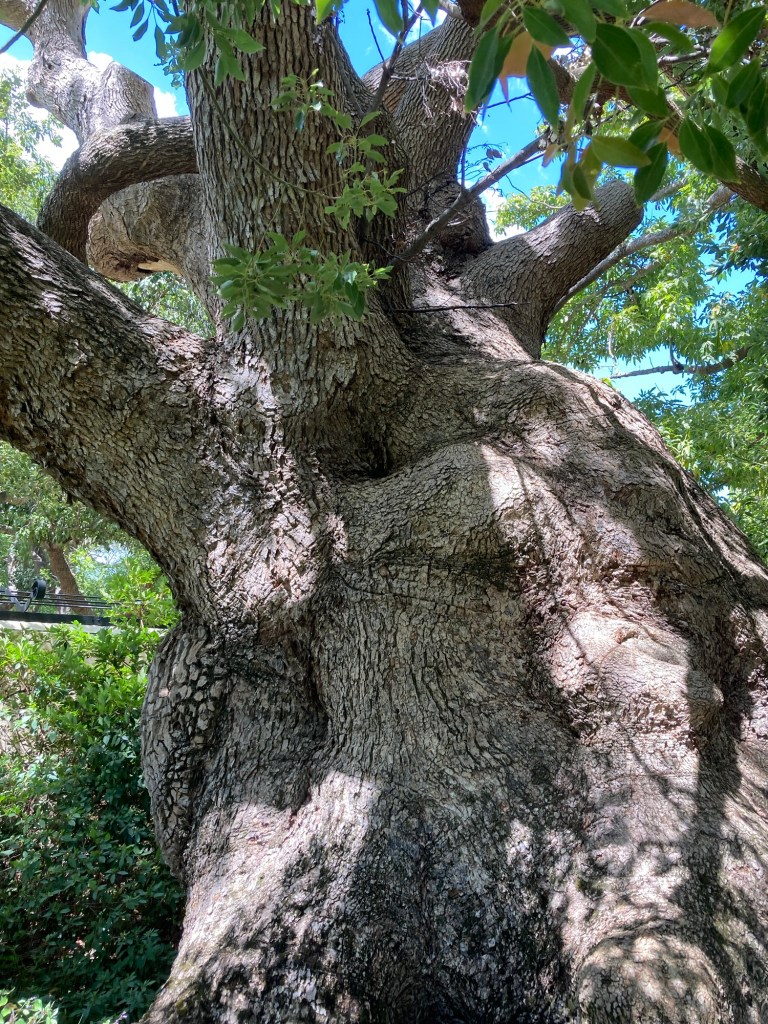
These trees are over two hundred years old, and every twist and turn developed from their daily encounters…..and that’s what makes them so amazing, so unique and so beautiful.
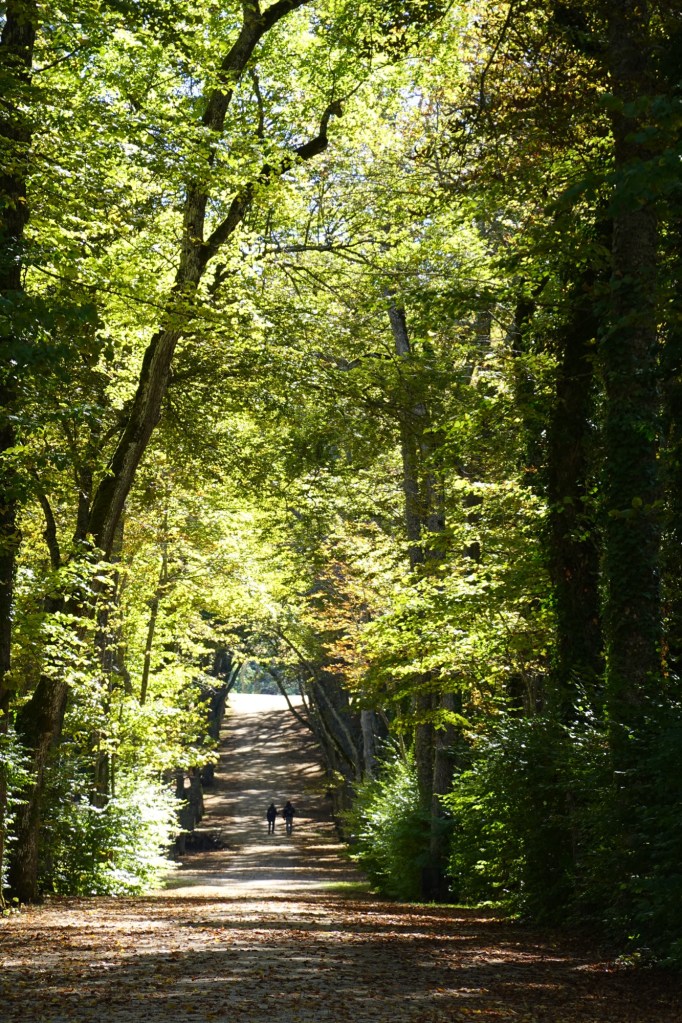
I love to walk amongst trees. It’s good for my body and my mind. It changes my breathing, my heart rate and my day. It amazes me to be so close to creatures which have lived for hundreds of years.
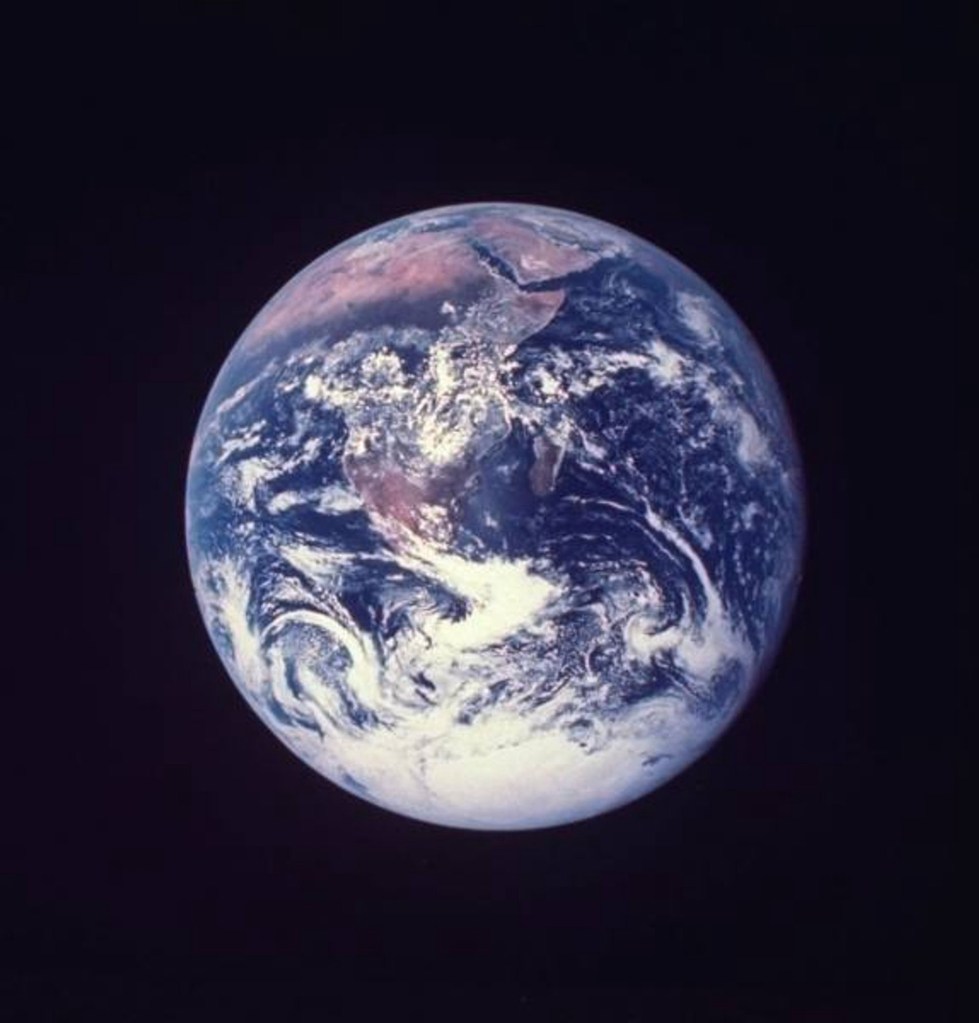
We didn’t just appear on this planet one day independent of all others.
We didn’t grow up all by ourselves.
We don’t survive separate from everyone and everything else.
Within all the vast networks in which we live there are two absolutely essential ones. Nature – we are embedded within nature. There are no absolute boundaries between us and all of Life. And, other people. We are fundamentally social creatures. None of us would have made it past the first few days, first few hours, of life, without others. We need to be cared for, just as we need to care for others.
Our society privileges the idea of objects and individuals but maybe we should focus more on connections and relationships, seeing what we have in common, seeing the bonds of mutual benefit.
It’s my experience that it’s normal to be kind, to offer assistance, and to smile. It’s normal to want to share experiences with others. It’s normal to realise we have much in common with every other person and every other living being on this one, shared, small, finite planet.
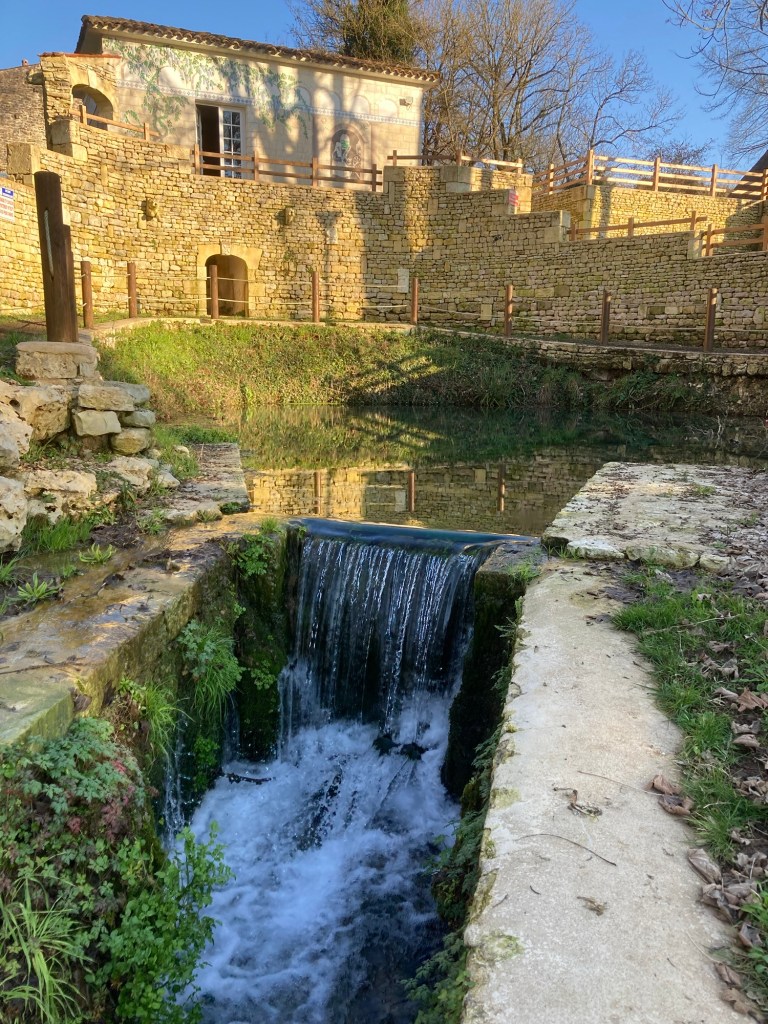
This one is just across the other side of the road from where I live now.
After four decades working as a doctor in the Scottish NHS I retired and emigrated to France. I live in a small village where neighbours gather spontaneously to chat in the street. My French language skill has improved enormously over the last ten years but I still study it every day, read French magazines and books, and take every opportunity I can to speak.
I decided many years ago I’d like to spend part of my life living in a different country, immersing myself in a different culture and language, and it feels, undoubtedly a good move. We humans don’t stay still. We grow. We develop. We change. We adapt and we explore.
I am sorry to witness the extent of anti-immigration narratives around the world, to see the huge increase in rules and administrative hurdles as countries build walls instead of bridges.
But I am happy that’s not my personal, daily experience. Everywhere I go I get a warm, friendly welcome.
The other big part of my experience now is closeness to Nature. We have a big garden, some of it a very small forest. It was all badly neglected but we’ve been opening it up to sunlight, planting flowers and vegetables and caring for it again. I encounter more birds, wildlife, trees and plants on a daily basis than I’ve ever done before.
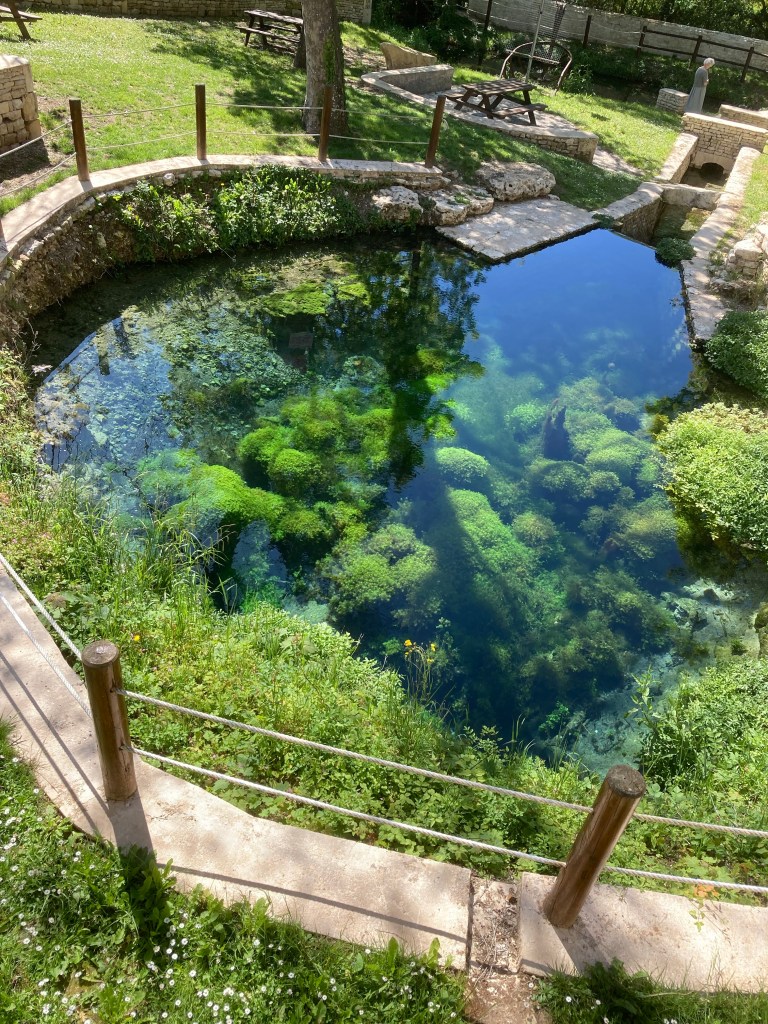
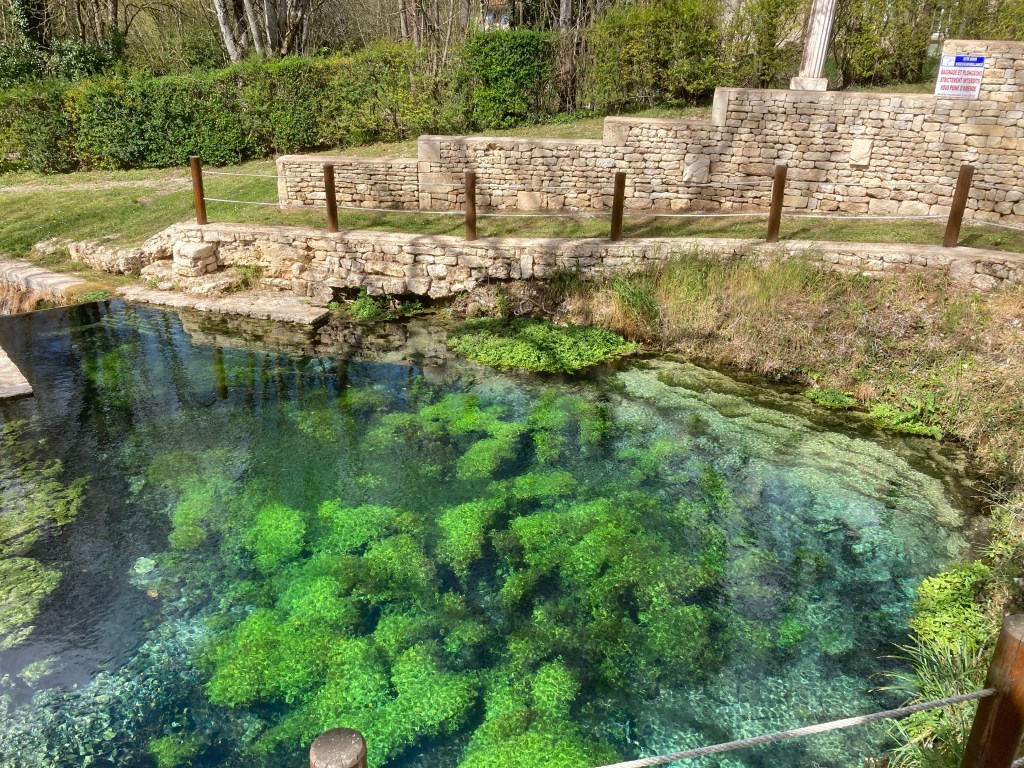
The “source” across the road fills with clear, clear water which, I’m assured, makes its way here underground from the mountains of the Massif Central. It flows out of the pool into stone channels built by the Romans. This was a crossing point for the Romans, for pilgrims, and for Celts and Gauls before them.
I was born and raised in Stirling, an ancient market town with a castle overlooking the main bridge over the River Forth. The town was a crossing point where north met south and east met west.
I feel that parallel deep in my soul….connecting me to a life of encounters, of meetings and relationships between diversely different people.
We are all unique, and there’s nothing more enriching, more fulfilling, than making connections, building bridges, sharing, and understanding……
We all need to know there are these crossing points, these “sources” in our lives where we connect the past to the present, where we encounter “the other”, human and other than human, and find our lives enriched in the process.
La source, for me, is the physical manifestation of flow….the flow of Life, of time and change, of encounters and connections.
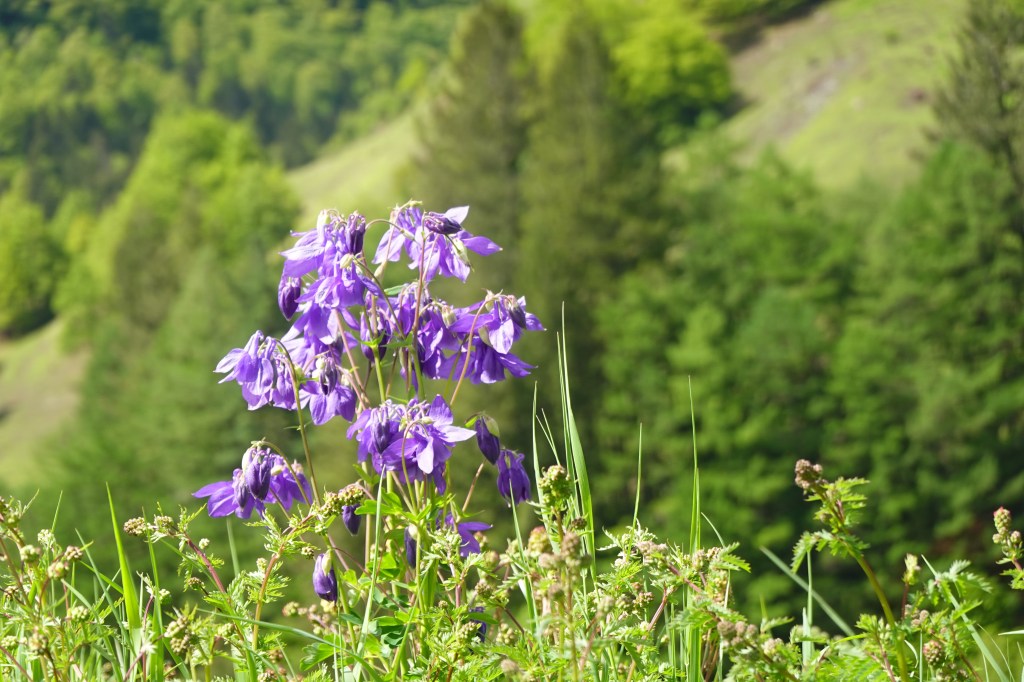
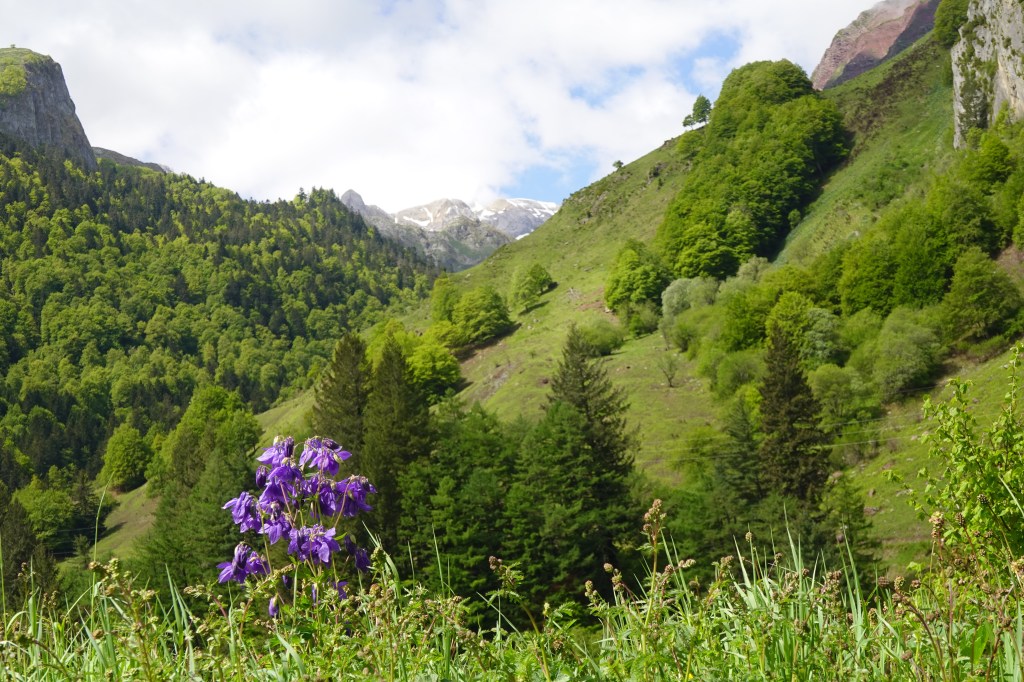
I took a road trip recently, over the Pyrenees from France to Spain. Stopping in a lay-by to admire the view I spotted this glorious flower. I imagine nobody planted it here. I don’t know what it’s called. But it caught my attention and drew me right towards it.
We have two kinds of attention working all the time, a focussing in, narrow form attention which lets us spot a detail and study it up close. And a zooming out, broad form, taking in the whole view type which shows us this…..
The first is a flower. The second is a flower in the Pyrenees.
As a doctor, making a diagnosis was at the core of my daily life. I’d focus in on the details to figure out what kind of disease this was (I’m better at naming diseases than naming flowers!) but, at the same time, I’d keep an open mind, keep my curiosity active, and zoom out to hear the patient’s unique story, to understand the contexts and connections related to this disease.
The narrow focus helped me recognise disease, the broad focus helped me understand human beings.
Ok, as always, it’s not quite that simple, but I thought these two photos were a good illustration of the different values underpinning the strategies of engagement of the left and right hemispheres of the brain.
We need both. We shouldn’t get into the habit of using only one.
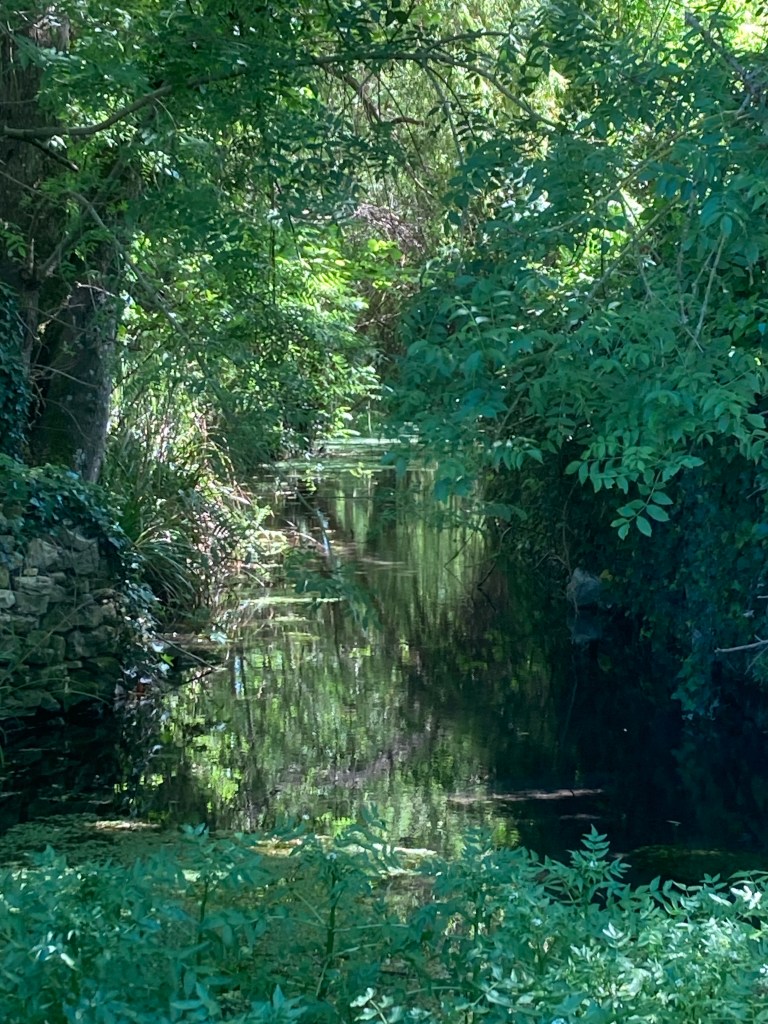
I took this photo while out strolling round the village. From one of the small bridges you can see the stream winding its way among the trees, creating an astonishingly beautiful, green scene.
When I looked at this photo at home I thought it looked like an Impressionist painting, but, really, no art quite achieves the beauty of Nature. We can re-present the world to ourselves and others but our lives are lived in a continuous flow of energies, materials, sensations, thoughts and feelings.
Every single one of these moments is unique and no two of us standing on the same bridge at the same time will have identical experiences. We are all influenced by, you could say created by, the cumulative flow of personal, subjective moments which we weave together to tell that singular, unique story that only we can tell.
These are moments of awe and wonder, and Nature has the power to generate these, most healing of all, experiences.
This stream, by the way, flows from “La Source”, which emerges from the subterranean waterways coursing through France. That, too, contributes to my experience of awe and wonder.
As I had lunch outside one day this week, I heard a loud birdsong and looked up to see this swallow perched on the tv aerial.
He’s been there every day since, singing his heart out, broadcasting his presence, celebrating his existence, telling everyone his one unique story.
I don’t speak swallow but from what I know about these birds there’s a good chance he’s been down in Africa all winter and has flown over the desert, across Morocco and the Straights of Gibraltar, up through Eastern Spain to finally come back to this garden, here, in the Charente Maritime, a garden he left last autumn.
I find this both delightful and astonishing. That this little creature can make its way thousands of miles to Africa and back to the exact same garden amazes me. Of course, I don’t know if this particular bird, singing today from my rooftop, is one of the ones which swooped over this garden last summer, but I believe a good percentage of these birds do exactly that, returning to the same place, so there’s every chance he’s been here before.
Nearby, at the same time, I hear the call of a Hoopoe, yet another bird to make this annual journey of migration.
These returning birds put me in touch with deep natural rhythms and remind me that the everyday really is full of moments of wonder and awe.
This weekend I’m in Stirling, Scotland, for a family gathering to celebrate the 90th birthday of my mother in law. It’s a brief visit, just for the weekend, but I, too, have migrated from one part of this planet to another. I, too, return, periodically to the place of my birth.
I’m not perched up on a tv aerial but I am here singing my own unique song, telling my particular story with these, my relatives, my children and all my grandchildren.
Some time last year, I don’t remember exactly when, while visiting family back in Scotland, I went to one of my most favourite places in the world … The Royal Botanic Gardens in Edinburgh. At one stage in my life, during my student years, I lived only a few minutes walk from “the Botanics”, and went there at least once a week. Occasionally I took along a book to sit and study in the quiet surrounded by trees and shrubs.
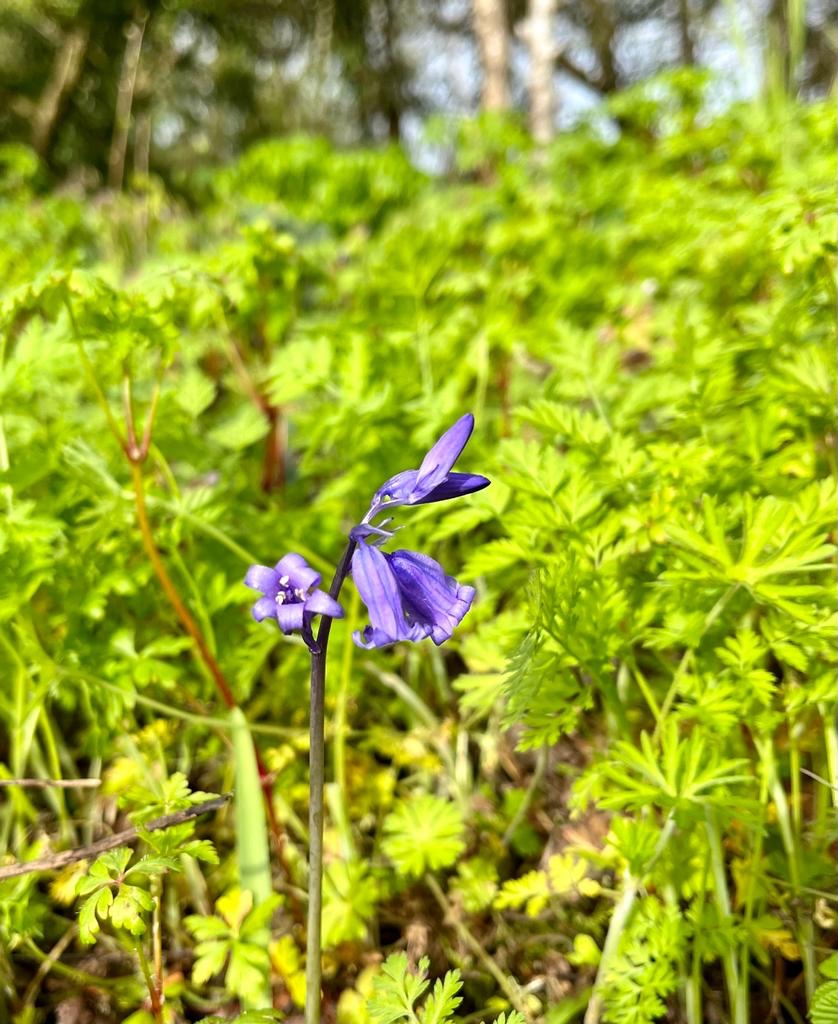
When I visited this time, we had a little browse of the shop at the entrance gate and I spied a little packet of about twenty bluebell bulbs. Well, I’ve always had a bit of a soft spot for bluebell woods and so I thought, I’ll plant these back in France and start my own bluebell wood.
Part of the long neglected garden which came with the house we bought here in the Charente Maritime just over a year ago was so wild it was a dense thicket of thorns, creepers and saplings. I made some inroads into it over the year, and when it came to bulb planting time I popped the little bluebell bulbs into an area at the edge of the trees.
Well, Spring came, and up came a flourish of daffodils and tulips, but no sign of any bluebells. I hadn’t been organised enough to put labels next to where I’d planted the bulbs and only had a rough idea of the area I’d planted them in. But, nope, no sign of a single one.
I’ve learned by now that gardening is a bit like that. You can prepare the ground, plant bulbs, sow seeds, put in some actual plants, but which will survive, which will thrive, and which will disappear? You don’t know. Nobody does.
Oh well, I thought, I’ll get some more next time and try again.
However, a couple of months on and, surprise, surprise, looks what’s popped up! Some bluebells! And they’re looking pretty healthy! What a delight!
Gardening teaches you to accept uncertainty and to learn that nature isn’t under your control, but with attention, care and patience, you can create an immediate, present environment to live in which will delight and surprise you.
Many years ago I was a GP in Edinburgh at the outset of AIDS. We didn’t know what it was at first, but it spread pretty quickly in Edinburgh. There weren’t any good treatments at first and I remember one particular patient who’d just received his diagnosis. I asked him what he wanted to do with the rest of his life (knowing we were talking months, probably not years) and one of the things he said was “I’m going to create a garden”. We talked about it for a while. There was a garden where he lived but he hadn’t touched it since moving in, and now, he said, he’d create a garden which was an expression of his preferences and values, and the people who he knew and loved would see it as a continuation of his existence after he had gone.
I’ve always remembered that conversation and I think lots of people have a similar idea. We have the opportunity to plant, encourage, care for and nurture, a small patch of this Earth, and often it can indeed become part of our legacy as well as our way of living the little life we have.
As I look at these first bluebells I think of “the Botanics”, the many memories from there. I think of Scotland and of woods and forests. Just a few little flowers reinforce my sense of a life lived, and give me a vision of a future which will stretch far beyond my single lifetime.
In the natural spring across the road from my house the water is crystal clear. During the summer drought the level dropped so it wasn’t pouring into the old Roman aqueduct for a while, but mostly it’s high enough to spill over the edge all the time.
There are plants which grow under the water in the pool. All year long. Sometimes they reach the surface and spread across it, but mostly they seem content to survive and thrive below. You can see them so clearly.
As I was contemplating this scene I thought of the old saying that fish are not aware of the medium they are swimming in. I must say I don’t know if that’s true. They may be acutely aware of it, able to detect all kinds of differences within it which we can’t see. Just because we can’t see it, doesn’t mean it’s either not there, or it’s irrelevant.
A big study of drinking water quality in France was reported this week and it showed that over half the samples, taken from all round the country, revealed traces of a dangerous fungicide, one which was banned a few years ago, showing us how long these chemical pollutants can hang around. In fact, several chemicals are called “forever chemicals” because they never seem to disappear. The study also revealed around 157 different pesticides in the water. Truly, we have dumped, and continue to dump, an awful lot of potentially harmful stuff into our water.
But then we do the same with the air, and with the soil.
How aware are we of these pollutants? Not very. We don’t look for them very much. How aware are we of the effects they might have in our health and the health of our loved ones? Not very. We don’t really know. Typically we know many of these chemicals are toxic when taken in large amounts but we are really not good at the lire joined up thinking kind of research – we find it harder to show cause and effect when substances are around in lower levels over longer periods, and we are very, very bad at discovering the effects of multiple substances present concurrently – the so called “cocktail effect”.
Maybe as technology and knowledge increase we’ll learn to solve those problems and demonstrate the real world effects of the complex chemical cocktails which are present in all our water, all our air, and all our soil.
Meanwhile, maybe it’s a good idea to try a bit harder to prevent all kinds of pollution in the first place. Like the water in the “source”, that seems clear to me.
If you’re familiar with some of the posts on my blog here, you’ll probably know that just across the road from where I live there’s a Roman Spring. In French, it’s called “la source”, and I’m pretty keen on that word.
I often go across and spend some time there. Last summer we had a long and pretty severe drought and the water stopped overflowing from the pool into the aqueduct, but after a particularly wet start to the year, it’s flowing abundantly again.
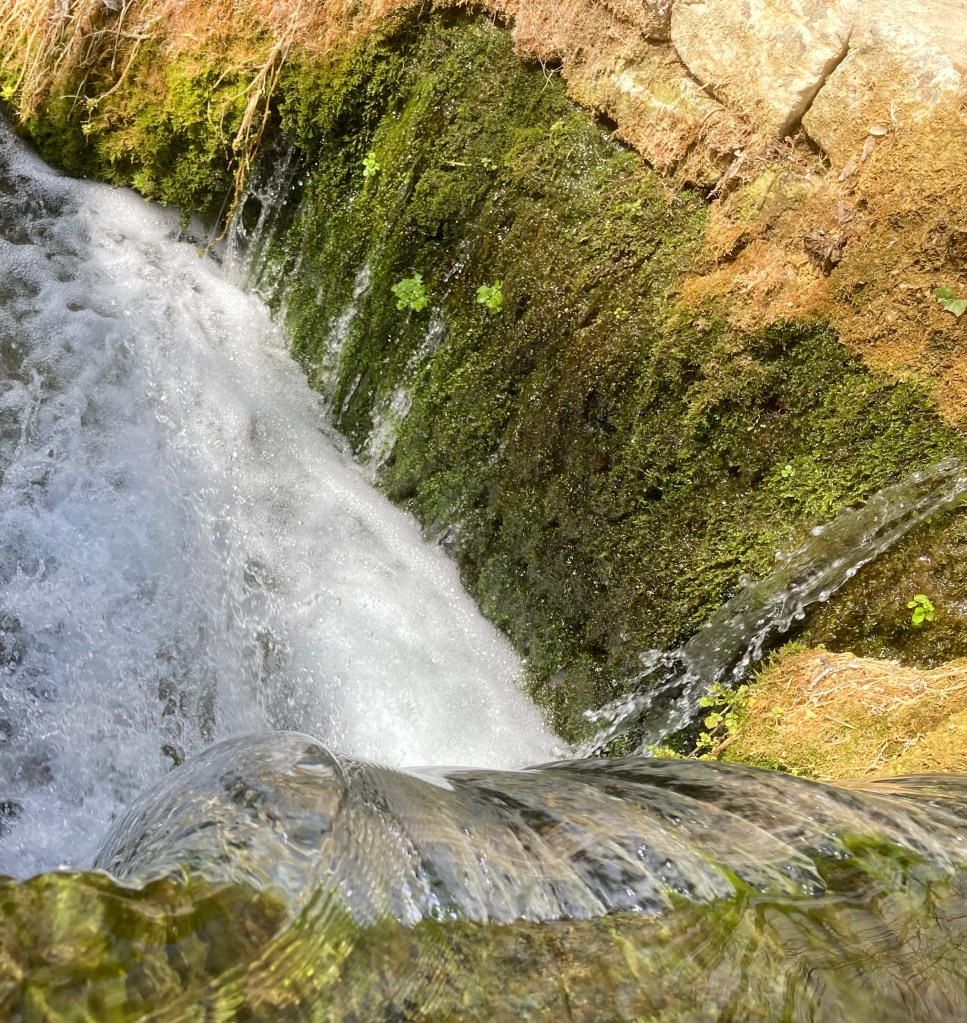
Look at this photo I took of the water as it pours over into the aqueduct. Look down at the bottom left of the image. I’m fascinated by the shape of the water there. As water pours over a ledge like this it often takes the shape of continuous sheet, so it looks a bit like a textile, a piece of material. But in this instance that sheet has curled up at the edge so you can see the water rise up from the ground, curve round, then dive back down to disappear over the stone.
In fact, if you look closely you’ll see parallel lines, or ridges, in that curl.
Isn’t this just amazing? How these millions of water molecules flow together to create temporary, but quite elaborate, shapes, appearing almost like objects you could reach out to, and gather up.
I can’t help but think of how much a delusion it is to see reality as a construction built from separate fixed objects. How reality is in fact a constant flow of interacting forces which give the appearance of stuff which can be grasped, held, and stored.
Nothing is permanent. Nothing is separate. Nothing is fixed.
And one more thing….what utter beauty emerges from the creative interactions of natural forces.
Look at this blossom! There are several trees around here which are absolutely laden with blossom. They won’t last long, but aren’t they glorious?
I know that cherry blossom holds a special place in the hearts of Japanese people, and at this time of year the TV and newspapers publish maps of the country tracking the appearance of the blossoms from the south to the north of the country. I’m not aware of any other country where that happens.
Like the Japanese I celebrate the blossoms for two reasons – their beauty, and their transience. The blossoms bring me great joy. They delight me and inspire me. They amaze me and bring me right down into the here and now to wonder at their glory.
They are fabulous for reminding us of the importance of savouring the day, of fully living in, and appreciating, the present moment. They are great for remembering just how special are living forms of all kinds, not least because they constantly change and grow, but because they are not here forever.
But there’s another lesson here – abundance. Nature loves to do abundance. Nature isn’t into meanness. It’s our system of economics and management which creates scarcity and pares everything back to bare essentials in the interest of something called “efficiency”….which isn’t efficient at all in terms of adaptation, resilience or growth.
I welcome constructive criticism and suggestions. I will not, however, tolerate abuse, rudeness or negativity, whether it is directed at me or other people. It has no place here. ANYONE making nasty comments will be banned.



 Heroes Not Zombies