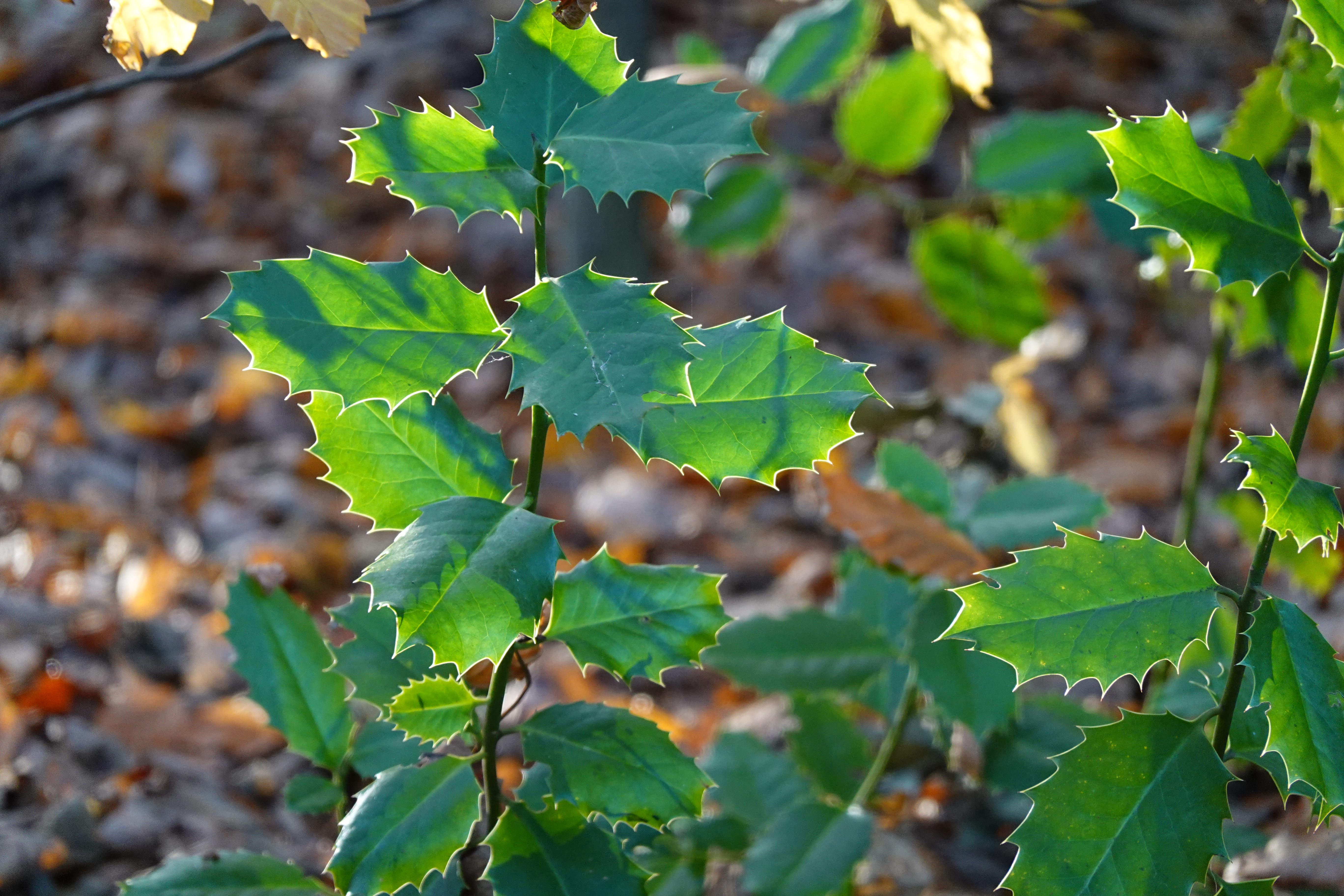
I’m not a botanist but I’m pretty sure that holly leaves have these jaggy edges for protection. I don’t think they are simply a decorative design feature. They are to dissuade animals from eating them. We living organisms have an incredible diversity of defence systems…..from spikes to poisons to….well, the list is huge. We humans also use a huge number of different defence strategies, both behaviourally and with our complex systems of immunity.
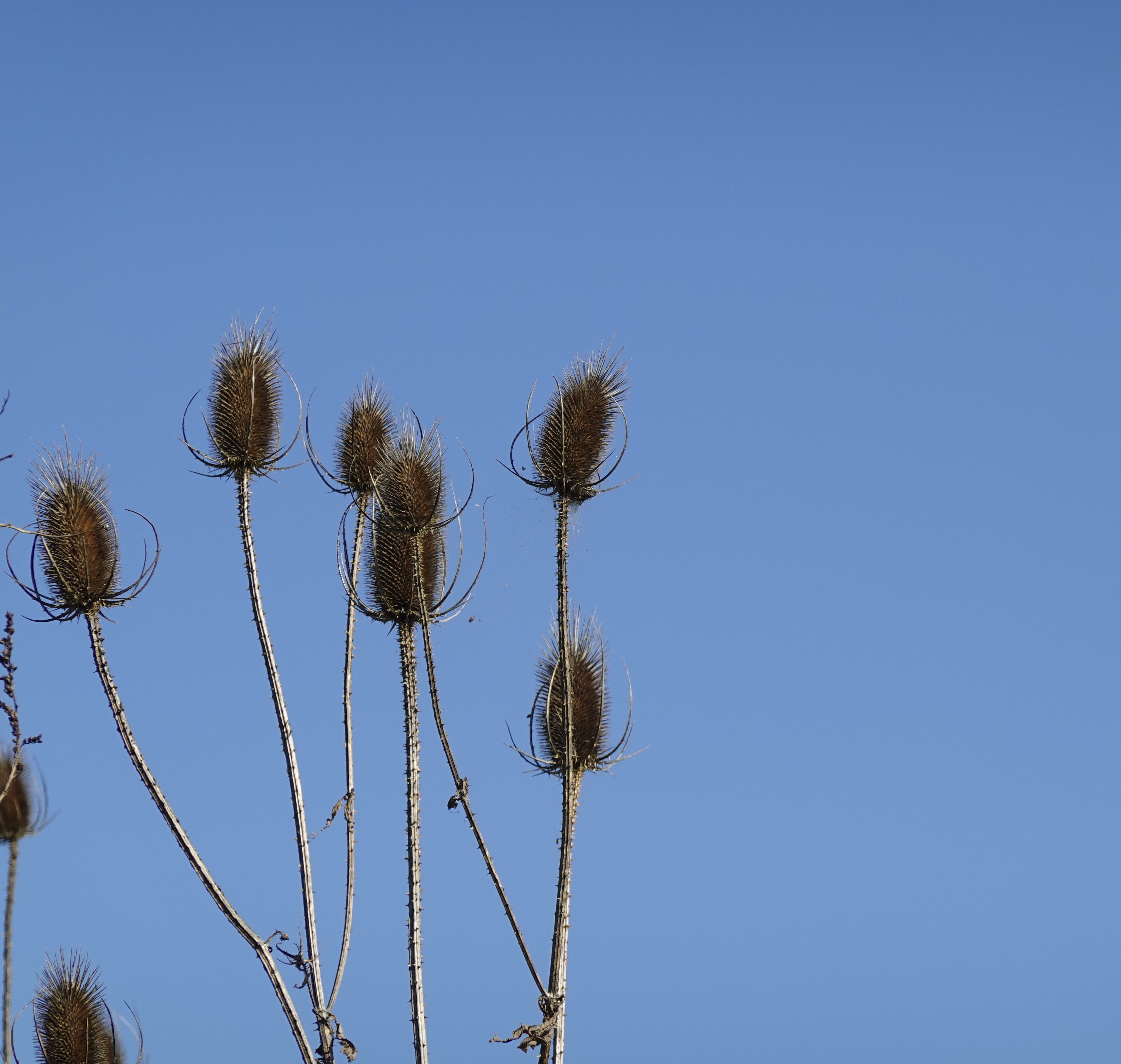
But not all spikes are for defence. Look at these seed heads with their elaborate spikes and hooks. These aren’t, as best I know, for defence, but to hook on to passing creatures, so that the seeds inside are carried by the others, allowing the plant to increase its chances of survival and propagation around the countryside. These systems of seed dispersal remind us that interactions between plants, animals and humans are normal. It’s not just we humans who need each other in order to thrive. All kinds of living creatures need others (sometimes other members of their own species, but often members of quite different ones) in order to survive and thrive.
Nature creates elaborate and complex webs and networks of relationships between living organisms. We call them ecosystems. The more diverse the ecosystem, the more it is resilient and able to adapt to changing conditions. Loss of species diversity is a huge risk to human beings. I’m not sure how aware we are of that fact.
We should be encouraging diversity, encouraging connections and relationships. We should be building physical, social and psychological ecosystems if we want to thrive.
Looking at these images today, on the last day of 2024, reminds me that for each of us to flourish in 2025, we need to pay attention to our relationships, and need to encourage difference between ourselves and others.

 Heroes Not Zombies