Feeds:
Posts
Comments

Posts Tagged ‘god’

Love, love, love

“Love is what and who we dedicate our time to”

Katy Hessel. How to Live an Artful Life

“Attention without feeling, I began to learn, is only a report. An openness — an empathy — was necessary if the attention was to matter.”

Mary Oliver

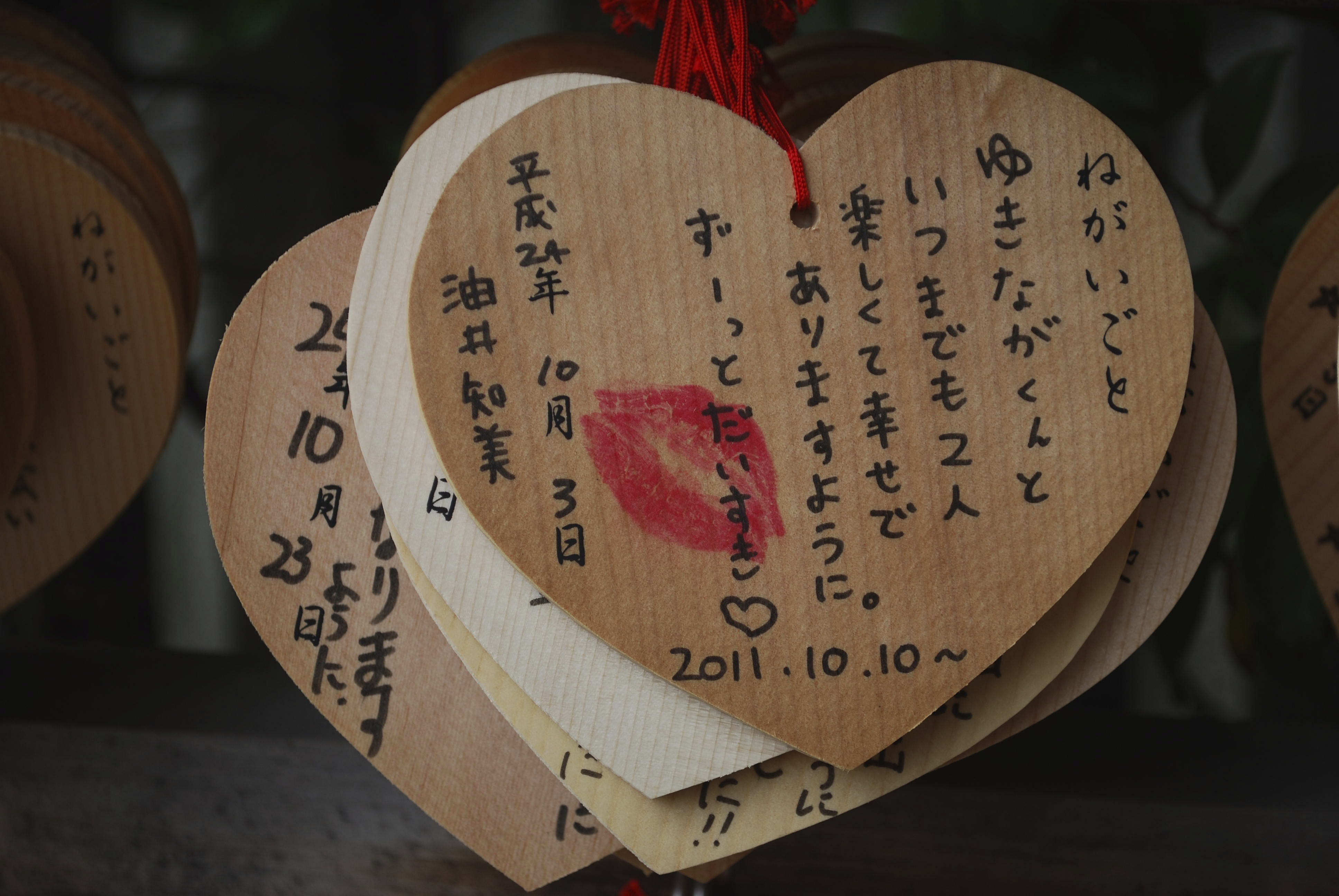
Another February, another moment to think about the importance of love. I don’t just mean romantic love, although that’s what we celebrate on the 14th, Valentine’s Day, named after Saint Valentine. I mean love as a way of life. The motherly love, almost all of us experience, which is characterised by unconditional care and attention. The brotherly love, which is the basis of any good society, loving not only your family, but also your neighbours, other people’s neighbours, human beings wherever they live, treating them with respect, care and attention. The love of Life, which underpins our attitude to the world, to all of Nature, ourselves included, to all forms of Life, without which none of this would exist, open to wonder, to the desire to know, to understand, to form strong caring bonds with all that is “not me”. Self love, based on self belief, taking time and making an effort to look after ourselves, to care for this astonishing, complex phenomenon of a body, of an embodied being. 

I can’t define love. I can’t even fully describe it. I can’t lay out its form, its nature or its character. But I know it. And you know it. Because love is an experience. It’s something we do, something we feel, something we live. It’s an attitude towards the world. It’s a way of paying attention. It requires, as Mary Oliver says, openness and empathy. 

We experience love with our hearts. Think of phrases like “heart to heart”, “heart felt”, “heart broken”. I remember Saint Exupery’s “It is only with the heart that one can see rightly; what is essential is invisible to the eye.” and “The most beautiful things in the world cannot be seen or touched, they are felt with the heart.”

What we pay attention to grows. What we pay loving attention to grows love. The way we live spreads the way we live. I guess that’s where the idea of karma comes from. Those ripples and waves we cause change the ocean in which we swim. If we live loving, then love spreads. If we live hating, then hatred spreads.

Nobody can make you love. You have to choose to love, pay attention to love, put your energy into love. 

I like this affirmation – “I choose to live a life of love, so that I, so that others, so that Life on this planet, can thrive.”

The old songs remains true, “What the world needs now is love, sweet love”, and “All we need is love” (well, maybe not “all” but it sure helps!) 
Read Full Post »

Rick Rubin refers to “the Source” when discussing the origin of ideas and inspirations. He writes that our creative ideas, the seeds of our acts of art, don’t come from inside us, which is what we unthinkingly believe, but, rather are “precious wisps [arising] from the unconscious like vapour, to condense and form a thought.”

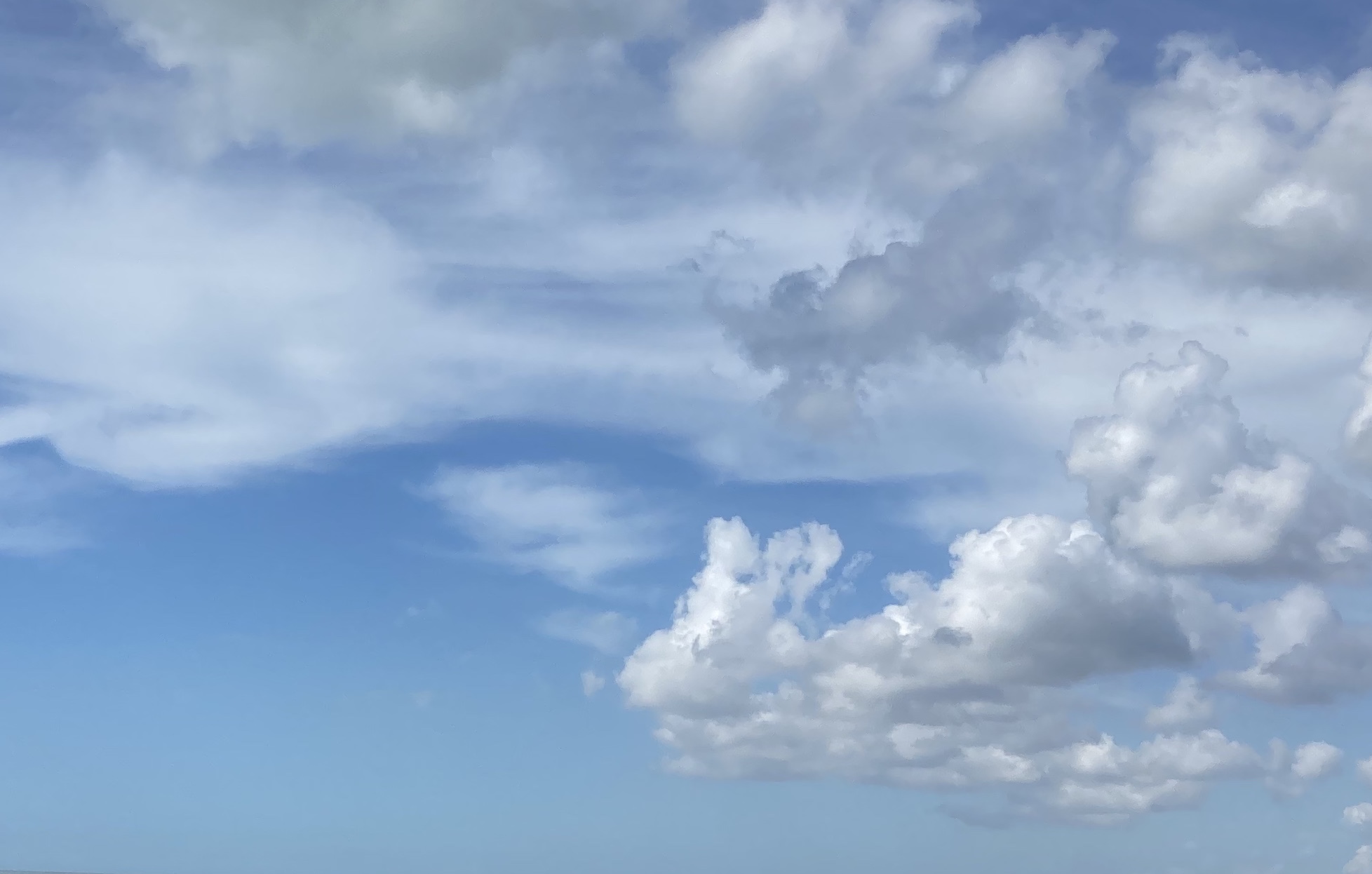
He uses the analogy of clouds.

“Clouds never truly disappear. They change form. They turn into rain and become part of the ocean, and then evaporate to return to being clouds. The same is true of art. Art is a circulation of energetic ideas. What makes them appear new is that they’re combining differently each time they come back. No two clouds are the same.

This whole concept has a foundation on the belief that the universe is benign, which reminds me of the much quoted idea about a friendly universe (attributed to Einstein)

If we decide that the Universe is an unfriendly place, then we will use our technology, our scientific discoveries and our natural resources to achieve safety and power by creating bigger walls to keep out the unfriendliness and bigger weapons to destroy all that is unfriendly and I believe that we are getting to a place where technology is powerful enough that we may either completely isolate or destroy ourselves as well in this process. If we decide that the Universe is neither friendly nor unfriendly and that God is essentially ‘playing dice with the universe’, then we are simply victims to the random toss of the dice and our lives have no real purpose or meaning.

“But if we decide that the Universe is a friendly place, then we will use our technology, our scientific discoveries and our natural resources to create tools and models for understanding the Universe. Because power and safety will come through understanding its workings and its motives.”

Using a slightly different form of language, Thomas Berry, in the final chapter of “The Great Work”, writes about “Moments of Grace” and tells the story of the evolution of the universe from this perspective, with each major “development” described as a “moment of grace” – the “Big Bang”, the formation of the fist stars, the creation of the planet Earth, the first forms of Life on the planet, the emergence of Human Beings, the first use of fire, the first gardens, the creation of writing and alphabets, and so on. Referring to each of these emergent steps in the history of we humans, situates us in a much “friendlier” universe.

Years and years ago I read a short article in Wired magazine which listed new words and their definitions. One of them was “pronoia” – defined as the delusion that others are conspiring behind our backs to help us out. That word popped up again recently when I was scrolling social media, defined now as a belief that the universe was “on our side”, helping us out.

The final writer who came to my mind as I read this idea of positive contributions from the universe, was Matthew Fox, who teaches “Creation Spirituality”. He claims the Catholic emphasis on “Original Sin” is all wrong, and makes a good case for replacing it with the idea of “Original Blessing”, pointing out that the creation story in Genesis is a very positive one, and that “original sin” isn’t described in the Bible at all (I don’t know if that’s true, my Bible knowledge isn’t that great, but he was a Catholic monk, so he should know!) I like his reframing though, and his “blessings” are very similar to Thomas Berry’s “moments of grace”.

It isn’t hard to find thinkers and authors who can help us to see the universe, not as meaningless, not as threatening and uncaring, but as vast phenomenon, which acts to support us in our survival and our creation.

Read Full Post »