If I want to understand someone I ask them about the most significant events in their lives…the traumas which left wounds, the bereavements, injuries, separations and losses, but also any event which made an impact on them. Anything which made a lasting impression.
As doctors we often focus exclusively on the traumas. On the events which have left wounds. How someone copes with a death, with an injury or a loss, shapes the person they have become. But I think it’s as important to understand the, what we might term, positive events, too. The births of children, the first kiss, the achievements, and, pretty much anything which creates a feeling of awe. Because those experiences of awe, and how we respond to them, also shape the person we have become.
Dacher Keltner, in his book, simply titled, “Awe”, and subtitled, “The Transformative Power of Everyday Wonder”, explores this latter phenomenon in detail. He describes eight types of awe, as described in the narratives of over two thousand people from around the world. The top one is “moral beauty” which we encounter when we witness an “exceptional virtue, character or ability” in someone. This is something I experienced frequently when listening to my patients. Time and time again I was in awe of someone who was telling me what had happened in their life and how they had coped. The second is “collective effervescence” which I’ve experienced frequently at concerts, or when witnessing a sports spectacle. It’s that feeling we get when we feel connected to what is more than ourselves, and which we share with others. I expect “Swifties” get this a lot! The third is “nature”, and that’s my source of daily wonder. I am constantly amazed, and in awe of, the plants, trees, birds, butterflies, hummingbird moths, bats and so on, which I encounter every day. The fourth is “music” and this is also an everyday source for me. I listen to music every day. I listen a lot, and I share my greatest pleasures with four old school friends who were all part of the same “record club” when we were younger. Fifth is “visual design” which includes architecture, sculpture and painting. Sixth is “stories of spiritual or religious awe” (honestly, that’s not my most common one!), and seventh is “stories of life and death”, again, one I experienced most, and most deeply, as a working doctor. Finally, is “epiphanies”, those sudden profound, and life changing insights. I find these in science, in art, in philosophy, as well as in other people’s stories.
How about you? What kinds of awe have you experienced? How do you think those experiences have contributed to you becoming the person you are today?

 Heroes Not Zombies
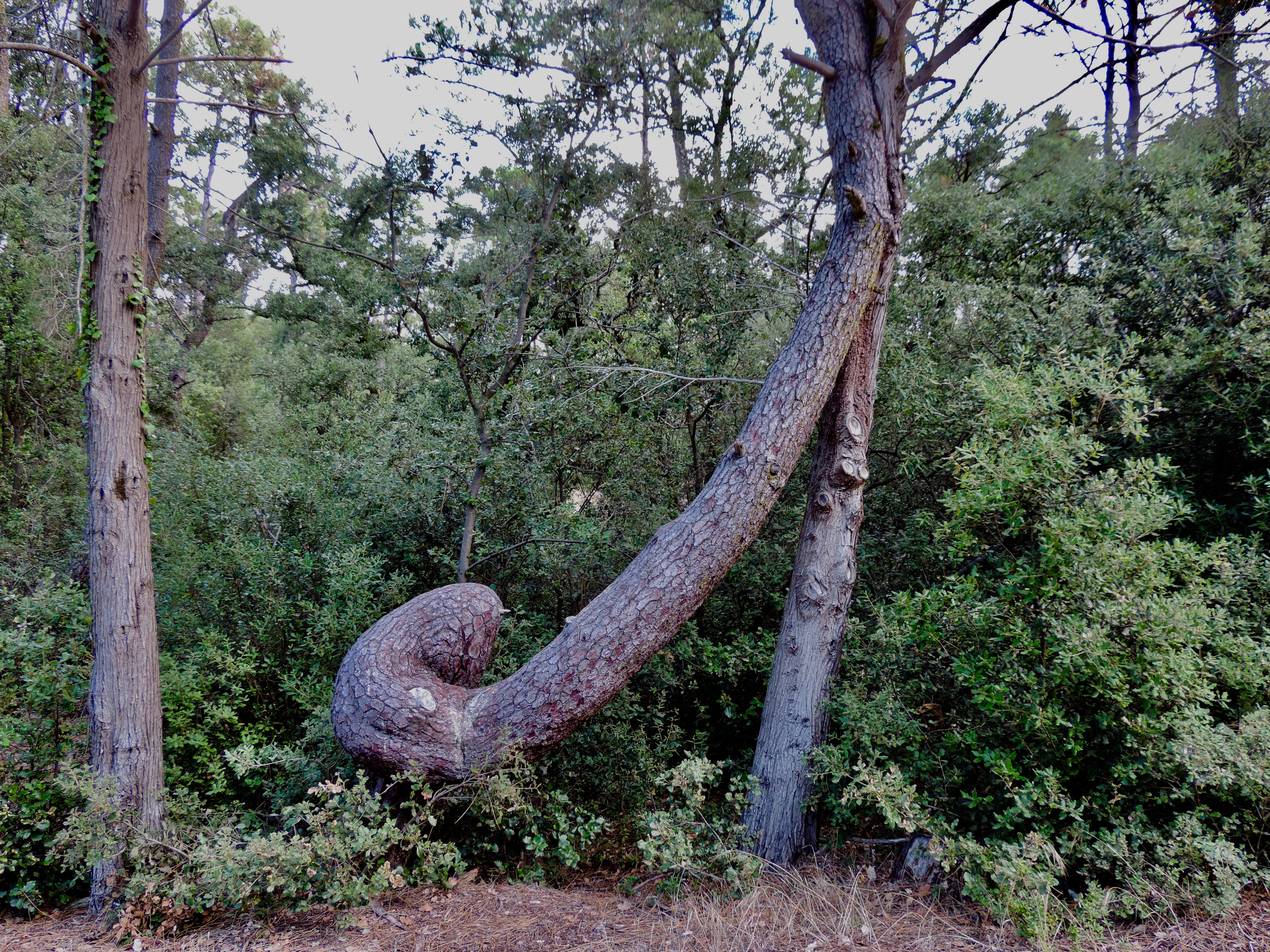
Fascinating post, Bob, accompanied by yet another fabulous photo. The thing that strikes me is that lots of these categories of awe are interchangeable and overlapping. Nos 2 and 4 often overlap for me, especially when taking part in a choral and orchestral concert – the awe inspiring music, and the fact that I’m part of a huge crowd of people working together to produce it. And as for No 6 – the spiritual/religious one – that for me is inextricably linked with Nos 2, 4 and 5 – being in a beautiful place such as Iona Abbey, hearing and participating in the liturgy and music, and sharing these with scores of other people. Or one dark winter’s night many years ago, in a village in Jordan, snow on the ground and gathering darkness, and hearing the incredibly musical Muslim call to prayer coming from several nearby mosques. Not quite sure how these things have contributed to the kind of person I am, but definitely experiences for which I’m thankful.
Oh, it’s the same with all categorisation, Martin. Life doesn’t fit into boxes! But the other thing is an experience you can connect to several of these categories is often a really significant one.
My point really is that we should reflect on, and pay attention to, our positive experiences. They really do form the basis of a good life (in my opinion)
Insightful as ever Bob , thanks for sharing . Really interesting way of positively reframing experience. I think I have variously used this viewpoint with patients without expressly understanding the framework. Another book to add to the never ending list you have recommended!