Feeds:
Posts
Comments

Archive for the ‘from the dark room’ Category

Corn appearing

I’m always fascinated by seeds, fruits and nuts.

Look at this corn I saw in a field the other day. It is literally bursting with potential!

What does the future hold for these little kernels? Are they going to be eaten? If so, by whom, or by what? Are they going to be “processed” for their oil? Will they be planted out or find their own way to soil and grow into corn plants themselves? If they are planted out, will they make it to fully mature plants?

So much uncertainty!

Too much uncertainty is hard to bear, but the reality of all living creatures is that the future EMERGES out of the present. We can’t predict it, so what do we do?

  1. Focus on living today
  2. Get in touch with the immense potential which lies within each of us
  3. Imagine. Practice our creativity….let it run free
  4. Live consciously….mindfully….with awareness
  5. Slow down, and savour each moment as we live it
  6. Be amazed by the wonder of today
  7. Practice flexibility and resilience (to be better able to respond to the unpredictable future when it becomes the surprising present)
  8. Fully own and share our uniqueness
  9. ……………………………………………………..(add your ideas here)

Read Full Post »

Diving for silver?

In the A to Z of Becoming, part 2, J is for Jump!

I bet you wish that life just flowed like a free flowing river, continuous, unbroken and mostly calm.

But the universe isn’t like that. Change is continuous but it occurs in jumps.

At the subatomic level this is described by quantum physics – the quantum is the jump.

At the evolutionary level we see it as a series of leaps, not a smooth transition.

If you’ve ever watched a small child develop you’ll know they do it in leaps. One day they can’t stand by themselves. Then they can. One day they can’t walk. Then they can. One day they can’t say any words. Then they can. Some changes stutter a bit, so toilet training might not be so complete from one to the next, but soon it is.

Our lives are like that. To embrace change, we have to leap. We can do our best to plan, to try to see ahead, but, ultimately we can’t see the future and we have to decide. We have to jump. It’s often scary. It’s sometimes way to scary to make the jump, but that will never be the end of it, we will soon find we’re asked again to jump.

So, are you ready to embrace the way the universe works, and jump?

Read Full Post »

Tranquille

Saturday afternoon…..a stroll along the banks of the Charente.

Read Full Post »

image

That’s the statement I came across in an interview with a “new realist” philosopher the other day. I’m not going to get into what on earth is “new realist” here just now but when he was asked if science (or more precisely Physics) had proven that the universe had no purpose, that it made no sense?

Well that’s a claim we often hear from people who claim the only reality is physical, the universe is random, and evolution isn’t “going anywhere”. This isn’t a world view I’m attracted to.

My understanding is that human beings exist, and that we all have consciousness and subjective experience. Values are important to us. For example, you can look at that photo above and describe it according to its botanical classification. I look at it and see a beautiful image. It’s the beauty of the image which strikes me.

This philosopher said that science is the study of objects, whereas for human beings it was often something not at all like an object which brought meaning to life. The example he gave was democracy. He said what colour was democracy? What were its dimensions? Science has no answer to these questions. Because democracy is not an object, it’s something which gives lives meaning.

I don’t know about you but that certainly gets me thinking. What about the “sciences” which don’t deal with objects? Like economics, or psychology, or “social sciences”?

Then I got to thinking about health and how, as a doctor, I needed to understand the body in a scientific way. I needed to know what to measure when, and what to do with the results. But I also needed to understand the lived experience of a person. When they talked to me about pain, about an itch, about nausea or dizziness, they were not talking about objects which could be measured. And what about the narrative…..how a person experienced and made sense of their illness?

So, there is something helpful in this idea of science being the study of objects. It helps us see the relevance of science and the absurdity of scientism (which claims ultimate and absolute authority for the “truth” as revealed by science.

Objects are an important part of reality, but they sure aren’t everything that exists!


Read Full Post »

Art is such a characteristically human activity. What would the world be like without art? What would the world be like if we only had science and judged everything only by its utility?

These beautiful works of art, so contextually sensitive and clever, change the lived environment of Angoulême.

Angoulême

Moon and plane

The newborn ange d'Angoulême

L'hotel sur l'hotel

Read Full Post »

image

I’ve taken lots of photos of sunsets, but last night decided to take a photo just AFTER sunset……day becoming night, so to speak

Read Full Post »

image

I’ve taken lots of photos of sunsets, but last night decided to take a photo just AFTER sunset……day becoming night, so to speak

Read Full Post »

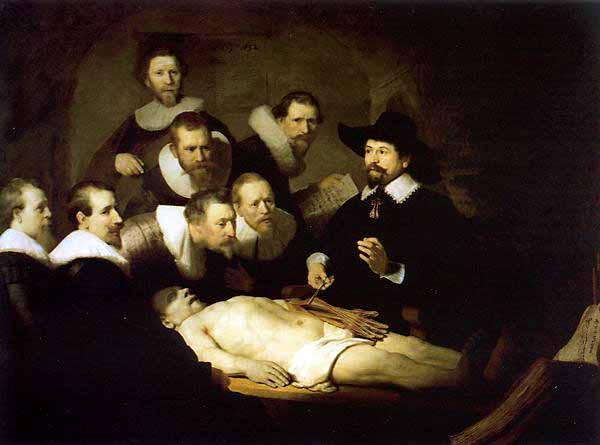
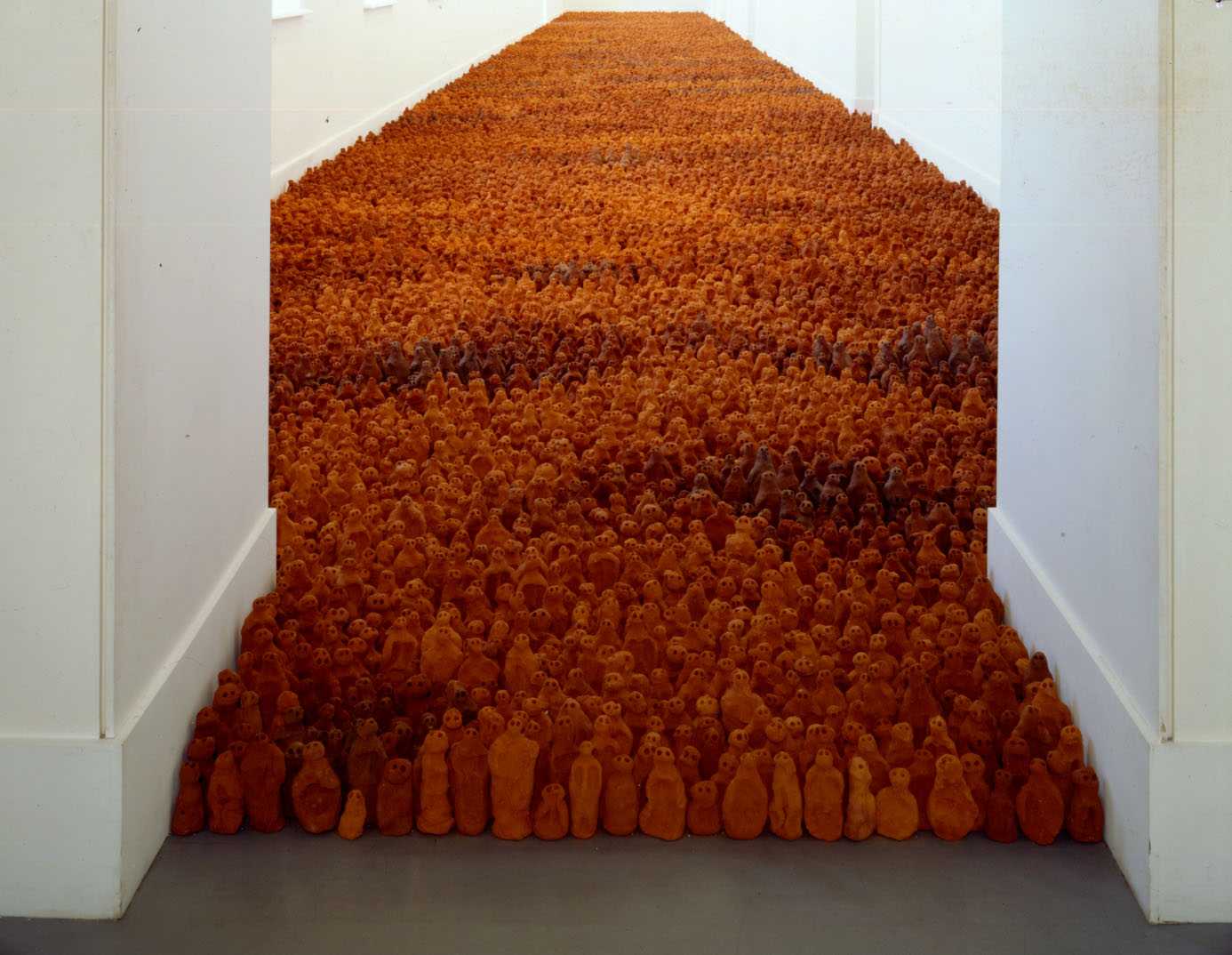
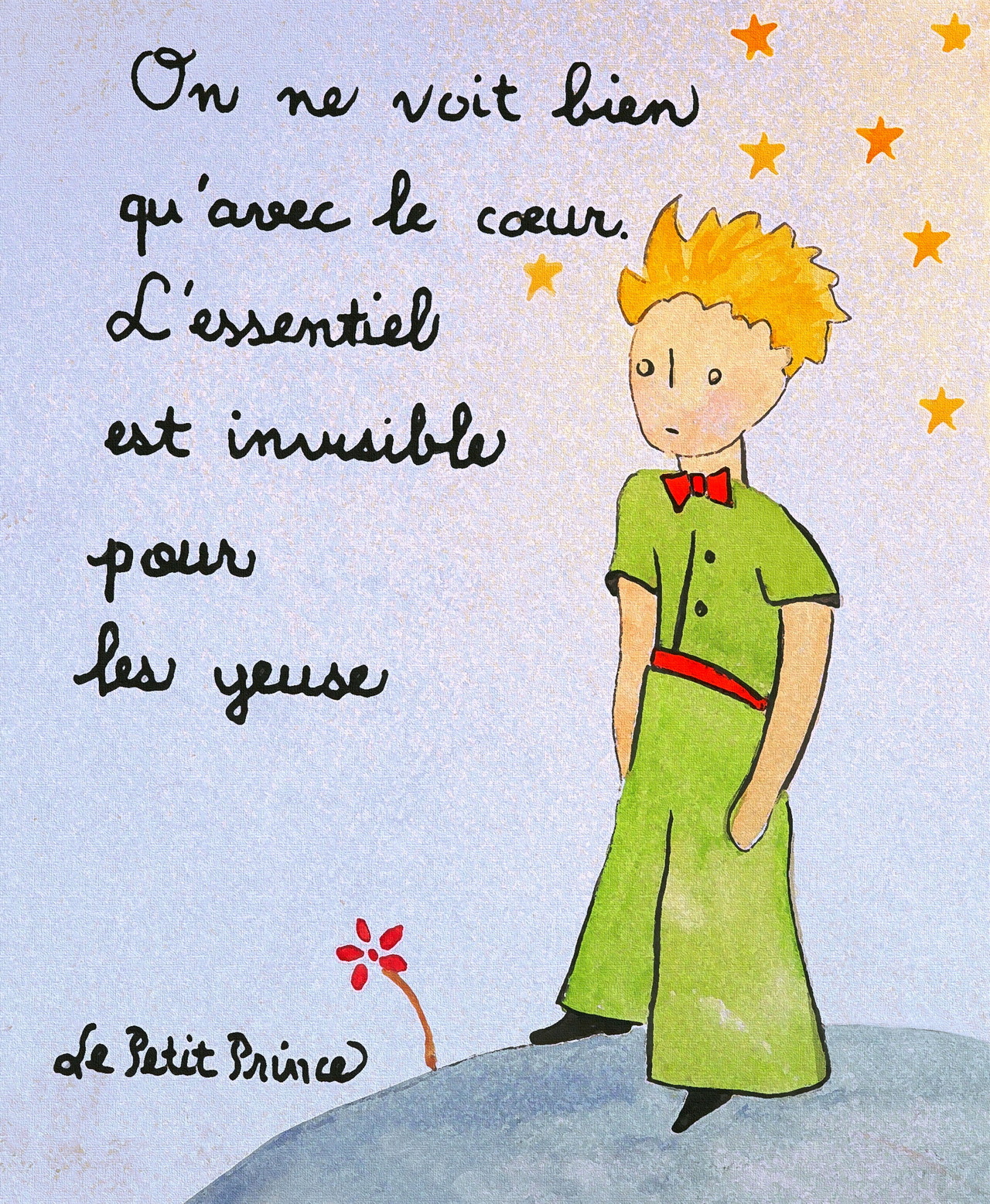
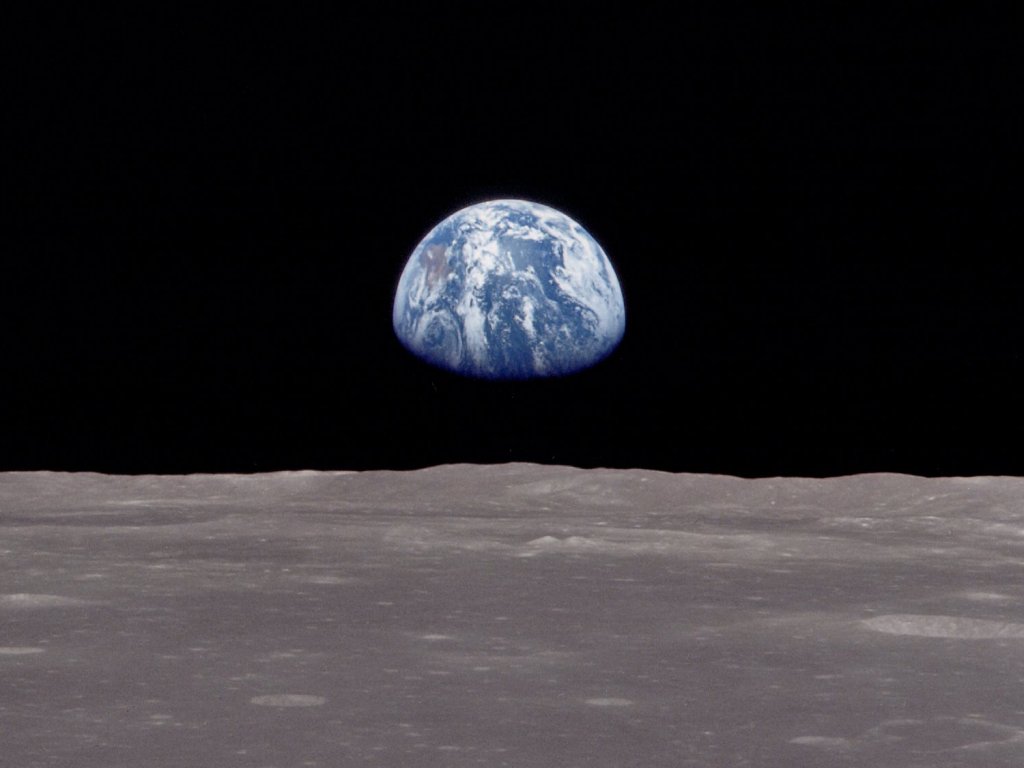
Inspire – one of my most favourite verbs.

In this week’s A to Z of Becoming, the letter “I” stands for the verb “inspire”.

So, here’s what I’m interested to explore (and maybe you’ll be inspired too!)

Who inspires you?

Make a list. Who do you know who inspires you? Which characters from history inspire you? ( a variation of that which I’ve read is to imagine having a dinner party, who would you choose to invite….given that you could invite anyone who’s ever been alive). Which fictional characters inspire you?

Once you’ve made this list, maybe you could spend some time with some of these people – that is, arrange to meet, or read a biography, watch a movie about them, read the book where the fictional character appears……..

What inspires you?

A particular work of art, a poem, a song, or other music, a particular place, a certain movie, play or novel? (Maybe some of my blog posts??) Make another list.

Again, once you have this list, expose yourself to these inspirations – go see that painting, listen to that music, watch that movie, spend some time in that particular place.

Here are a couple of more ways in which you can engage with this “inspire” verb this week…..

Describe in what you are inspired by the people and things on your lists. Are you inspired to take particular actions? Are you inspired to create…..to paint, write, compose, sing….? Are you inspired to change something in your life? Just describe how you are inspired in a way which helps you to decide to actually do something!

Finally, how might you inspire others? What could you do this week that someone else might be inspired by?

[here’s some of the things which inspire me……]

rembrandt_anatomy_lesson_dr_tulp

Field_jw

invisible

IMG_0534

IM short intro .005

DSCN0872

DSC_0051


my new motto


Read Full Post »

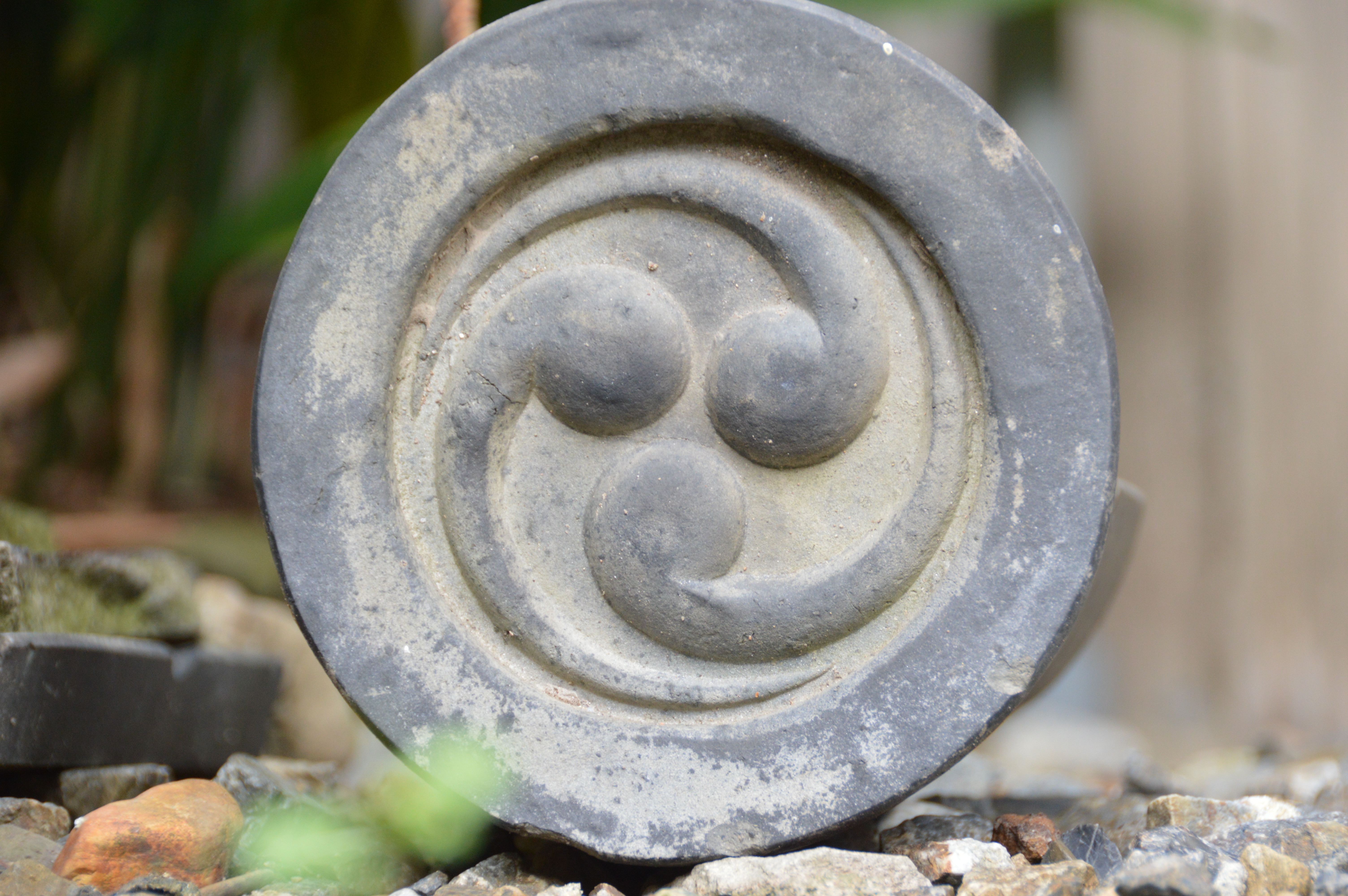
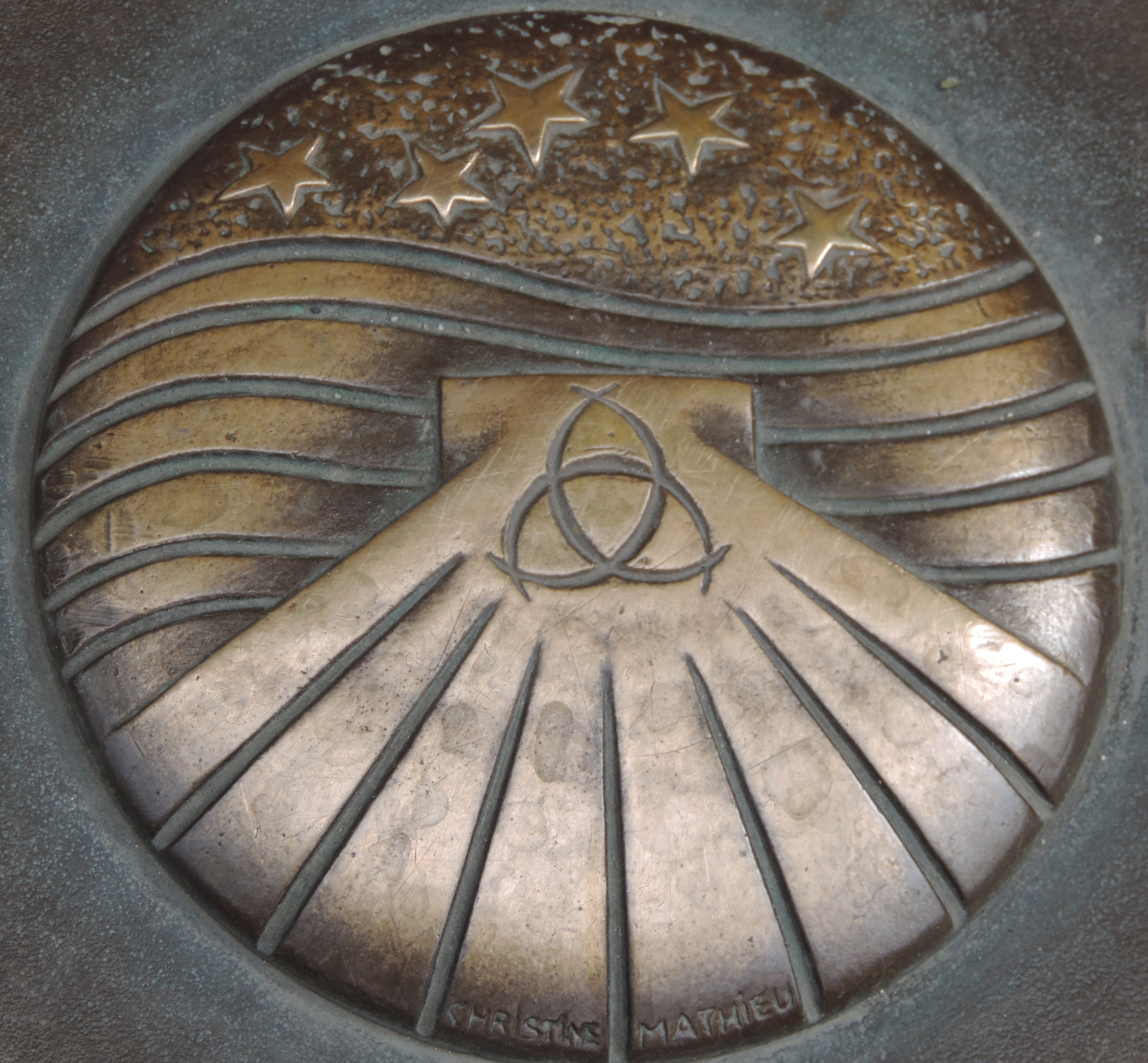
I love symbols, and am always drawn to explore the symbolic meaning of a drawing, or other communication. They have such deep, and rich power.

Here’s one I found recently on the Cathedrale Saint-André Primatiale d’Aquitaine.

DSCN1983

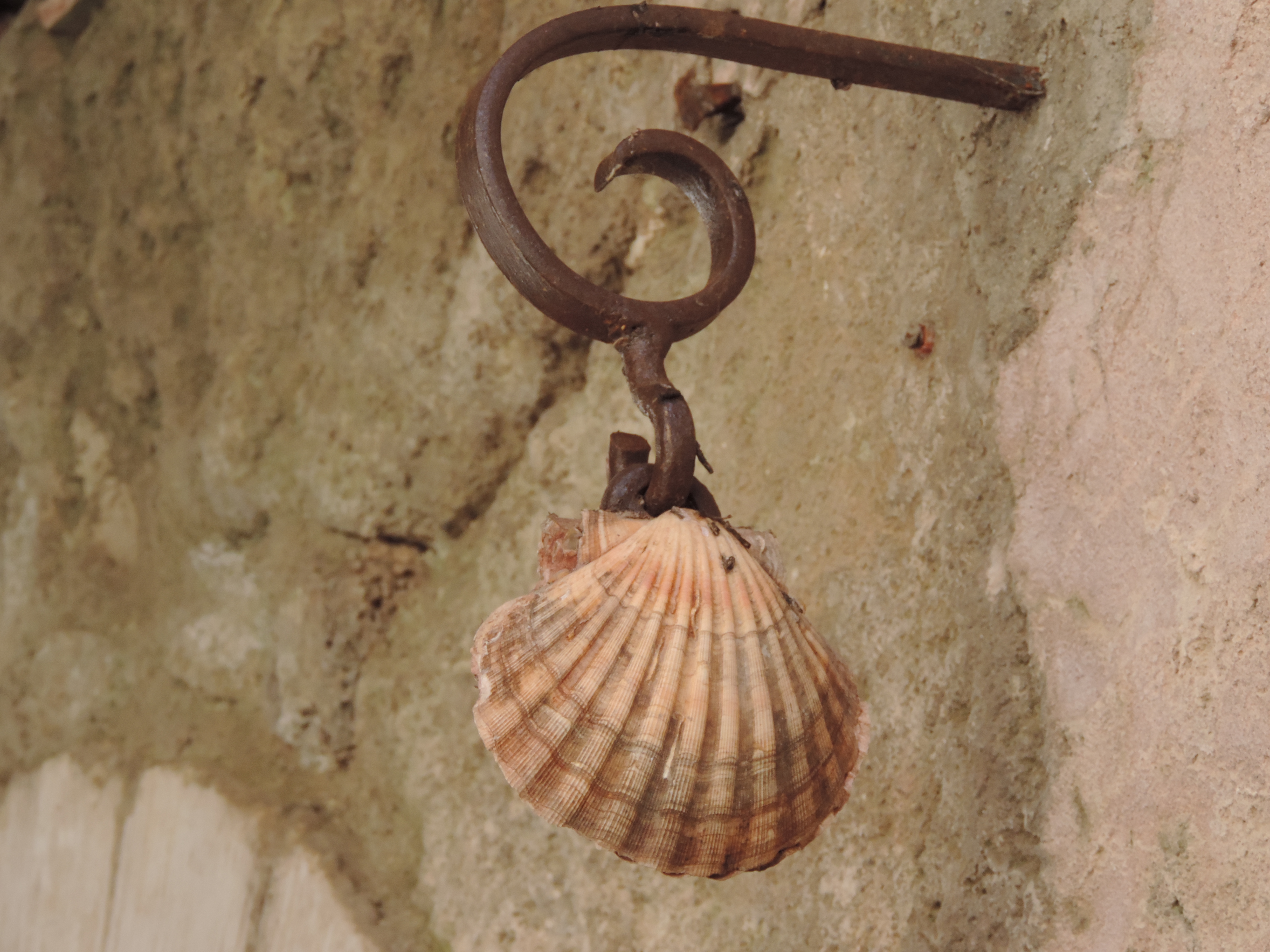
I suspect this might be quite modern, but I love it all the same…..see the scallop shell from the Compostella Pilgrims’ Way

DSCN1100

…..a very modern version of a triskele (body/mind/spirit? or earth/sky/heaven?)

DSCN1091

……the waves of the sea, and the stars in the sky to guide you.


Read Full Post »

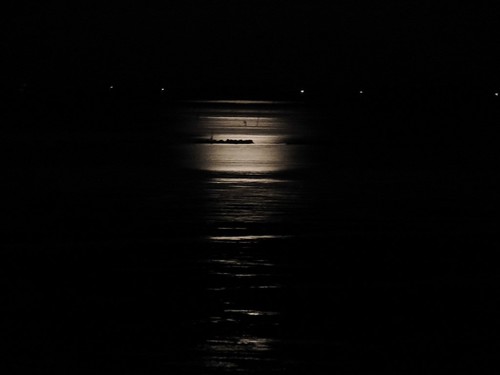
Moonlight on water

I was struck today by this paragraph about Romanticism in Iain McGilchrist’s Master and His Emissary –

Romanticism in fact demonstrates, in a multitude of ways, its affinity for everything we know from the neuropsychological literature about the workings of the right hemisphere. This can be seen in its preferences for the individual over the general, for what is unique over what is typical, for apprehension of the ‘thisness’ of things – their particular way of being as ultima realitas entis, the final form of the thing exactly as it, and only it, is, or can be – over the emphasis on the ‘whatness’ of things; in its appreciation of the whole, as something different from the aggregate of the parts into which the left hemisphere analyses it in self-conscious awareness; in its preference for metaphor over simile, and for what is indirectly expressed over the literal; in its emphasis on the body and the senses; in its emphasis on the personal rather than the impersonal; in its passion for whatever is seen to be living; and its perception of the relation between what Wordsworth called ‘the life of the mind’ and the realm of the divine; in its accent on involvement rather than disinterested impartiality; in its preference for the betweenness which is felt across a three-dimensional world, rather than for a seeing what is distant as alien, lying in another plane; in its affinity for melancholy and sadness, rather than for optimism and cheerfulness; and in its attraction to whatever is provisional, uncertain, changing, evolving, partly hidden, obscure, dark, implicit and essentially unknowable in preference to what is final, certain, fixed, evolved, evident, clear, light and known.

Well, well….for those of you who are already familiar with Iain McGilchrist’s hypothesis about the differences between the left hemisphere and right hemisphere ways of approaching the world, I’m sure you’ll agree this is a terrific, comprehensive summary. He, of course, is at pains to point out, time and again, that he is not saying that the left approach is bad and the right is good, or vice versa…….that we need BOTH, and that we need to integrate the functions of the two hemispheres, not allow the left to dominate the right.

But take your time, and read through that paragraph carefully. He is highlighting what is consistent in the values of Romanticism with the tendencies, or preferences of the right hemisphere of the brain. 

I enjoy what the left hemisphere does for me, but I resonate SO strongly with ALL of these “right hemispheric” qualities he describes so beautifully in this paragraph. It captures my fascination for the personal, the particular, the transient, for “becoming not being…..”

Read Full Post »

« Newer Posts - Older Posts »