One March day I drove to Callendar, just north of Stirling. One of the old ways of describing Stirling was “the gateway to the Highlands” because Stirling Bridge was one of the few crossing points over the River Forth. North of Stirling, the Highlands began, and to the south, the Lowlands.
Certainly by the time you reach Callendar the landscape changes dramatically, lochs, mountains and glens everywhere.
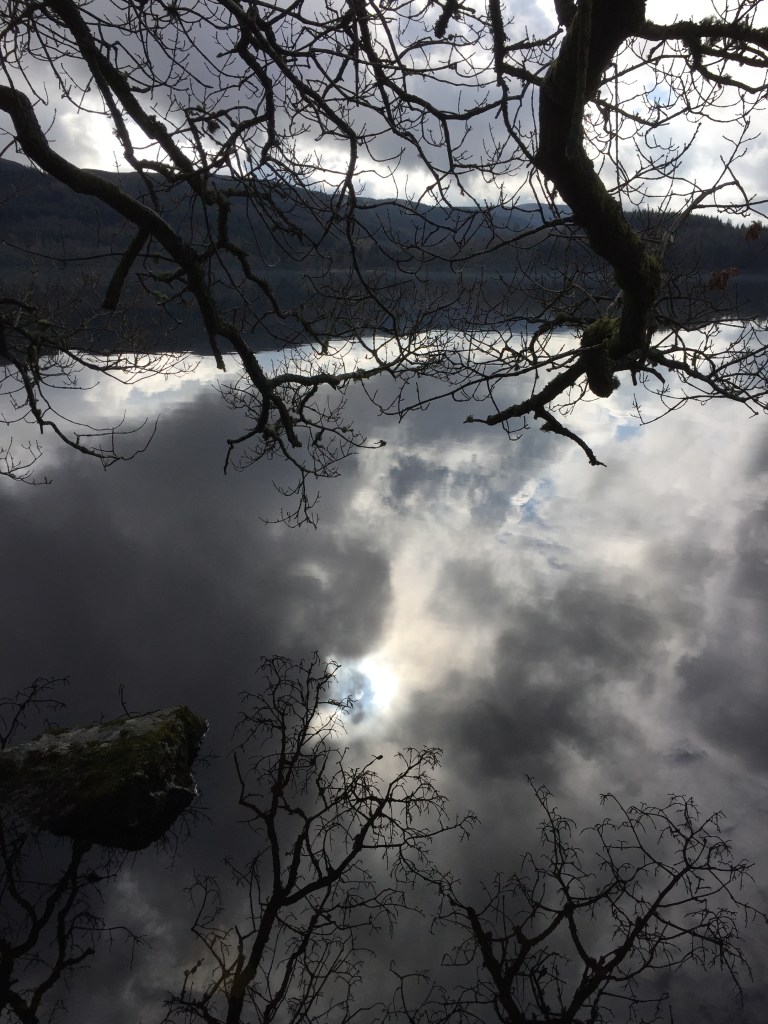
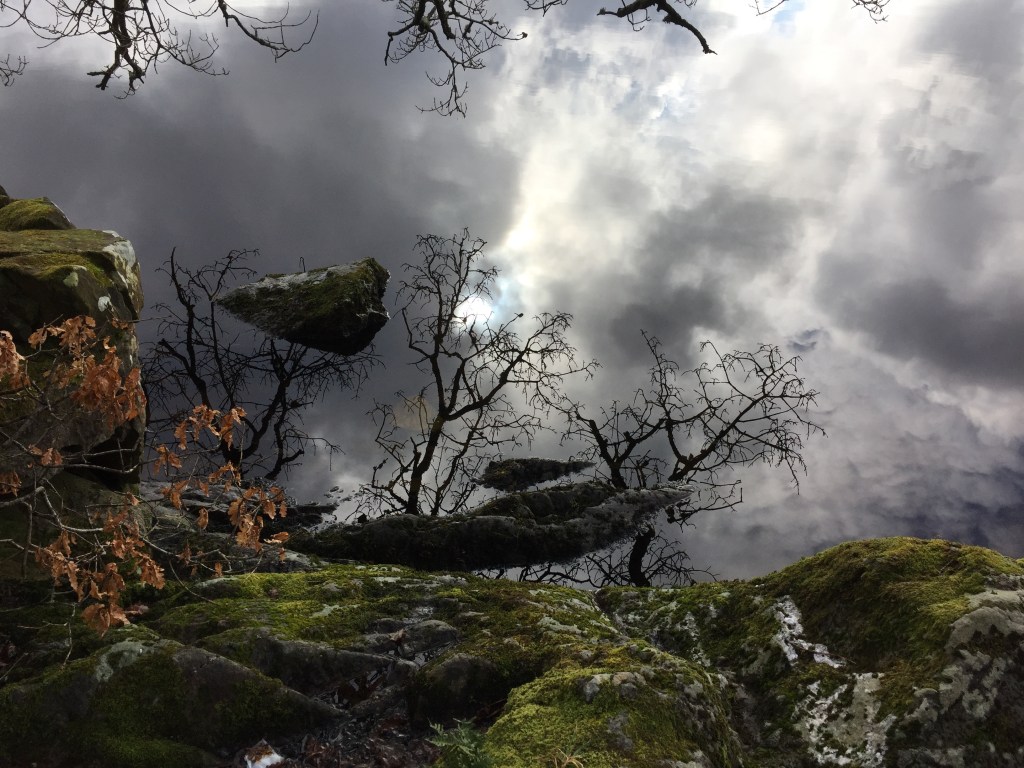
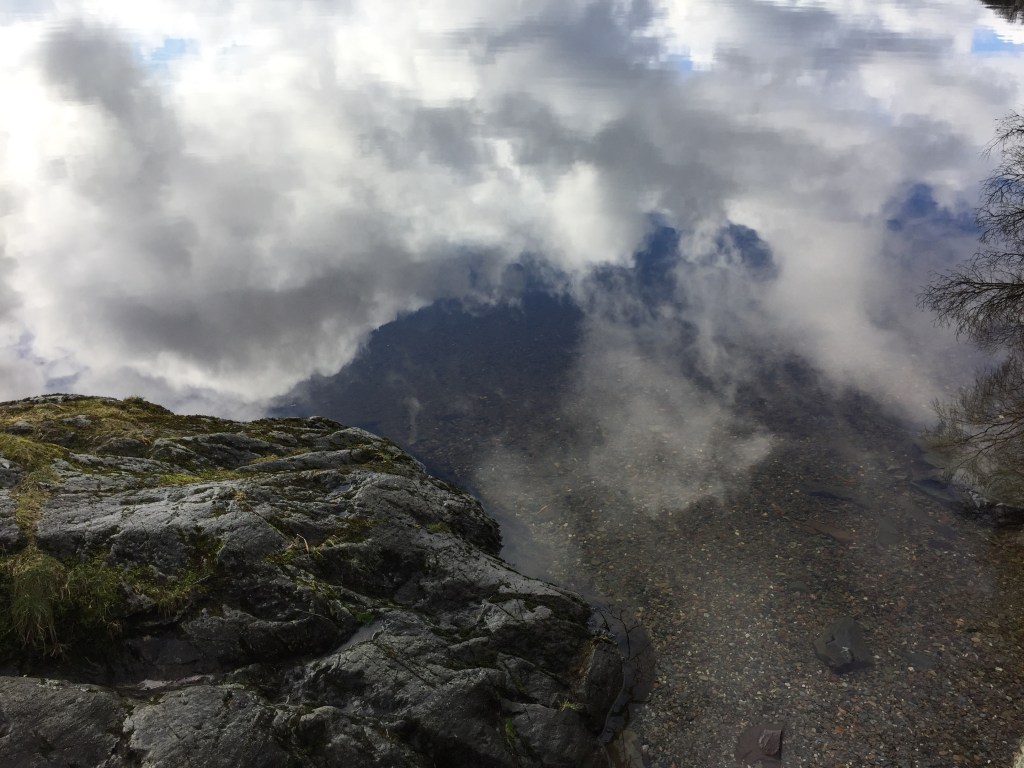
This one particular day it was very still so the surface of the loch I stopped next to was just like a mirror. I took a number of photos that day and I return to them frequently. They are both mesmerising and calming.
Such clear reflections challenge us to look more carefully, to take the time to figure out what we are looking at. And that’s a lesson I take with me wherever I am.
So why not pause now and reflect, allow yourself to slow down, raise your conscious awareness and see more clearly just what beauty and wonder there is around you today.
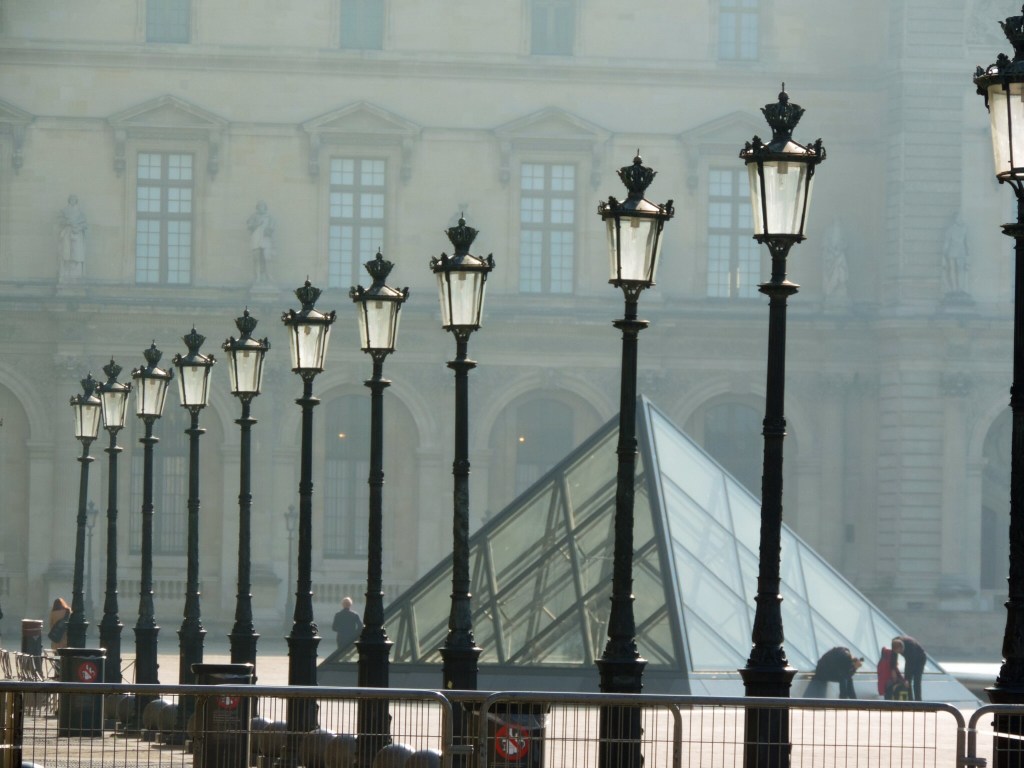
Look, I know I stress the importance of things like uniqueness, difference and diversity, but today I want to share the beauty of repetition.
There is a comfort in the familiar. There’s an ease in routine. We are creatures of habit. And there is a beauty in repetition and symmetry.
I delight in all of that, so isn’t this another of the essential paradoxes of Life? I’ve often written here about the importance of separateness and belonging, of our need to be different and our need to share what we have in common with others. So here’s another one – the beauty of difference and uniqueness and the beauty of sameness and repetition.
What holds these opposites together for me is awareness – becoming conscious of, embracing and engaging with our everyday encounters. Not choosing one “opposite” to the “other”, but appreciating both, relishing both, delighting in both.
My garden is full of birdsong. There are many small birds, robins (two of them!), blue tits, several species of small birds I don’t recognise, as well as some blackbirds and pigeons. I guess these are all the regular inhabitants here and now I’ve arrived we are checking each other out, making connections.
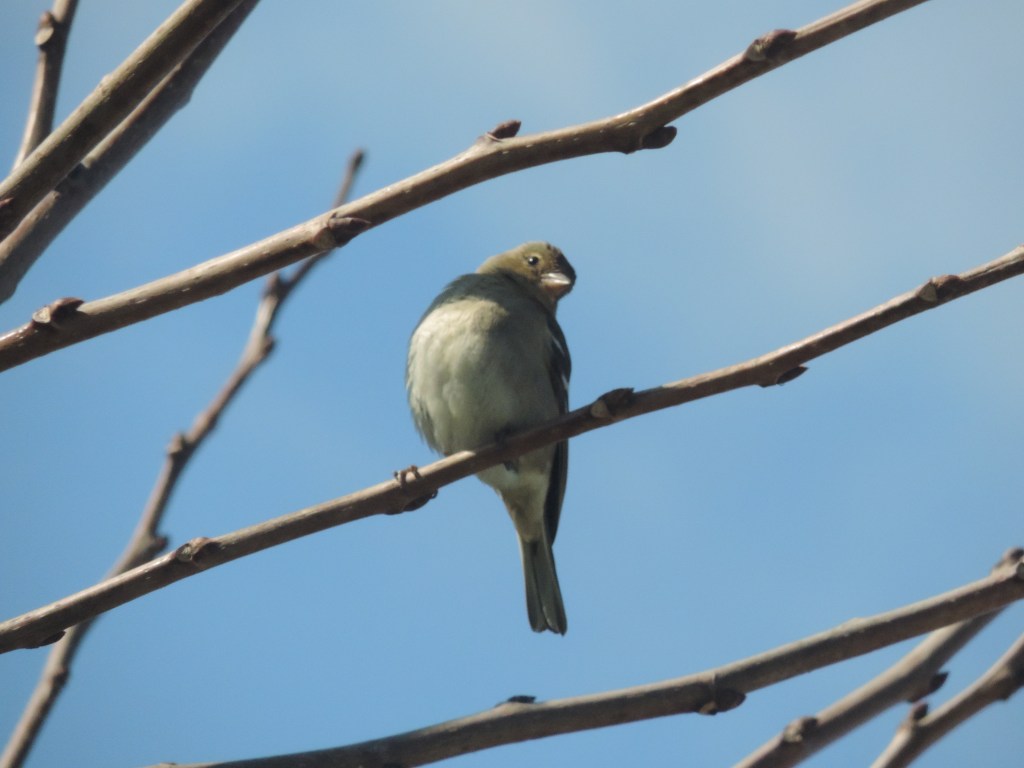
I frequently notice a bird just sitting on a branch looking at me. We eyeball each other and I feel the connection.
The robin pops down pretty close to wherever I’m working to check out what I’m up to, and hops around the wheelbarrow and bags of cuttings once I’m done.
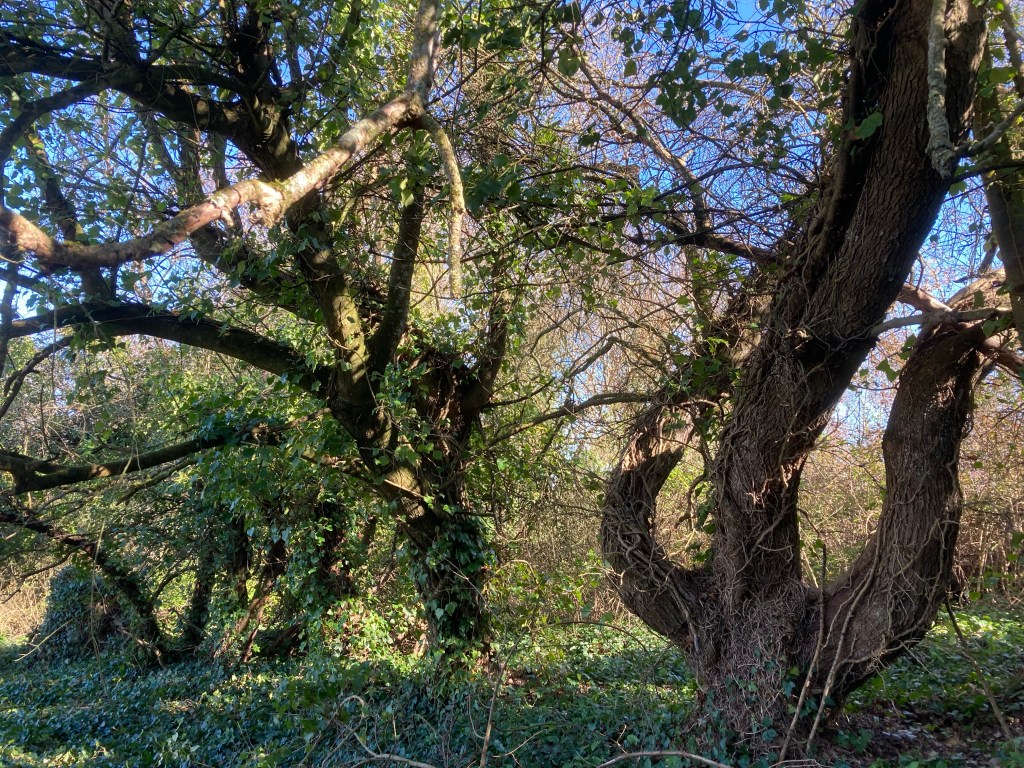
The garden here hasn’t been tended for many years and there are large areas of dense thickets of brambles, ivy, seedling trees and astonishingly vast “Old Man’s Beard” creepers with stems as thick as your wrist shooting straight up high into the tallest trees. As we clear them away the sunlight gets in between the trees lighting up the neglected hidden spaces. It feels like the trees are beginning to breathe more easily and the birds are finding new routes through the garden.
This phase of garden recovery is full of discovery, and fills the day with noticing and connecting…….noticing what is here and now, connecting to the present moment.
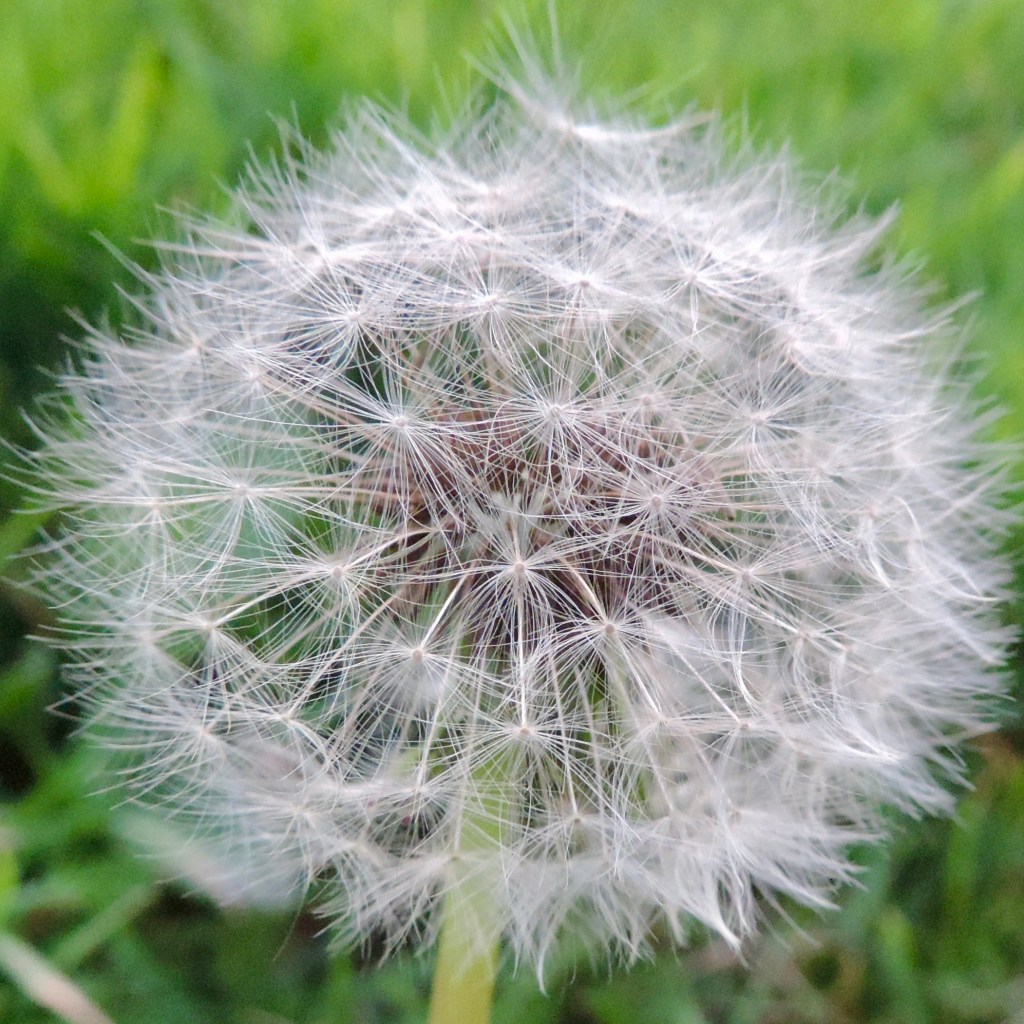
Maybe when you were a child you would blow on a seed head like this one. You’d blow it to see how many times you’d have to blow to send every single seed flying, a bit like you’d blow out the candles on your birthday cake.
Maybe you’d make a wish. You would use the seed head to strengthen your hopes.
Maybe you’d ask a question and the number of blows would be the answer – you’d use the seed head to predict the future.
Maybe you’d try to tell the time from the number of blows you needed (something that only worked by chance or if you knew the time in advance)
When I look at a seed head like this one I see abundance. Nature isn’t a machine. She doesn’t use the least possible resources to survive and thrive – she doesn’t follow that idea of “efficiency” stripping everything back to the bare bones, delivering “just in time”. We saw this kind of “efficiency” collapse during the pandemic because we didn’t have enough health carers, didn’t have enough PPE, had supply lines easily disrupted and depleted stores.
In Nature, and in our own human lives, we thrive better when we have abundance, when there is “redundancy” in the system.
Does the plant really need all these seeds? Yes it does if it is to survive and thrive.
I remind myself of that when I gaze at this beautiful seed head, replete with hope, with desire, and with potential.
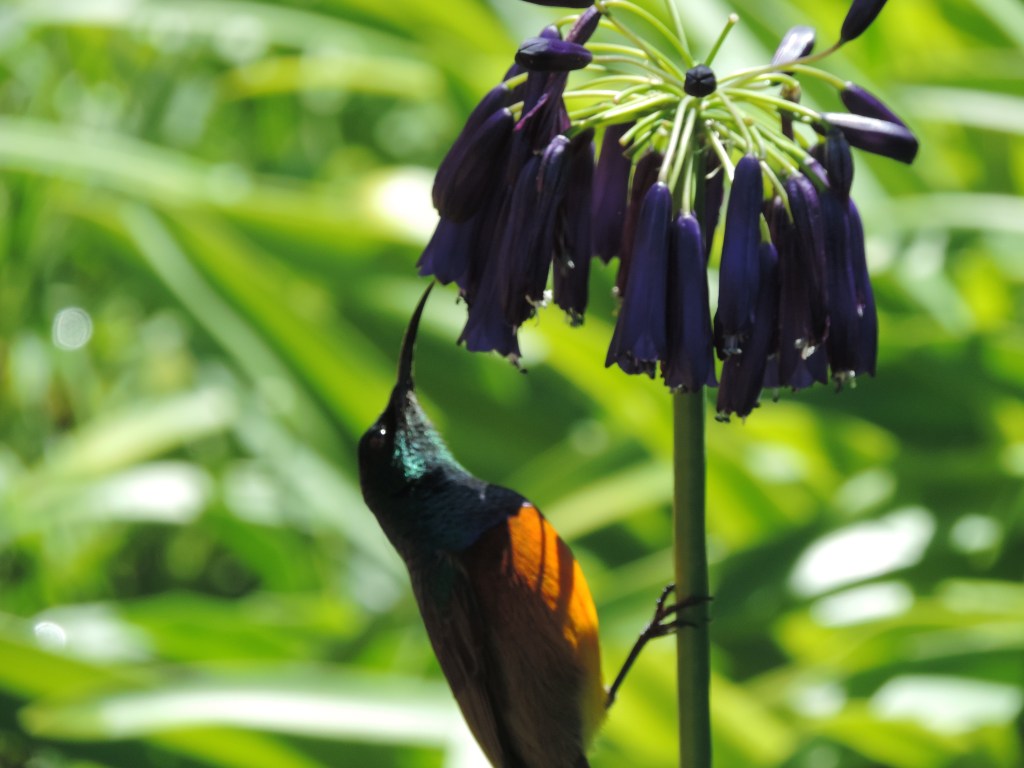
You couldn’t have a better shaped beak than this to get to the nectar. You couldn’t have a better shaped flower than this to tempt these birds to pick up and share your pollen.
Isn’t it amazing when you see such a perfect fit – where the plant world and animal world help each other out so beautifully? The last Attenborough series was about plants (Green Planet) and time and again he showed such astonishing relationships between plants and insects, birds or animals. One scene which particularly amazed me was of a desert where there had been no rain for over twenty years. Not only was there a sudden explosion of flowering plants when the brief rain eventually appeared, something quite remarkable in its own right. But the exactly best adapted insects and birds to pollinate these flowers appeared too. Where did they come from? Where had they been for the last twenty years??
I know that competition, “the survival of the fittest”, and ideas like “the selfish gene” have dominated our culture and thinking for a long time now. But isn’t it clear that without cooperation, co-evolution, and what Kropotkin called “mutual aid”, Life just wouldn’t exist.
This thought came to me this morning after browsing my photos, seeing this striking bird, listening to the BBC podcast, “In our Time” episode about Kropotkin, remembering the Green Planet which I saw recently, and hearing the stories about Ukraine this week.
What the Russian government is doing is the worst of the competitive aggressive violent aspect of Life, but what ordinary people are doing is opening their houses, donating food and clothes, welcoming refugees and voicing their support for Ukrainians.
I heard someone say it’s the elites who behave so badly and the ordinary people who behave so well. Too black and white perhaps. But it was the same in the pandemic. People helped each other out, got shopping for the elderly and vulnerable, whilst the elite…..well they had parties and were granted exceptions to enable them to continue to travel and grabbed multimillion pound or dollar contracts to enrich themselves.
Mutual aid, generosity, co-adaptation and “interbeing”……maybe it’s time to change the dominant narrative.
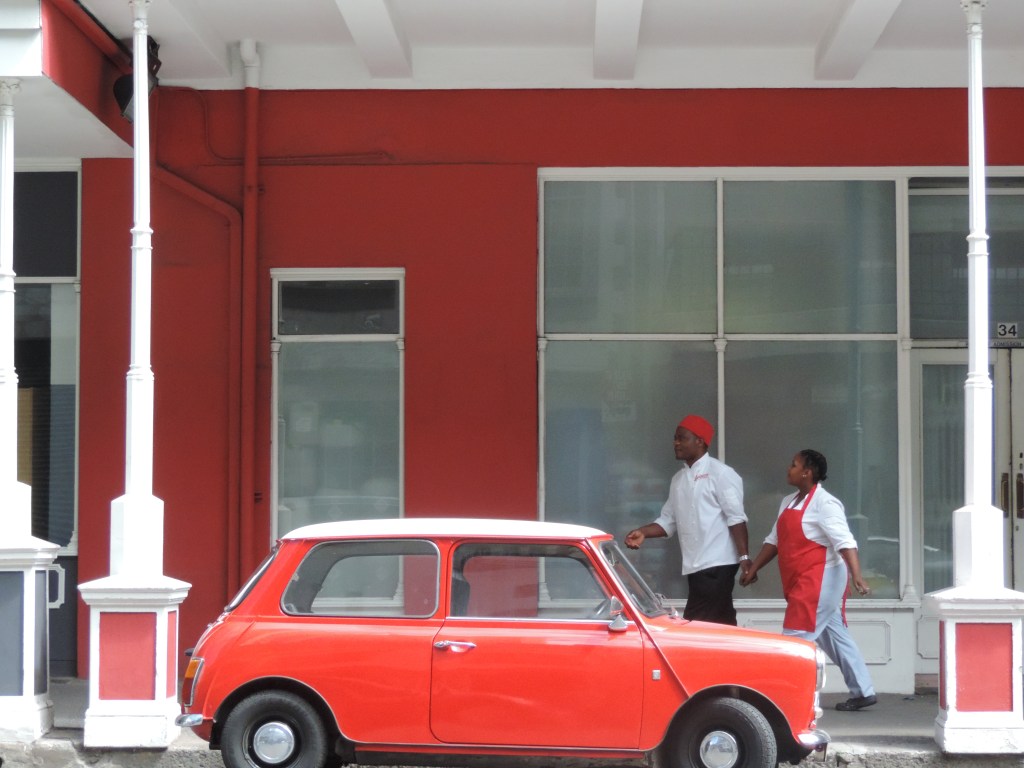
For most of us the colour red grabs our attention. It’s used pretty universally on warning notices, fire alarms and so on.
I took this first photo one February many years ago in Capetown. The red car sitting in front of the red building captured my attention. I focused my camera and just before I released the shutter this couple walked into the shot, he with his red hat on, and she wearing her red apron. I mean, what are the chances?
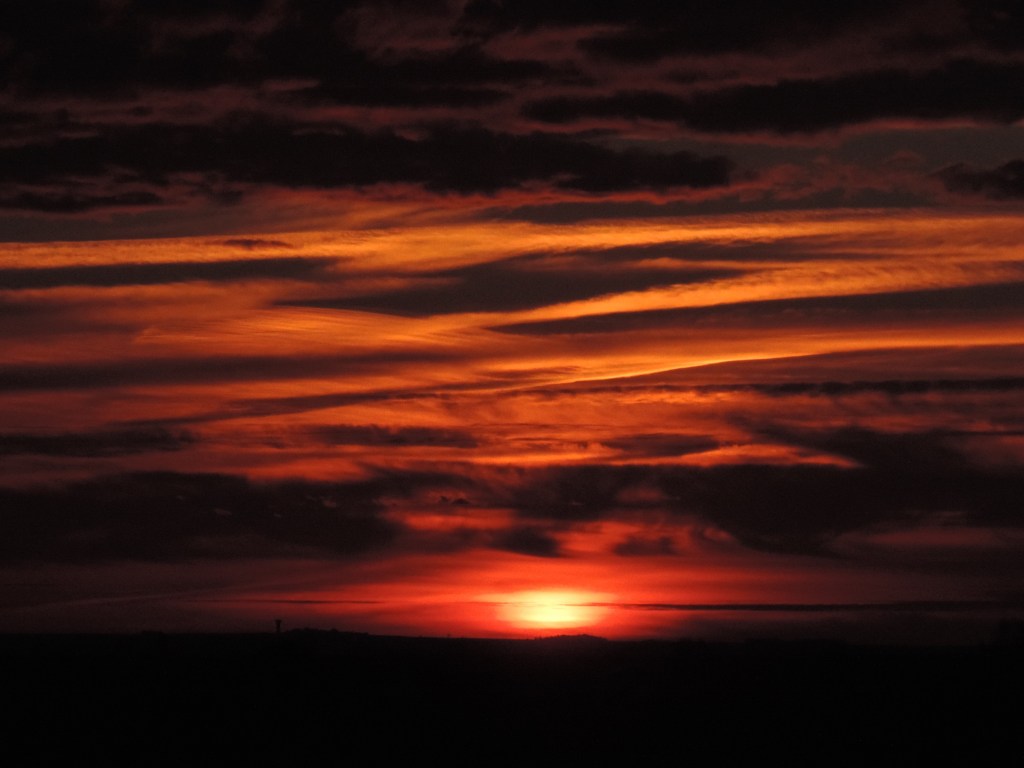
This second photo is one of many sunsets I’ve photographed over the last seven years here in France. I love those moments when the sun turns the entire sky red just before it sinks below the horizon for the night.
What is it about red? Is it because our blood is red so that is the colour of Life (and also, under normal circumstances we don’t see our blood so when it appears alarm bells ring?)
Red is love. Red is passion. Red is energy. Red is Life.
I often think the fundamental principles of health, at an individual or collective level, can be found in Nature.
Difference and diversity are two of those key fundamentals.
Vast acres of fields given over to growing single crops year after year aren’t healthy. They need to be artificially maintained with ever increasing amounts of chemicals.
Individuals and small businesses innovate and adapt but vast multinational corporations grow towards monopoly positions and reduce diversity and choice.
A healthy organisation is one which encourages diversity and supports difference. Healthy societies are the same.
So if we want healthier organisations, societies, individual lives, we should be moving towards, not away from, differences and diversity.
In the pursuit of control, maximising profits for company owners and so called efficiency, we’ve seen increasing centralisation, standardisation and monopoly or near monopoly positions.
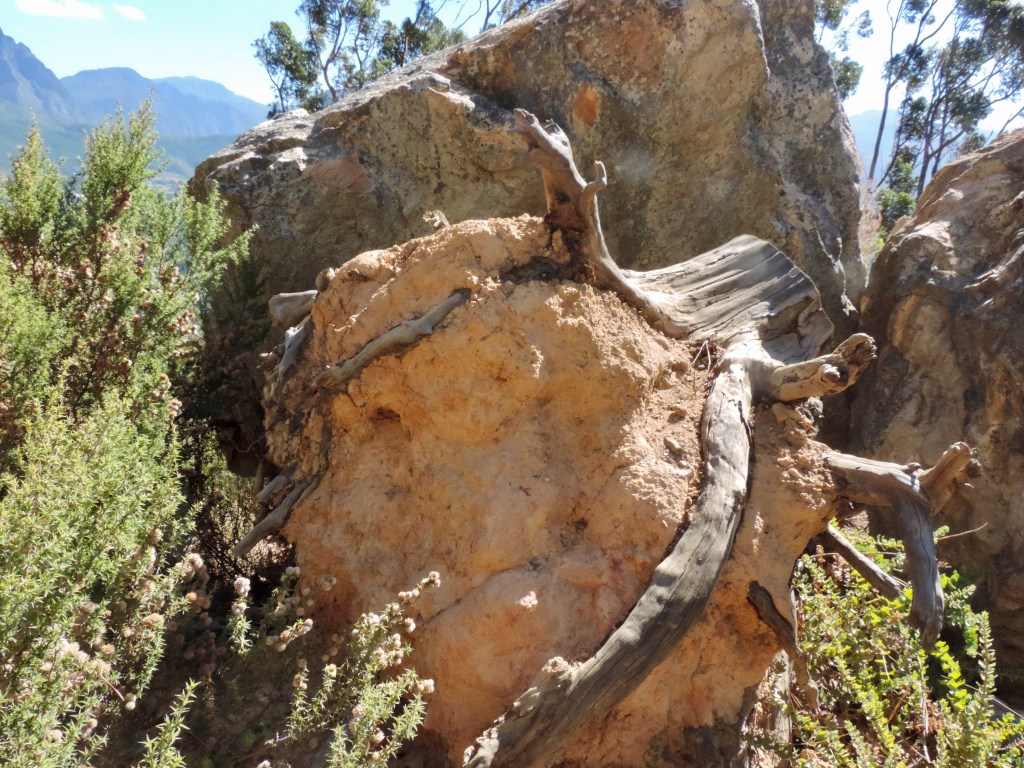
I think this looks like a weird lizard creature with extremely long arms wrapped around a huge pieces of fruit.
But it isn’t. It’s a plant wrapped around a rock. Perhaps the remains of a plant’s roots wrapped around rock.
I love it when I see something which challenges the classification of the world into three kingdoms – animal mineral or vegetable – whether that challenge comes from my imagination or from the structure or behaviour of what I’m looking at.
These metamorphoses highlight the interconnectedness of all that exists. There wouldn’t be any animals without plants and minerals after all, so to understand any of them we need to see them in their contexts, exploring their interconnections over time.
All that exists emerges within the flux of constant flows, some moving very slowly, others at speed, each stream changing the others.
I’m not especially aware of framing my shots when I take them but, clearly, composition is important to me. I don’t press the button until what I see in the viewfinder pleases me.
We frame what we look at all the time, and, mostly, we do it unconsciously.
Framing is a way of directing our attention. We include what we want to focus on, and exclude from the frame, what we wish to ignore.
We humans have many ways of creating frames, not least by telling stories and by deliberately pointing towards whatever we want others to notice.
Magicians pull off their tricks by diverting the audience’s attention, by getting them to “watch this”, not that.
Politicians do the same. Whether we call it “spin” or “setting the agenda”, they frame what they want us to pay attention to, and exclude what they hope to hide.
Advertisers tell stories, direct attention, create frames, to get us to pay attention to particular products.
PR companies portray for their clients the images, the stories, they want the public to pay attention to.
There are lots of people busy creating frames for you to look through. Again, for the individual viewer, that’s mostly unconscious. So, sometimes it’s a good idea to notice the frames, to become conscious of where we are directly our attention, what we are including, and what we are excluding……whether we are the ones doing the framing, or somebody wishing to influence us is doing the framing on our behalf.
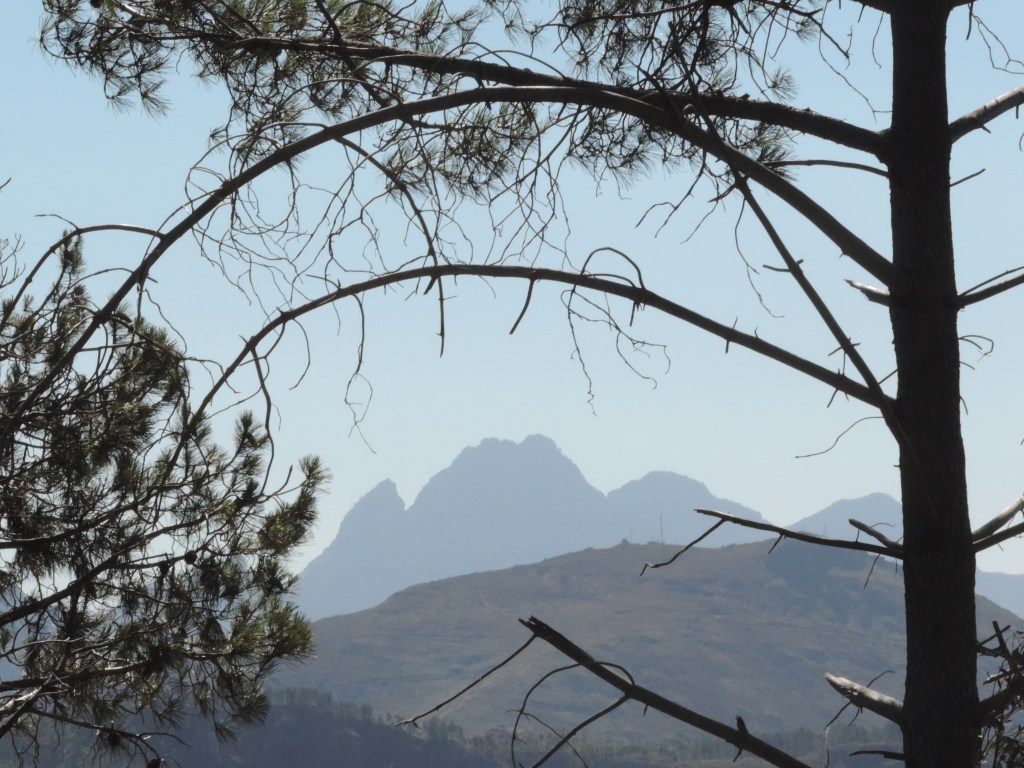
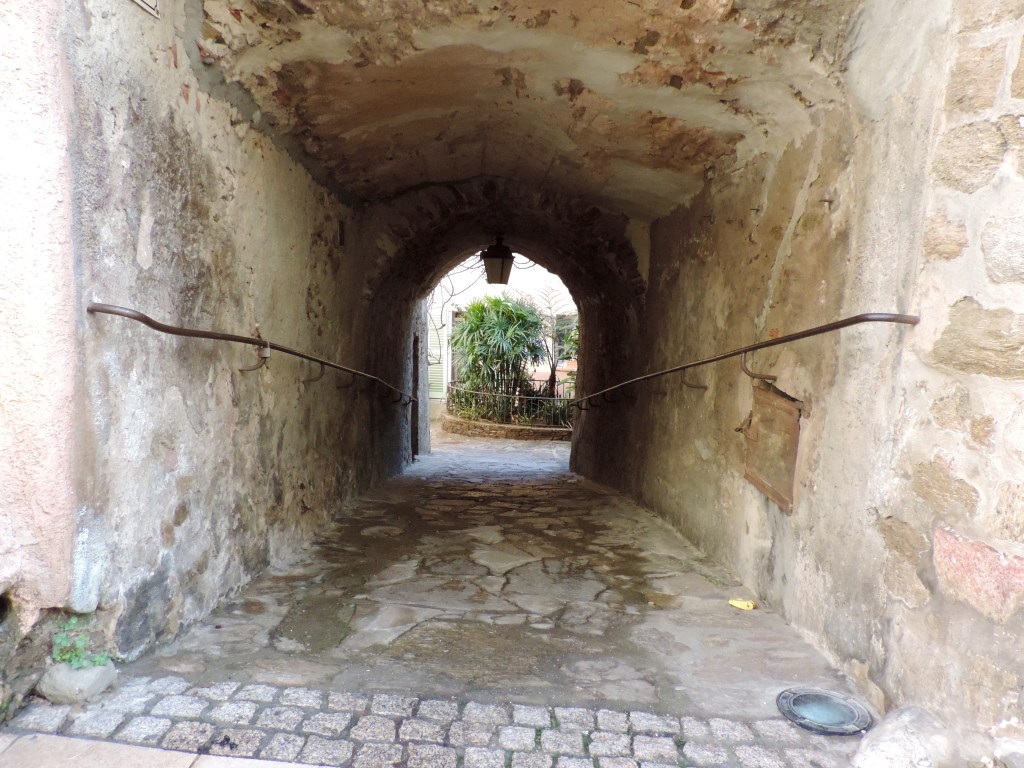
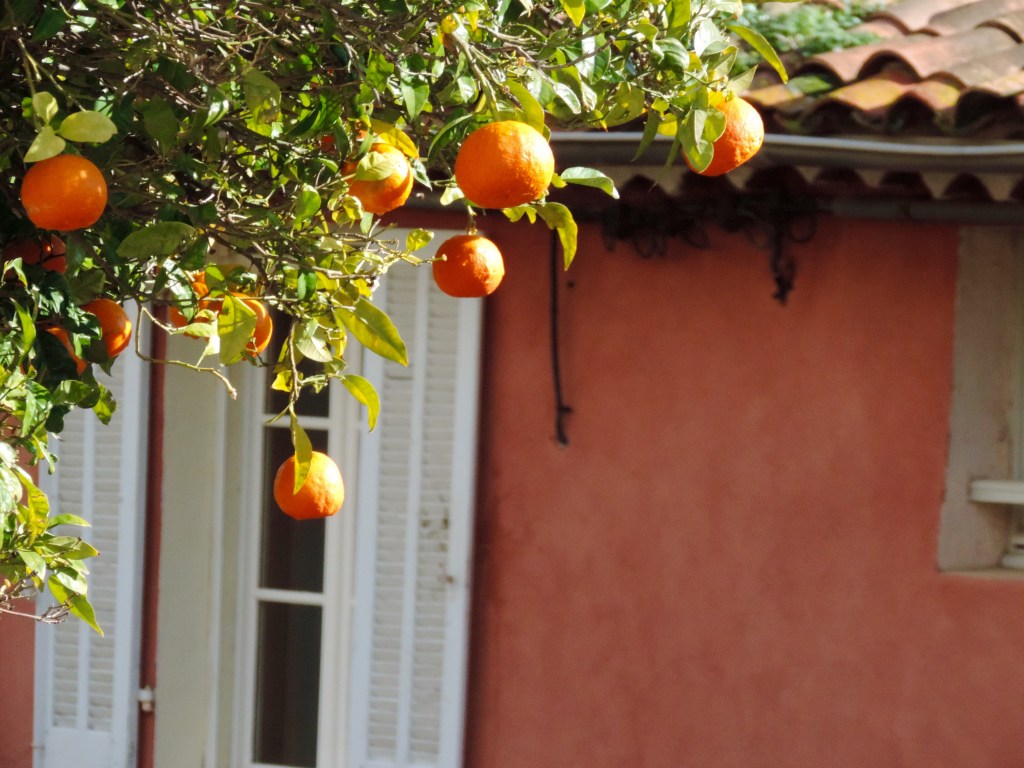
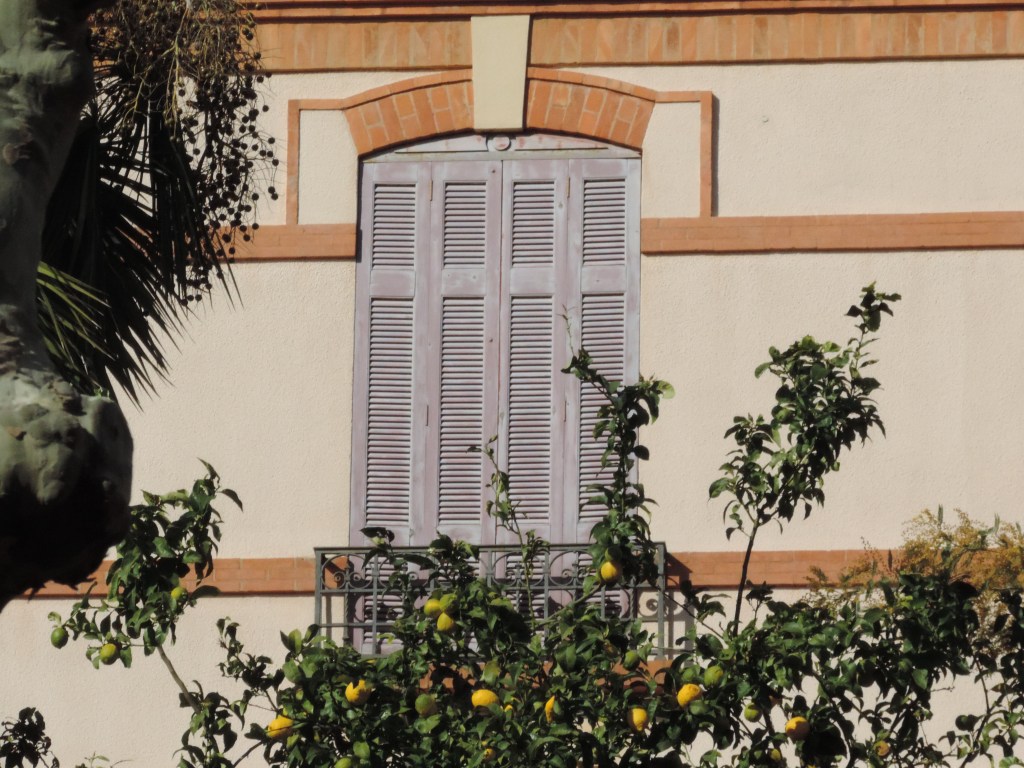
I took these photos one February a few years ago while visiting Bormes-les-Mimosa in the south of France. How many towns do you know which include a plant in their name? I’ve taken a number of photos of the mimosa blossoms there at this time of year. But I’ve visited this town at various other times of year as well. I love the colours used on the walls of the houses and the pastel shades used to paint their shutters. But perhaps one of the things I like best about this town are the citrus trees everywhere. Aren’t they beautiful?
One of the interesting characteristics of the citrus family is that many of them produce fruit several times a year, so there isn’t a single season to see the trees laden with all the fruit. So when I visit a town like this I’m struck by a certain consistency and continuity.
Consistency and continuity.
I’ve often been told those are two of my strongest characteristics. Despite the fact that I have ups and downs, good days and bad ones, and that I experience every day as different and every person as unique.
I read an article by Dr Clare Gerada today in the Guardian. She’s a GP and at one time was President of the Royal College of GPs. In her article she was reflecting on the changes in General Practice over the last 30 years, and reflecting with sadness over what had been lost. Her main point was that continuity of care had gone almost completely and that with that caring personal relationships built up over many years.
That’s an observation I’ve heard others make. It’s the experience my elderly relatives have had and it’s the experience I had during my dad’s final illness.
She said continuity had been sacrificed in a drive towards “efficiency” and I think that’s the hub of the issue. I’ve read a number of terms to describe the current system – “evidence based care”, “efficient care”, but also, “protocol, guideline and target driven care”.
Also, “industrialised” and “taxi rank” Medicine. These two latter terms capture key features. The health care system has been transformed by applying the practices used in industry where tasks and procedures take precedence over human beings, and where cost managent and/or profit becomes the goal. Where quantities, what can be measured, is given priority over qualities and experience. Taxi rank medicine is where you receive care from whichever doctor happens to come along next. Whether or not you’ve ever seen that doctor before, or will do ever again, is considered irrelevant.
If there is one single change I’d like to see in health care it would be to prioritise continuity of care. The more continuity there is, the more personal the care can be, the more relationship based, the more “joined up” and “holistic”. The more human.
Continuity of care requires putting human beings at the centre of Medicine. It matters who this patient is, who this doctor is, who this nurse or therapist is. We are human and each of us is unique.
We are not interchangeable machines.
Is it really a revolutionary thought to say that people matter more than procedures, profits or data in Medicine? (By the way I’m not saying data doesn’t matter, it’s just that, like fire, it makes a better servant than a master)
I welcome constructive criticism and suggestions. I will not, however, tolerate abuse, rudeness or negativity, whether it is directed at me or other people. It has no place here. ANYONE making nasty comments will be banned.




 Heroes Not Zombies