I recently read an article by Richard Collett, author of “Along the Borders”. Here’s what struck me.
“Four millennia ago, a Sumerian king, his frontier beset by nomadic tribes fleeing prolonged drought in their own lands, ordered the construction of the world’s first border wall: a 177km-long boundary laid in stone between the Tigris and Euphrates rivers. Since humanity’s earliest city-states and kingdoms arose in ancient Mesopotamia, walls, ditches and fences have defended territory, marked the edges of empires and projected political power across the void. But the world’s first border wall failed. It now lies buried beneath Iraq’s desert sands. Rome’s legions abandoned Hadrian’s Wall long ago, and the iron curtain’s razor-wire fences fell with the eastern bloc’s collapse in the late 1980s.”
I was born in Central Scotland and lived my whole life there until I retired to France. From childhood I was aware of the remains of two walls – Hadrian’s and the Antonine Wall. Both had been built by the Romans at the edge of their empire to try and keep we Scots out. Both were little more than piles of stones and mounds of earth centuries before I was born. I could visualise those remains came as I read Richard’s opening paragraph.
When someone takes a historical perspective it can help us to see the present day in a different, often clearer, light. Thousands of years on from the Sumerians, we humans are still building walls, still calling for “taking back control of our borders”, still trying to prevent our fellow human beings from escaping the suffering and hardship of drought, famine, and war.
The answer has never been walls.
Wouldn’t it be better to build connections? To create bridges between ourselves and “the other”? To create, in particular, those fundamental, life enhancing, health giving, connections we call “integrative” – and, just to remind you, integrative bonds are the ones which promote integration – they are the ones where highly differentiated parts relate to each other in mutually beneficial ways.
Those are the kind of connections we see in every human being. Every single one of our organs, tissues and cells, exists within a vast web of mutually beneficial relationships with all the others. That’s what enables us to survive. That’s what enables us to grow and to thrive.
There’s an old saying “As above, so below”, but I’ve often thought we also need to remember “As within, as without” – what we learn about our healthy insides is applicable outside of us…..in other words, for each of us to be healthy, we need to form “mutually beneficial relationships” with each other, with other forms of Life, with the rest of this small, beautiful, planet, where we all share the same air, the same water, the same earth.
Richard Collett concludes his piece with –
“….if the aim of hard borders is to halt the flow of refugees, curb illegal economic migration or counter terrorism or instability, then surely a better solution is to tackle the conditions driving people from their homes, or towards extremism, in the first place.”
Interestingly, Pope Leo XIV, recently made a very similar point, when he asked what the rich nations were doing to improve the lives of those who live in poorer countries. The wall builders didn’t like it.
I mentioned recently that I’d just read Daisy Fancourt’s “Art Cure”, about the impact of the arts on health, and how she wrote about the “five pillars of health”….diet, exercise, sleep, nature and art.
I write a lot about nature, I take lots of nature photographs, and I am blessed to be living in rural France where I feel closer to nature than at any previous time in my life. I love to be amongst the trees, to be able to hear a chorus of bird song every day. I love to breathe the fresh air, to see the flowers and fruits appearing on the plants around me. All of that is about me being more connected with nature, more “engaged” with nature. I remember how important that was in my work as a doctor….to enable people to re-engage with the world, with the natural world, and with each other. Illness and suffering can be so terribly isolating, cutting us off from the world around us. It’s both a therapy and a sign of progress, when someone is, or becomes, engaged again….when someone makes better connections with both the natural world and with others.
But Daisy Fancourt’s thesis is about art and how engagement with the arts has a positive impact on our health. I had a very special and powerful experience of that last week.
Georgie Brown is a local, 23 year old, musician, who was born in England but brought up here in SW France. She gave a concert in Saint Jean d’Angely, in the beautiful, Art Deco, Eden Theatre, just over ten minutes from my house. The concert was billed as “Symphonic Jazz”. I confess I didn’t know what that might mean, but we’d seen Georgie perform a short set, in the middle of Saint Jean in the summer during the annual French festival of music, and really enjoyed her performance.
Symphonic jazz turned out to be Georgie Brown singing her own compositions, with her “jazz men” band of a pianist, double bassist, drummer and small brass section of trombone, trumpet, and two sax players. But, for this concert, she’d composed orchestral arrangements of her songs, and performed them with her band and a thirty piece local orchestra…..the “Orchestre Symphonique des Vals de Saintonge”.
From the first notes of the string section I felt moved to tears. You could see that every single musician on that stage was loving what they were doing. The joy, passion, and delight in music was infectious. The clearly evident mutual respect between them all was moving. Look, I know we all like different kinds of music. Some people love opera, others country music, yet others the Blues, but whatever their tastes, the audience at this concert were treated to something unique, and very special. It was heart warming, life enhancing and a great example of why Daisy Fancourt describes live music in particular, as something which can have positive and profound effects on health. For that concert to be so successful, it required the creation of multiple “mutually beneficial bonds” between all the musicians. When human beings get together to make music, they aren’t only capable of producing beautiful harmonies, but they build better connections between themselves and others…..between other musicians on stage, and between themselves and the audience.
I’m not saying we should go to concerts for the good of our health. We should go because we love music. But what I am saying is that when we choose to participate in activities which build and strengthen connections, our lives can feel better……that building connections is the way to building a better world.
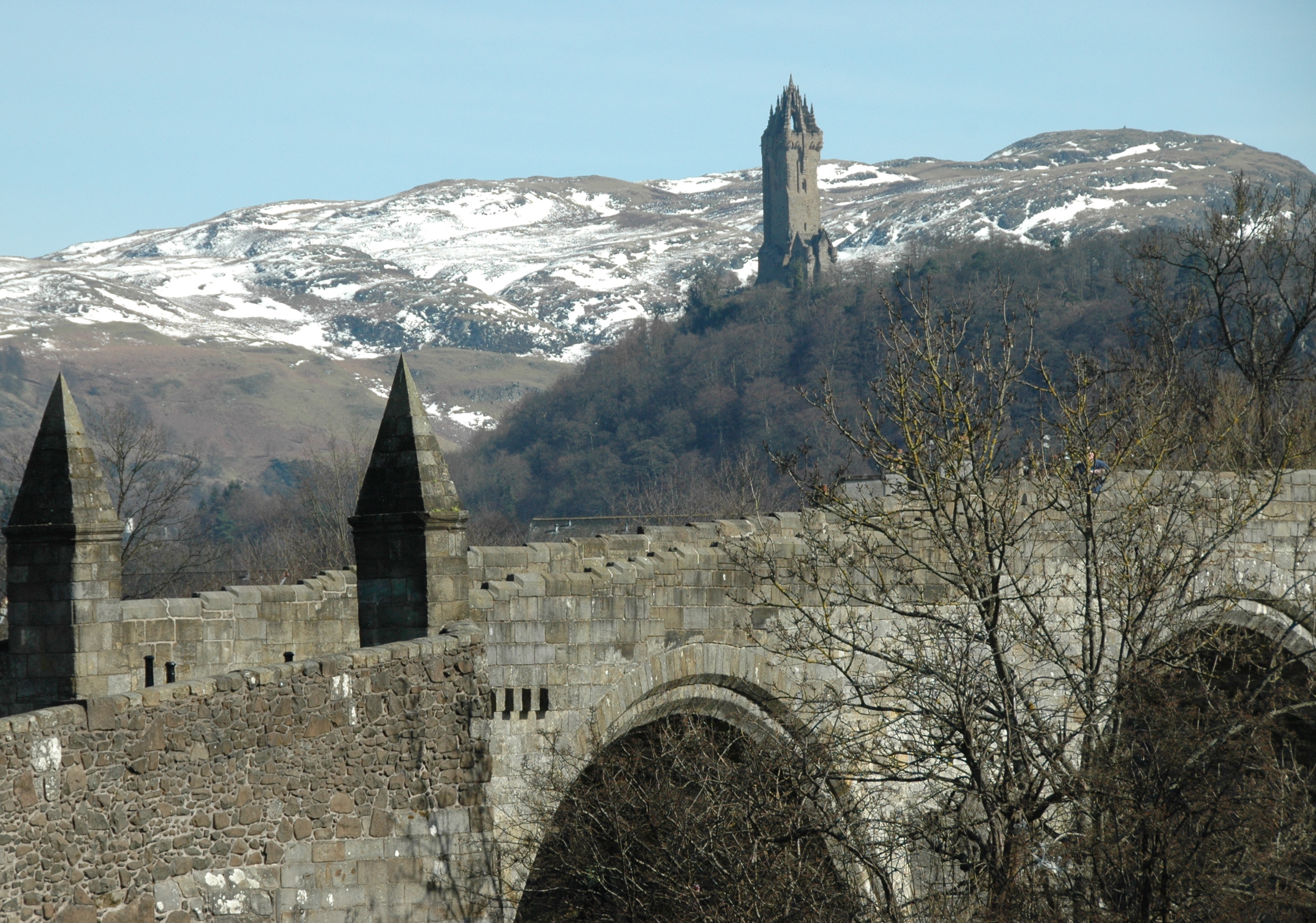
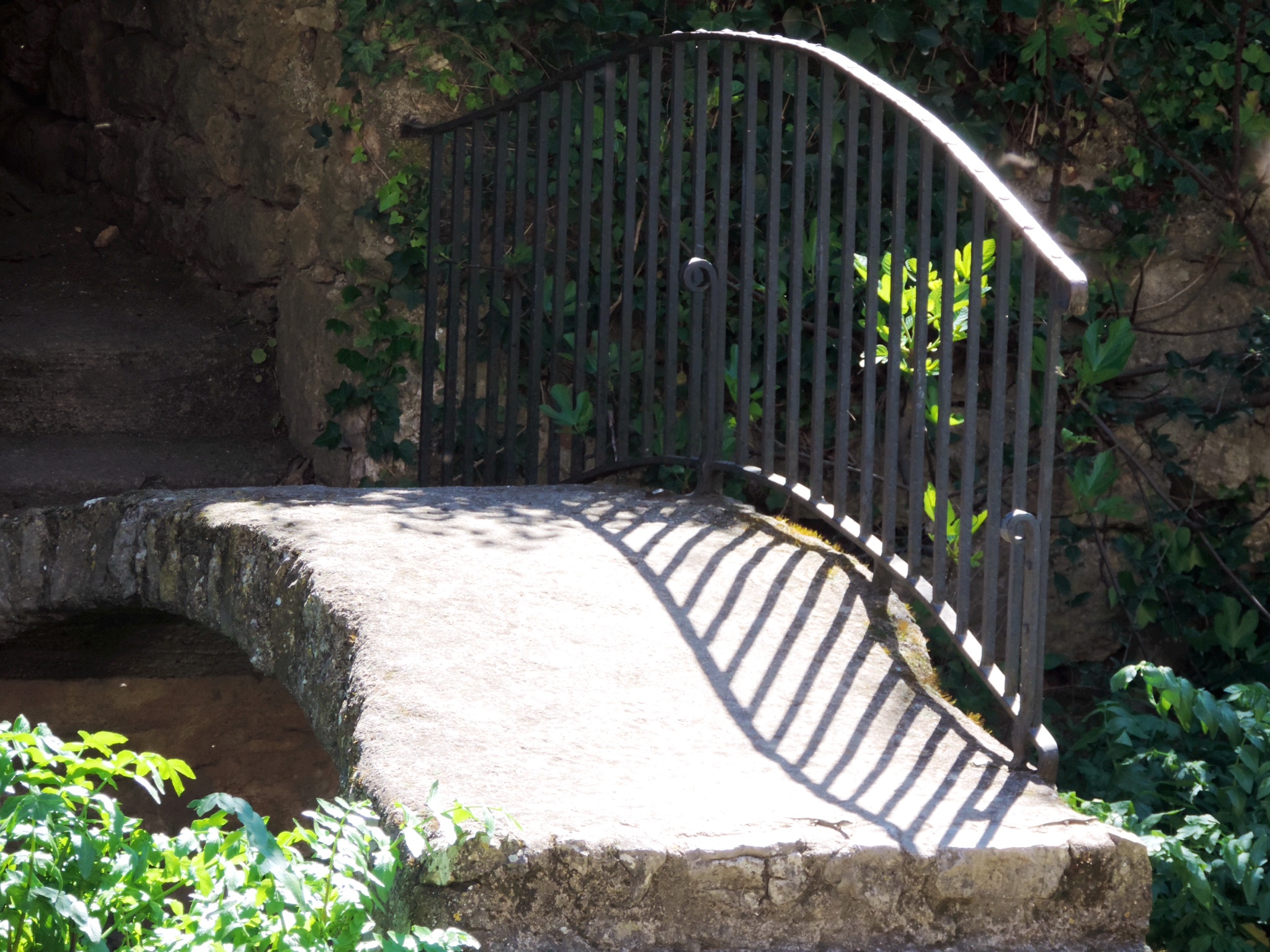
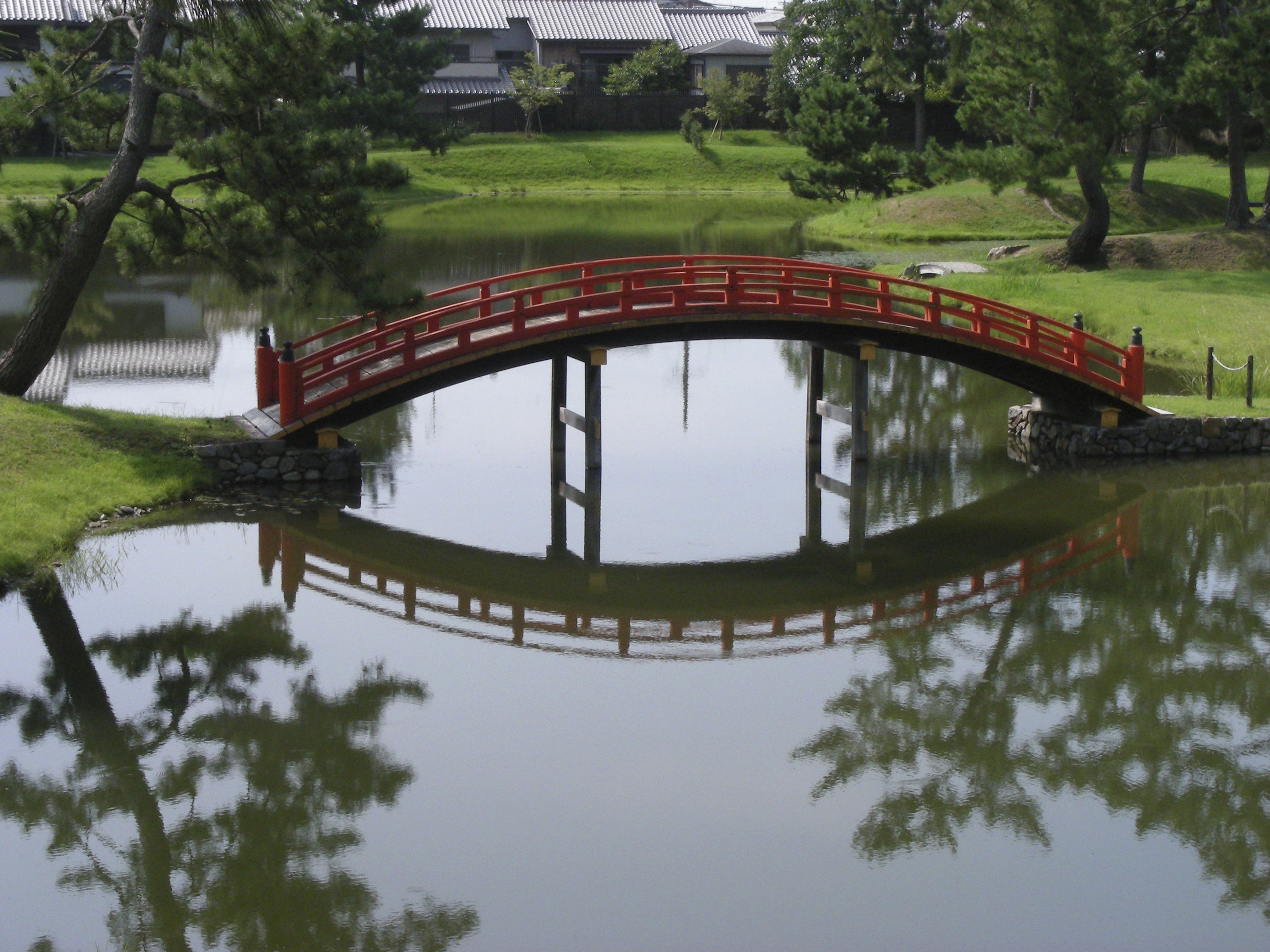
One very obvious type of human construction is the bridge. I’m pretty sure we’ve built a heck of a lot more bridges than walls over the centuries. I pretty partial to bridges. They appeal to me. Part of the reason I love them so much is that they are a physical manifestation of our need to make connections. They also facilitate our basic desire to travel and explore the world we live in. My photos this week are some of my favourite bridges. I think they make it clear why I prefer bridges to walls.
Here’s a video of one of Georgie Brown’s songs where she sings about being partly English and partly French – just to give you a flavour of her style –
And I’m sure you’d like a song about bridges…..what songs do you know about bridges? For me, first up is surely Simon and Garfunkel…..Bridge Over Troubled Water. I think my friends all had their own copies of that album, and I still have mine, and it’s still a classic!

 Heroes Not Zombies