Feeds:
Posts
Comments

Archive for the ‘from the consulting room’ Category

I took this photo because I liked the look of the boat with the distant hills on the horizon but ever since I uploaded it to my photo library every time I look at it I think “What’s that boat doing on that side of the wall?” Because the sea is on the other side of the wall!

But actually this is no accident. The boat has been placed here, high up above the water line and behind this wall, for protection.

As I look at it again today I’m seeing it in the context of the new variant Covid, the exponentially rising rates of infection in many countries and a new round of restrictions and lockdowns coming into effect around the world. All of which gets me thinking about protection.

Really, as best I understand it at this point, there is only one way to catch this virus – you get it from somebody else. The more people you share space and time with each day, the greater your risk of getting infected. The more you share space and time with others indoors and with poor ventilation, the greater your risk. All that isn’t really rocket science. So, at a personal level, protection involves avoiding contact with other people as much as you can.

OK, so that’s just not possible for many, many people who have to work to keep us all alive and/or to keep themselves alive, which is why many people ask our governments to financially support those whose places of work are being closed down, and why the authorities have to work hard to make workplaces as safe as possible for those who do have to work. Of course, we can all help protect those who have to work by driving down the community infection rates just by restricting our own personal contacts.

I’m not going to get into the details of other measures in this post, but, more than ever, isn’t it clear now that our societies need to change? We are too vulnerable. Or to put it another way, we are not protecting populations well enough. We need to do better – that, not any technical fix, is our only “way out”, our only real lasting “protection”.

So, I just want to say again – lets massively improve our health care services – we do not have enough facilities, enough nurse, enough doctors. Let’s start training the next generation of staff now – it’s going to take at least five years to get them ready. Let’s recruit and train the teachers and trainers to train the doctors, nurses and other health care professionals we desperately need. Because we have all been living with inadequate health services. Every country could do better.

And, secondly, let’s start NOW to address the underlying vulnerabilities – lets deal with poverty, poor housing, inequality, prejudice, and the environment – including our agriculture, our food supply chain and the issue of clean air.

That would all be a START. What would you add?

Read Full Post »

One of my most favourite sculptors is Anthony Gormley. Many years ago he created one of his works in London, placing his distinct iron casts of a man standing on various roof tops around the city. It caused quite a stir as several people thought they could see real men who looked like they were about to jump from the heights. I never saw it that, thinking more of Wim Wenders’ angels in Wings of Desire (or the City of Angels, American remake of that classic) where you could see the angels sitting or standing high up above the city watching down on the people below. At the same time as Gormley placed these figures around London he had an exhibition in the South Bank Gallery and that’s where I took this photo.

One of his works in the exhibit was a large glass box, the size of a whole room. The glass box was filled with mist, so dense that you could hardly see your hand in front of your face. You could walk around inside the box, dimly making out other visitors who appeared and disappeared continuously in the thick mist. As you walked around the box on the outside you could make out the occasional figure temporarily appearing in the midst of the mist as they walked around inside the box. As I passed someone reached their hand up to place it on the glass, and as I snapped the photo, I noticed the glass wall was reflecting one of the figures high up on a roof outside the gallery.

That lucky moment gave me this image which has kind of haunted me ever since. As I look at it again today, in the context of this surging wave of the pandemic and trying to cope with yet another month of sundays in lockdown, this image seems to have a new meaning and a new poignancy.

It makes me think of this world we are all living in now, hidden behind invisible barriers, or, sometimes, all too visible ones! How we are connecting by email, texts, zoom calls and so on, but how we can’t quite reach out and touch anyone else.

I know that this will pass. Everything does. Nothing remains the same. And maybe this experience of “distancing” which we are experiencing is giving us the opportunity to become more aware of what’s really important to us. Maybe, like me, you’re finding that you are deepening relationships with even more communication that you “normally” do. Maybe you’re making new friends, encountering the kindness of strangers in other lands. I guess I’m saying, it’s not all bad. But I don’t mean in a way which would dismiss the challenge and the struggle.

What better can we do today, tomorrow, and the next day, but reach out and tell our loved ones how much we love them, and extend the hand of kindness to strangers?

Read Full Post »

I’ve read before that one of the major differences between Japanese and English garden design is that in Japan the emphasis is on what the garden looks like from inside the house, whereas in England the garden is designed from the perspective of the observer actually in the garden.

I think that’s probably an over-simplification and as with pretty much all generalisations it should be taken with a pinch of salt.

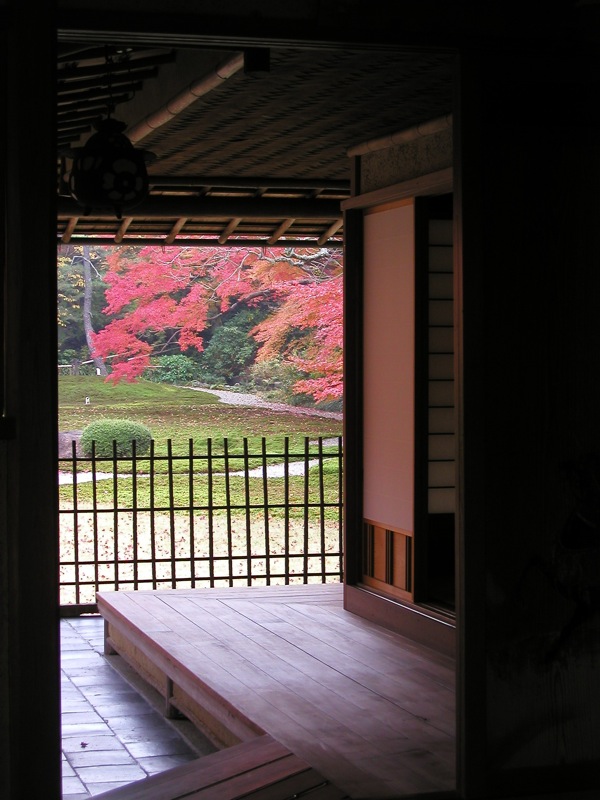
However, here’s an example of a Japanese garden. I took this photo form the interior of a temple, and you can see that the garden pulls your attention towards it. Not only does the window seem to create a frame for a beautiful picture, but the wooden flooring leads you out of the room towards the fence inviting you to enter the garden…..but only to the edge.

Maybe that’s partly where this idea comes from that the aesthetic in Japan is to create the experience for the observer standing just a little bit outside of the garden.

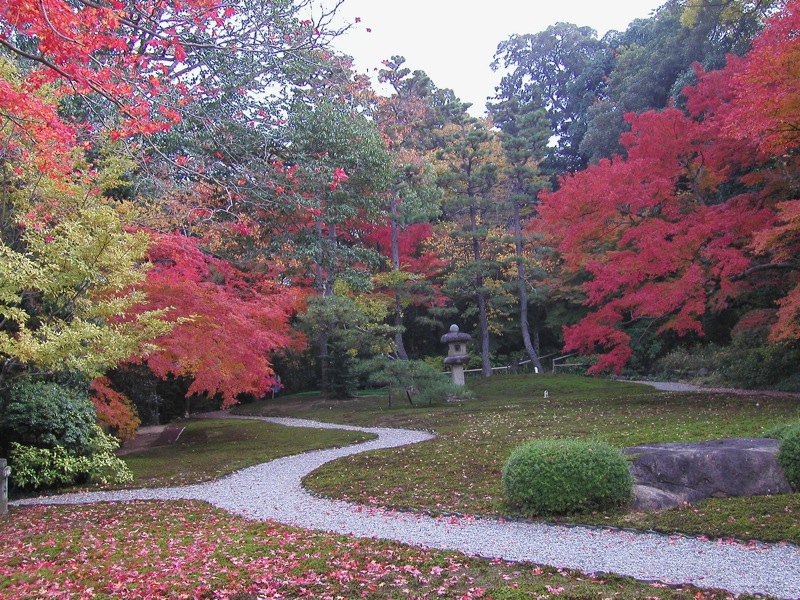
But, now, look at this next photo, which I took during the same visit to the same garden.

This isn’t a garden just to be looked at from the outside. Look at these winding paths, the stone lantern, the opening between the trees, the well trimmed low shrub, the grey rocks. This is all absolutely begging you to get out onto that path and experience this garden as it unfolds around you! This is a garden to be experienced from the inside of the garden itself.

How do I reconcile these two views and these, at face value, conflicting sets of design value?

And not or“.

Here’s some of the true genius of Japanese aesthetics, in my humble opinion…….a resolution of polarities to create something greater than either of the poles can achieve by themselves.

This is a garden created to be beautiful and inviting from inside the temple, AND to be beautiful and inviting once you are in the garden itself. Both of these experiences are so memorable, and dovetailing the two perspectives into one takes the entire visit to a whole other level.

I find this incredibly inspiring. It inspires me to connect to, to seek out, and to create, beauty. It inspires me to break down the artificial boundaries between perspectives – to bring the view from outside the garden into the view from within the garden. It inspires me to create curiosity and intrigue as well…..because don’t you just want to walk along that path and have a closer look at those rocks, that shrub, that stone lantern? Don’t you just want to walk along that path and “bathe” in that gorgeous forest of colour? Don’t you just know in your bones that this is the kind of thing which is “good for you”, which will nourish your soul, stimulate your body and your mind, enrich your life?

Read Full Post »

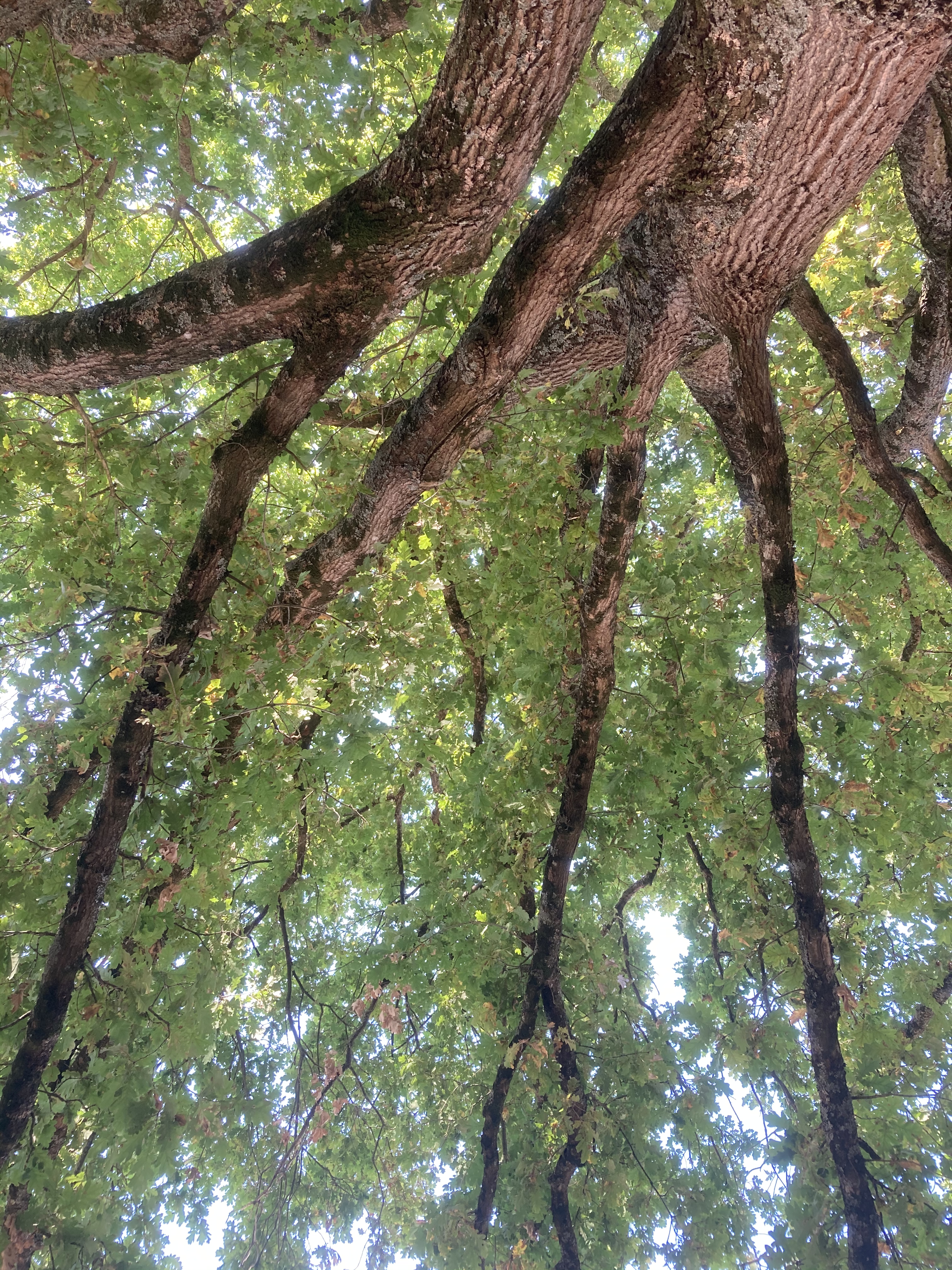
When we look up the world looks very different.

This is not the view of a tree which you’d usually see in a photo, and I think it stands out all the more because of that.

In “Metaphors we live by”, Lakoff and Johnson make a convincing case for the embodied nature of the metaphors which underpin the meaning of so much of our speech. We take these metaphors so much for granted that we don’t even notice them. They give many, many such examples in their book, but the one which comes to mind as I write this is the one I used for the title today – “Looking up”.

Looking up is something we do physically, as you see in this view of a tree. “Looking up” also refers to our position in the physical world. We’d have to be very tall to look down on most trees! We look up to see what is above us…..or to raise our eyes from the ground if we happen to be walking around with our gaze fixed somewhere just between our noses and our feet.

The important insight about the embodied nature of our metaphors is that we can find clues in the language we use which can point in two different directions – they can indicate something about our emotions and our behaviours, but they can also indicate something about our bodies.

Once I learned that insight I became even more alert to the exact language a patient would use when describing their symptoms and experiences. Sometimes the words and metaphors they chose were the clues to finding their pathologies, and the way in which they were unconsciously trying to adapt to those pathologies. But that’s for another day.

Today I just wanted to highlight how physically “looking up” can actually link us in to the emotions, values and behaviours of “optimism”, of “looking forward” and of looking ahead with some flavour of brightness or expectation. Because it seems to me that we are pretty desperately needing a bit more positivity just now.

So, here’s my thought……maybe if we go out and deliberately, consciously, look up more, it will influence our mental state at a deep, unconscious, and emotional level and work as a kind of “reset” to enable us to engage with our lives more positively in the year ahead. And maybe if we do that, then as the active co-creators or reality, we will actually begin to build a better world.

As you raise your glasses at the end of the year, here’s to a time when things begin to “look up”!

Another world is possible.

Read Full Post »

I worked for about 40 years as a doctor. I’ve studied I don’t know how many diets in that time. I’ve seen “miracle” diets come and go, I have seen diets for losing weight, diets for preventing heart disease, diets for preventing cancer…..it goes on and on. And confusingly over the years there have been totally contradictory pieces of advice – especially about carbohydrates and about fat.

However, here’s the good news…..time and time again, the evidence keeps returning to a pretty simple fact – the more your diet is plant based the better. It’s good old fruit and veg which comes out top again and again and again. I know, there are lots of other issues and nuances, and it doesn’t ALL come down to fruit and veg, but if you are thinking of doing one thing to “improve” your diet in 2021 – eat more plants!

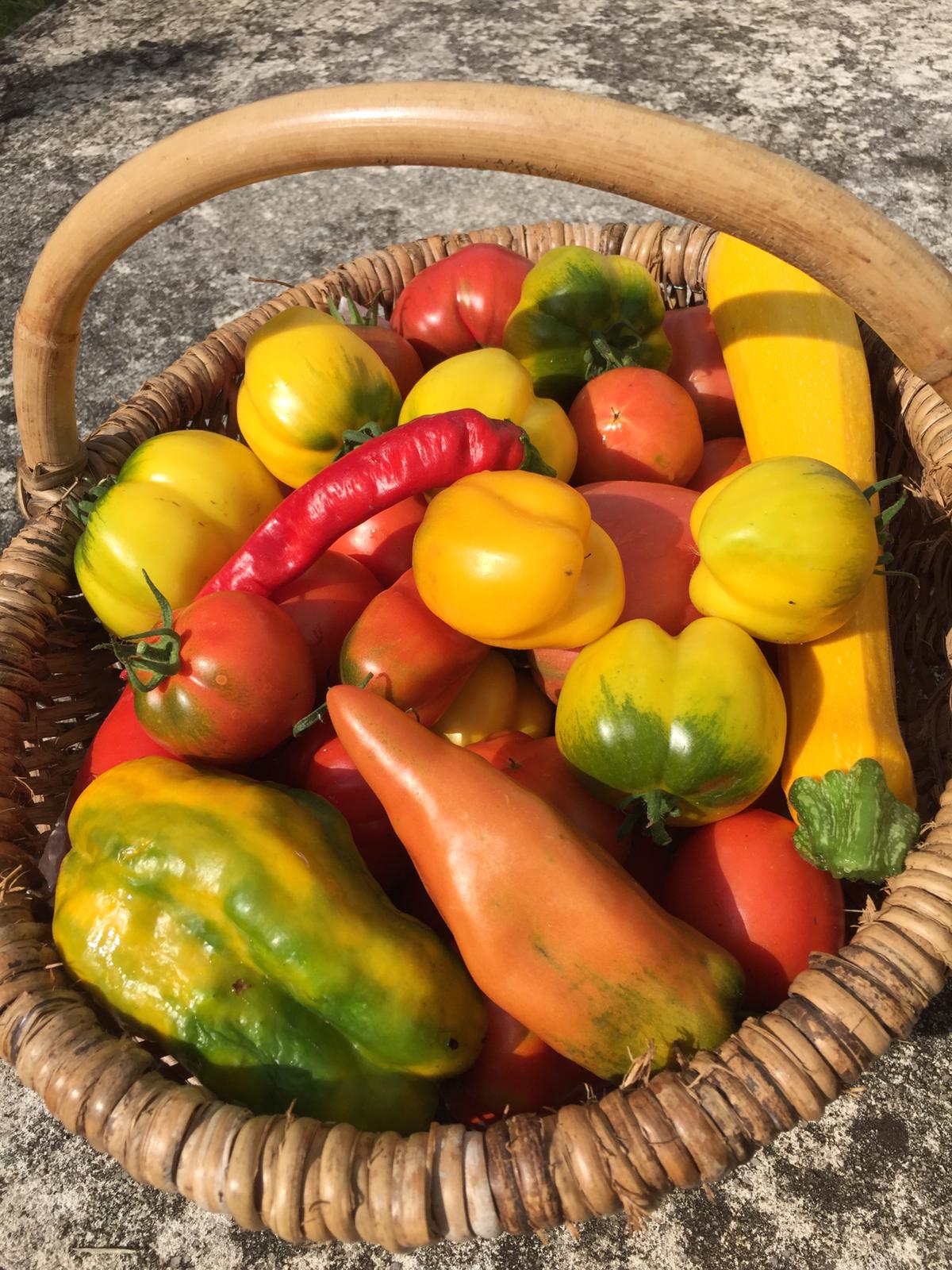
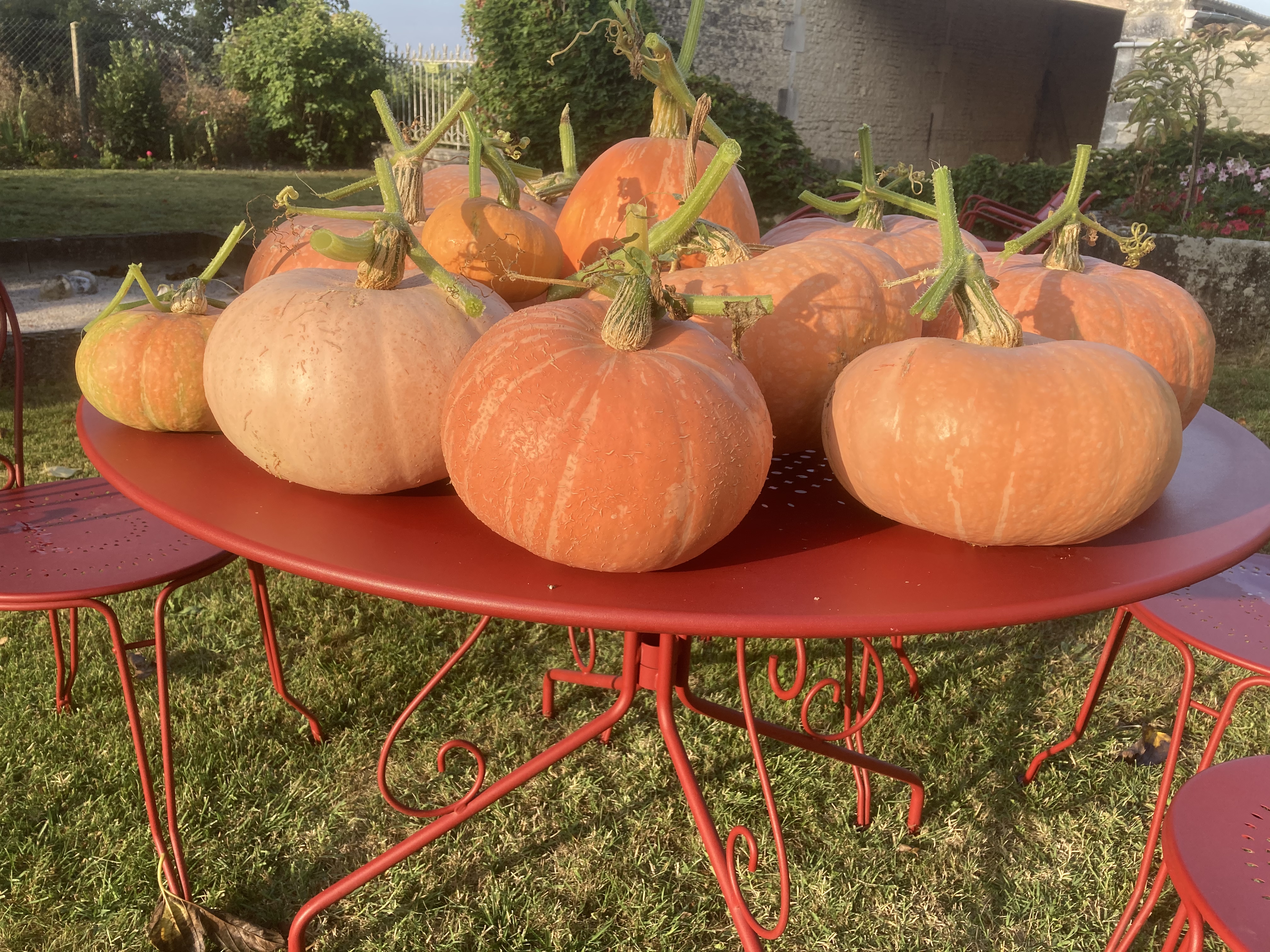
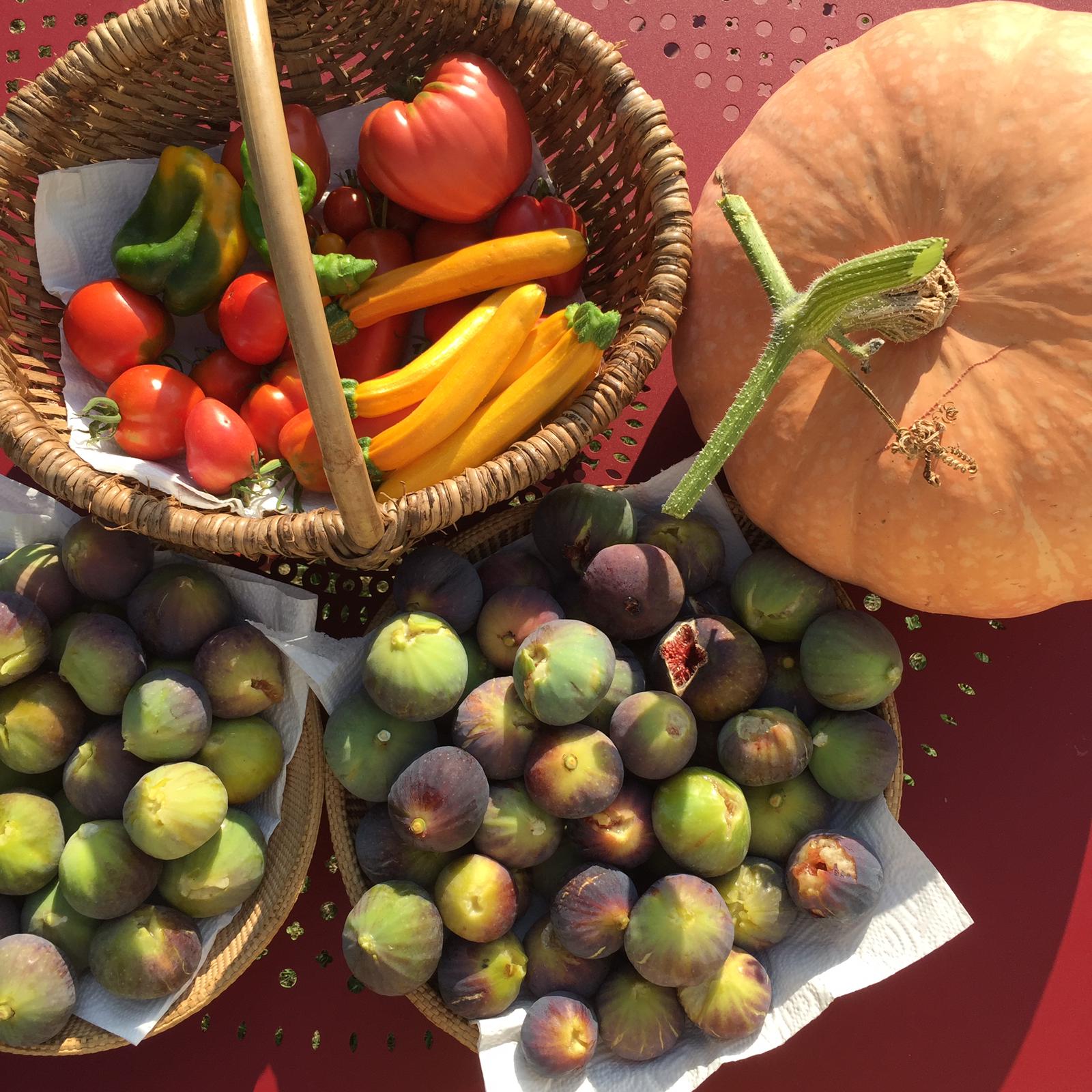
These photos are of some of the harvest we got this year from our little veggie patch. We don’t have a big patch but it’s very productive. I use compost I make from the grass cuttings etc in the garden, and I don’t use any chemicals at all. I live in South West France in an area famous for vineyards where the grapes are grown for cognac production. I’m sure that wherever your live there will be different plants which grow well, which I can’t grow, and others I get in abundance which won’t grow where you are.

As well as geography and environment affecting what you can grow, I believe that we all need individualised diets too – we don’t all enjoy the same flavours, some of us are allergic to certain foodstuffs, and each of us have particular needs in terms of nutrition. But I’m sticking with this one single piece of advice because it applies whatever the variations – eat more plants!

I highly recommend growing some fruit and/or veg if you can. You don’t need a huge piece of ground, and if you live in a city there may be the possibility of getting an allotment, or, increasingly, citizens are getting together to get permission from local authorities to create community gardens where anyone can plant, tend and harvest some fruit and/or veg. See if such a thing exists in your area, and if it doesn’t, maybe you can initiate one…..hey, someone’s got to make the first move!

There is an additional health benefit which comes from growing your own fruit and veg – being outside, exercising and the whole cycle of seeding, tending and harvesting are all good for us. And don’t worry about not managing to become self-sufficient – pretty much nobody is going to become totally self-sufficient from a garden, an allotment or a community project. Just do it for fun, for the bonus of some additional variety to the fresh food in your diet, and there will be a spin off – you’ll become more aware and more informed about ALL the food you consume. For example, the first time I ate a radish I had grown it almost blew my head off! I had no idea radishes could have such a powerful taste! And I’ve had several other mind opening experiences as my taste buds discover flavours for the first time.

So, eat more plants. If you can, grow some plants. And just enjoy the flavours. Honestly, it’ll be a good start.

Read Full Post »

Aix en Provence is a city of fountains. There are dozens of them throughout the town. This one, in the Cours Mirabeau, is a simple bubbling up of water in the middle of a round basin. It’s not a dramatic spray or jet of water, but I love it. I can sit and watch the patterns on the surface of this water for ages. They are mesmerising.

At first, you could have the impression that there is one main point of activity, where the water emerges from the bottom of the basin, sending out concentric rings of ripples towards the outer edges of the fountain. They look like the rings inside a tree, and they remind me of how a small action spreads its effects over the whole body of water.

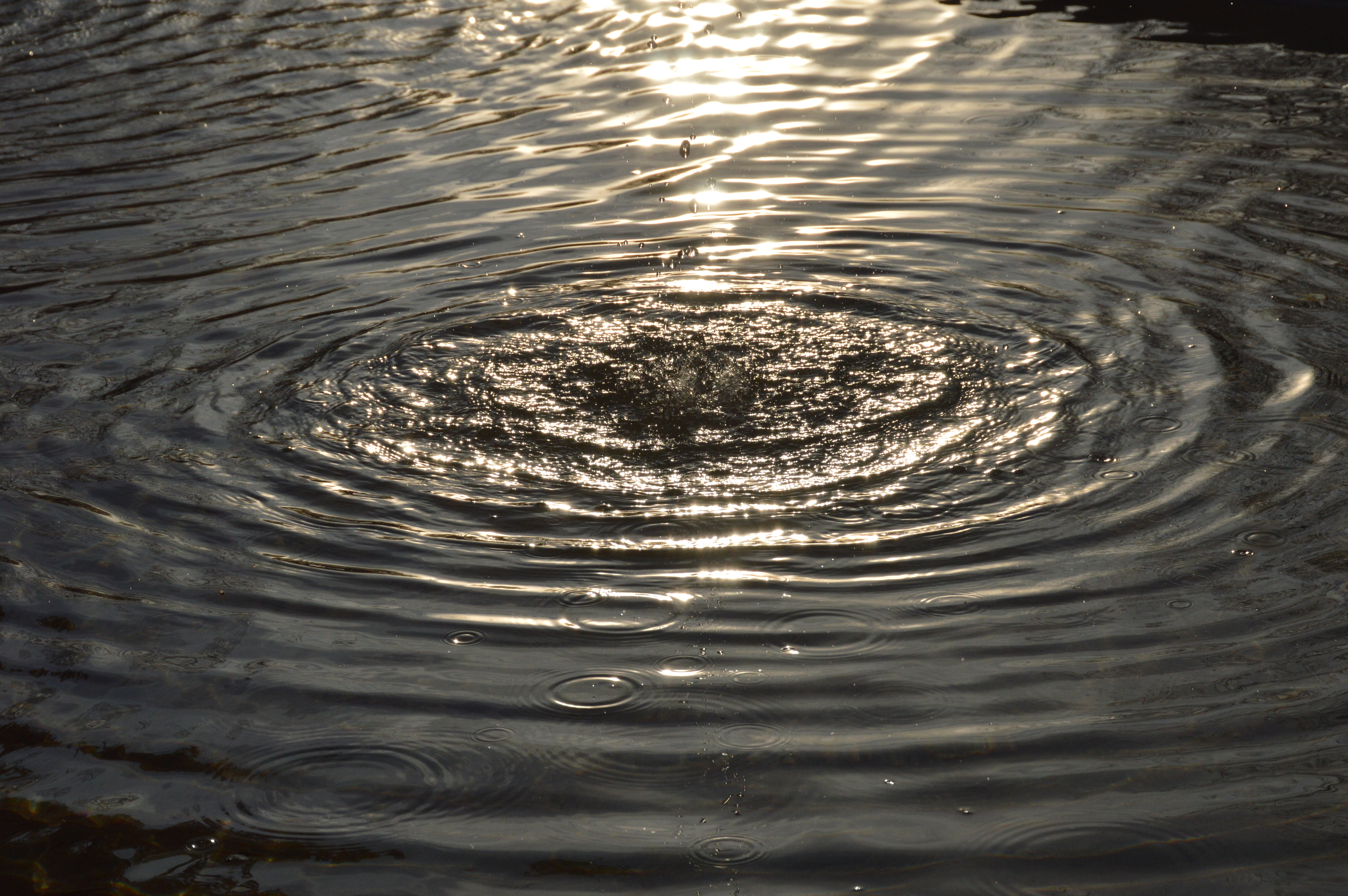
But, you don’t have to look terribly closely to notice that there is more than one centre of action in this fountain. I’ve zoomed in on just one of the several points where the water bubbles up onto the surface. Up in the top left of the image you can see some of the ripples which are clearly coming from another source. Those ripples interlace themselves with the ones from the centre focus, reminding me of a lesson I learned in school when we were studying waves – it’s called “interference” – two concentric circles of waves meeting each other, with two peaks creating a big peak, two troughs creating a deeper trough, and peaks and troughs cancelling each other out when they meet in the same time and space. It’s a beautiful pattern and you’ll be familiar with it.

This image of “interference” from two sets of ripples already demonstrates the beauty of interaction and complexity. It reminds me of the “attractors” we see in all complex systems, and also reminds me that “attractors” do not necessarily pull everything towards them the way the pole of a magnet does. Rather, they are organisational centres, influencing the structures and patterns of the environments in which they exist.

But, wait a moment, we aren’t done. Look a bit closer and you see a number of smaller circles dotted across the larger pattern of the concentric circles. Each of these is caused by a drop of water falling from higher up in the fountain, or from a splash which releases a few water molecules from the mass, a few molecules which fly through the air, then fall onto the surface a short distance from their origin. Look how each of those circles enhances the beauty and complexity of the overall pattern.

In the real world, in the natural world, there is no such thing as simple cause and effect. Everything which happens, occurs within an interconnected web of events, influences and forces. There is always this interplay. There is always this complex beauty which renders the future unpredictable.

What we experience, our health, our illnesses, our joys, delights, our sorrows and pains, are always multi-factorial, always complex in origin, always multiply connected. We pull out some of the threads, focus on some of the events and factors, and create a story which helps us to make sense of what we experiencing. that story is necessarily always complex, always changing, always developing.

I read a passage written by Umberto Eco the other day –

Per ogni problema complesso esiste una soluzione semplice. Ed è sbagliata. (For every complex problem there’s a simple solution. And it’s always wrong.)

Read Full Post »

I’ve long since been drawn to Romanticism. I feel they bring some extra, something deeper, something substantial to the dominant perspectives of the rationalist Enlightenment thinkers. It’s a funny thing, because in many ways I think I’ve lived with a foot in both camps. I trained in Medicine, practised as a General Practitioner for the first half of my career, then as a Specialist in what we came to call “Integrative Care” for the second half. That second half move was enabled by my training in Homeopathy which gave me a different framework to understand individual health and illness, as well as a set of therapeutic tools. We specialised in the care of people with long term conditions at the “NHS Centre for Integrative Care” in Glasgow, with the majority of our patients coming to us for help when they felt orthodox care wasn’t helping them enough. But we had a foot in both camps there, because our hospital was embedded within the Scottish NHS and we had access to all the tools, specialist help and advice of all that orthodox care could offer.

What does that have to do with Romanticism? I’m not sure, but I’ve recently been inspired to explore the Romantics in more depth, because I heard an interview with Eugene McCarraher about his new book, “The Enchantments of Mammon“. He talked a lot about the Romantics and I remembered that Iain McGilchrist had written about them too, so I picked “The Master and His Emissary” off my “most significant books bookshelf” (yes, I do really have such a shelf in my bookcase!), and yesterday sat down to re-read his chapter on Romanticism. One of the first lines in that chapter is

As always it was the clashes of theory with experience that showed up the cracks in the edifice of rationalism.

Well, that’s it in a nutshell……it was the “cracks in the edifice of rationalism” which opened the door to my enlarging my Practice to include a focus on the qualitative, and the “unmeasurable”. And, boy, was that a set of “clashes of theory with experience”!

Then this

Differences are as important as generalities

Now, this must be what became THE foundation stone of my Practice as a doctor. It still makes me a mixture of sad and annoyed when Medicine is conducted as if generalities trump differences every time. There continues to be a real struggle for individuals to have their stories heard and believed, especially when they don’t fit with either “generalities” or “theory”.

The idea of individual difference is central to romanticism

Well, if that is true, then I need to know more about romanticism, because the importance and the inescapable reality of individual difference lies at the heart of my life values.

What’s all this got to do with the photo I’m sharing today? Well, I just read this line

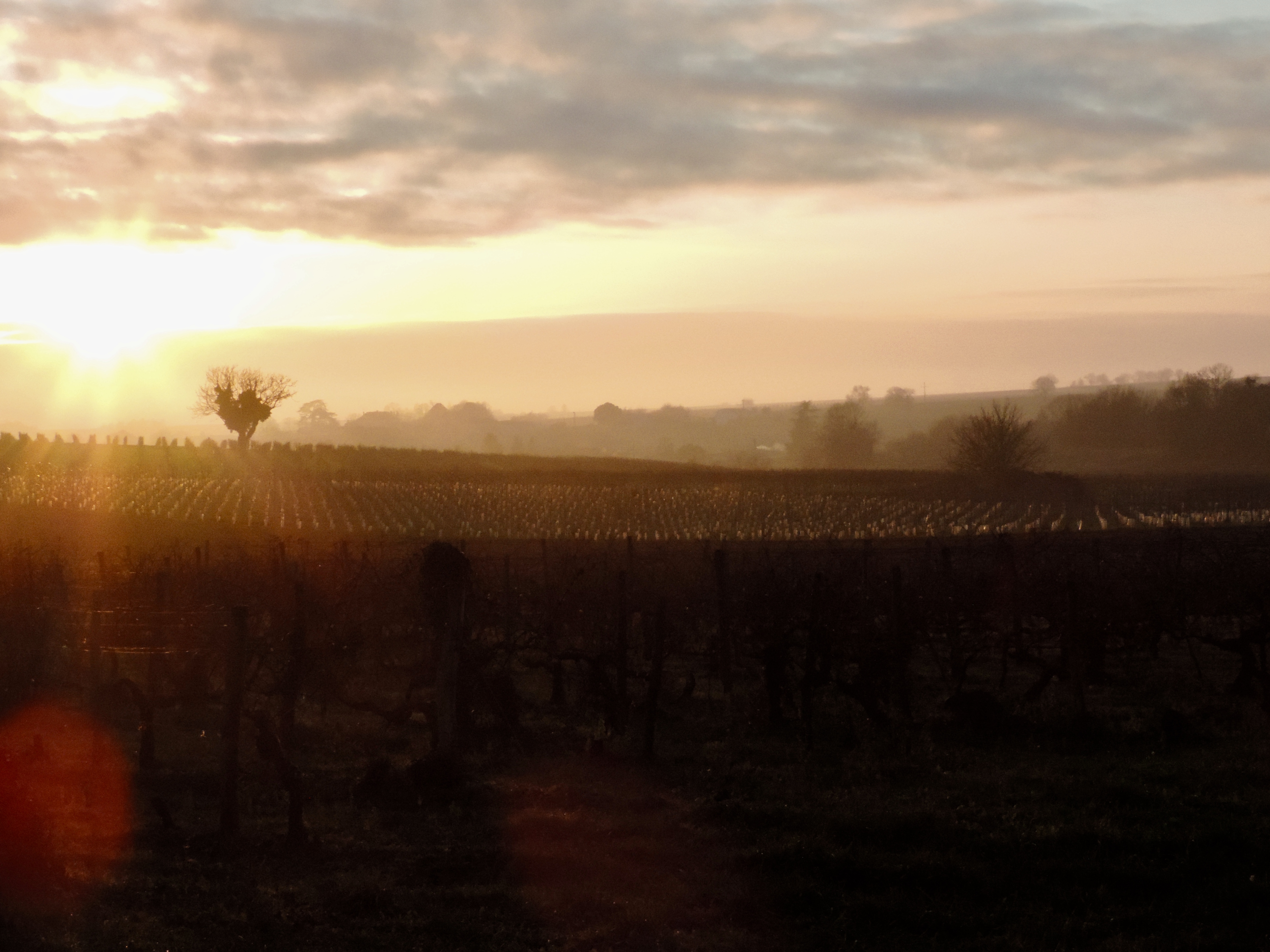
The Romantics perceived that one might learn more from half-light than light

OK, I’ve taken it out of the context of the rest of the chapter but Iain is arguing that a difference between the left and right hemispheres is that the left wants certainty, clarity and exactness, where the right is more interested in the whole, in the synthesis of opposites, in the distance between where we are and where we can almost see.

There’s real beauty here. There’s mystery and enchantment. There’s wonder and amazement. Well, I just love all of that.

Read Full Post »

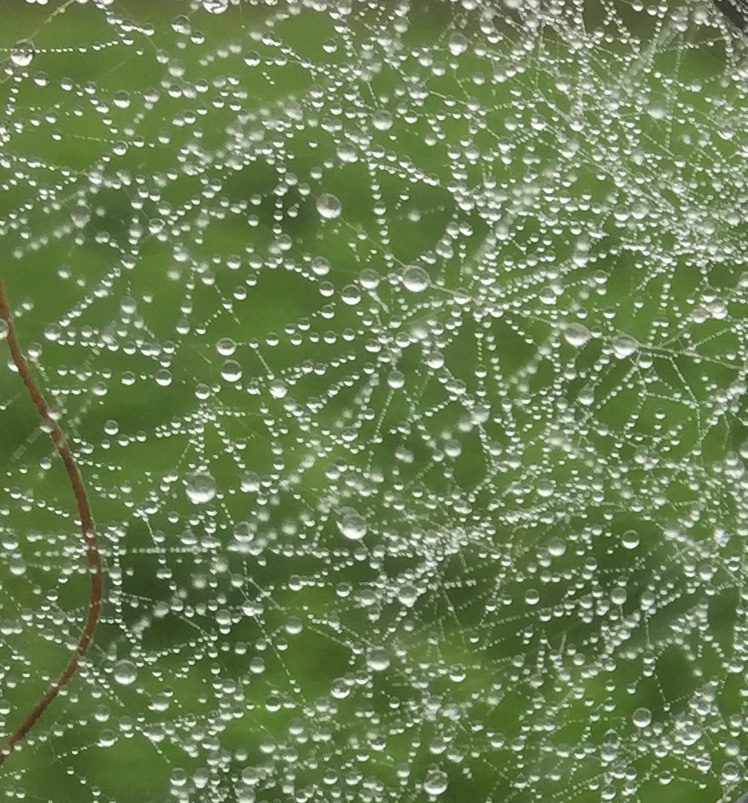
I’ve got lots of photos of spider webs. When there has been a heavy dew and the sun is just up in the morning they look absolutely bejewelled. Mesmerising and gorgeous. Most webs have that classic spiral appearance with a clear centre, and strands all spreading outwards from that centre, then concentric rings of web woven around and around that centre point.

But this one is different, and maybe you’ll look at it and think it’s not as beautiful because it has neither a clear centre, nor any lovely symmetries. But this structure is one of the most fundamental shapes in Nature.

It’s a network. It’s made up of two simple components – nodes and connections. There is no single clear centre, no branching or hierarchical structure. Some nodes are multiply connected, others only connected to two other nodes.

The cells and organs of our bodies are like this – they are multiply connected and once change takes place somewhere it spreads quickly through the entire network. There is no single commanding point. This is an incredibly flexible, adaptive structure and it is exactly what every “complex adaptive system” looks like – either literally, or functionally.

I find it utterly beautiful and wondrous. I love how I can understand human biology through this lens. I love how I can understand the brain through this lens. I love how I can understand ecosystems through this lens.

Every single one of us exists within, and emerges within, these vast complex webs or networks of Life. We don’t function like machines. The connections are not linear – instead they are “non-linear” – so effects can accelerate as they cascade through the system, and changes can occur which are utterly unpredictable from the starting state.

This reminds me of the importance of seeing each of us, not as separate disconnected individuals, but instead as unique instances of change within the entire web of Life.

Read Full Post »

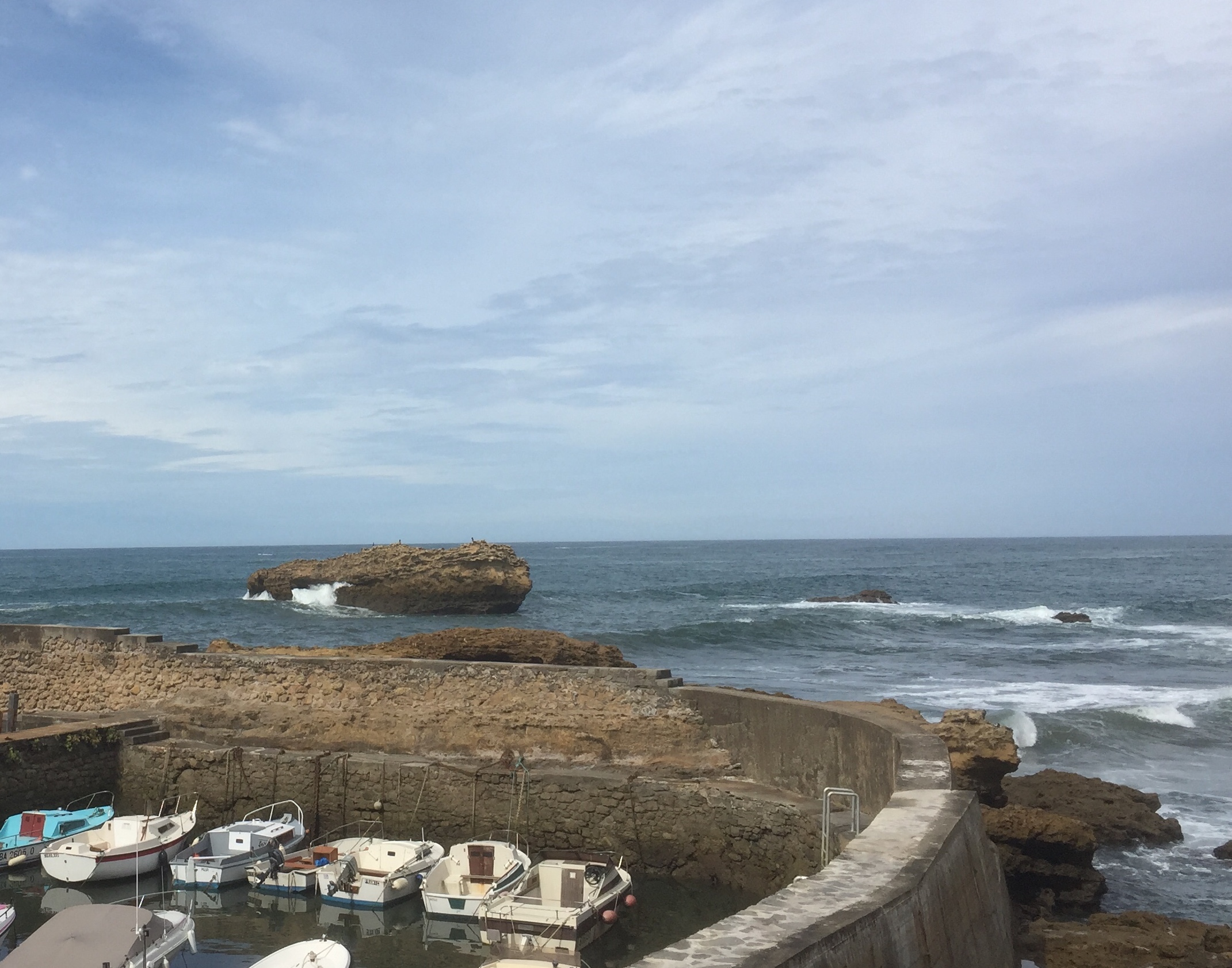
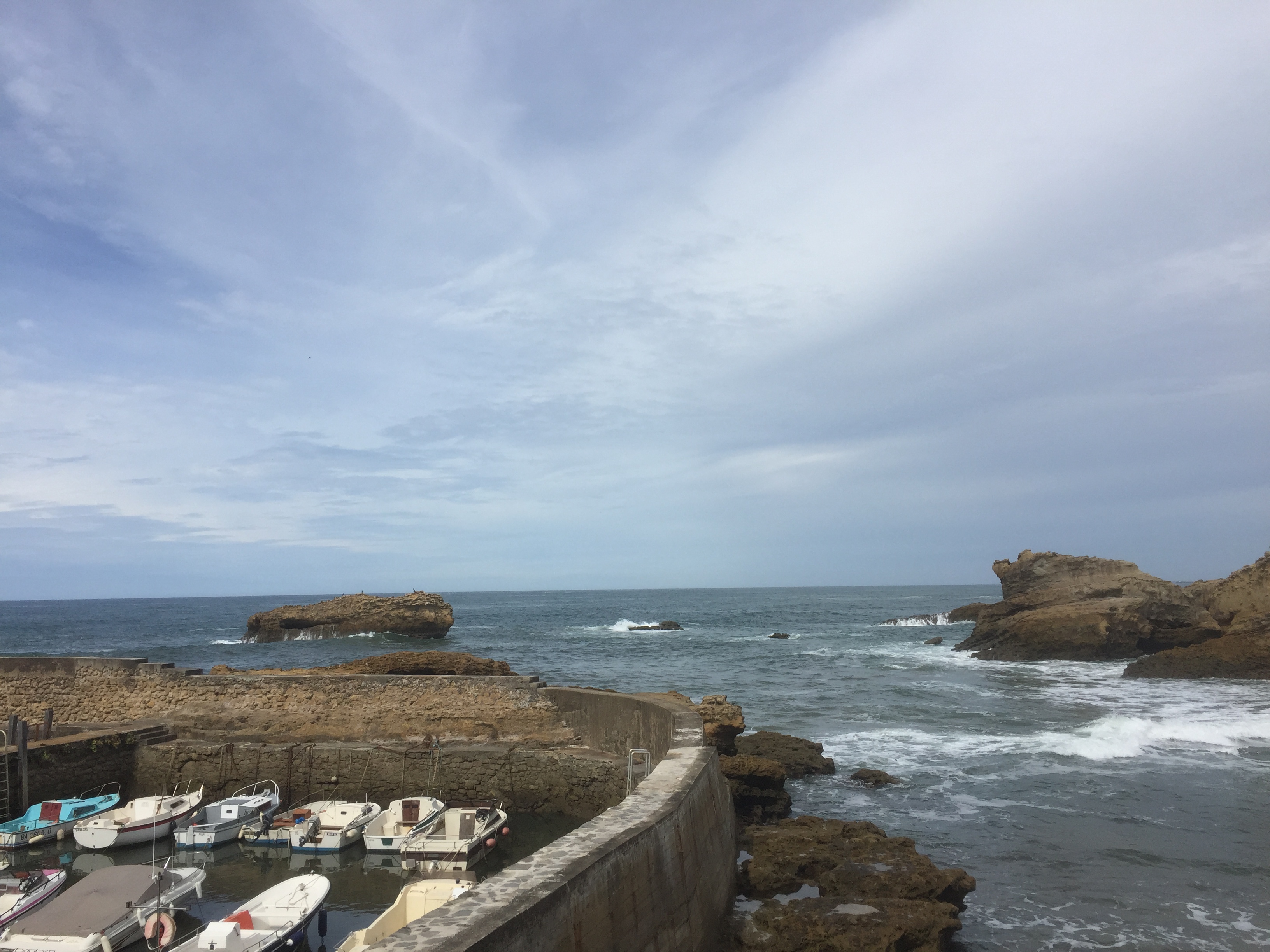
Do you see the rock just beyond the harbour wall? The white foam of the sea catches your eye, doesn’t it? At first, you think it’s water splashing against the rock, because, that’s something you’ve seen many, many times before. But if you keep looking the foam disappears and you can see this –

Click on the photo to get a closer look. Can you see the gap in the rock where the white foam was? If you look very carefully you can still see some water falling down the front of the rock from that gap.

This rock has a gap in it. A long narrow gap. The waves crash against the other side of the rock, the side you can’t see from the land (the dark side of the rock??) and some of the water flows through that gap and cascades down the front.

I don’t know how this began, and I’ve no idea when it began, but it’s quite mesmerising to watch. There’s a rhythm to it, as there always is when you are watching waves breaking on a shore line.

However it began, I know that every time some water forces its way through this gap it widens it just a little bit more. I can’t help but think about that power of water and what it can teach us.

Little by little, probably imperceptibly at first, constant, repeated, pressure of the water against the rock opens, and widens, a hole right through the middle of the rock. It would be tempting to think of the rock as solid and unchanging, and the water as soft and constantly changing, but this reveals that’s not quite right. It’s true that the presence of the rock changes the shape of the water – influences the speed and direction of the waves. But the water actually constantly changes the rock.

Gentle, constant persistence.

I’ve always been a fan of that. The ability to be present, and to pay attention, to sustain that attention, is a powerful skill. I’m pretty sure that’s one of the reasons why so many patients told me the same thing – that they had just told me something they had never told another human being. It always amazed me to hear that. Sometimes it would be an important, even a key, part of their story which made it possible to make a diagnosis. Sometimes it brought about a sudden revelation which allowed the person to make sense of what they were experiencing. One small part of a life story might be like that gap in the rock and as the water of insight flowed through it, suddenly we both understood.

I suppose it’s a bit like that famous line from Leonard Cohen –

There is a crack in everything
That’s how the light gets in

Read Full Post »

I’ve just finished reading Madeline Miller’s superb “Circe”. I can’t tell you just how much I enjoyed it. I found it a great read. I am a bit familiar with some of the Greek myths and legends, including the story of Odysseus, but this way of telling Circe’s story let’s Madeline Miller tell you some of those myths from a new perspective. I just loved it.

Last night I read a passage which made me think “Yes! I must share this!” Here it is –

When I was young, I overheard our palace surgeon. He said that the medicines he gave out were only for show. Most hurts heal by themselves, he said, if you give them time. It was the kind of secret I loved to discover, for it made me feel cynical and wise.

I have long believed exactly that. I used to say to patients something like “If you break a leg, the surgeon will apply a plaster to your leg to hold it still. The plaster doesn’t repair the fracture. It just holds the ends together while your body gets on with doing what it does – healing – or, in this case, repairing the fracture.” Or I’d tell someone “This antibiotic isn’t going to cure your bladder infection. What antibiotics do is to kill bugs. That’s a good thing. But your bladder wall is all inflamed because of the infection, and it’s that inflammation which is causing your symptoms. The antibiotic will have no direct effect on your inflammation. But it will reduce the number of harmful bugs in your bladder to allow your body to get on with doing what it does – healing.”

Does that seem unnecessarily pedantic? I don’t think so. I think it reinforces the patient’s belief that their body can self-heal – which is exactly what all “Complex Adaptive Systems” do – all living creatures have these abilities to self-regulate, self-defend, and self-repair. It’s what they do.

That’s the wisdom part.

But in Circe’s telling this knowledge also brings a certain cynicism, and for me, that’s always been about the place of drugs in health care. There isn’t a drug on the market which is designed to directly promote and/or stimulate self-healing and self-repair. Each drug attempts to redress an imbalance, or to suppress some symptoms or pathologies. The business of the body doing what the body does – self-healing and self-repair is left to be a hopeful sort of side-benefit at best.

There are ways to work more in harmony with the body’s natural powers, but, in my opinion, those ways aren’t taken seriously enough. Targeting pathology/disease and/or symptoms remains the dominant model. But I do dream of a time when the balance tips towards targeting health/healing and/or powers of self-repair, and self-healing. The present types of drugs and treatments will then be seen as the potentially useful adjuvants that they really can be. They will no longer be seen as enough by themselves.

Oh, by the way, “Circe” isn’t a book about health or disease. It’s a telling of some of the Greek myths. It’s just that passage really resonated with me so I thought I’d share it. And, on reflection, don’t those myths have something to tell us about disease and illness, and how we cope, heal and grow?

Read Full Post »

« Newer Posts - Older Posts »