Feeds:
Posts
Comments

Archive for the ‘life’ Category

The Heartmath technique involves recreating a positive emotion – not just remembering a positive event, but actually feeling the feeling again.

When I found this project from “soul pancake” it struck me that they were making little “heart math” moments in the street. Watch the video. It’s delightful, and I’m pretty sure it will make you smile……

……and remember, to flourish, you should try to have a 5:1 ratio of positive to negative feelings/experiences each day.

Read Full Post »


web


When I was little, my grandfather read me Walter Scott’s Tales of a Grandfather. One of the stories was about Robert Bruce who had lost a number of battles with the English, and was sitting in a cave, feeling defeated and in despair. He noticed a spider trying to make a web. Time and again, it tried to spin its thread, and time and again, it failed. But it didn’t give up. As he watched, attempt after attempt, finally he saw it successfully create its web. He was inspired. “If this little spider never gives up and so succeeds, then so might I”. He went on to his famous victory in the Battle of Bannockburn in 1314.

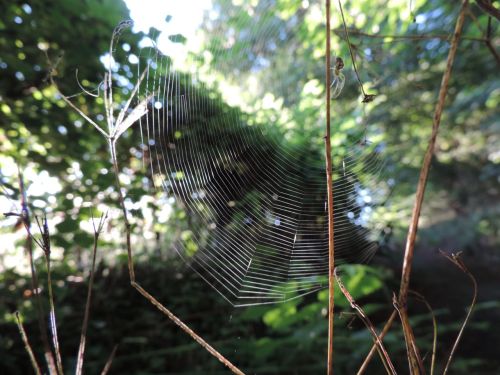
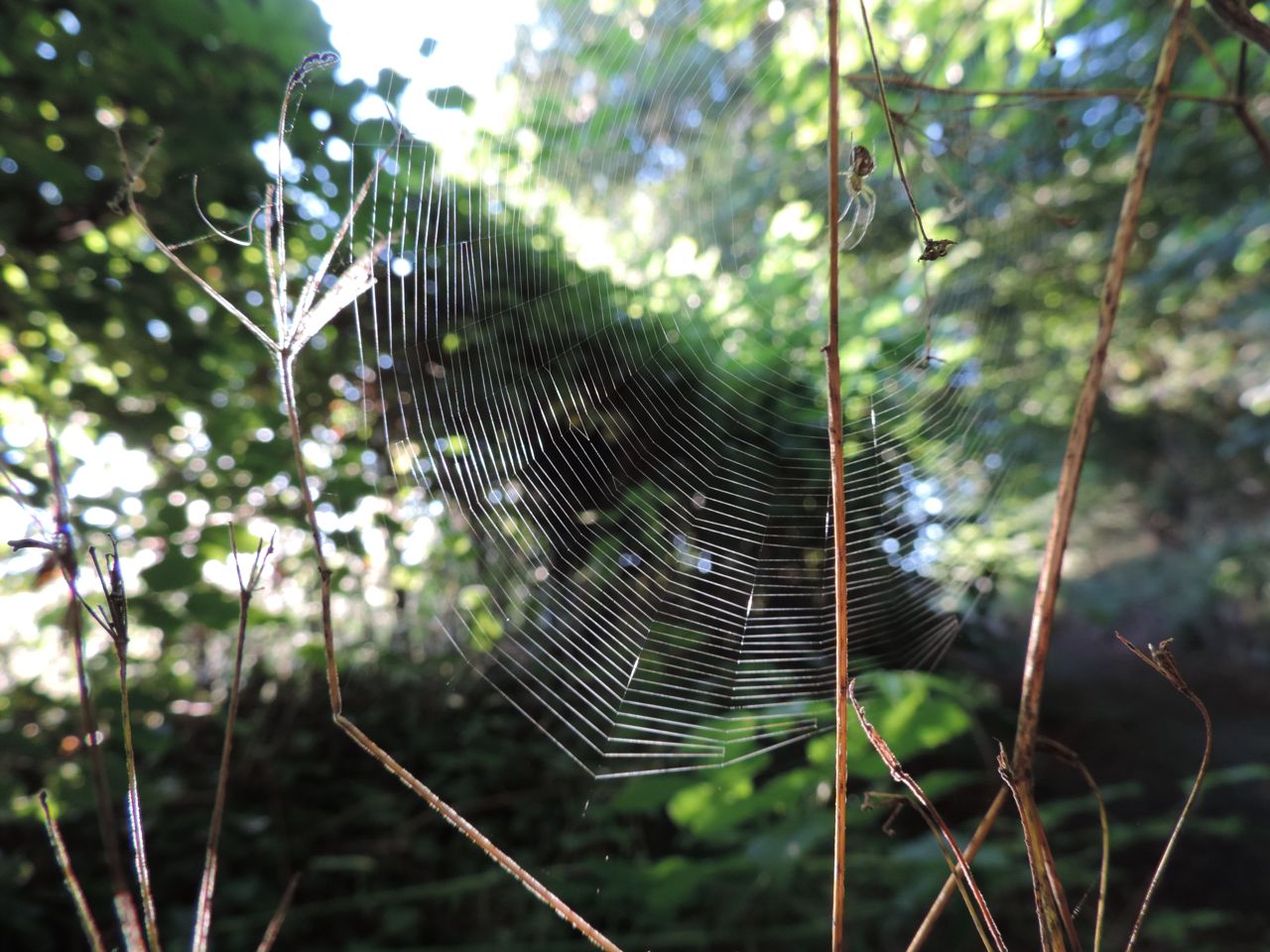
This old story came to mind as I walked along the lane on my way to work this week when I noticed how the early morning sunlight was illuminating this web.

A few days on (my mind never stops, and seems to continue to make connections even when I’m not aware it’s doing so!), I was thinking about how this strategy of the spider can help us understand how to achieve those less tangible goals in life – you know the ones like happiness, love, and health.

I go to work every day to be involved in health making. For much of my working life as a doctor my focus was on disease management, but in this latter half of my career, it’s been squarely on health making.

So how do we make health?

I explore that pretty much all the time. But this web brought a different verb to mind – “catch”.

How do we catch health?

We talk about catching diseases after all, so why don’t we think about how to catch health?

The spider isn’t like a hawk, or a lion, or some other predator. It doesn’t spy on it’s prey, then jump on it. (OK, some spiders do, and you could argue that the rest do once the fly is caught in the web, but bear with me here)

What spiders do is create the conditions for success.

They don’t say “there’s a fly over there, if I run fast enough I can catch it”. They spin a web.

The web hangs there and the spider waits to see what gets caught in it. This requires first of all a lot of effort and creativity on the part of the spider. Look at the web in my photo. It’s both beautiful and quite stunningly amazing when you stop to consider that the spider there spun all of the raw material, the thread, out of its own body, then created this distinct pattern of the web. The spider can’t just sit about and wait till a fly hops into its mouth. I has to create the conditions. It has to put in the effort and it has to choose where to apply its effort.

This choice of where to put the web is probably both instinctive and learned. (Is it? I don’t know. Maybe a spider expert out there can enlighten me) But there is also an element of luck. It’s affected by weather conditions, other creatures, and the amount of passing fly traffic!

I think health making is a bit like this you know.

We can catch better health by creating the conditions for it.

We need to apply ourselves, we need to draw upon our instincts and our learning, and there’s an element of chance.

But I’ll tell you one thing for sure, and it’s the same old lesson Robert Bruce learned. You have to persevere. It’s a way of life, not an event.


Read Full Post »
I came across this the other day –

The Atheist Credo

I believe in one method

of data, hypothesis, and experiment

which was conceived by ancient Greek thinkers,

born in the Age of Enlightenment,

suffered under superstition

is struggling under religion

is bound to make people’s lives better

and will one day bring about a perfect world.

I found it on the blog of a neuroscientist called Kathleen Taylor, having read about her in a French magazine article.

My first reaction was what?!

“data, hypothesis, and experiment” ………. “will one day bring about a perfect world”

Really?

It’s niggled away at me since. Here’s my problem. Well, two problems actually. I’ll start with the last one first. What’s a perfect world? I wonder what the author imagines a “perfect world” would look like?

Do you have an idea what a perfect world would be like?

Do you have an idea of how to bring that about?

But before we get to that closing sentence, its the earlier statement that really worries me. Right from the outset.

“I believe in one method”

OK this “one” anything always worries me. It worried me when Mrs Thatcher said “there is no alternative” (“TINA”). It worried me because it made me think of totalitarian regimes, from Stalin to who knows who else? It made me think of fundamentalists – theists, as well as atheists. Nature loves diversity. The “one method” stance strikes me as being about power over others.

It brought back to mind Deleuze and his “three ways of thinking” – science is thinking about function, philosophy is thinking about concepts and art is thinking about percepts and affects. (I know I’m way over-simplifying what he said here, but that’s the gist of it as far as I’m aware). And that quickly led me onto to that second line  – “data, hypothesis and experiment” – she means, of course, “the scientific method” – as interpreted by modern day materialists. And again, I find myself thinking “Really? Is she having a laugh? Is this tongue in cheek?” …… maybe it is. But I suspect there are people who would resonate with this all the same.

So what about music, and painting, and poetry, and novels, and the theatre, and love, and laughter, and passion, and relationships? We can make those perfect through this one method too? This one method is enough to create a perfect world full of love, laughter and flourishing?

What do you think?


Read Full Post »

DSCN0031


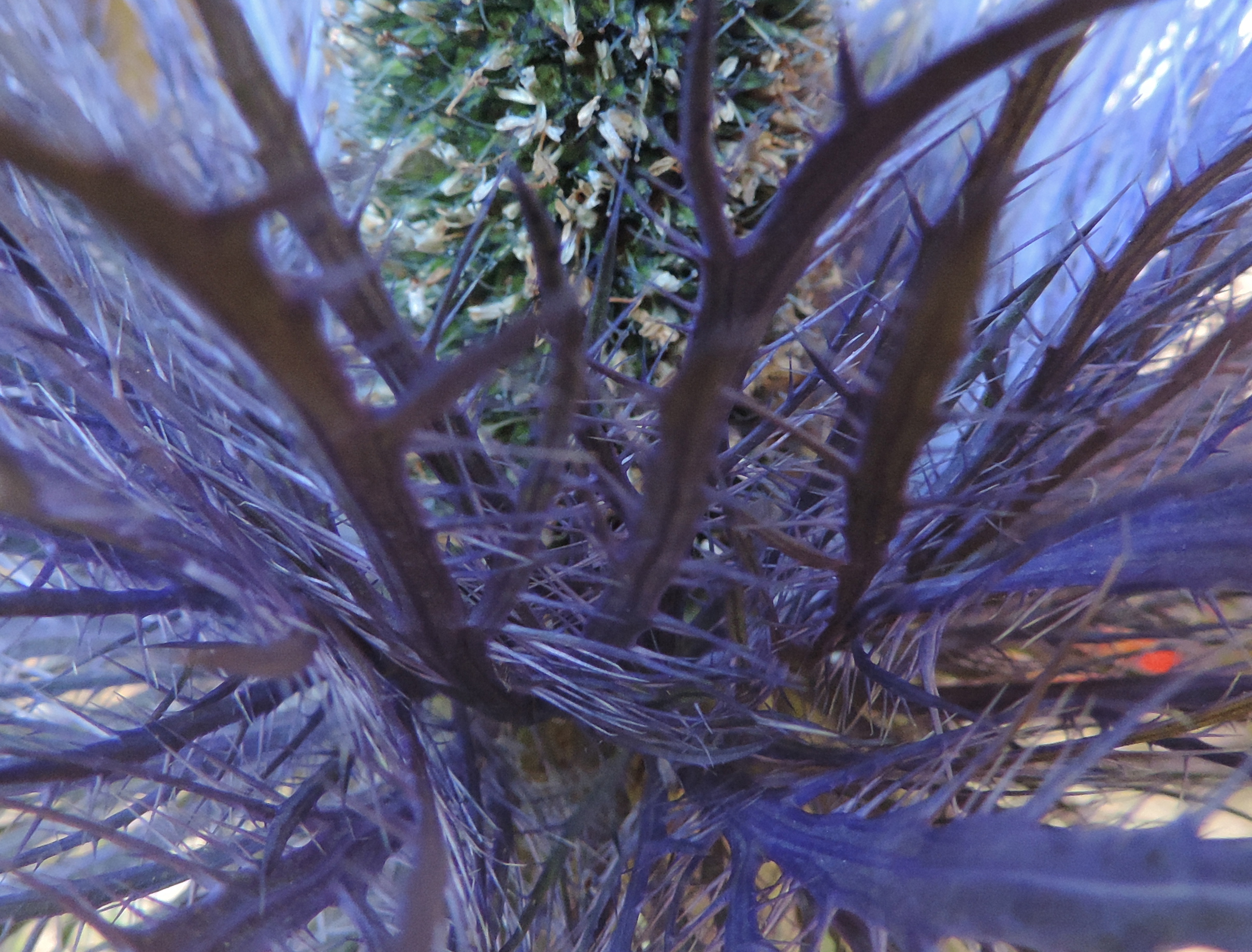
When you look closely at a spectacular flower, like this Eryngium, you can really immerse yourself in the present moment.

This is a kind of meditation for me…..an exercise in being fully present, in flowing into that amazement and wonder of the everyday reality, and of savouring it fully.

The colours and shapes bring me such aesthetic pleasure.

The astonishing delicate complexity fills me with awe and wonder.

Life is living these moments.

Read Full Post »

Howard Bloom, in his excellent, “The God Problem” [ISBN 161614551X] starts by highlighting what he calls “five heresies”, or “five tools” which we can use to try and understand how our universe of everything was created, apparently, from nothing. I think they are all useful. Here they are –

1. A does not equal A

This is a challenge to dominant Aristotlean logic. Aristotle couldn’t accept Heraclitus’ view that you can’t step in the same river twice. He wanted to nail reality down by reducing it to a simple logic of A = A. Trouble is, the universe is a dynamic, evolving universe, so nothing stays the same. Even once you’ve named something, that something has already changed since you named it. This is what I was referring to when I wrote “waves not things“.

2. One plus one does not equal two. Here, he is referring to the fact that complex systems cannot be explained by simply adding up their parts. When a vast number of components join together, they begin to exhibit behaviours which could never have been predicted by any of the parts themselves. This is the main reason I refuse reductionism. To reduce a human, is to deal with something subhuman. A whole human being cannot be understood by adding together his or her bits!

3. “The second law of thermodynamics, that all things tend toward disorder, that all things tend toward entropy, is wrong” Just consider how a human being grows from a single cell, and continues to develop ever greater order and complexity as it matures. Or consider what’s happened from the perspective of the universe story – where the universe hasn’t demonstrated a path towards ever greater disorder, but rather to ever greater complexity and order.

4. “The concept of randomness is a mistake”. The popular view that we live in a totally random universe is not supported by what we know about the universe. The Big Bang did not create a billion DIFFERENT elements. Our entire physical universe is made of the elements we’ve laid out on our Periodic Table – a surprisingly small number of elements for a totally random process! It’s not totally random, of course, chaos has been seriously misunderstood. There are underlying patterns influencing the creation of the details – from galaxies, to worlds, to human beings. The underlying pattern is not total randomness.

5. “Information theory is not really about information”….instead “meaning….which believe it or not is not covered by information theory….is central to the cosmos. Central to quarks, protons, photons, galaxies, stars, lizards, lobsters, puppies, bees and human beings”

Bloom concludes

The bottom line? Sociality. This is a profoundly social cosmos. A profoundly conversational cosmos. In a social cosmos, a talking cosmos, a muttering, whispering, singing, wooing, and order-shouting cosmos, relationships count. Things can’t exist without each other.

Read Full Post »

Isn’t it amazing how being human involves unrelenting, constant change? My body feels like my body. It’s always felt like my body. But there isn’t a single cell in this body today which was here when I was a child. In fact all of the cells which make up this body are continuously being renewed. Some die off, others are born. So what is this “me”? And, at this point, I just mean my physical being. Goodness knows how you pin down the subjective “self” that is me! I create that every moment of every day.

With all this constant change, how come I retain a consistent identity?

I certainly don’t feel I am a “thing”……I’m not even sure what a “thing” is! What I mean is I am not an object. I cannot be reduced to my “substance”, my cells, my molecules, my DNA even. The totality of me is more than that, and the totality of me, right here, right now, had never existed before, and won’t exist exactly like this by the time you read this.

I think I’m a wave.

What I mean is I am more like a wave, than an object.

Have you ever stopped to think about what a wave is? You can spot a wave far out from the shore and follow it as it heads towards the rocks or the sand, but that wave is not an “it”. The water particles which make up the wave stay pretty much where they are. As the wave passes through the water, the particles just move up and down in a circular motion. They don’t actually head together towards the shore.

As you follow a wave, you are watching an energy complex consistently recruit particles into a distinctive pattern or forwards but it doesn’t bind those particles into an entity. It picks them up and drops them, moving its shape through the water……

Here’s a couple of quotes from other authors about waves.

The truth is that life is not material and that the life stream is not a substance.

Luther Burbank

You are a wave. Every minute you say goodbye to more than a billion combinations of post synaptic receptors in your brain and replace them with new ones. You do the same with the cells that line your digestive tract and make up your skin. And you constantly shift your mind from one obsession to another. Yet you retain an identity. Something more puzzling than mere substance continues to impose the shifting flicker of a you…..Your identity is a pattern holding sway over a hundred trillion cells that change constantly…….Your self is a dance that uses matter to whisk from the invisible and the impossible into the gasses, dusts, and jellies of reality.

Howard Bloom


Wave

Read Full Post »

Petal

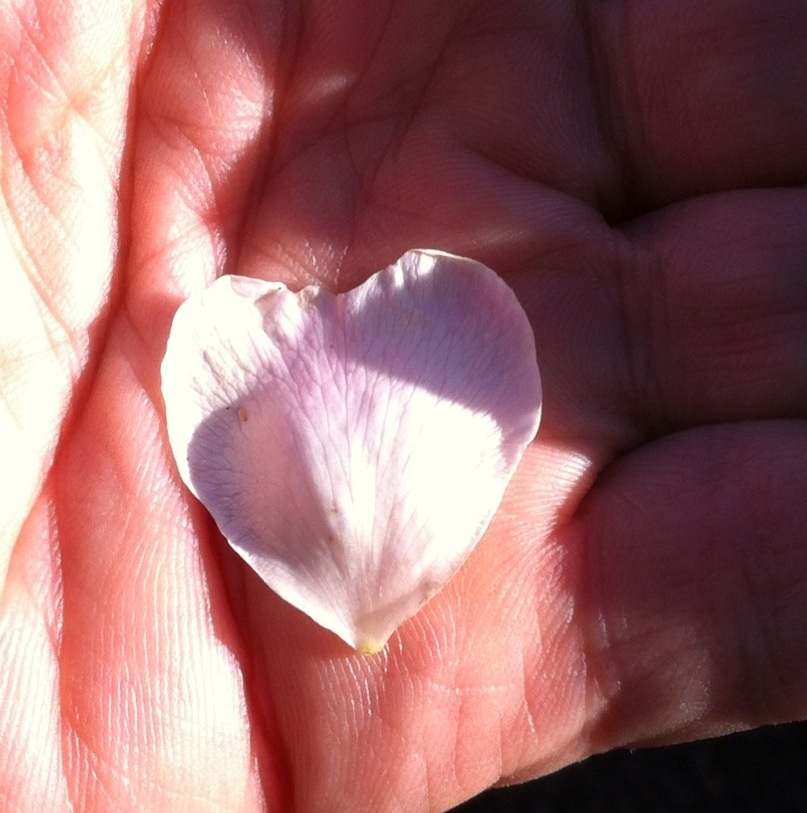
I noticed this. I noticed it partly because of its colour, and partly because of its shape. A lot because of its shape. This is what we do. We notice patterns. We recognise patterns. Patterns kick off a train of associations in our memories and our imagination.  I noticed the shape of a heart. Then I held it in my hand. Not grasping, but holding lightly. I held it in my hand and I wondered about the little veins in the petal, and how they looked like the creases in my palm. And I wondered about the intricacy of the petal, and the intricacy of my hand. And I was amazed yet again how the universe creates such beautiful complexity, such uniqueness, filled with connections, intricate echoes of the past, continuously evolving through today. And I photographed it with my iPhone. And I shared it. This is what we do. This is us becoming more human every day……noticing, reflecting, sharing.

Read Full Post »


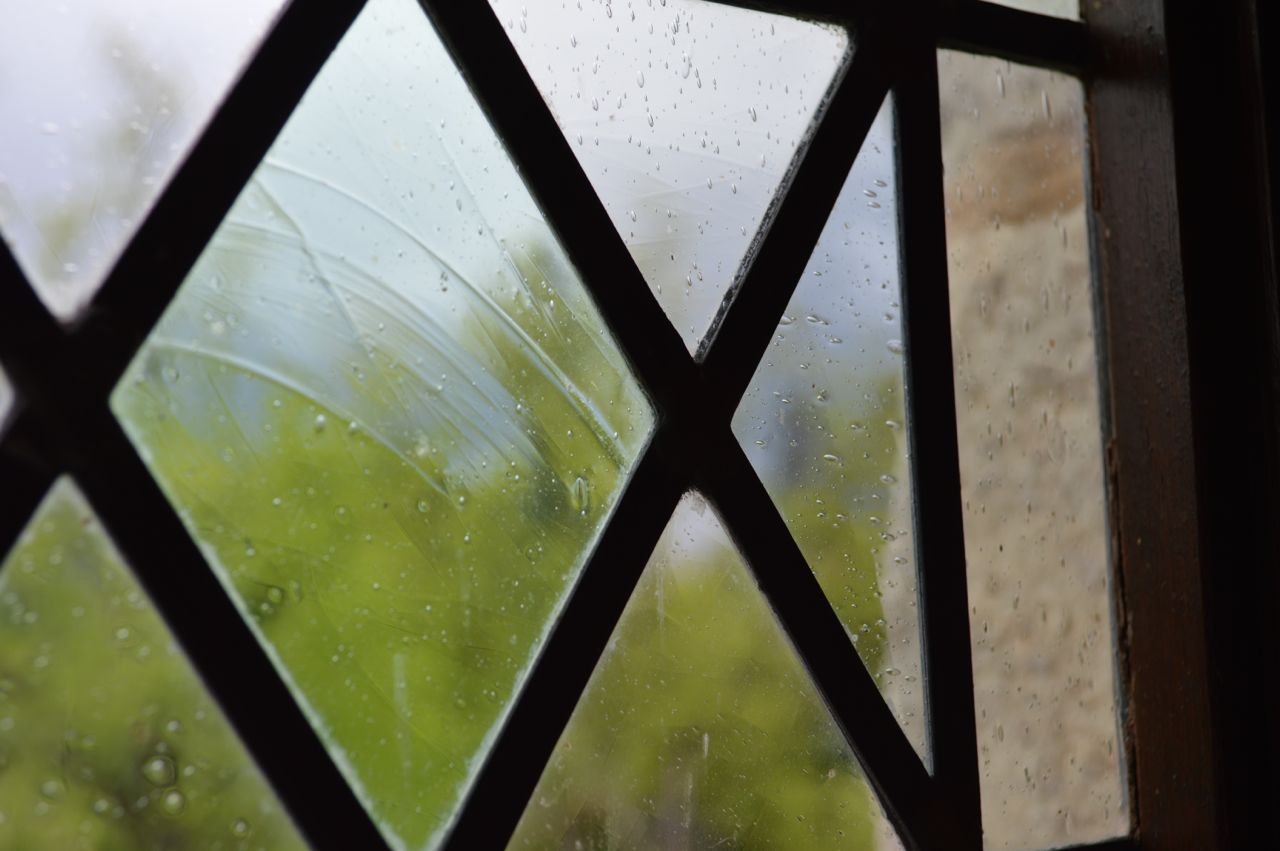
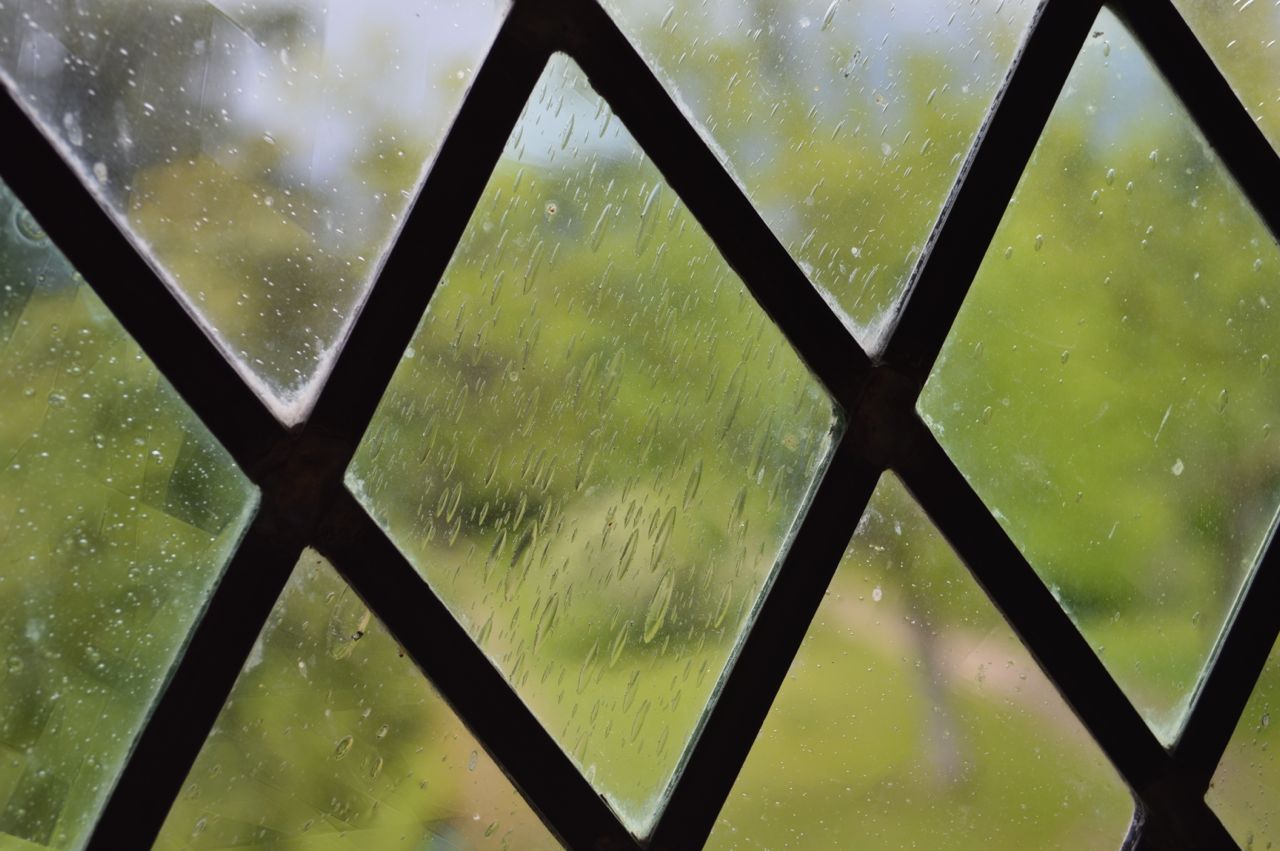
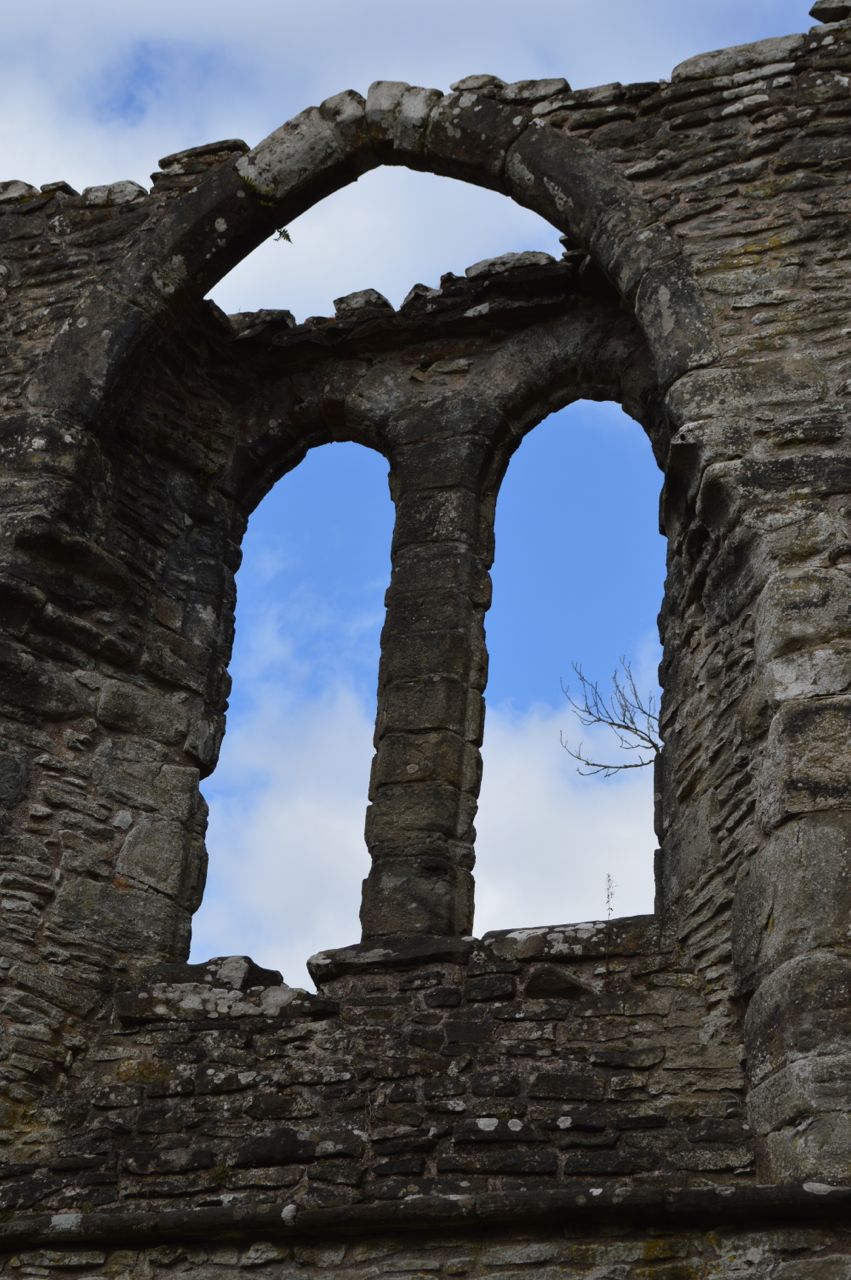
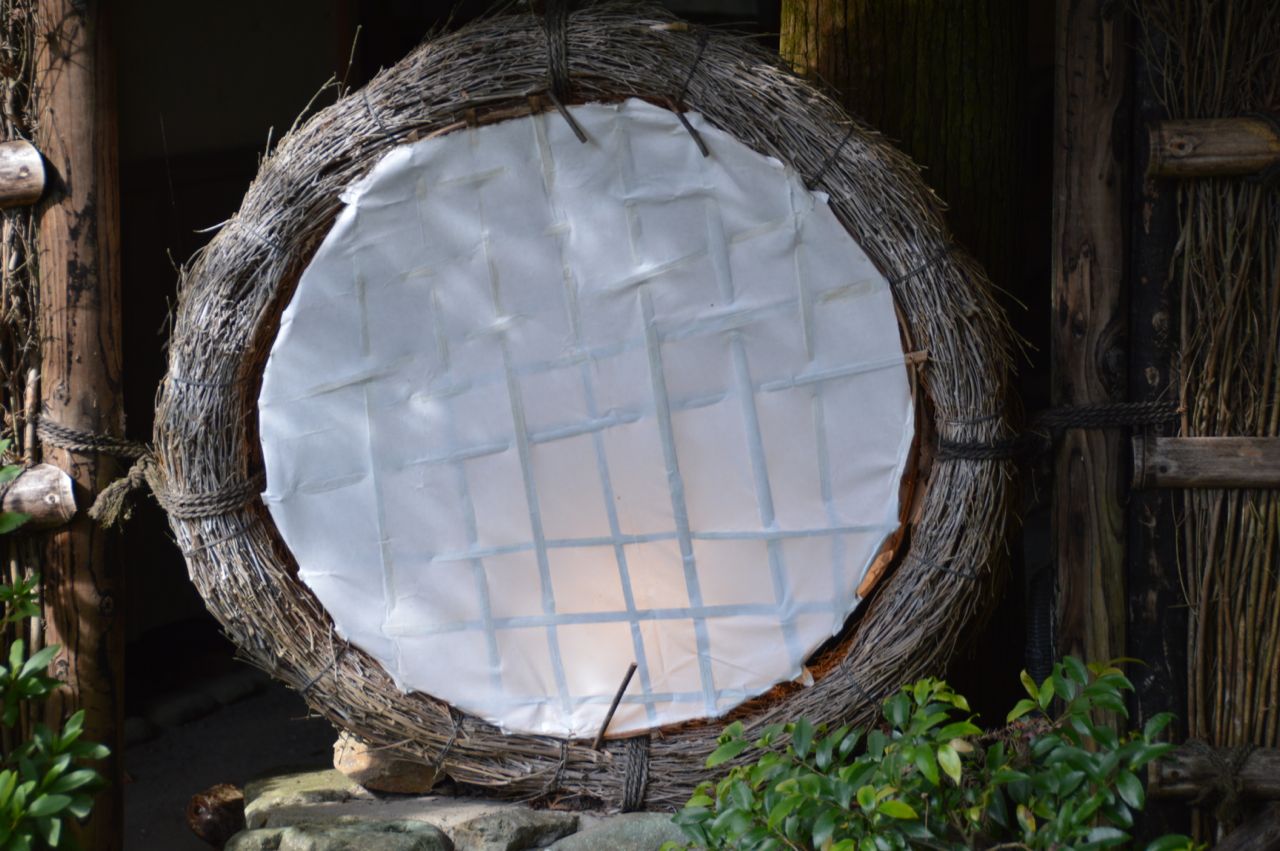
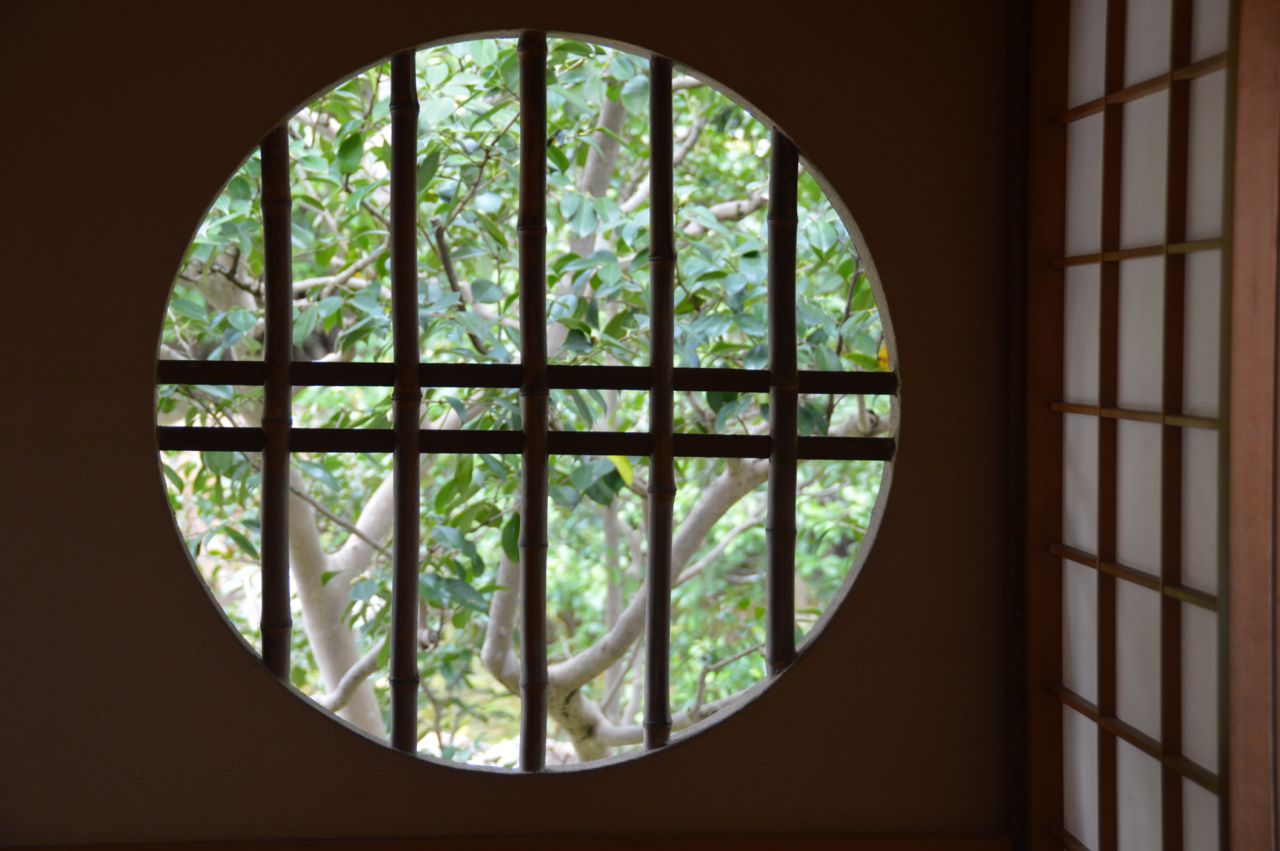
We tend to look right through windows. We look as if the window isn’t there. But as I look at these photos of windows, I wonder two things. First of all, how beautiful the window itself often is. Secondly, how does the window itself influence what we see as we look through it?


glasswaves glassspeckles stonewindow paperwindow templewindow

What are your favourite windows?
What does the world look like through your window?

Read Full Post »

pine


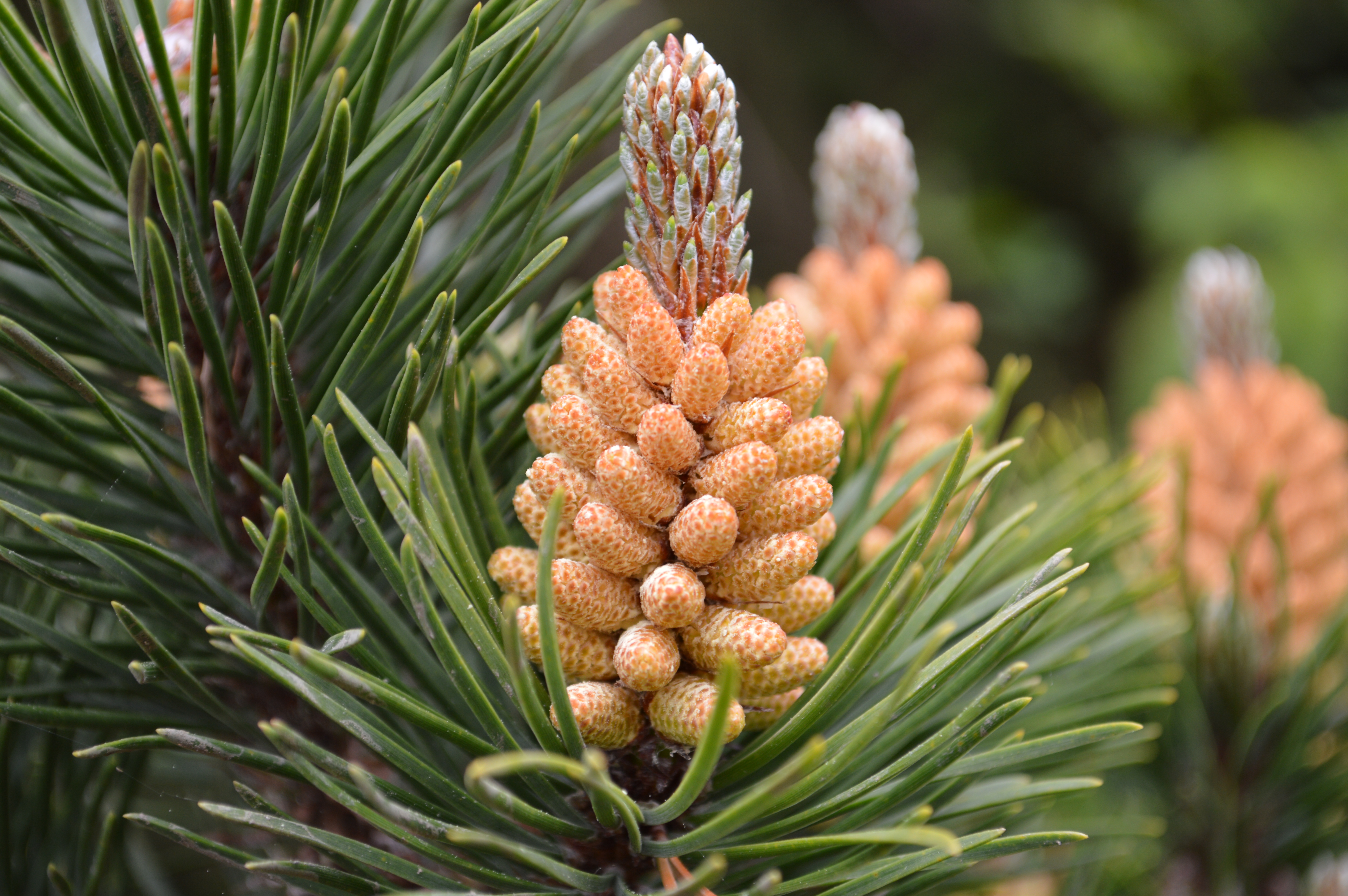
This tree is just bursting with potential. Every little seed could grow to become a whole tree. Could you tell what the tree will look like, just by looking at one of these seeds? Only if you have seen one of these seeds before and you recognise it, or if you see it in the context of the parent tree (as you can see in this photo). But even then, you can’t predict which seed will become a full tree, and which won’t. Nor can you tell EXACTLY what the particular grown tree will look like.

But what we do know, is that here is potential and possibility.

Life is like that. YOU are like that.

Bursting full of potential.

What are you becoming…..?

Read Full Post »

I read Montaigne’s essay yesterday about “Liars” and it made me laugh out loud. I really enjoy Montaigne’s humility. It seems to me that he frequently wrote with a twinkle in his eye. In this essay he refers to his claim that he as a terrible memory. He says that others consider that an affliction of sorts, but he thinks it has advantages.

Firstly, he says that having a poor memory has saved him from being an ambitious person – “the defect being intolerable in those who take upon them public affairs”.

Secondly, he says it has saved him from deafening all his friends with his “babble”

I have observed in several of my intimate friends, who as their memories supply them with an entire and full view of things, begin their narrative so far back, and crowd it with so many impertinent circumstances, that though the story be good in itself, they make a shift to spoil it…for whilst they are seeking out a handsome period to conclude with, they go on at random, struggling about upon impertinent trivialities, as men staggering on weak legs.

…..old men who retain the memory of things past, and forget how often they have told them, are dangerous company; and I have known stories from the mouth of a man of very great quality, otherwise very pleasant in themselves, become very wearisome by being repeated a hundred times over and over again to the same people.

Thirdly, he says he is less likely to remember the injuries he has received (and therefore doesn’t hold grudges)

Fourthly….

the places which I revisit, and the books I read over again, still smile upon me with fresh novelty.

And, finally, (getting to the title of the essay) he says that it has saved him from being a liar, because liars always forget the details of their lies and trip themselves up. Knowing he has a bad memory means he doesn’t trust himself to lie!


Read Full Post »

« Newer Posts - Older Posts »