Feeds:
Posts
Comments

Archive for the ‘perception’ Category

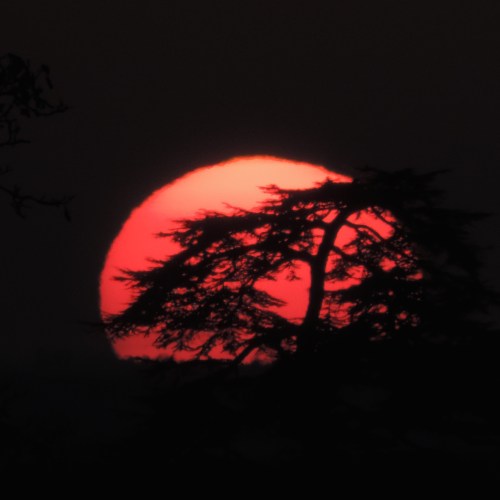
setting sun behind tree

Sometimes as the sun sets it looks bigger than it does on most days.

Yesterday was one of those times.

There’s a lot I like about this shot.

I like the wavy edge of the sun. We tend to think of the sun as a perfect circle but when we see the close up photos taken from satellites and with telescopes we see that it is a huge furnace of fire, constantly sending flames and gases into the rest of the universe.

I like the shades within the colour of the sun. I put on my exposure bracketing to capture a number of different exposures because a straight point and shoot bleached out the sun and made it appear white, when, in fact, it was the rich redness which drew me out into the garden with my camera. This particular exposure captures the colours I saw most closely.

I like the tree on the horizon just in front of the sun. If you are in the habit of watching the sunset from a particular place you’ll be well aware that it disappears below the horizon slightly further east, west, depending on the season. Just now, in December in France, the sun is moving slowly further east. In midsummer it settles down way further west than where this tree is growing. So, in fact, I could only get this particular image from this particular spot in the garden yesterday. Even if the sun sets as beautifully again tonight, it won’t be setting exactly behind this tree (leastways, not from my garden)

Aren’t all those aspects of this image wonderful? The irregularity of the edge of the sun, the changing shades of colour, and the particularity of the place, which is created by the unique combination of the observer’s position, and the day of the year.

I adore this uniqueness.

I love this transience.

I delight in the beauty of ever-changing Nature.

I relish these rhythms of the year.

I am grateful for the opportunity to see and to be aware.

And it warms my heart to share.

I hope this enriches your life today.
Read Full Post »

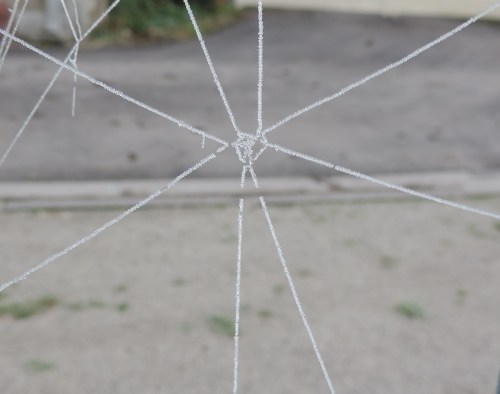
simple web

I’ve seen some amazingly complex and elaborate spider webs in my time, but look at this one I stumbled across early one morning recently.

I reckon this has been spun by a truly Charentaise spider. One of the commonest phrases people use in the neck of the woods is “soyons zen” (“let’s stay zen” – meaning keep calm, take it easy, relax…..you get the drift!). The creature which is one of the emblems of this region is a snail, and a small town near me (Segonzac) is one of the “Citta Slow” network.

cagouille

People say the River Charente flows slowly and calmly. It’s not in a rush. It doesn’t get all white spray and choppy (at least not as it flows through Cognac), and the way that river lives becomes yet another potent emblem of the Charentaise way of life.

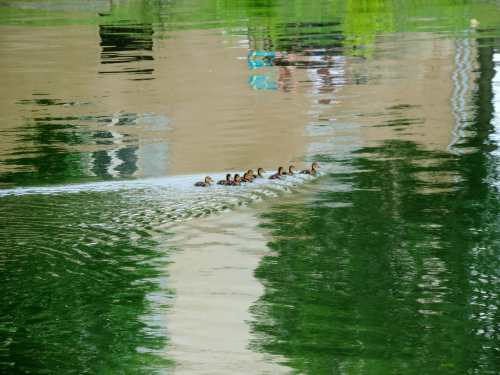
duck family

So what struck me about this web was its bare, sparse, simplicity. And it’s that simplicity which appeals to me so much. I find a real beauty in it. Yes, I admire, and can easily be in awe of, the complex and the elaborate, but simplicity just hits the mark so directly and powerfully, don’t you think?

I know, some of you might be thinking “that spider’s not going to catch many flies with that web!” and I thought that too, but then I got to thinking, who says spiders never make webs just for the sheer fun of it? Who says spiders only have one reason to spin a web? And how does whoever says that, know?

Maybe some webs are spun to catch morning dew.

Maybe some are spun to be beautiful.

Maybe some are just spun because a spider is just being, sorry…… becoming, a spider!

Read Full Post »

between

I’m not a fan of labels and categories.

I don’t like putting things into boxes with rigid edges.

I find life is so complex, rich and varied that to default to “two value thinking” (categorising experiences or phenomena as either “this” or “that”) diminishes rather than enhances.

I like what Iain McGilchrist refers to as the “between-ness” of things. He says that’s the essence of the right cerebral hemisphere’s approach to the world.

Focusing on the between does at least two things I find. It heightens my awareness of change, because all I see, hear, taste, feel, think about, is constantly becoming. Secondly, it focuses me on relationships and connections. To look for the between involves considering between what, and so, not only what is being connected, but on the very quality and nature of the connections and relationships themselves.

The moments just after the sun sinks below the horizon are a fantastic opportunity to immerse yourself in the between. If day is when the sun is in the sky, and night is when it is below the horizon and the light has gone, then these moments, one of which is in the photo here, are somewhere in between day and night.

Try it for yourself and see what it feels like. Experience the between!

Read Full Post »

DSCN4747

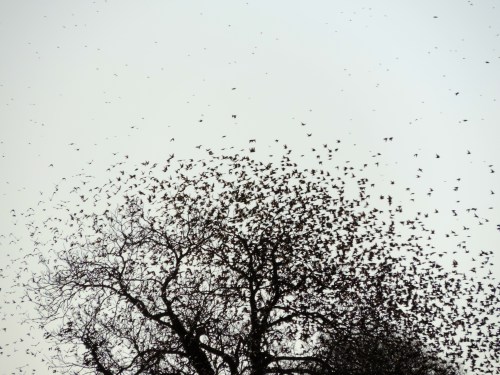
Look at this tree. Those aren’t leaves, they’re birds! Hundreds of them, thousands maybe.

I’ve never seen such a large flock of birds near me before. Maybe you haven’t either. What do you think your response would be? Would you think of Alfred Hitchcock?

Not me!

I didn’t think of that for a moment.

I was fascinated, entranced, drawn outside with phone and camera to do my best to record something of this phenomenon.

Here’s what I put together from my short video clips and some photos.

Later, while reading Montaigne, I read

He who fears he will suffer, already suffers from his fear.

It got me thinking about the stance we take towards the world, about our default attitude. Because isn’t there so much fear around? In fact, it seems to me that fear is often used deliberately as a weapon of control.

What’s the greatest fear?

Some say it’s the fear of death. That this “existential fear” is the foundation of all other fears. For example, as a comedian I heard once said “I don’t have a fear of flying. I have a fear of crashing!” People who fear the dark, fear what dangers might be hidden in the darkness. People who fear dogs, fear that the dogs will attack them. People who fear illnesses, fear suffering and death.

Montaigne says if you spend your life fearing suffering, you’ll be suffering throughout your life. Yet so much of the health advice offered to people is based on trying to avoid death (the greatest fear).

12072632_978160722251727_1794598302913905177_n

If fear is our default, we don’t just suffer, we live in a shrinking world, fearing difference, the “other” and change.

What’s the alternative?

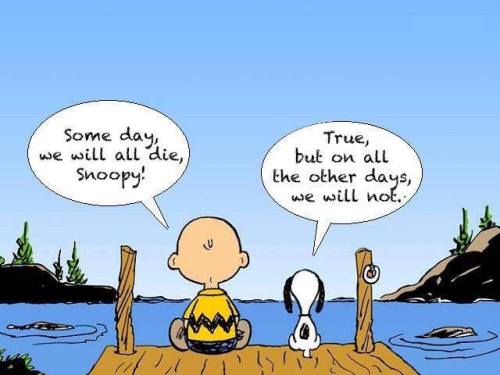
6d36c2e75bc308b00db209125c854c06

Dread one day at a time??!!

Nope.

The great thing about alternatives to fear is that there are so many of them.

There’s courage. Courage is the determination to go ahead even when you are feeling fear. That’s something I’ve been practising since coming to live in France. When you start to live in another country with a different language, not only are customs and habits different but at first you’ve no idea how to ask the simplest things. So a trip to a post office, or the local Mairie, or the garage can be quite intimidating. Until you summon up your courage, and just go. And, in my experience here, each and every time I discover there has been absolutely nothing to be afraid of. People are friendly and they want to help. (Then next time you go the fear has diminished, or even gone away entirely)

There’s wonder. Wonder and curiosity. That’s the response I had when I saw all the birds. That’s the attitude I hope to take into every day – l’émerveillement du quotidien.

There’s love. Love comes with a desire to make connections and with an intention to care, or at very least, not to harm – and that applies in relation to plants and animals as much as to other human beings. How often does it seem to be that when your intention is a loving one, that you meet the same response? When I was a GP, my partners and I built a new clinic and the reception was an open one – no glass or metal barriers between the patients and the staff. We were warned that we’d be vulnerable to being attacked. It never happened. Not even remotely.

Fear closes.

It closes us off from the world and from life.

The opposite is whatever opens – courage, wonder, curiosity, love…..add your own favourites at the end of this sentence!

I prefer the opposites for what they bring in themselves, but I resist fear for another reason. I don’t want to be controlled. Heroes not zombies anyone?


Read Full Post »

circle

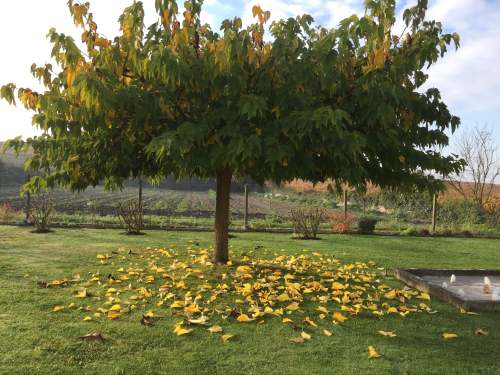
The other morning I was thinking how lovely the mulberry tree leaves are as they fall onto the ground forming such a beautiful circle. It reminded me of Andy Goldsworthy’s art.

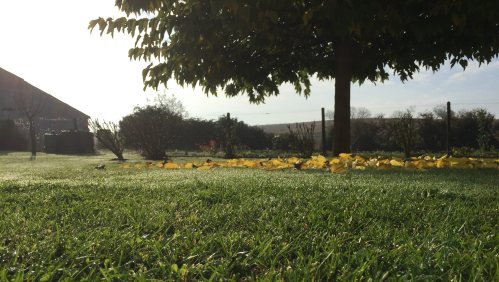
Then I got down on the ground to photograph the morning sunlight on the dew-bejewelled grass…

line

…and the circle turned into a line!

Interesting that, huh? And it worked the other way too – turning back into a circle when I stood up 😉

How different the world looks when you change your perspective!

Read Full Post »

yellow drops drops

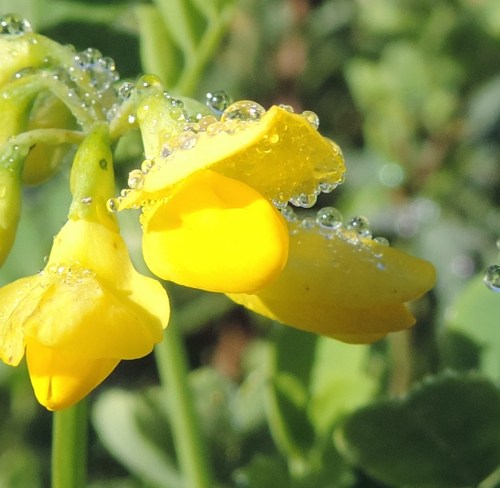
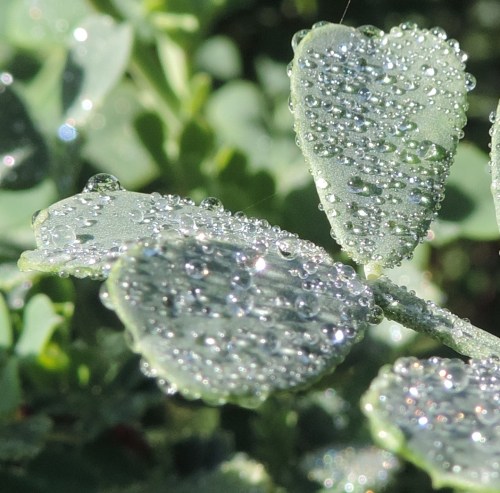
This bush in my garden looks pretty nondescript at this time of year, but look what happens early in the morning. Whether this is dew, or the traces of nocturnal rainfall, when the rays of the rising sun catch these drops, this bush is transformed.

What is it about water droplets that makes them so beautiful?

Do we have a gene which drives us towards what sparkles? (diamonds or eyes!)

Are we drawn to the light?

Tiny little jewels. Impossible not to notice. Impossible to ignore.

I’ll tell you what – beauty is important to us. It amplifies our lives. (to take a word from Big Magic).


Read Full Post »

the edge

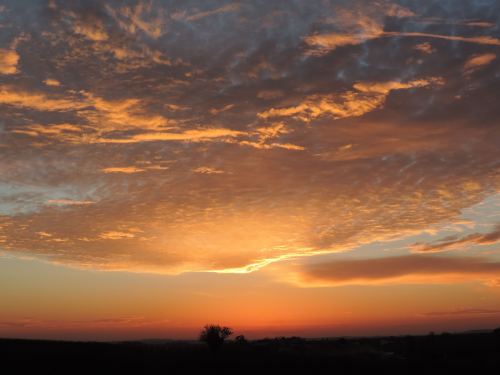
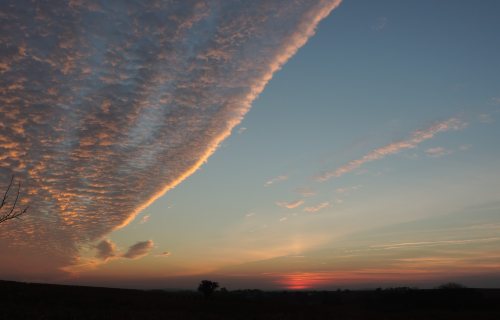
The most amazing weather system built up in the sky over the course of yesterday and as the sun set I saw this fabulous sight.

Transience and flow. These two phenomena are closely connected and lie at the heart of what I see everywhere in life. Life is a dynamic flow of energy, information and materials. In fact, not only “Life”, but Nature. All natural phenomena are dynamic, moving, changing, developing from one form into another.

I love this sense of flow. It invigorates me!

Transience is appreciated in the changing of the seasons. The most intense celebration of transience I’ve witnessed is in Japan when the cherry blossom appears. I remember seeing charts on the TV in Tokyo, like weather charts, but instead of showing the development of the rain or the sun over the country, they showed the spreading of the cherry blossom from the south to the north. I’ve seen cherry blossom photographs on the front pages of the national newspapers in Japan and I’ve milled around with crowds of picnickers, photographers and wanderers amongst groves of cherry blossoms. It’s a delight.

But there’s something else which comes with transience and flow and I think this weather system I saw yesterday really captures it. Dynamic change shows us how difficult it is to split our reality into pieces, pieces with clear boundaries or edges.

There are two edges which catch my eye in this photo. The edge of the cloud and the somewhat more metaphorical edge of the sunlight.

Clouds don’t have distinct edges of course, as you’ll have seen for yourself if you’ve ever looked out the window of a plane as it flies into, or out of, a cloud. The closer you look, the harder it is to see an edge. It’s that old “becoming not being” thing I have at the top of my blog. That constant becoming makes it pretty tricky to separate any one thing from another….from the cloud, and the “not-cloud”!

Have you ever just stood, or sat, and watched as the sunlight fades?

I don’t just mean watching the sun sink beneath the horizon (or, form another perspective, watching the Earth rise). I mean watching the light fade, the shades of colour change…..you can’t really separate it out into pieces can you? It’s a beautiful way to experience flow.

So we can get close to the edge can’t we? But the closer we get, the harder it is to pin it down!

I love that.

Read Full Post »

IMG_3721

I took a walk yesterday up to the viewpoint and used my iPhone to take this panorama shot.

The viewpoint is at the top of the hill just above the village where I’ve lived for exactly a year now.

In my monthly themes I think of November as being a month for reflection. And one of the ways I like to reflect is to take what’s referred to by French philosophers as the “view from on high” or “view from above“.

It’s a way of reflecting which involves pausing, standing back, and taking an overview. It’s not about analysing or considering the details.

So I took a little pause, standing there at the viewpoint, and gazed slowly in all directions, drinking in the fields of gold, and then I took a deep, slow breath or two and asked myself “how does this feel?”

It feels good.

What I feel is contentment.

I’ve been in touch with that pretty frequently recently, and when I first had that word, contentment, pop into my head I wanted to reject it. I mean it feels such a weak word, doesn’t it? A mediocre word. Couldn’t I come up with something a bit stronger than that?

So, I looked it up on my blog and found this from five years ago

Positive affect is defined as the experience of pleasurable emotions such as joy, happiness, excitement, enthusiasm and contentment. These feelings can be transient, but they are usually stable and trait-like, particularly in adulthood. Positive affect is largely independent of negative affect, so that someone who is generally a happy, contented person can also be occasionally anxious, angry or depressed.

Here’s what they found [I’m referring to a study here]

After taking account of age, sex, cardiovascular risk factors and negative emotions, the researchers found that, over the ten-year period, increased positive affect predicted less risk of heart disease by 22% per point on a five-point scale measuring levels of positive affect expression (ranging from “none” to “extreme”).

So, weak or strong, turns out contentment might well turn out to have a health benefit.

But there’s more – I’ve just finished reading Robert Brady’s “The Big Elsewhere”, which I highly recommend, and in there this week I found a passage he’d written “on contentment”. He refers to the Tao Te Ching where Lao Tzu says “There is no disaster greater than not being content” –

What does contentment have to do with disaster? Lao Tzu knew, and cryptically passes along the intimation, that contentment is the beginning of all that is worthy, that contentment is the seed and germ of every happiness, its absence accordingly the tiny breach that ruptures into every disaster, the pinhole in the dam, the lost horseshoe nail. Contentment is all the rest: pride in the way of one’s life and the fruit of it, whether one is a shepherd or chieftain, a fact that hasn’t changed since back in the tribal days when miracles were everywhere and museums were not yet needed to remind us of what is gone.

Contentment is the core of all that truly matters, it is the root of passion, the height of honesty, the beating heart of every joy, the embrace of a family; for there is no self in contentment; it is other-centred. The self-centred, in contrast, is perturbed, discordant, writhes with discontent and seeks release (insert the ‘seven cardinal sins’ here for starters).

What do you think? Is contentment something you recognise? Is it something you feel? Today?

It seems to me it’s not such a weak or mediocre feeling after all!


Read Full Post »

tele bird

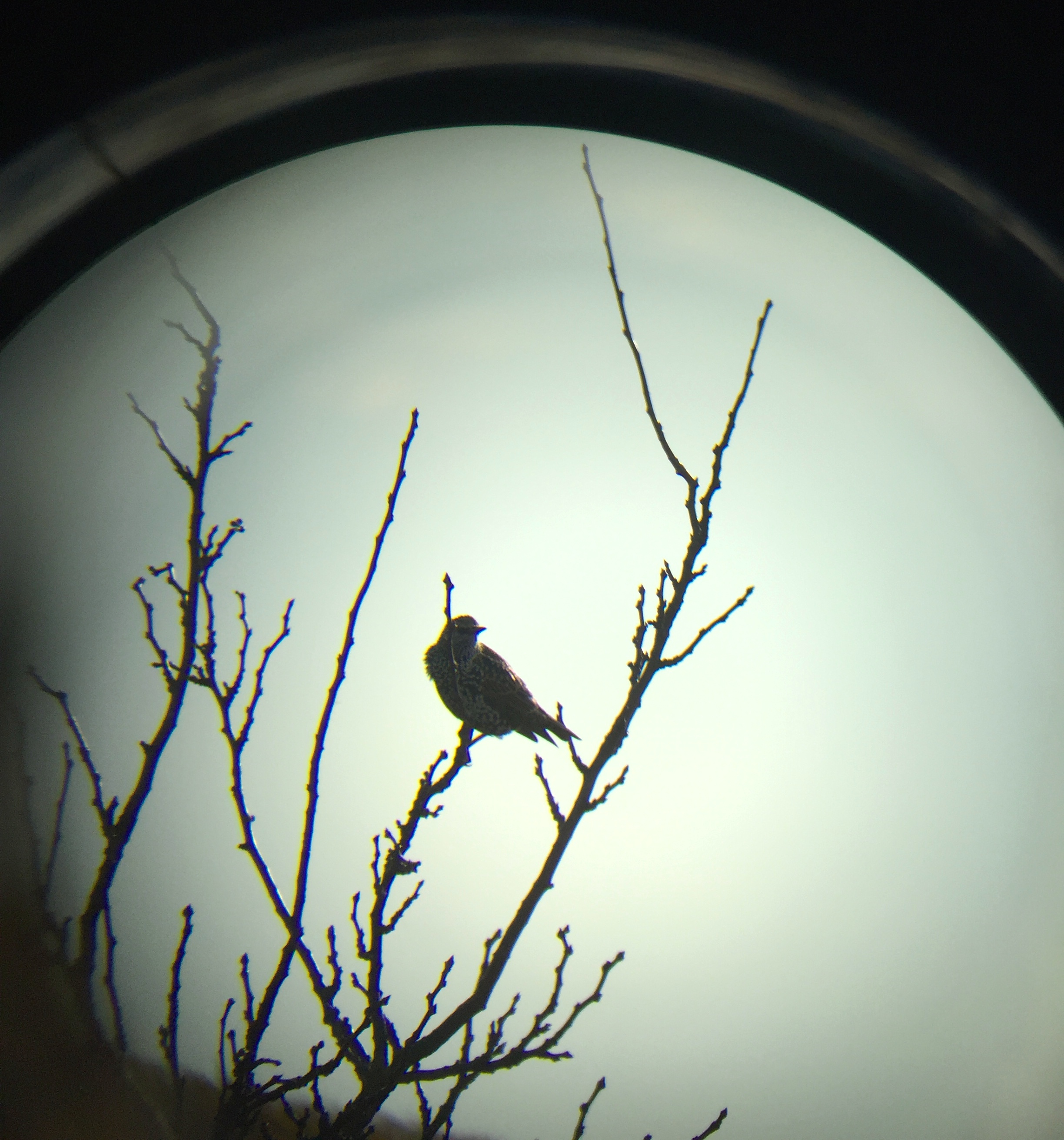
I looked out of my study window yesterday and could see a bird sitting on the tree in the corner of the nearest vineyard. I couldn’t make out much more than it was a bird so I pointed my telescope at it, zoomed in, and saw it clearly. Covered in speckles. A thrush I guess.

Just for fun I held my camera up to the eyepiece of the telescope and got this shot.

I quite like it! It’s got almost a vintage feel to it.

It got me thinking of the way we look at things.

We focus in on parts of reality to try to clarify what we are looking at. We do that all the time. We might focus on certain parts of what we see and hear because they catch our attention, spike our curiosity or whatever. If we weren’t able to do that how could we make sense of our world? Our brains are receiving information from the external world (and at the same time from our inner bodily world) through our senses of sight, hearing, taste, smell and touch. How could we make sense of this information tsunami if we didn’t sift, select, and focus? Our left hemisphere is especially good at doing this. It’s no coincidence that the left hemisphere controls the right hand and that’s the hand most of us use to “grasp” things. That’s what this focus-ability does for us. It helps us to grasp things.

But I think it does something else too. It frames and it excludes. It sets whatever it is we are paying attention to not just centre stage, but often fills the entire stage. I’m not sure it’s helpful to think of these skills are either “good” or “bad”. They just have advantages and disadvantages. The major disadvantage is that this framing removes the object of our attention from its context. So unless we take the results of our grasping and let go off them as we pass them back to the right hemisphere for re-contextualising, then we form incomplete and, actually, imprecise understandings of things.

Funny that, really. You’d think we could be more precise by being more focused. Turns out focus is only part of the process. We need the context too.

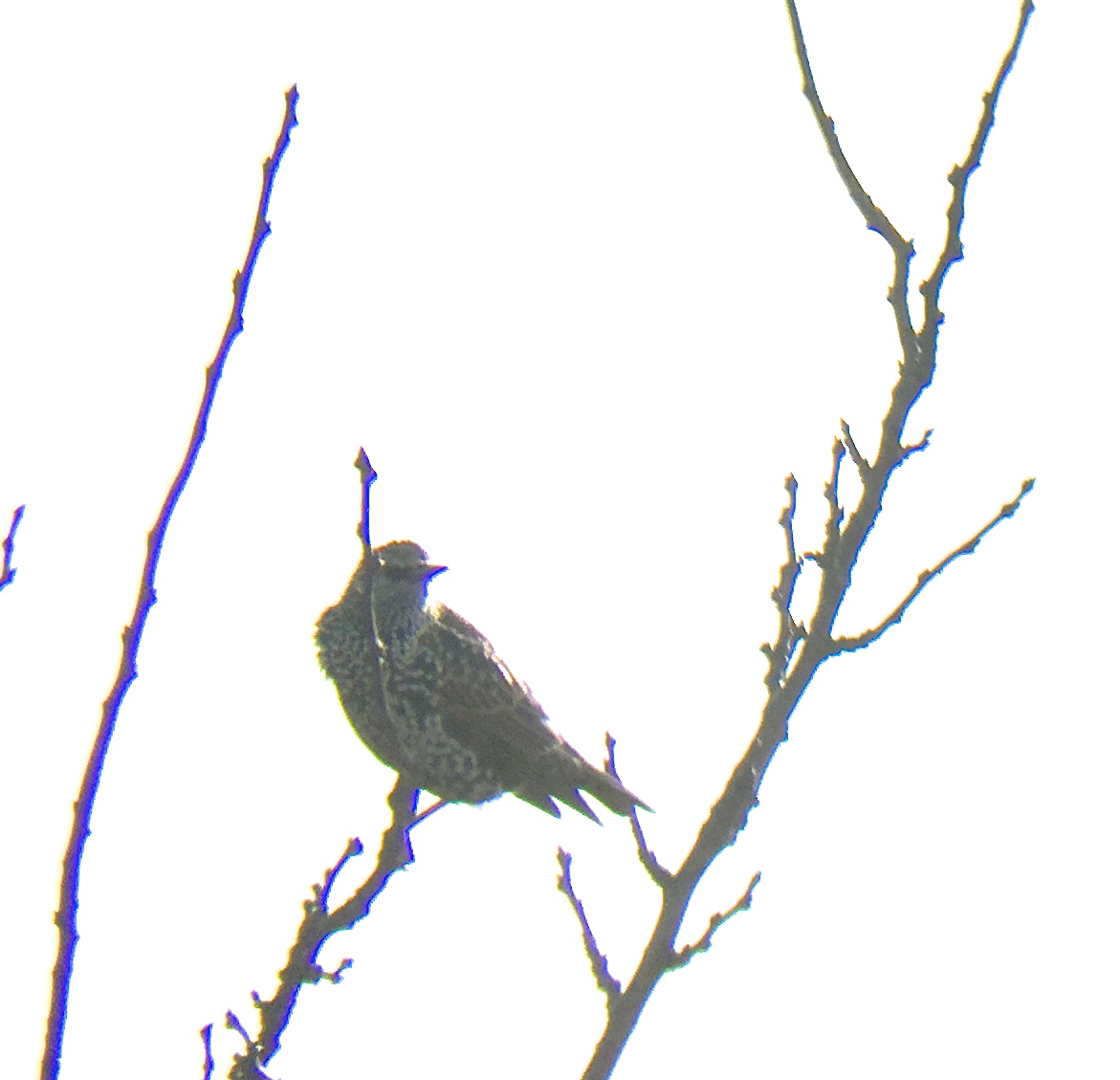
Here’s a crop of that photo above to let you see the thrush a bit more like it was when I put my eye to the telescope.

crop thrush


Read Full Post »

Yesterday I wrote about the experience of following your curiosity when something catches your eye.

Today I want to share with you some photos I took deliberately.

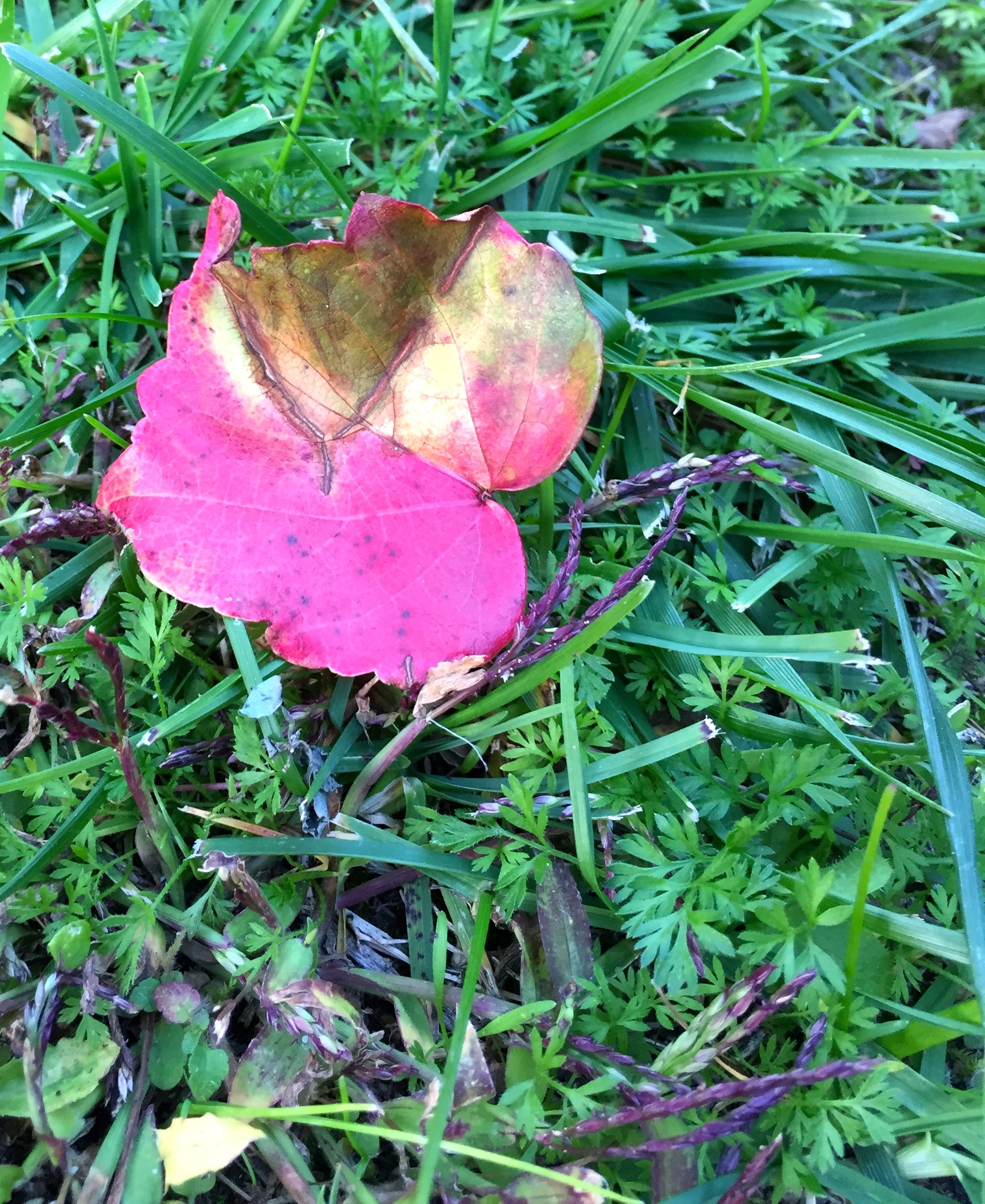
I love this time of year. I love when the leaves start to develop their rich and different colours then just begin to fall to the ground. I noticed a few lying on the grass so I went out to look for a red one first.

red leaf

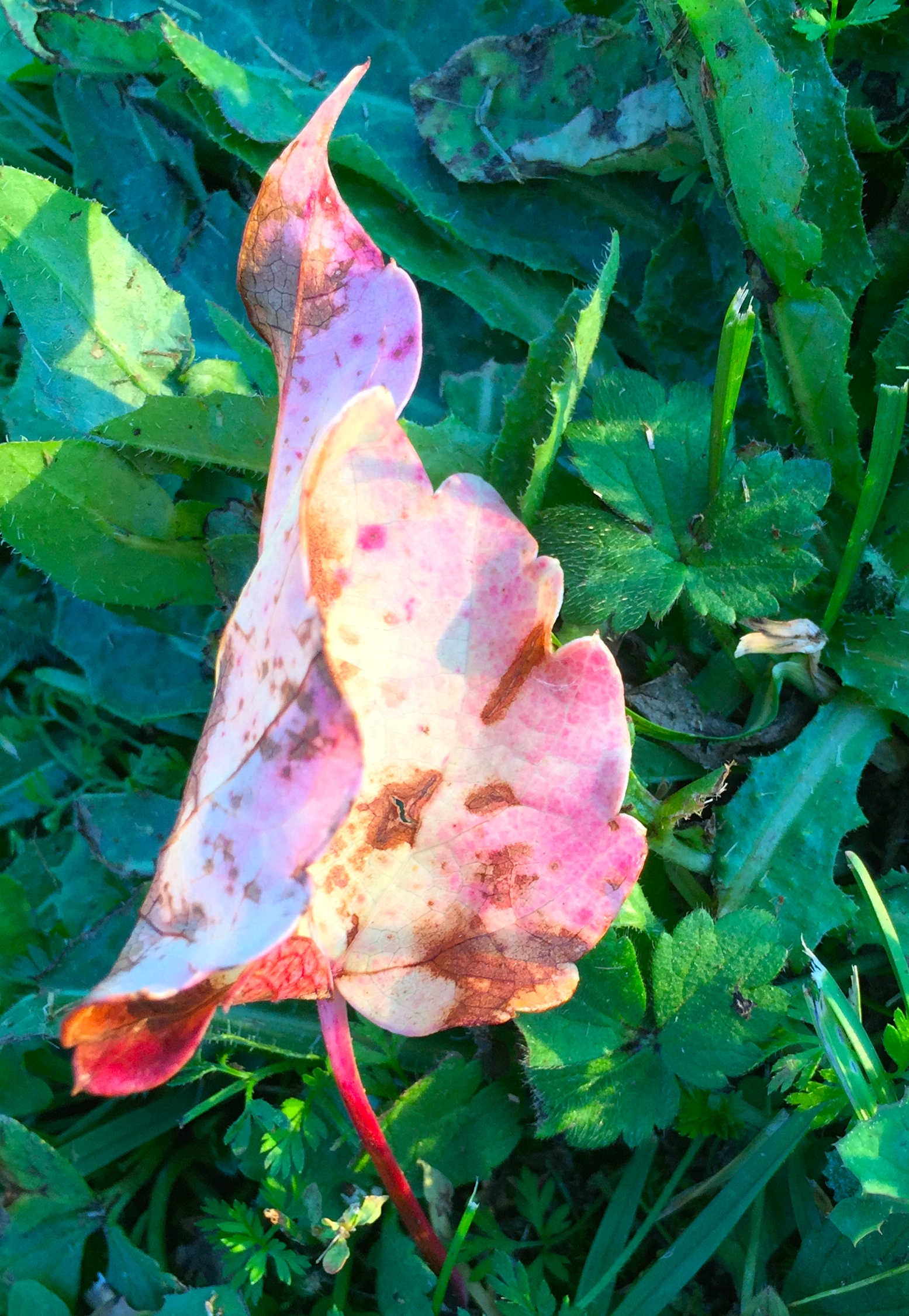
Already in its redness I could see hues of pink and decided to look for a pink one next.

pink

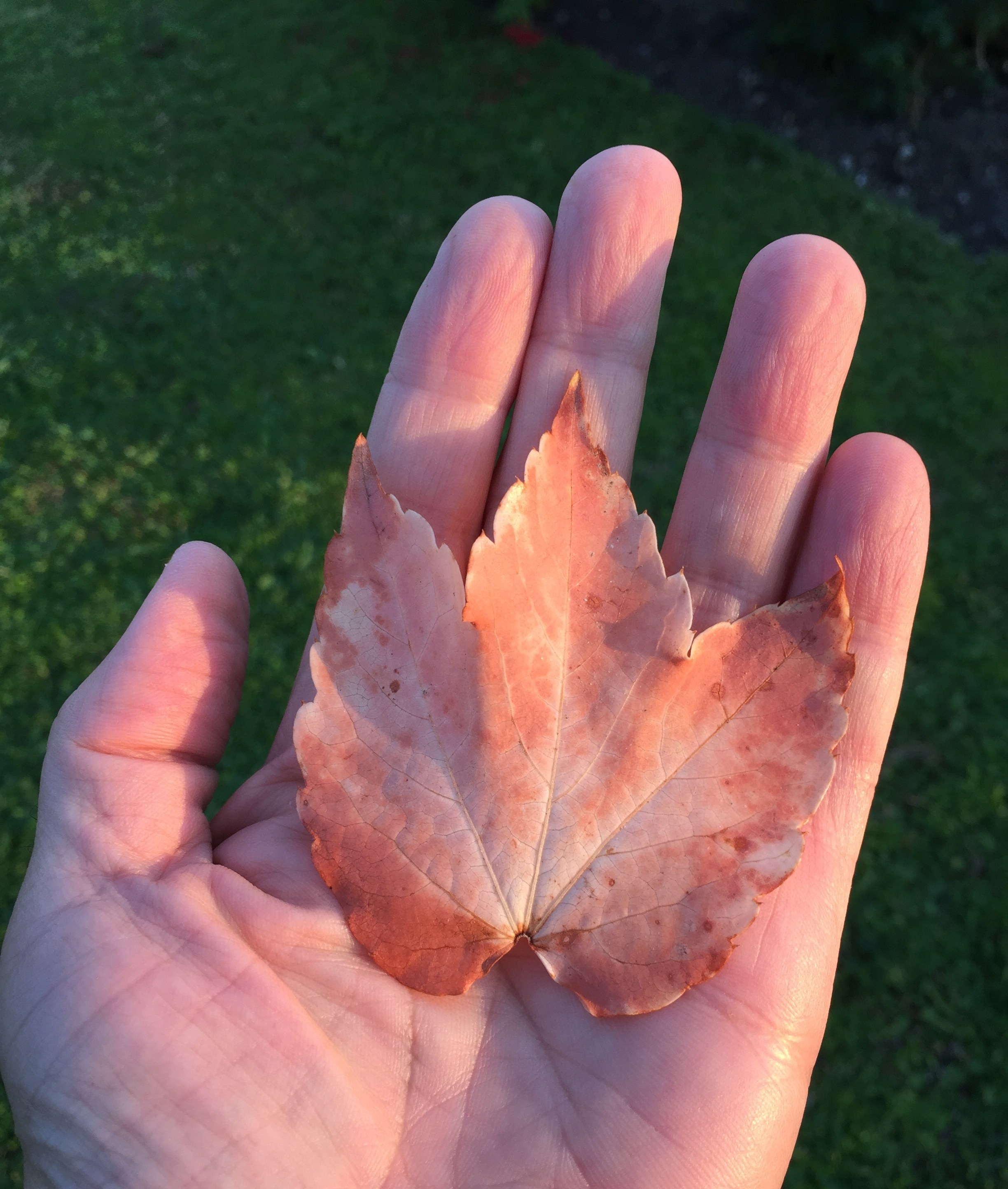
Within the pink leaf I thought there was a suggestion of something close to the colour of the palm of my hand.

flesh

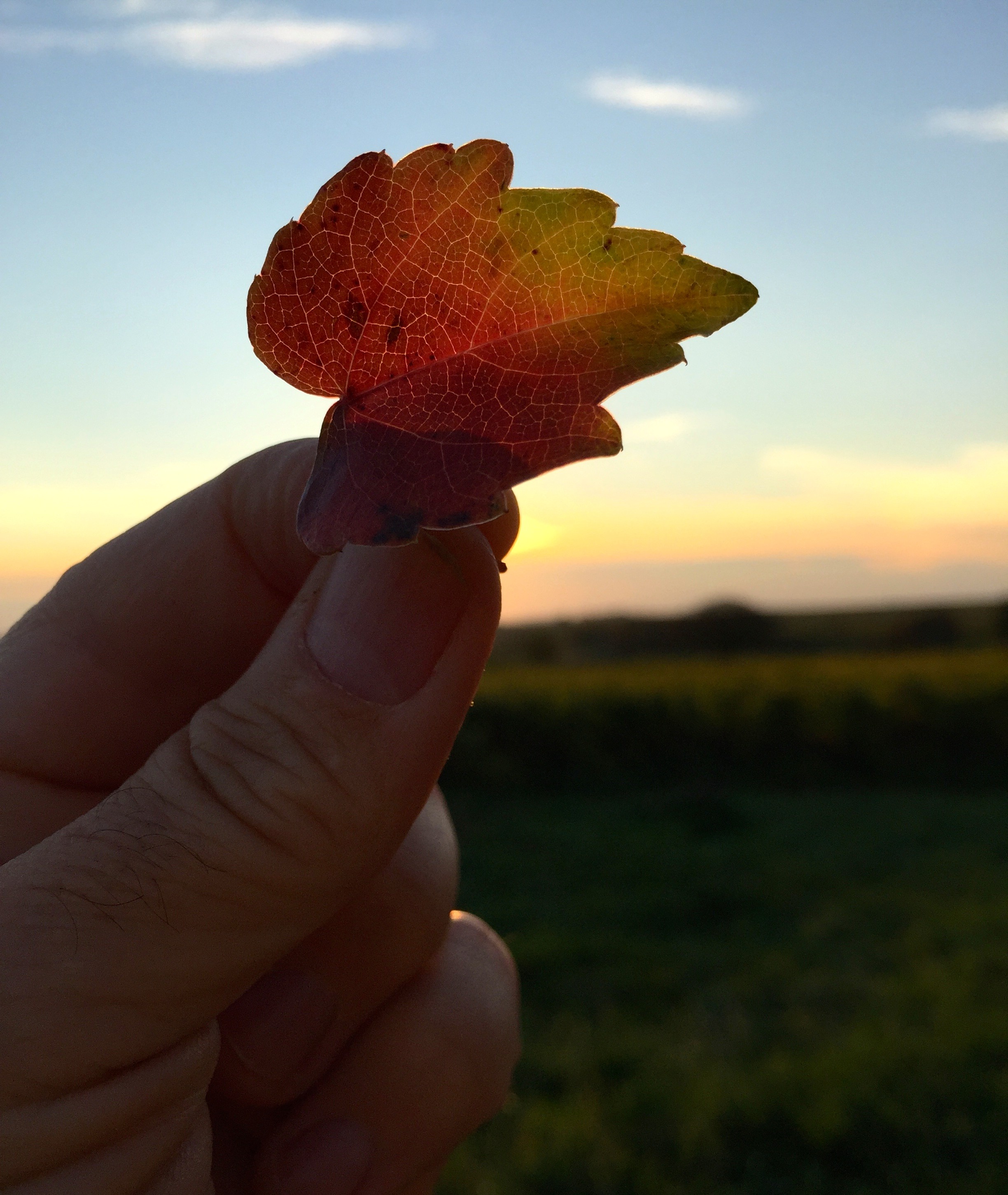
Then I found one which made me think of the world around me as the sun began to set. So I held it up in front of the sun, capturing its full glow.

sunset leaf

Wow! You can have a lot of fun looking for diversity at this time of year. So many different colours. So many different patterns. Every one of them unique.

Read Full Post »

« Newer Posts - Older Posts »