Feeds:
Posts
Comments

Archive for the ‘personal growth’ Category

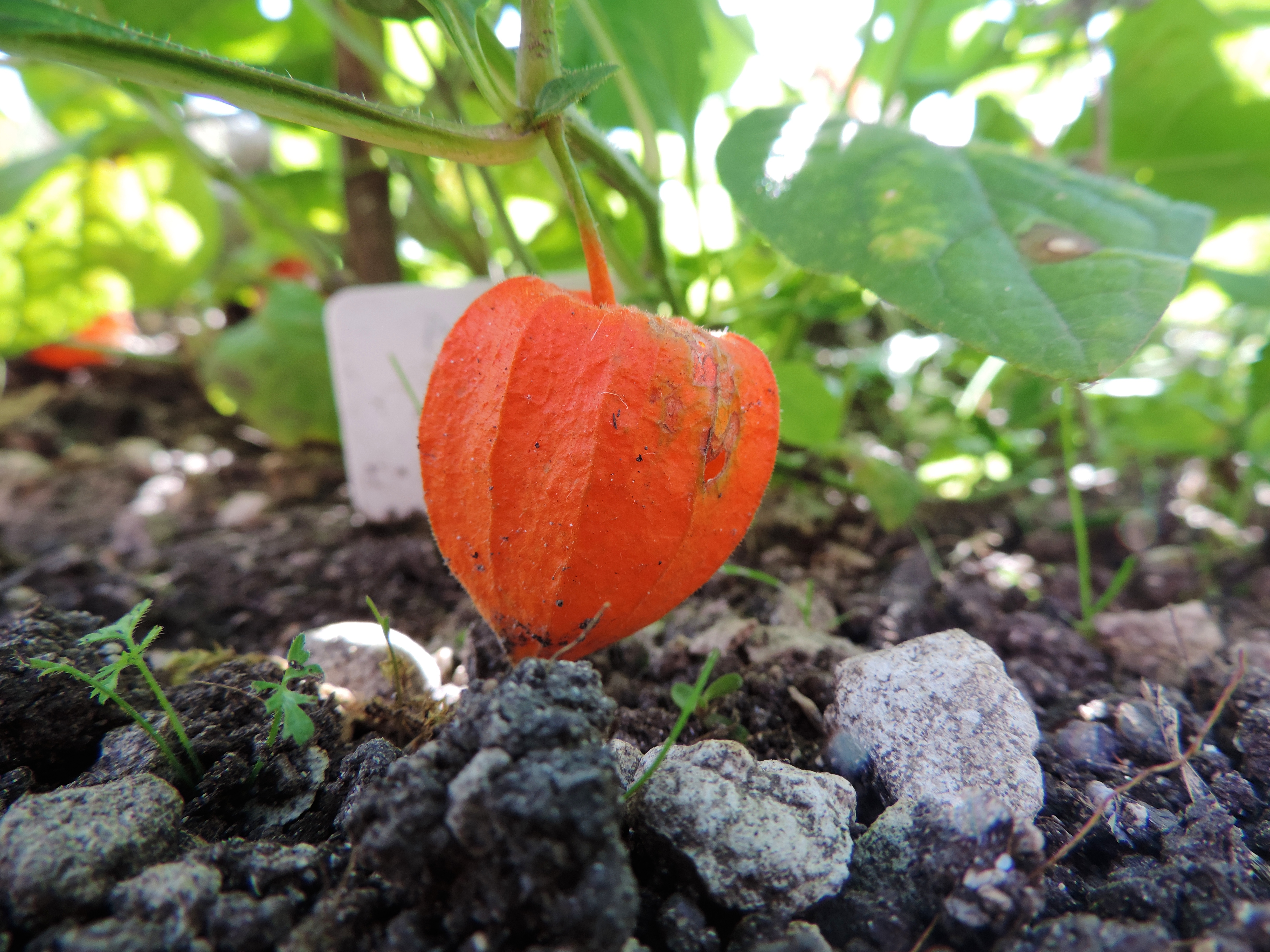
DSCN4431

You’ll maybe have noticed the by-line at the top of my blog – “becoming not being”. That was a phrase I encountered when reading the works of the French philosopher, Giles Deleuze. I suppose I’m still surprised how little that understanding informs our lives.

From the version of the “scientific method” which dominates our thinking, to the increasingly control driven methods of politics, the economy and society, we seem to privilege a view of the world which is based on what is fixed and “measurable” – data, categories, statistics and metrics.

Yet, that view gives us such a poor representation of reality as we find it in Nature.

Heraclitus, about 2500 years ago, wrote about change. He pointed out that we “cannot step in the same river twice”.

Philo, in the first century BC, said

“In a procession the first ranks get out of sight as they move further. In a torrent the waves stream faster than our capacity to perceive them. Similarly in life, things pass by, move away and although they seem firm, not one of them remains fixed for a single moment. All flee continuously.”

The twentieth century saw the splitting of the atom, and with that, the confirmation that there are no solid, fixed irreducible entities at the base of reality.

Yet it’s only now, in the last years of the twentieth century and the first years of the twenty-first that we are seriously grasping what all of those insights mean.

The controlling ethos of measurements and norms might be everywhere still, but the seeds of change are sprouting.

For me, understanding that we can’t fix, box, contain and pin down reality is liberating.

The constancy of change, of becoming, seems to offer a different way of living – more free, more diverse, more creative.

We really are the co-creators of our universe and our daily lives. I wonder what kind of world we’ll co-create in the years ahead? And although that’s a question no-one can answer, the thrill, for me, is in knowing that I can, and will, contribute to the change.

And so will you.


Read Full Post »

berries

“L’émerveillement du quotidien” is one of my favourite French phrases. It captures an attitude of mind and an approach to life which I think both opens me up to new experiences and enriches my every day.

There’s a sense of wonder in that phrase – of amazement, of delight and of awe. A “wow”!

I’m very taken with the philosophers who emphasise difference – because looking for difference not only helps me to be aware of novelty and transience. All of which together contributes to valuing uniqueness, diversity and dynamic change.

But there is also curiosity here. Elizabeth Gilbert, in her “Big Magic”, emphasises curiosity –

I believe that curiosity is the secret. Curiosity is the truth and the way of creative living……In fact, curiosity only ever asks one simple question: “Is there anything you’re interested in?” Anything? Even a tiny bit? No matter how mundane or small?…..Following that scavenger hunt of curiosity can lead you to amazing, unexpected places….Or it may lead you nowhere. You might spend your whole life following your curiosity and have absolutely nothing to show for it at the end – except one thing. You will have the satisfaction of knowing that you passed your entire existence in devotion to the noble human virtue of inquisitiveness.

And that should be more than enough for anyone to say they that lived a rich and splendid life.

There you have it – it’s not about ends, it’s about means. It’s not about goals, targets or ticking things off the to do list. It’s about following your inquisitiveness.

Because we’ll just never be done with discovering and learning!


Read Full Post »

IMG_3278

In her book, “Big Magic”, Elizabeth Gilbert tells the story of a botanist friend who teaches environmental biology in New York. She begins by asking her students two questions – “Do you love Nature?” (every hand in the class goes up) and “Do you believe that Nature loves you in return?” (every hand goes down).

Sad, that, isn’t it?

The myth of the heartless, uncaring universe has dominated our cultures. Even worse, the myth that “wild nature” actively works against us so needs to be “tamed” and “controlled” feeds the climate of fear which is used to control us.

What choices might we make if we took a different view?

What might our societies become if we both loved Nature and believed that Nature loved us in return? (Of course, I take it for granted that you accept Nature isn’t something separate from us. We are inextricably a part of Nature)

Two recent photos came to mind as I thought about this. The one above, which is lunch one day in my home. Look at the yellow tomatoes, the cheese, the butter, the bread, the salt and pepper and the water. Look at the delicious bowl of “potiron” soup.

Then, how about this photo I took in Regents Park in London last weekend?

IMG_3409

Taken facing the sun (as the photography books tell you not to!) and revealing both the glow of red flowers in the life-giving sunlight and the longing of the purple ones as they reach for the sun.

What do you think?

Do we live in an essentially hostile or uncaring universe? Or are we part of a loving, nurturing and caring one?

Read Full Post »

IMG_3419

Elizabeth Gilbert’s book, “Big Magic”, is about “creative living”. What is that?

…when I refer to “creative living”….I’m talking about a life that is driven more strongly by curiosity than by fear.

Well, I think that really is a key – we are so driven by fear, and fear is used as such a tool to control whole populations these days. To be driven by curiosity rather than fear strikes me as likely to completely alter our view of the world.

Take health care for example. So much health care is generated by fear – fear of dying, fear of getting cancer, fear of getting this disease, or that disease. It creates a whole ethos and it’s sure not a positive one. What if we underpinned our healthcare with curiosity instead? What if we consciously sought out experiences which were nourishing, nurturing, stimulating, life enhancing? Would that lead to healthier lives instead of lives of avoidance?

I do believe a creative life is a richer life. Here’s what Elizabeth Gilbert says –

A creative life is an amplified life. It’s a bigger life, a happier life, an expanded life, and a hell of a lot more interesting life.

That reminded me of a book I read a long time ago – Robert Solomon’s “Joy of Philosophy” – where he juxtaposes a “thin” life with a “passionate” one. His use of the metaphors of thin vs thick throughout that book struck me as original and clear. Who wants a “thin life”?

Elizabeth goes on to explain in a little more depth what she means by “creative living” –

The universe buries strange jewels deep within us all, and then stands back to see if we can find them. The hunt to uncover those jewels – that’s creative living.

Ooh, I love that. What a lovely metaphor! We really do all have unique and wonderful treasures buried within us. In fact, I don’t think it is possible to fully mine the depths of any individual human being, but what jewels lie there waiting to be discovered when we take the time to explore!

The courage to go on that hunt in the first place – that’s what separates a mundane existence from a more enchanted one.

Yep, it might take courage, but what else are you going to do with all that fear that is thrown at you in this world?

And who wants a “mundane existence”?

Read Full Post »

DSCN4494

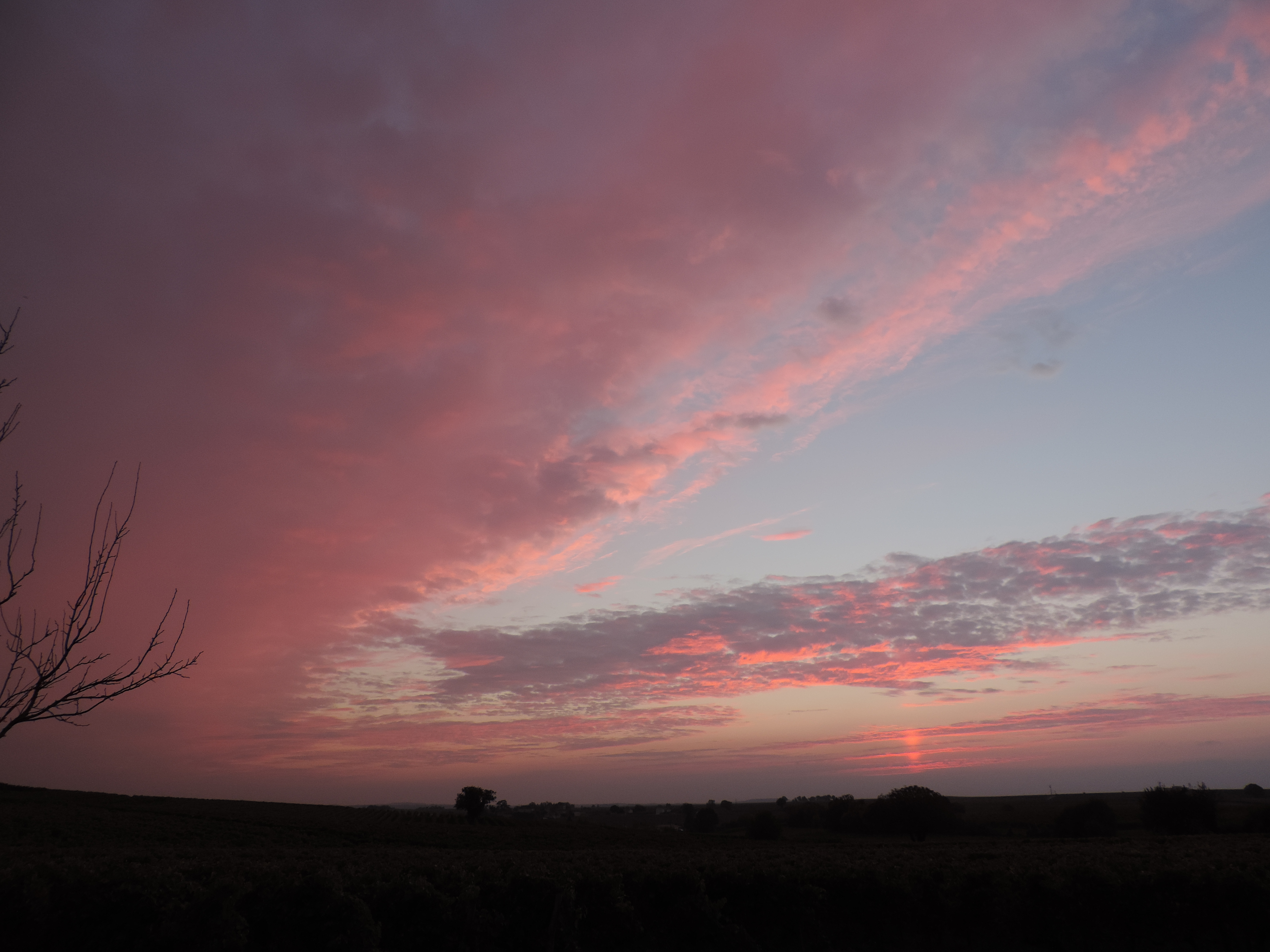
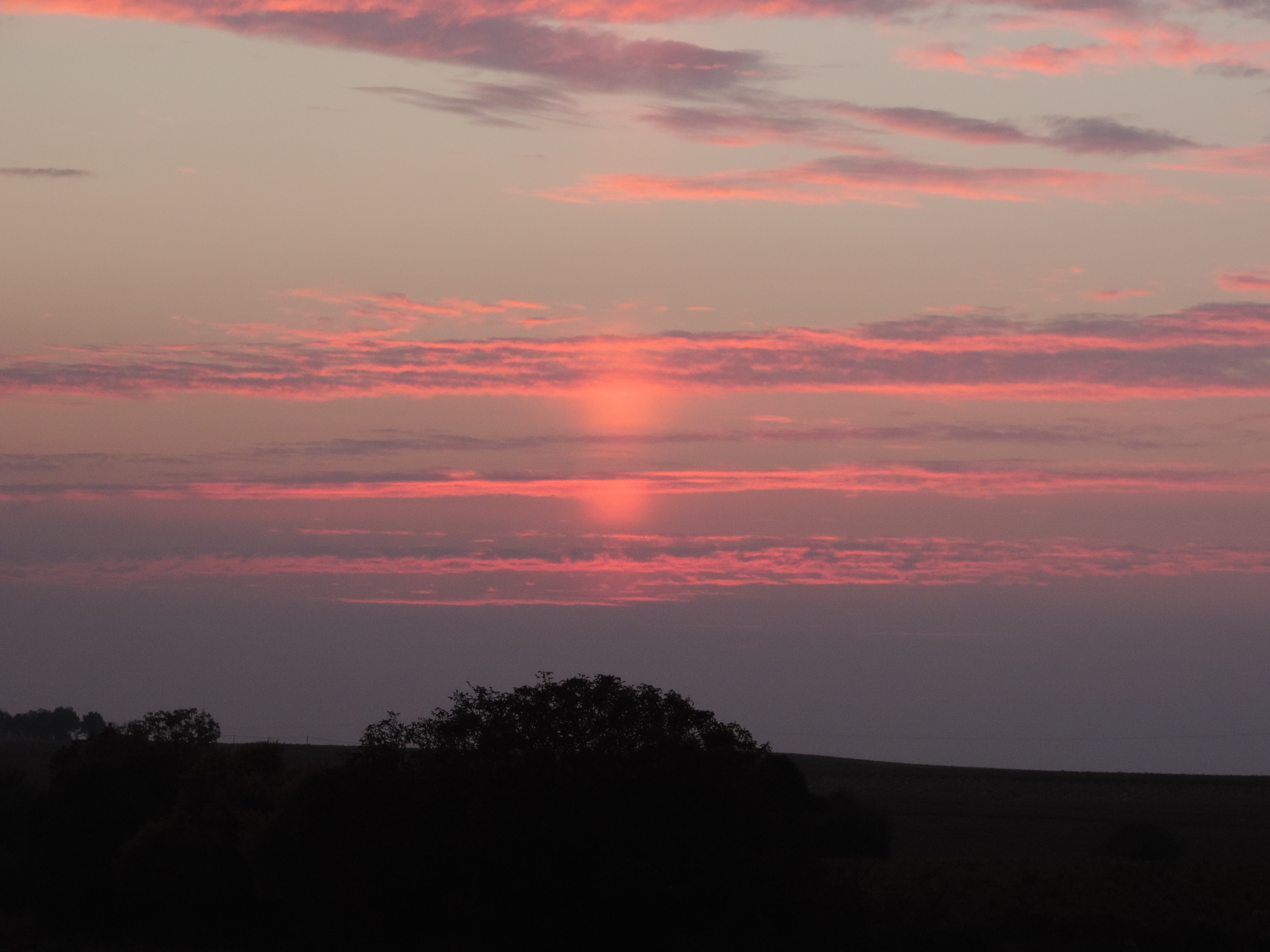
I’m pretty keen on sunsets, and I’ve stood and watched a LOT of them, but the other night, as the sun set, I found myself saying “never seen that before” – again!

Look at this phenomenon! It’s like there is a small chain of suns setting!

DSCN4491

Or two of them, at least!

Well, as Ellen Langer says, the way to lead a mindful life is to look out for novelty.

Or, as I learned from homeopathic practice – allow yourself to be struck by what’s “strange, rare and peculiar”. The thing is, there’s something “strange, rare and peculiar” every single day, because the nature of the universe is constant change and creativity. There’ll always be something today which is different from yesterday….

Do you think you could ever be done with looking at sunsets? Is there a time when you stop noticing them?

Read Full Post »


That’s one of my favourite Kevin Spacey movie lines.

It’s a phrase which often comes to my mind in relation to health care. We’ve developed a very bureaucratic way of providing health care in Europe and North America. It seems to me that the system comes first now instead of the patients and the doctors.

Health care is a supremely human activity. It involves one human being trying to help another. Both of those human beings are unique and when we reduce the patient to a case of a disease and a doctor to a person who implements a protocol then we de-humanise Medicine.

I think it is important to prioritise uniqueness. We should always be on the lookout for what is new and what is different in every situation. Instead the bureaucratic approach demands we look for what is the same and fit everyone into pre-set categories and treatment paths.

Does anyone know you better than you do? Does anyone really know better what choices you should be making instead of the ones that you are making? Who should finally decide what to do about your life? (How you should eat, how you should spend your time, what “treatments” you should subject yourself to?)

I think it is you!

So when I hear a manager or a “skeptic” tell a patient that they can’t have the treatment which they say is the one which made the most difference for them (relieved their pain, settled their panic attacks, made their breathing easier….whatever) because the “evidence” says that treatment “doesn’t work”, it amazes me.

There not a treatment on the planet which does the same thing for every person who receives it, so there is no such thing as only two categories of treatment – those which work and those which don’t – as some would claim. We need a wide diversity of treatments to be available because human beings are so, well, different….

But I think about this not only in relation to rationing health care, protocol based medicine and so on. I think it’s something to consider in every therapeutic relationship. Here’s the question I’m exploring –

Is it an expert’s job to tell people what to do, or to help them to see how to change, then to support that change?

I’m pretty sure I don’t want anyone telling me what to do!


Read Full Post »

IMG_3283

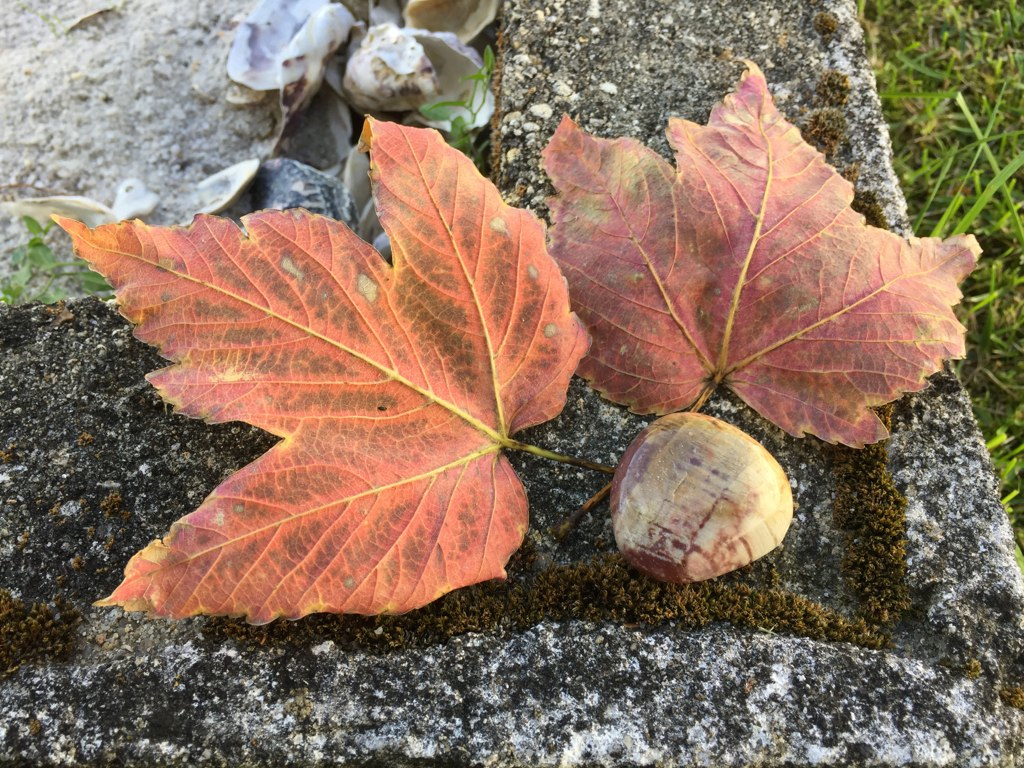
As I walk around I like to notice things – you’ve probably realised that! And when I notice them, I often take a photo. I’ve written before about the benefits of keeping a camera in your hand, but nowadays with smartphones many more of us have cameras in our hands!

I found a leaf which caught my eye. Then I found another. I picked them up, took them home then laid them in the garden, on the corner of the sandpit where my grand-daughter, Ava, had left a stone she liked.

I took the photo.

Pleasing, don’t you think? And now I can look at this scene again as much as I like.

I recommend it – everyday, simple creativity.

Read Full Post »

DSCN4475


DSCN4476

Have you ever come across a little book entitled “Li: Dynamic Form in Nature” by David Wade?

It’s tiny, but it’s a total treat.

He takes and old Chinese philosophical concept “li” and translates it in a particular way which throws an amazing light on what we see around us.

Simply put, he describes li as the invisible forces, or energies which produce the different shapes and forms of the natural world – you know the kind of things – the branching forms of a tree or root system, the wave forms in water and sand, the feathery patterns of clouds and, ah, well, feathers!

I love encountering these kinds of echoes and symmetries, especially when we can see a similar form in two or more completely different contexts – like the sky I look up at, then the feather I find on the grass at my feet.


Read Full Post »

DSCN4485

One of my favourite podcasts is “onbeing with Krista Tippett”. Recently she interviewed Ellen Langer on the Science of Mindfulness.

Ellen Langer has carried out some really interest research, some of which she mentions in the interview, but I first encountered her work when studying Dan Seigel’s Interpersonal Neurobiology course. Her take on mindfulness is different from that of the more dominant meditation based one.

She says that meditation can be a good form or mindfulness practice but, it’s not necessary.

She says we can go through life either mindfully, or mindlessly.

Doesn’t that seem crystal clear?

I like it, because, for me, it maps directly onto my heroes not zombies. I do think we tend to slip into autopilot, or “zombie mode”. But if we wake up and become aware we can become the conscious authors of our own stories (the ones where we are the main protagonist, the hero)

How do we do that?

How do we wake ourselves up? Jolt ourselves out of autopilot/zombie/mindless mode?

She says – search for the new.

It’s novelty and the search for novelty which creates the mindful state.

And I think she’s right, because to search for the new involves intention and attention. We wake ourselves up first of all by deciding to do so. We live consciously by choosing to live consciously. Then when we are looking and listening out for what is new, different, or changed, then we not only paying attention, but we are paying attention to reality. (Instead of painting over reality with habit)

Try it for yourself.

She says see if you kind find out something new about the next person you speak to.

But what about right now?

Right now, wherever you are. Once you stop reading this, look around you and see if anything is new, if anything has changed since yesterday. Look for what’s new, different or changed.


Read Full Post »

IMG_3200

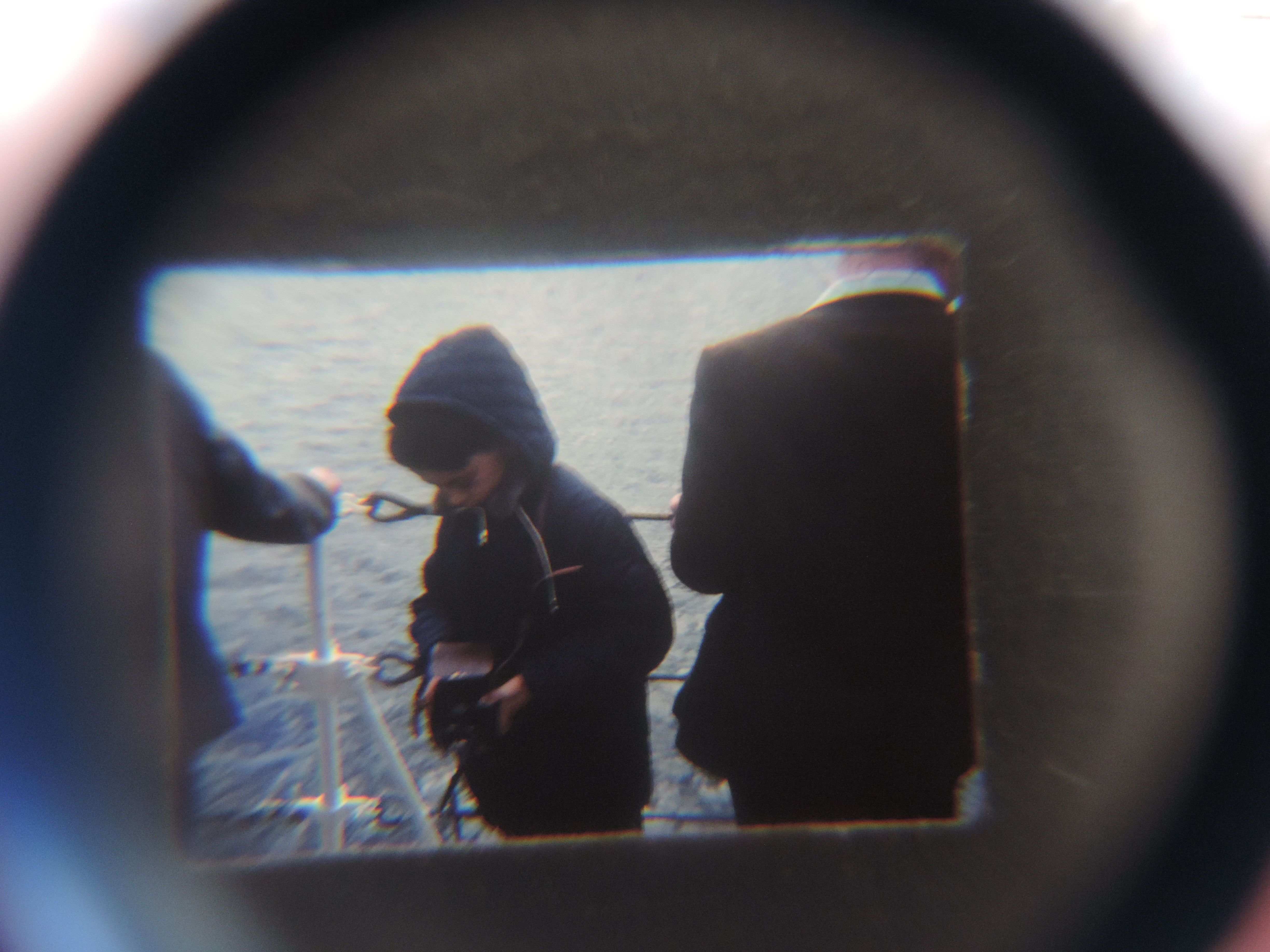
(me, aged 8, on a boat to Orkney, taking photos with my box camera)

If in every field the triumph of life is creation, must we not suppose that human life has its goal in a creation which, unlike that of the artist and philosopher, may be pursued always by all – the creation of self by self, the developing of the personality by an effort which draws much from little, something from nothing, and adds unceasingly to whatever wealth the world contains? (L’Énergie spirituelle. Henri Bergson. 1919)

I talk a lot about creativity. I think it is one of the defining characteristics of human beings. We constantly make and re-make our world.

It’s quite common for people to think that creativity is what artists have and if you aren’t an artist you aren’t creative. I think that’s a way too limited understanding of what creativity is.

We are creative when solve daily problems. We are creative when we make food. We are creative when we tell stories (which do all the time). We are creative when make plans. We are creative when we sing, play an instrument, make something, express ourselves.

We are creative all the time as we make our selves – we are constantly engaged with the process of self-making, and we never stop developing, evolving and growing – all of which are creative acts.

Own your creativity.

I think it’s one of the three basic characteristics of human life.

Read Full Post »

« Newer Posts - Older Posts »