When some remote ancestor of ours invented the shovel, he became a giver: he could plant a tree. And when the axe was invented, he became a taker: he could chop it down.
This got me thinking about the balance between givers and takers in our society, and how we reward them. Our “modern” system is called capitalism, and it appears to be based on extraction….extraction of minerals from the ground, of plants and animals from the soil, and of profit from the labour of others. Alongside this massive extraction, it destroys….eliminates whole species, so reducing diversity, turns centuries old rich soil into dust bowls, and heats up the whole planet, as we pollute the air, the water and the soil with chemicals, microplastics and poisons. This is all about taking.
What do we give? What do we give to the soil, the water, the air? What do we give to the plants, the other creatures with whom we share this little planet? What do we give to each other?
Shouldn’t we give the greatest rewards to the carers, the growers, the creators? To those who nurture….babies, children, adults, other animals and plants? To those who nurture the soil, the water and the air? Instead of giving the greatest rewards to those who grab, extract, consume and destroy?
Is it beyond the wit of “Homo sapiens” to come with such a system?
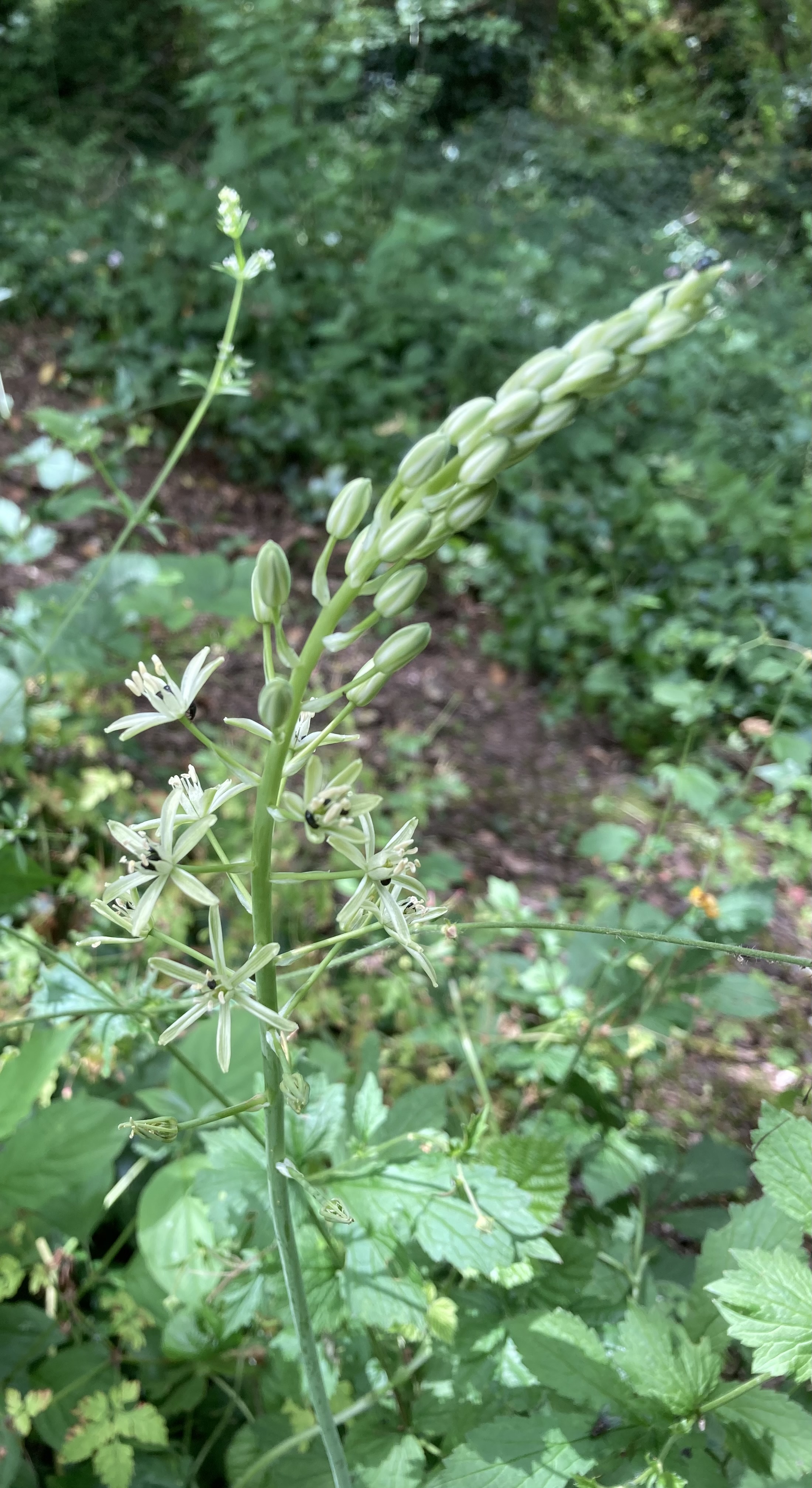
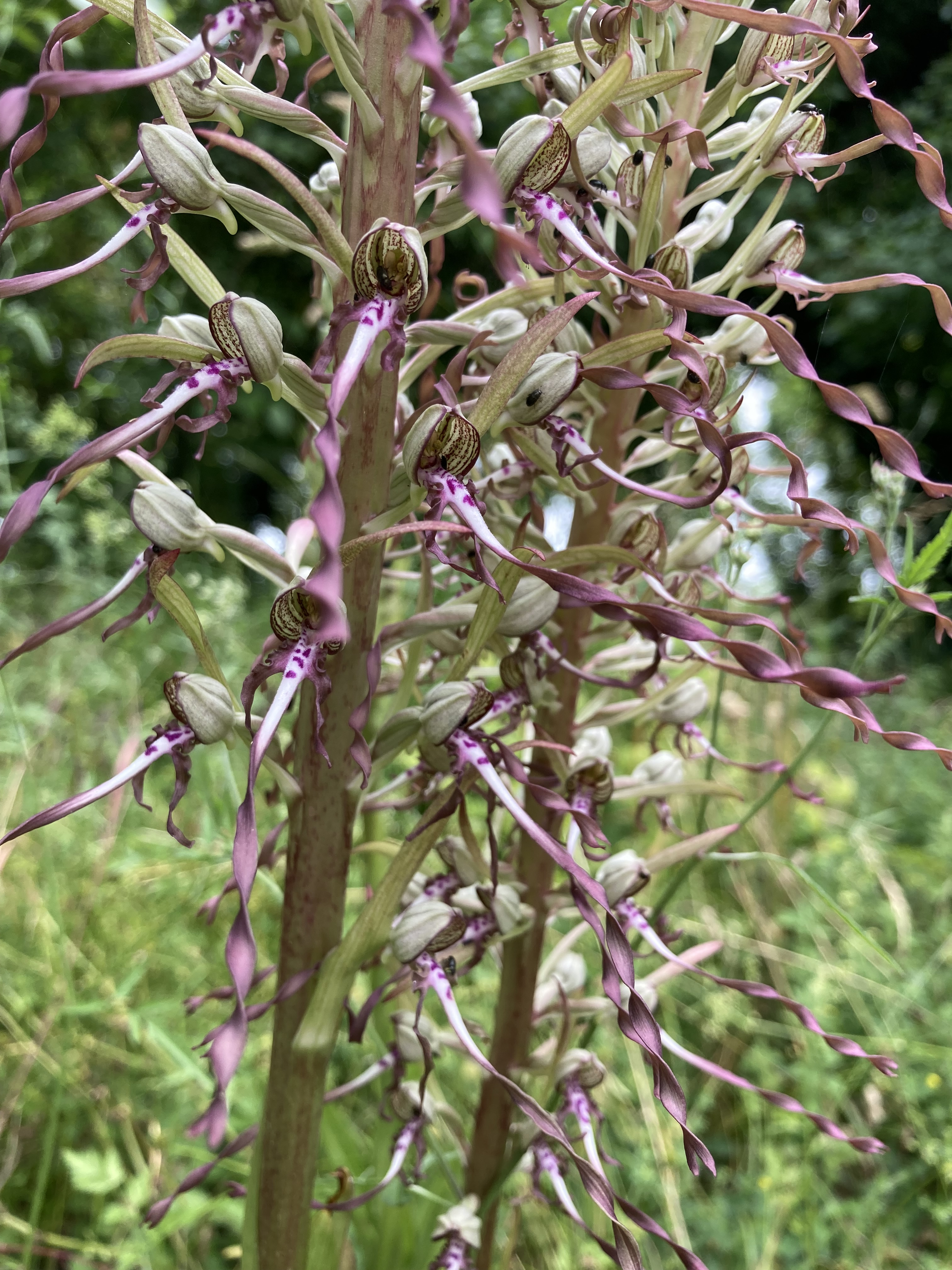
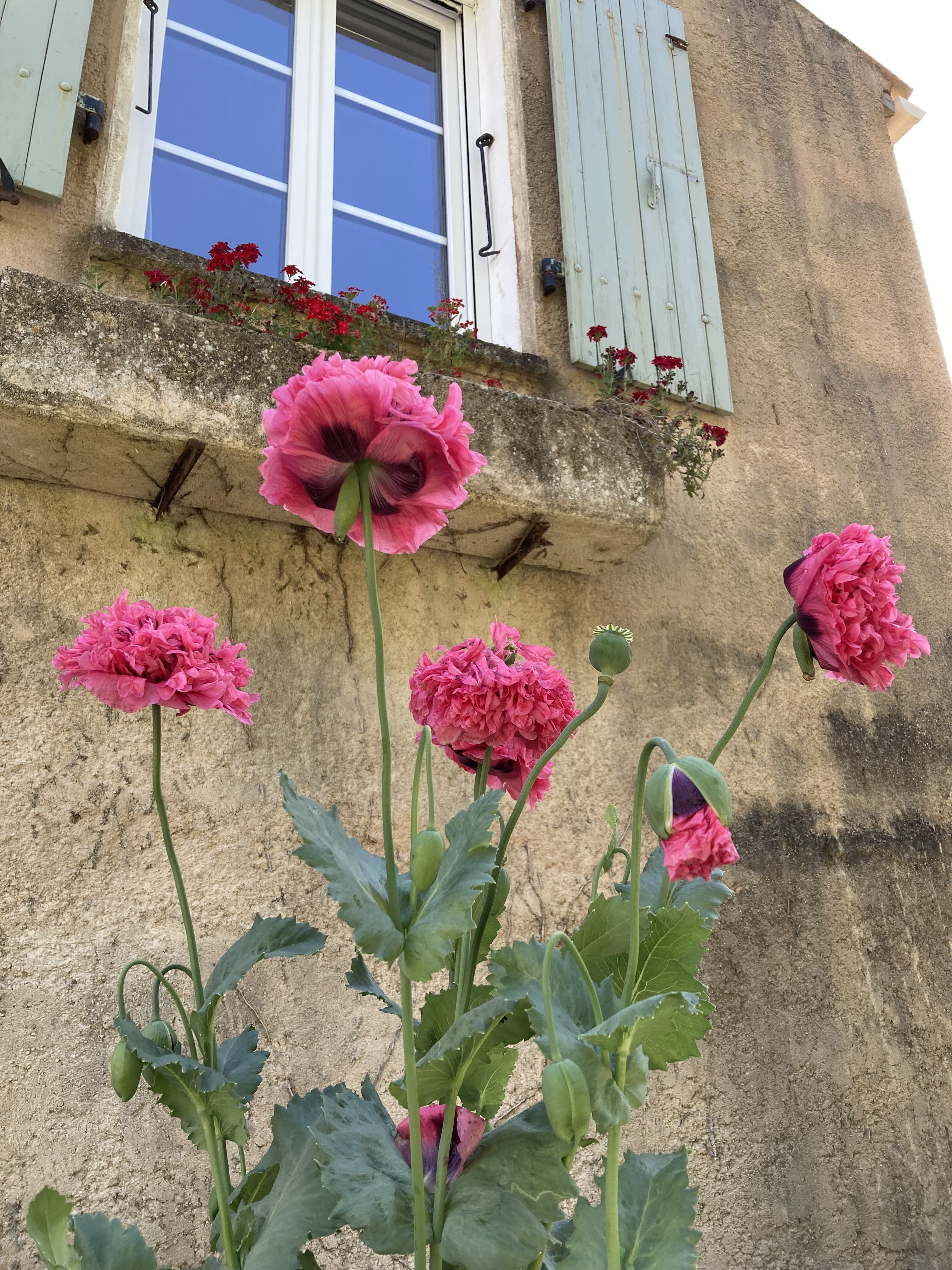
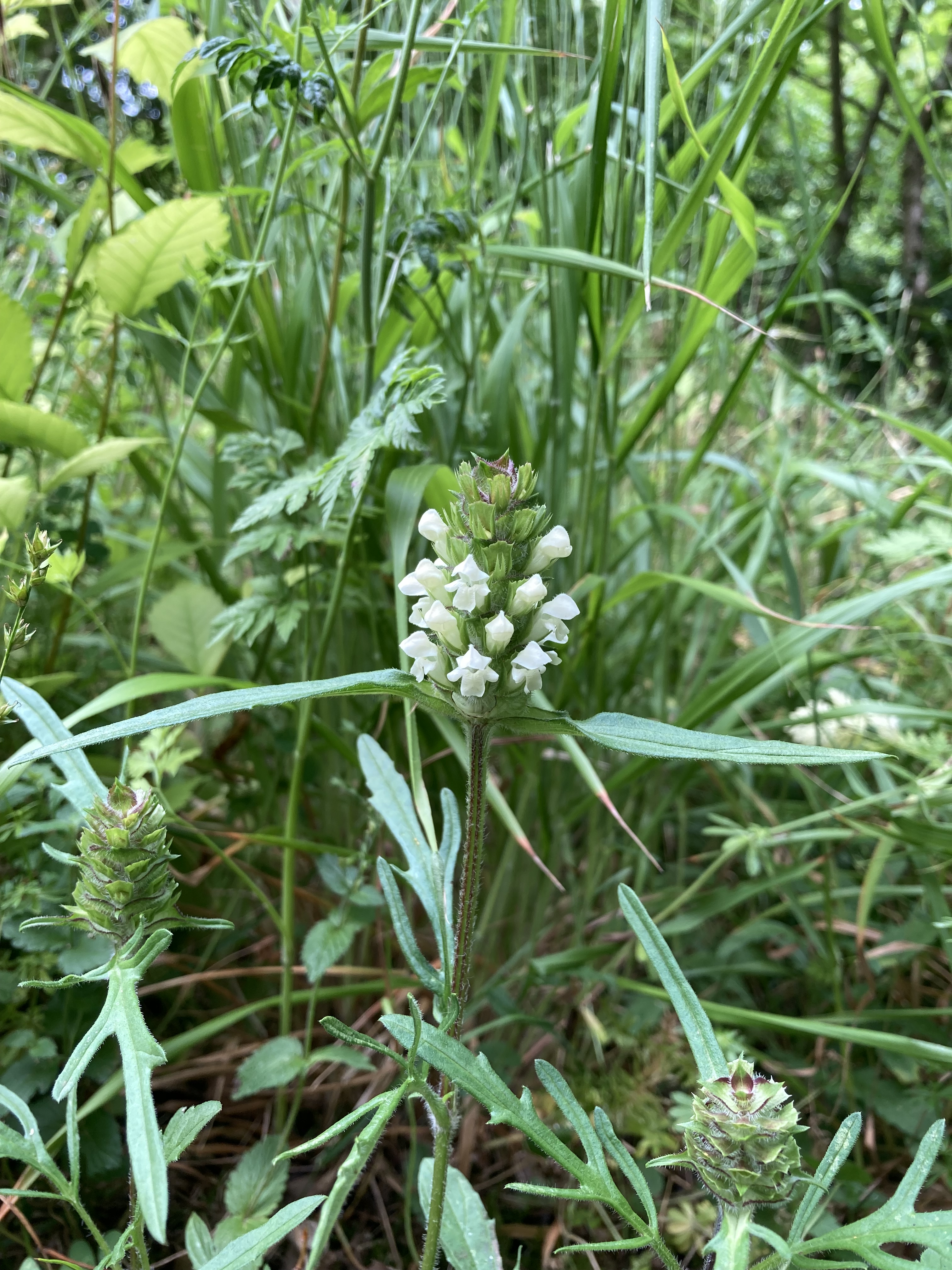
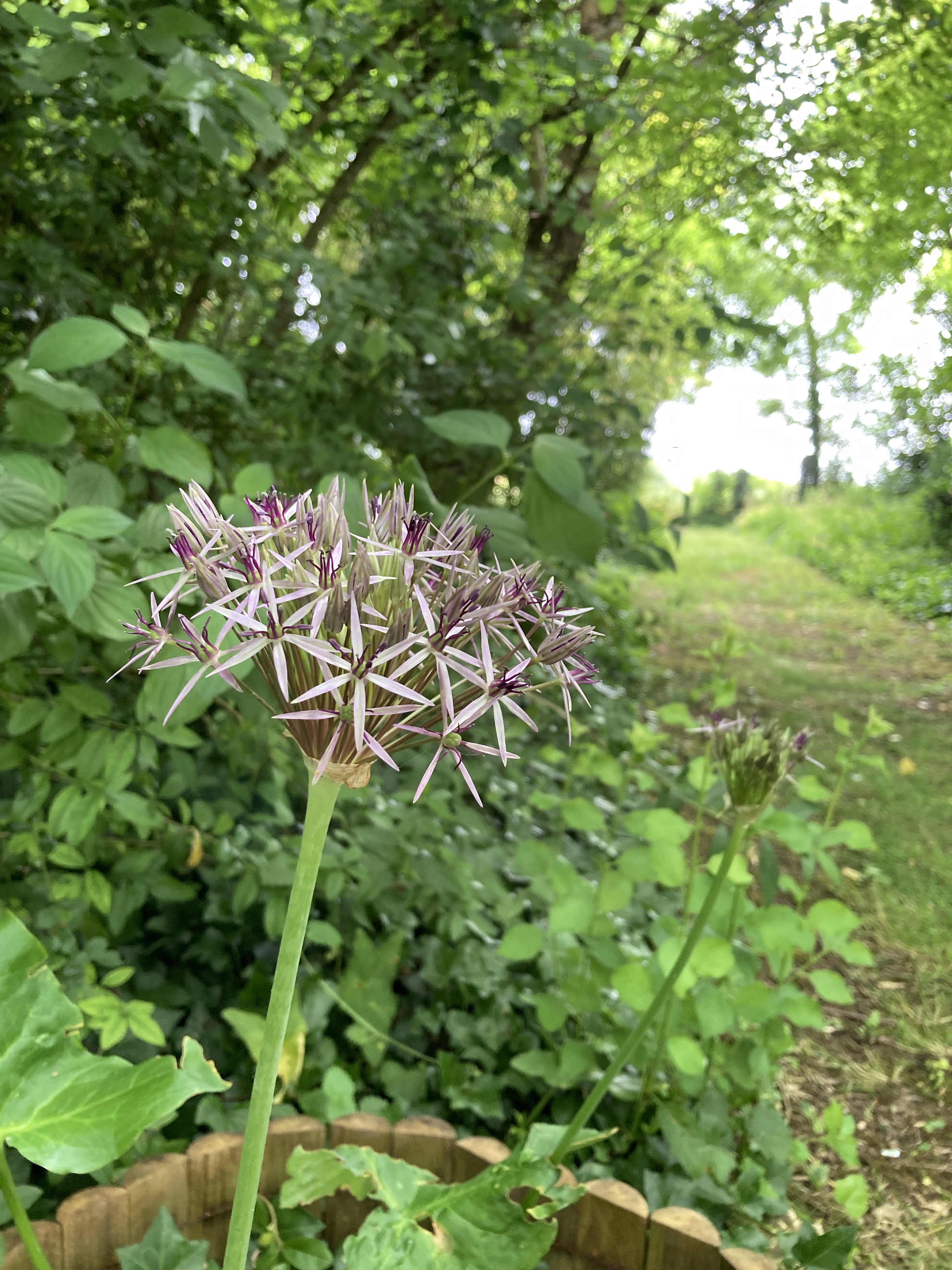
These are all plants which I’ve discovered in my garden this month. I didn’t plant any of them. They just appeared, clearly their seeds having been borne here by birds, wind, or other creatures. Every single one of them is a delight. Every one of them stimulates my favourite “emerveillement du quotidien” (my everyday wonder). Every single one of them has stopped me in my tracks, to gaze, admire and contemplate not just their beauty, but the incredible, unpredictable nature of Nature.
And in every case, there are several of them. There are a number of these plants, either close together, or in quite different parts of the garden.
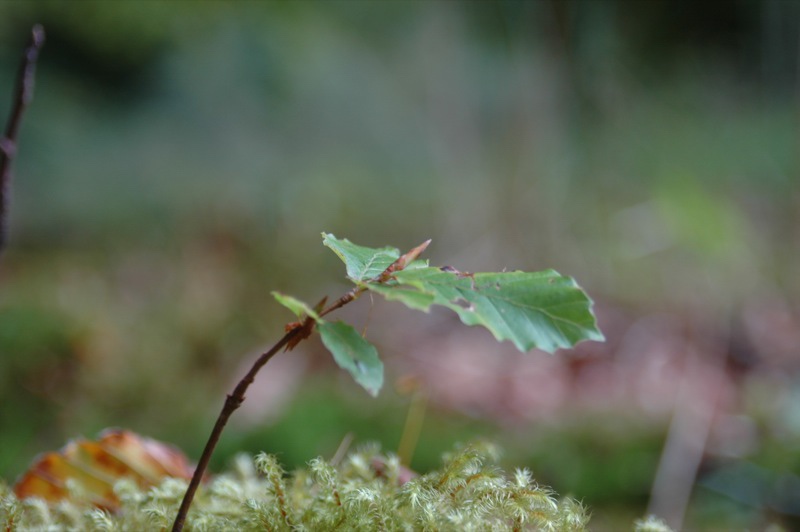
I first saw “Selfheal” when it appeared by the forest and spread across the grass as I was recovering from an operation the year before last. I didn’t know what it was, but it gave me a real boost to discover its name and its ancient uses (I didn’t actually swallow any of it, however!).
The poppy is also a medicinal plant, and the ones which have appeared “from nowhere” this year are the tallest poppies I’ve ever seen. (I haven’t swallowed any of that either!)
Apparently the “Prussian asparagus” is edible, but there are only about six of them, so I’m letting them be, in the hope that they will seed and spread further.
Several of the “Lizard tongue orchid” plants have appeared together in a clump at the edge of the forest, and I found a “Bee orchid” in the front plot. Every orchid I’ve ever encountered strikes me as a wondrous plant. They all appear to me as astonishingly beautiful.
So, with the beauty, the wonder, the science and the symbolism of these plants, I really feel blessed. I’m going to share the photos on social media using a hashtag of #AGiftFromGaia – maybe you’d like to do the same.
I’m really enjoying reading Aldo Leopold’s “A Sand County Almanac”, published in 1949. He was a naturalist who bought a farm in Wisconsin and this little book is full of beautiful observations and reflections. Read this extract –
We know now what was unknown to all the preceding caravan of generations: that men are only fellow-voyagers with other creatures in the odyssey of evolution. This new knowledge should have given us, by this time, a sense of kinship with fellow-creatures; a wish to live and let live; a sense of wonder over the magnitude and duration of the biotic enterprise.
Fabulous.
But it could have been written yesterday.
How much progress have we made with this understanding and knowledge in the last, over seventy years, since he wrote these words? How’s it going with our “sense of kinship with fellow-creatures”? Maybe there are individuals, and even groups of individuals, who feel this strongly, but where is it in the politics and economics of any country? Which political party, or politician, has risen to power on the back of a promotion of our “sense of kinship with fellow-creatures”? Heavens, they can’t even have a sense of kinship with children dying in war, famine or poverty. They can’t even have a sense of kinship with people who were born on some other patch of land, other than the one they, themselves, were born on. But, I think it’s still something we should aspire to. It’s still something we should call for. Not just kinship with children everywhere, but with our “fellow-creatures” too. The loss of species threatens the very survival of our own species. Industrial farming techniques produce poor quality food to shipped into factories and, not just processed, but “ultra processed”, something we are learning causes inflammation in our bodies, triggers chronic diseases, and, I read today, even pushes microplastics into our brains.
“a sense of wonder over the magnitude and duration of the biotic enterprise”……..I am firm believer in the power of wonder. I haven’t the slightest doubt that it contributes to the experience of a better life, of a better today, of a better present. If we had more wonder, we might be more humble, we might be more careful, we might fall in love more, we might understand more, we might care more.
These are values I think we can build better lives on, values we can create better societies from……let’s have more “kinship”, more “wonder”, and more desire to “live and let live”.
I’m reading “A Sand County Almanac”, by Aldo Leopold, published back in 1949. It’s a delightful series of small essays on Nature, conservation and life on a farm in Wisconsin. It’s a breath of fresh air compared to the proclamations of today’s politicians, and a wholly different set of values, and seem to see the natural world as something to be plundered.
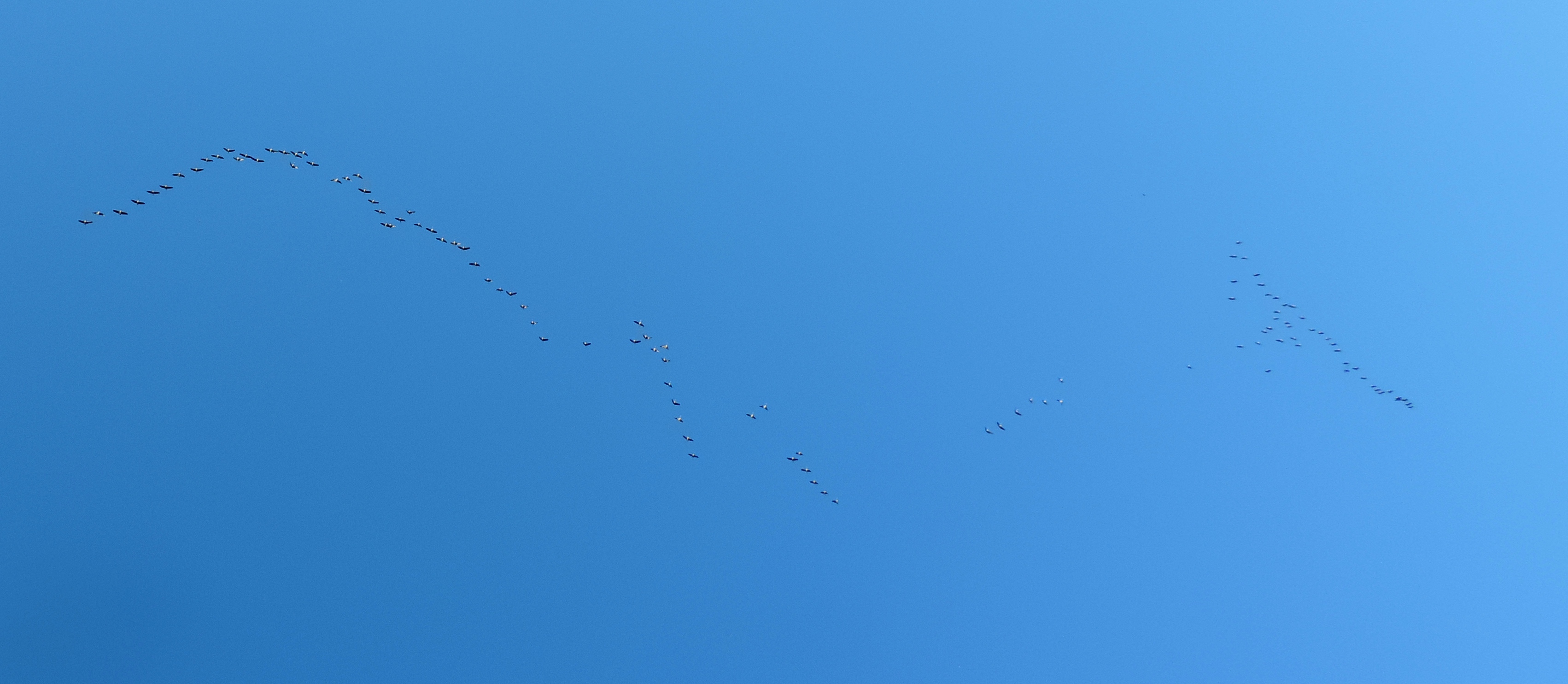
Early in the book, Leopold muses about the return of the geese from their winter migration. And he says this – “It is an irony of history that the great powers should have discovered the unity of nations at Cairo in 1943. The geese of the world have had that notion for a longer time, and each March they stake their lives on its essential truth”
Isn’t it amazing that the “essential truth” is we all share this one small planet, and that borders are totally artificial phenomena created by human beings to either try to grab a part of geography, or to exert power over others, creating a basic feeling of “us and them”. There are those who are included within a border, and there are those who are not – “aliens”, “foreigners”, “migrants” – any title other than fellow human beings.
Life moves around planet Earth.
We see it clearly in migrating creatures, not least the birds who spend part of the year in one hemisphere and part in another. But we only have to look back over a pretty short period of human history to see that we humans too, migrate. There have been great waves of migration in the past (not least to America from Europe in the 19th and early 20th centuries) and constant flows in between. Yet the powers that be seem to promote the us and them idea and think people should be judged and treated differently according to where they happened to have been born, or where their parents happened to have been born.
I think this is a kind of madness. It’s a delusion to think we can divide the human species up into all these separate, invented categories, and cruel to treat others according to where they, or their parents, happened to have been born. Who chooses where they want to be born?
I’ve long thought the problems of our modern societies are not caused by migration, but by greed, selfishness and inequality. Until we reverse the current trend of the rich getting richer while life becomes harder and less secure for the rest, politicians will seek “others” to blame – and, to often, those “others” are those who “were not born here”. Targeting those “aliens” or “foreigners” is a convenient way for keeping the Public attention away from those who are really causing the problems – the elites who grab and hoard more and more wealth, and are in the process of passing it on to their children through inheritance, enabling the next generations of the rich to become even richer, without having to do a single thing to do so.
This current system isn’t working. It’s not good for families. It’s not good for society. It’s not good for Nature. It’s not good for the planet. So who is it good for? Well, I think we know. But the trouble this, those profiting from it are a tiny minority of the human beings sharing this one little planet.
I watched the prequel to “Yellowstone” recently, “1883”. There’s a character in it called “Shea Brennan”, who has a monologue about death of loved ones, how we deal with grief, and how that can inform our life choices.
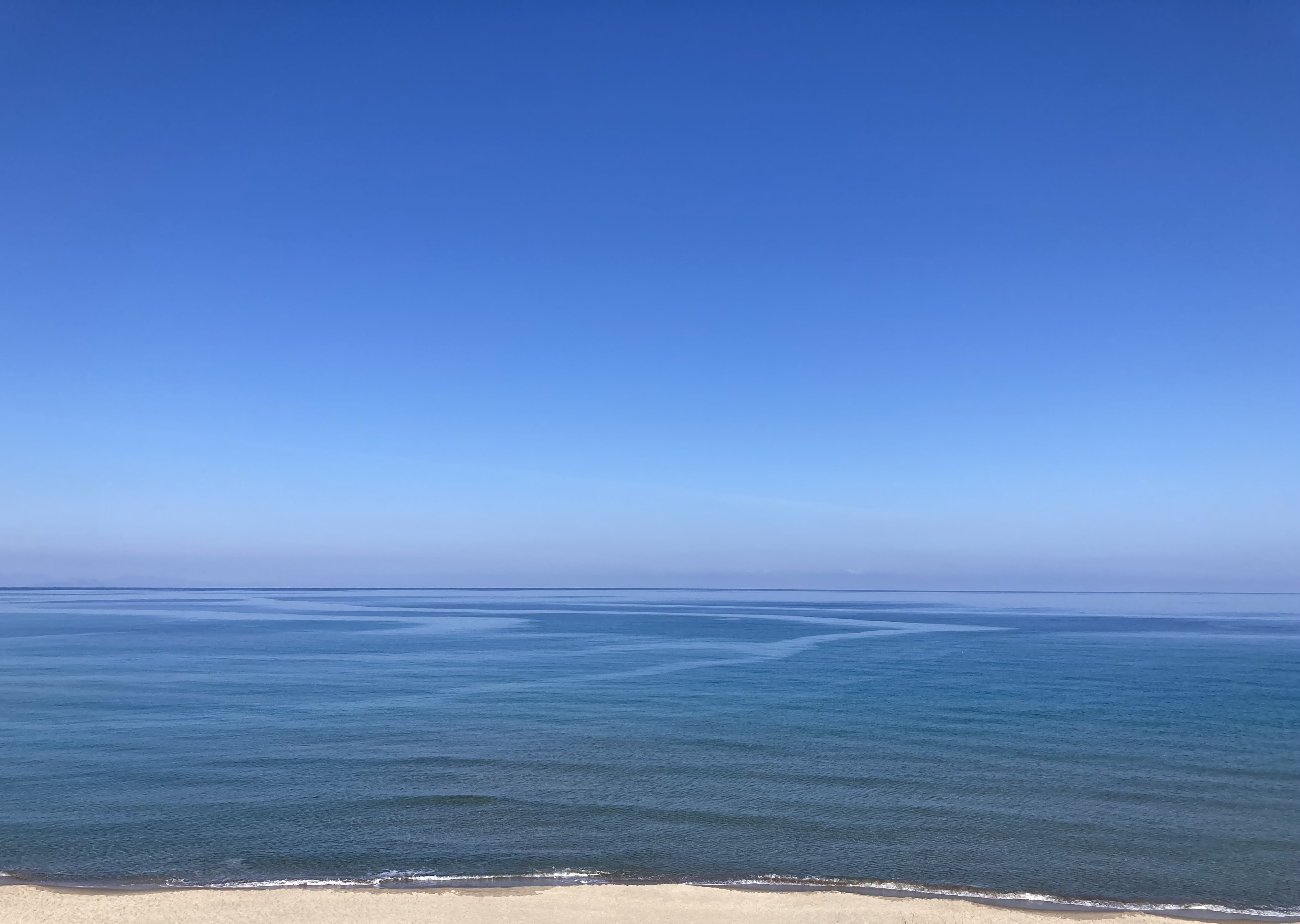
“An Apache scout told me once, when you love somebody, you trade souls with ‘em. They get a piece of yours, and you get a piece of theirs. But when your love dies, a little piece of you dies with ‘em. That’s why you hurt so bad. But that little piece of him is still inside you, and he can use your eyes to see the world. So, I’m takin’ my wife to the ocean, and I’m gonna sit on the beach and let her see it. That was her dream.”
I thought it was a really moving, and rather beautiful, scene. Surprisingly, I haven’t heard that idea before, the idea that when you love someone you exchange a piece of your soul for theirs. In fact, I don’t think I’ve ever come across the idea that the soul can be broken up and a piece given away before. I’m more familiar with the idea that when you love someone your soul becomes entwined with theirs.
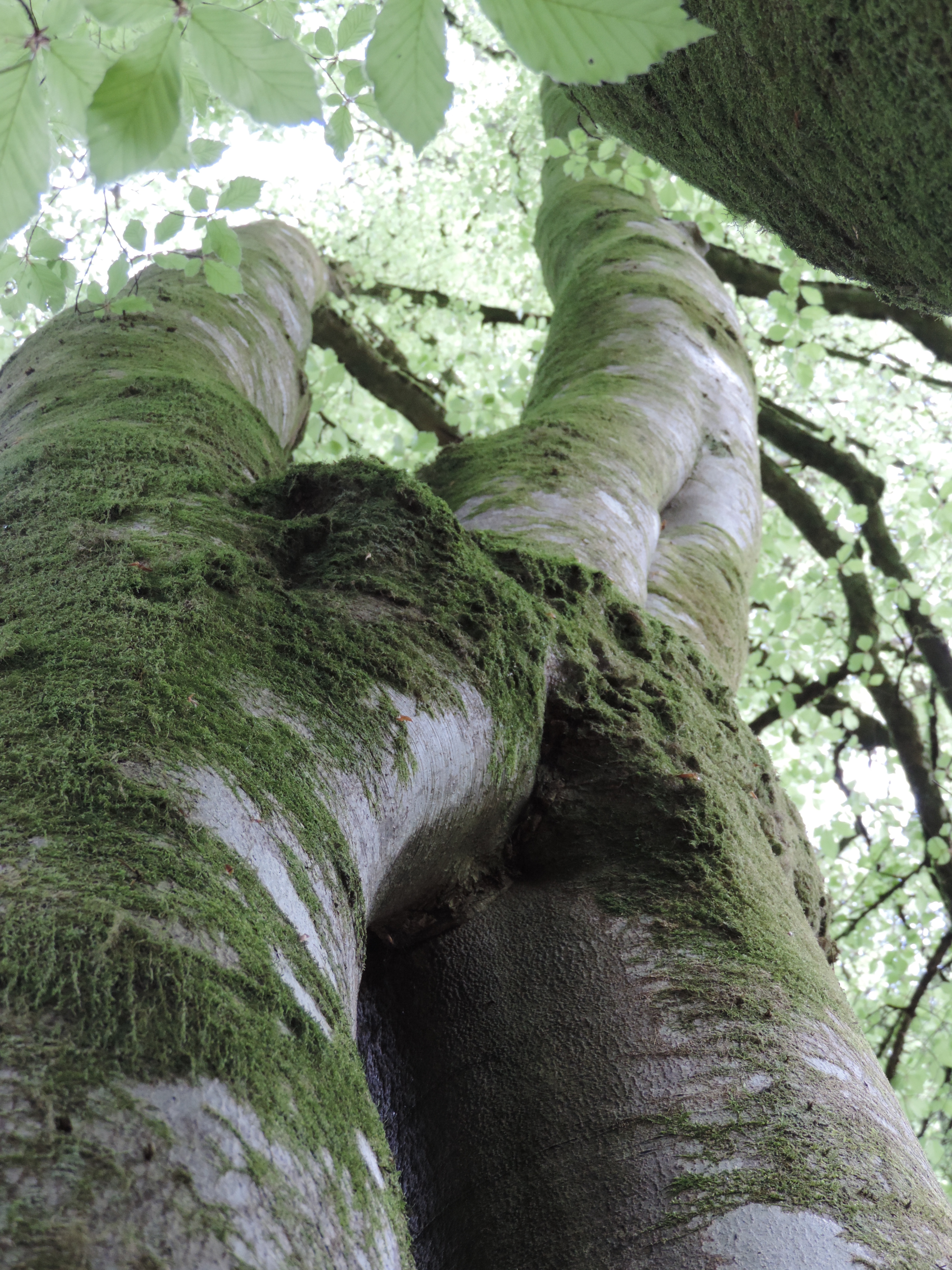
In fact, I prefer the image of the entwining, over the one of pieces being exchanged. The soul doesn’t feel a divisible concept to me, and, I’d say, my experience of life is that when you love someone you entwine your soul with theirs, and that your souls are entangled for ever after. Even if a relationship ends, through, drift, breakup, or death, the souls remain entangled.
However, let’s stay with the movie quote for now, because the other aspect of the belief he outlines, is that if your loved one has died, then they are able to experience the world through you in some way. That, too, strikes me as a beautiful thought, and, again, isn’t one I’ve really considered before. In the movie the character’s wife had a dream to see the ocean, so he decides to make his way to the coast so he can sit on the beach and she can see the ocean through him.
I think those with whom our souls are entangled, do continue to be affected by our experiences. Even as I write that, it strikes me as a radical, perhaps even crazy, idea, but there’s something there rings true. And it’s something I’ve encountered many times, in my dealings with patients and their relatives.
I follow the work of Christopher Ward on Instagram. He has something he calls “modelstrangers” where he stops people in the street and asks if he can make their portrait with his camera (he makes really wonderful portraits). As he takes photos he speaks to them, or actually, he does little interviews, and lets them do most of the talking. Recently, he encountered a young woman called “Amaal”, who said her brother, aged 20, had died last year, and she said “I have to live for both of us as he can’t enjoy it”, “so I want to enjoy everything” and she goes on to describe the beautiful, ordinary experiences of everyday life, which she nows pays close attention to, and which she enjoys. Really, it was a beautiful little interview. She’s obviously a very special person, but it’s the same sentiment…..that a loved one who is no longer with you can now only enjoy the delights of this world through you.
Whatever you believe about souls and about afterlife, I think this notion that we become entangled with others through love, and that we can consciously choose to share our daily experiences with them, wherever they are, for ever after, is a beautiful, life enhancing, deeply nourishing idea.
I’ve long believed that we should “relish the day”, that we should be “heroes not zombies”, becoming ever more aware of the beauty and mystery of this world, that we should stir our capacity to wonder as we go through an “ordinary” day, but, now I think I can take that a step further, and call to mind my loved ones, and share these daily delights with them, even if they aren’t here in my same time and place, to enjoy them for themselves. In fact, especially if they aren’t here in my same time and place, to enjoy them for themselves.
The dominant narrative in our current industrialised society is competition. It’s held up as the key success factor in capitalism, in business, and even, often citing Darwin, in evolution. It’s presented as the main way in which we humans have improved ourselves, succeeding over other species, beating each other to the top. It’s presented as the way to power and wealth. The key to success and happiness.
There is no denying that competition exists, and that its greatest worth is how it pushes people to improve. Sport is all about competition. It’s exciting and it drives human performance constantly to do better than has ever been achieved before.
Clearly, competition has its place.
But putting front and centre of the whole of life seems seriously misguided to me. Throughout history it has brought war, violence, exploitation, abuse and corruption. Because it all depends what you are competing for. If it’s more power and wealth, it too often results in division, xenophobia, racism, selfishness and cruelty. If you’re competing to improve, to achieve your best self, to create the best, fairest, healthiest society, maybe it’ll help.
I worked all my life as a doctor, so my area of knowledge and skill is what makes human beings thrive. If you consider the human body you can see that it contains billions of cells. Billions. Many of those cells grow together to form body organs, like the heart, the lungs, the liver and kidneys. Many grow together to form tissues, like bone, ligaments, skin. Other grow together to form systems of chemicals and cells, like the immune system and the endocrine system. Are all these cells, all these organs, all these tissues in competition with each other to be the best they can be? No, they are not. If our heart was in a continual war with our kidneys, we would be sick. If our immune system was in a continuous race against our endocrine system, we would be sick.
A healthy body is based on collaboration. It’s based on relationships, especially “integrative” relationships. Integrative relationships are defined as “mutually beneficial relationships between two well differentiated parts”. In other words, health, and, life itself, emerges from a vast, interconnected web of collaboration. When it works, we have harmony. We have flow. We have ease. We have growth and maturation. When it doesn’t work we have sickness and death.
I often think of that when I read about society, politics or economics. Why base those systems on something more likely to drive violence and a world of “winners and losers”? The body doesn’t do that.
Not only that, stop for a moment and reflect. Which human being could thrive entirely by themselves? In isolation, with only their themselves to deal with everything? None. There’s not a single baby born who would have made it to adulthood without the care and support of others. There’s not a single human being on this planet who has made it to adulthood without a vast web of “integrative” relationships – between themselves and others, between themselves and other living creatures, between themselves and the rest of Nature.
What would society be like, what would politics be like, what would economics be like, if we based it on the natural reality of life on Earth………not excluding all competition, but putting collaboration, care and sharing at the heart of everything we do?
I’ve been watching the series, 1883, recently. There’s one scene I found especially thought provoking. The character, Shea, or “Captain”, talking about grief, describes his belief that when you love someone a part of their soul becomes embedded in yours, and a part of yours in theirs. His wife, who died from smallpox, had a dream to see the ocean, so he’s making his trek West across America to get to the ocean, so that he can share that experience with the part of her soul he carries in his forever.
Whatever you believe about souls or spirits, this is either a beautiful fact, or a wonderful metaphor. I am sure that when we love someone, and they love us, then we do become entangled forever. Even if there is physical separation resulting from life paths which diverge and take us to other towns, or other countries, even if there is the physical separation of death, then this entanglement continues.
I often think that a person is more than the physical existence of their body. They are their personality, their stories, and, indeed, their soul. Every single one of us changes this world simply by living in it. It’s inevitable because we are so embedded and interconnected. The changes we make are unique. There was never the distinct you, before you were born, and there will never be an identical copy of your life at any time in the future. We impact on those who encounter us. We are changed by our encounters.
So, as memories and stories continue, so does the entanglement of two souls.
I’ve understood that for a long time, but it hadn’t occurred to me that I might share my wonder of the world, my amazements and delights, with my loved ones, parts of whose souls I carry inside mine.
I welcome constructive criticism and suggestions. I will not, however, tolerate abuse, rudeness or negativity, whether it is directed at me or other people. It has no place here. ANYONE making nasty comments will be banned.

 Heroes Not Zombies