Feeds:
Posts
Comments

Archive for the ‘perception’ Category

fractal cloud


Ursula Le Guin, in the introduction to her selected short stories, “Where on Earth”, says

I had been writing realistic stories (bourgeois-USA-1948) because realism was what a serious writer was supposed to write under the rule of modernism, which had decreed that non-realistic fiction, if not mere kiddilit, was trash. I was a very serious young writer. I never had anything against realistic novels, and loved many of them. I am not theory-minded, and did not yet try to question or argue with this arbitrary impoverishment of literature. But I was soon aware that the ground it offered my particular talent was small and stony. I had to find my own way elsewhere. Orsinia was the way, lying between actuality, which was supposed to be the sole subject of fiction, and the limitless realms of the imagination.

How liberating! How inspiring! Of course, all fiction is a work of the imagination, whether you call it “realism” or not, and, actually, isn’t Life, which can only be lived from the perspective of the subject, also a work of imagination? Or at least, it’s a work of finding that path between “actuality” (the objective Real), and the “limitless realms of the imagination” (how we subjectively interpret and experience that Real)?

I also love her phrase “arbitrary impoverishment of literature”. Why indeed should we limit ourselves to “realism”, especially if that same realism ignores, or worse, denies, the inclusion of the imagination?

Finally, I like that phrase “the ground if offered my particular talent was small and stony”. Isn’t it true that for each of us, our particular talents flourish in quite different environments, or on quite different paths?

Read Full Post »

When I read the word “poetizes” I thought it was a neologism, or maybe a bit of French-English creation, but, of course, it’s a regular English word, meaning “To describe or express in poetry or a poetic manner”. I stumbled over this beautiful verb today in the following quote

From the moment we begin to look at things, the world changes, the world poetizes immediately if you begin to pay attention to the grain of a jacket, the color of a curtain, or a falling drop tap…….says Thomas Clerc


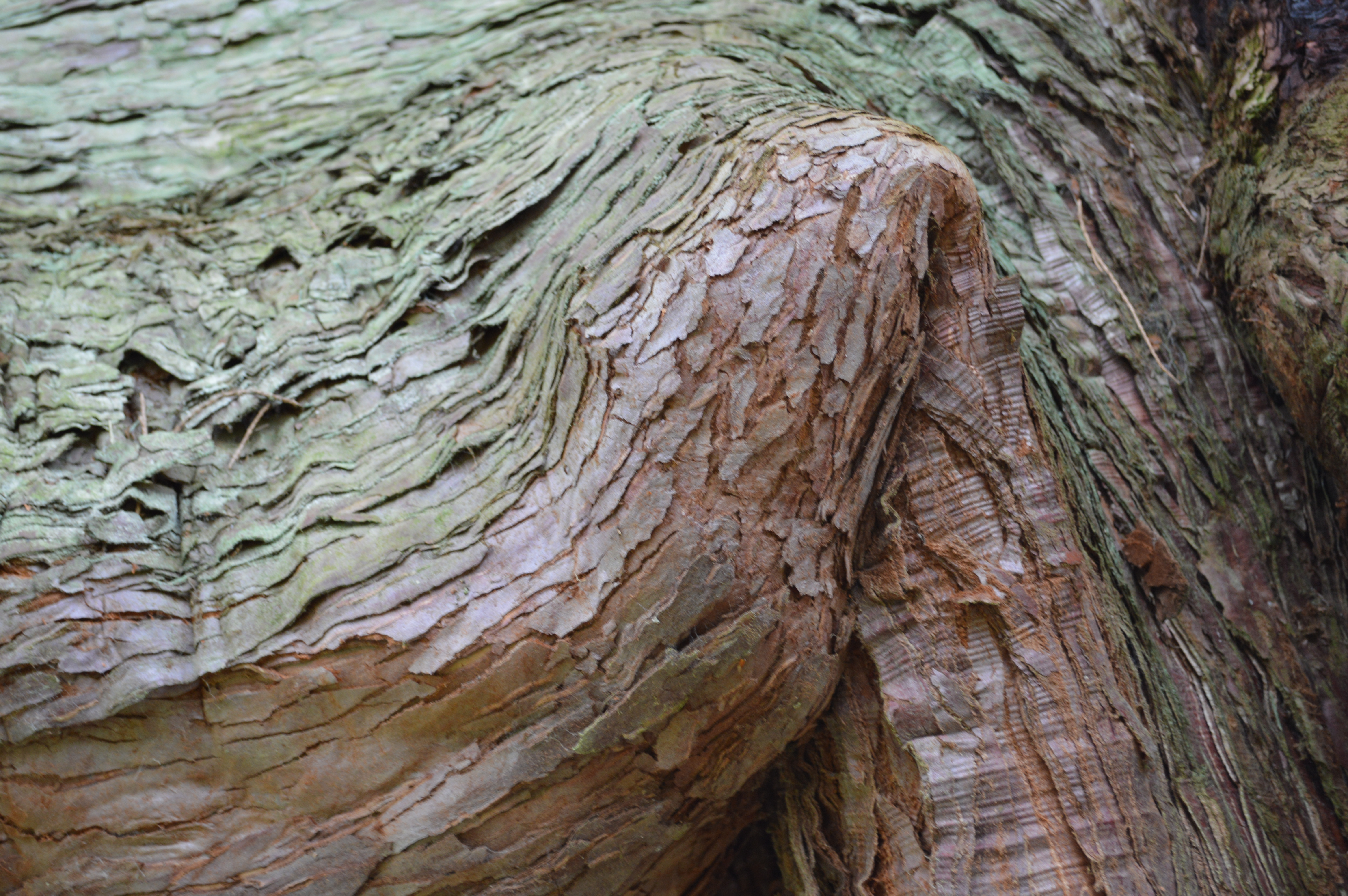
Here’s a little collection of some of my photos which I think show that phenomenon clearly……enjoy yourself for a moment as the world poetizes itself…….

rock face

weaving

perrier

sunlit

peacock

Read Full Post »

I don’t really like the term “mind body medicine” because it assumes a duality which is a delusion. That delusion isn’t just a problem which prevents real understanding of a patient’s suffering, it has wider and deeper effects…..as John Dewey (1859 – 1952) describes –

“The very problem of mind and body suggests division; I do not know of anything so disastrously affected by the habit of division as this particular theme. In its discussion are reflected the splitting off from each other of religion, morals and science; the divorce of philosophy from science and of both from the arts of conduct. The evils which we suffer in education, in religion, in the materialism of business and the aloofness of ‘intellectuals’ from life, in the whole separation of knowledge and practice — all testify to the necessity of seeing mind-body as an integral whole.”

I really like that phrase “habit of division” – a nicely different way of referring to reductionism and one which recalls Ian McGilchrist’s brilliant analysis of how we use our two cerebral hemispheres. Like all dualities, each part offers something unique, but either part, on its own, is just missing something important…….

bridge

Read Full Post »

tree

A tree we might say is not so much a thing as a rhythm of exchange, or perhaps a centre of organisational forces. Transpiration induces the upward flow of water and dissolved materials, facilitating an inflow from the soil. If we were aware of this rather than the appearance of a tree-form, we might regard the tree as a centre of a force-field to which water is drawn….The object to which we attach significance is the configuration of the forces necessary to being a tree….rigid attention to boundaries can obscure the act of being itself.

Neil Evernden, in ‘The Natural Alien’

I don’t know how this particular tree came to grow this way, but when I saw it I was struck by how the form revealed the process….not only did it reveal the flowing, developing nature of the tree, but it presented a permanent memory of an event. One day something happened in this tree’s life and it took a turn to the left, a sharp turn. It looks like it was a pretty dramatic event, maybe even one of those events which could bring its life to an end, but it didn’t…..it survived, and coped, and flowed in a new direction.

Read Full Post »

When I was reflecting (for my annual appraisal) the other day, I got to wondering again about just how we understand what a doctor does.

Then I stumbled upon the Greek origin of the word therapy – therapeuein……which means to pay attention or to listen to.

That’s it!

That’s what I do – I pay attention.

That’s what I hear is most appreciated – patients tell me they appreciate having the chance to express themselves, to tell their story, and for that story to be listened to, attentively and without judgement. But paying attention isn’t just about listening, it’s looking out for patterns, seeking out connections, creating meaning and sense by weaving it all together.

Paying attention is therapeutic.

And that got me thinking…..isn’t that how I try to go through life…..paying attention? So is that therapeutic? For Life? For Nature? For the world? For me?

Read Full Post »

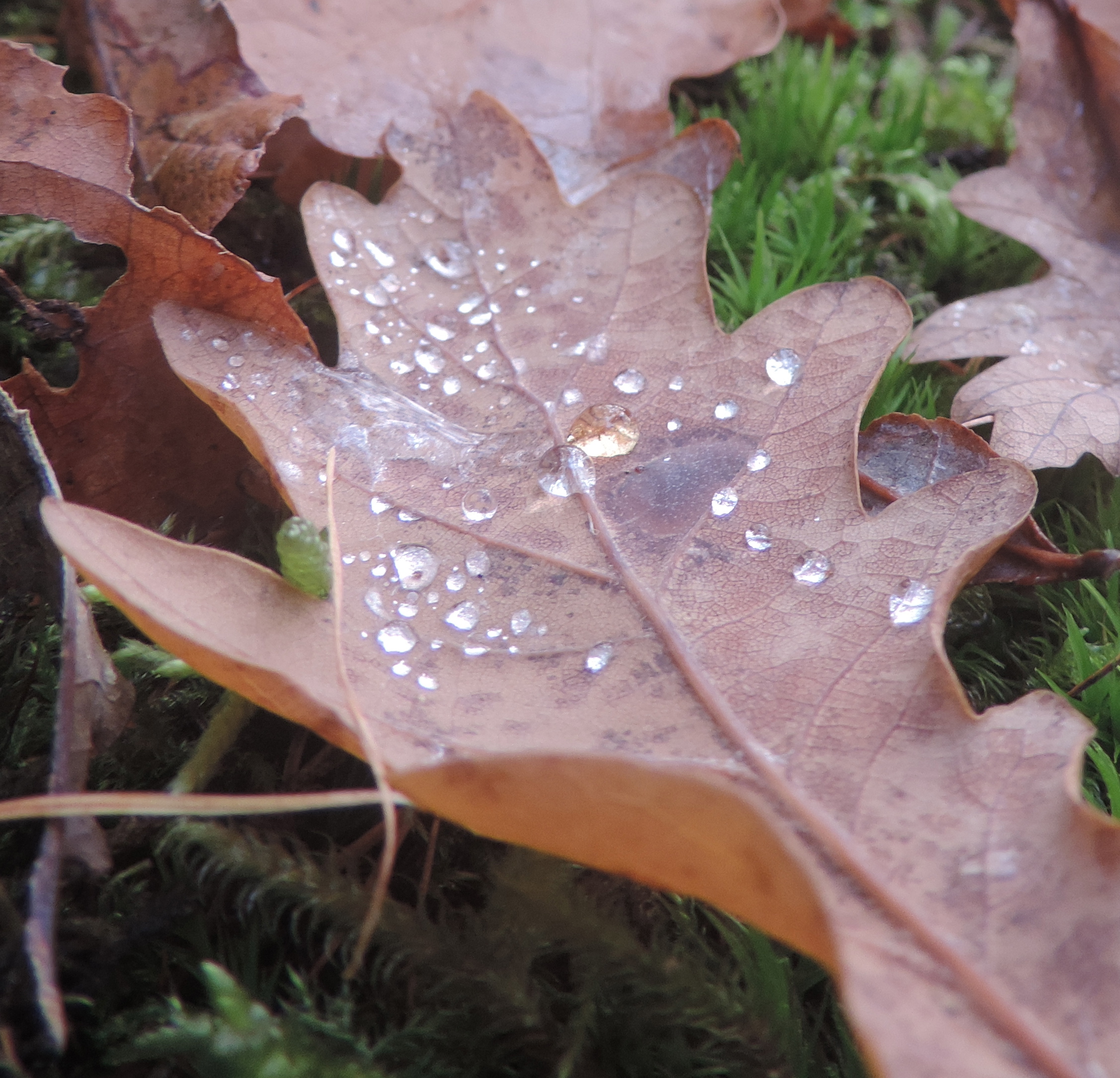
coloured drop


I photograph what I notice.

Something catches my attention, draws me to it. I become aware of it, and a sense of wonder, or an appreciation of beauty rises in me.

Then, so often, when I upload the photo onto my computer later and look at it on the big screen I see something even more striking, even more amazing than I was consciously aware of at the time I pressed the camera button.

Look at this photo. What caught my attention was a sparkle. The light and the water glistened like little gems. I took a few photos. When I looked at this one later I noticed that one of the drops of water is different. It’s like a little drop of honey, or amber, rather than like a small diamond or crystal of clear glass.

When I notice this, something else happens.

My delight increases. My sense of wonder increases. (How come this one drop on this leaf is such a different colour?) And it activates those deep values in me – the values of presence, of becoming consciously aware of this present moment, the beauty of transience, knowing that this present moment is fleeting, and all the more precious because of that, and the love of diversity and uniqueness.

All in a drop, all in a moment.

Read Full Post »

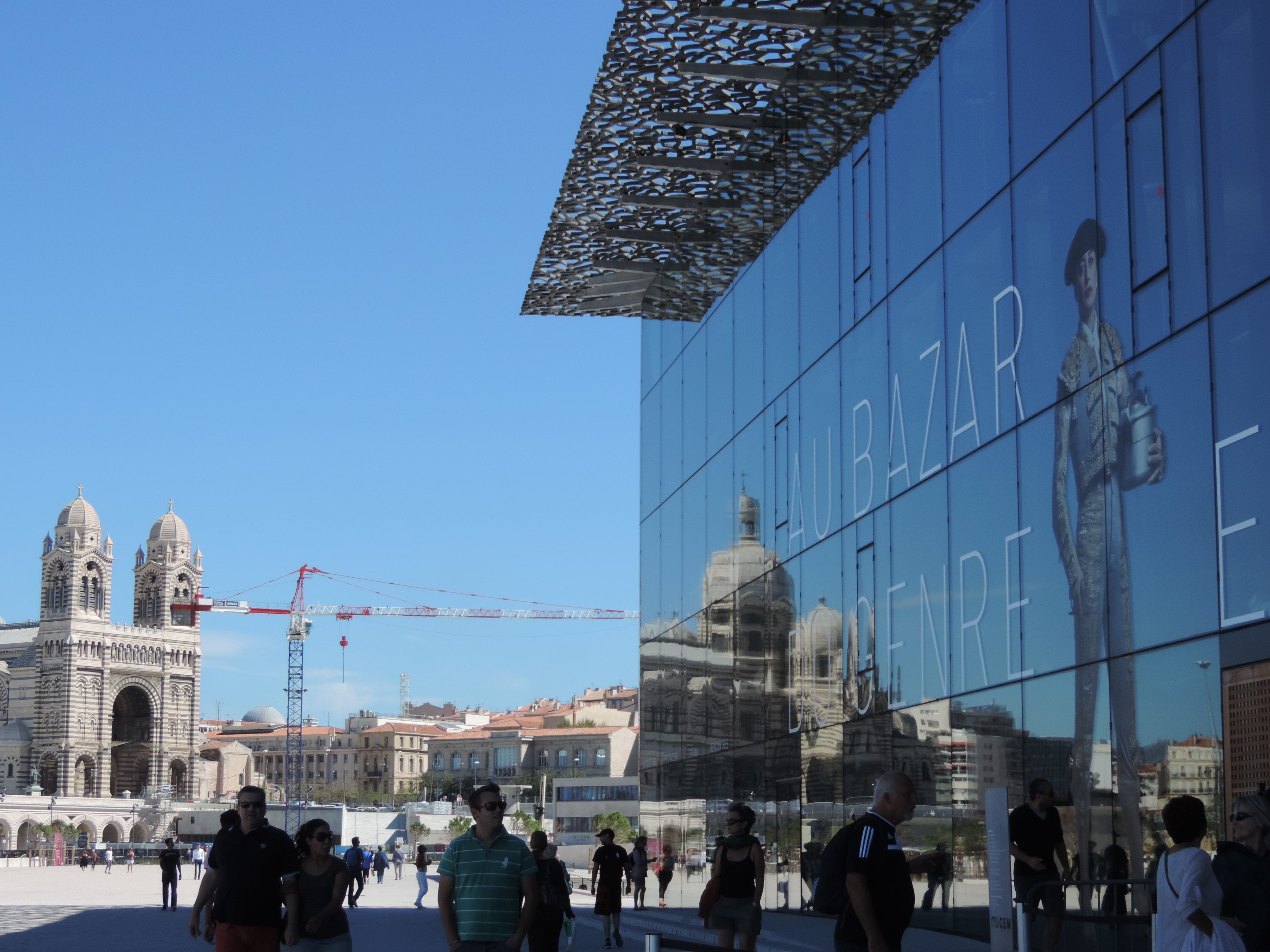
mucemreflect

When I was a little boy I thought that vision was like a kind of projector, casting images from the outside world up into my brain.

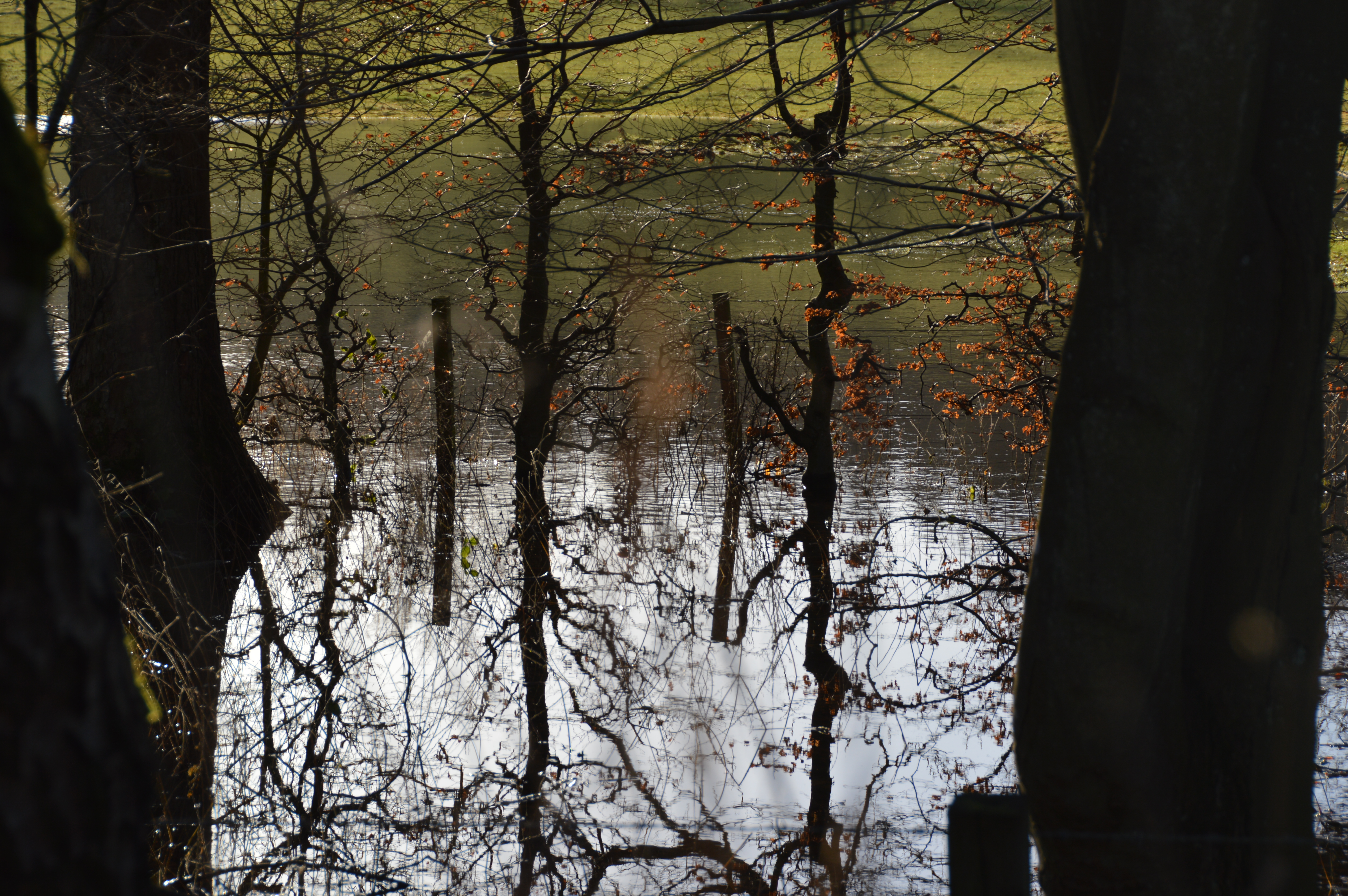
puddletrees

As I got a little older I thought the eye was like a prism, which would capture the outside view  and transmit it upside down onto the back of my brain, then my brain would flip the image back the right way up somehow.

Once I learned more about it I discovered that neither of those explanations are even remotely correct. In fact, (of course), light doesn’t pass through our eyes at all so they are not in the slightest like camera lenses, or prisms. What happens is that light stimulates special cells which line the insides of our eyeballs, and those signals are converted into electric/chemical signals which are sent through nerve cells to the “visual cortex” at the back of the brain – yes the back of the brain! Isn’t it odd that the back of the brain is the bit we use to see with?!

For a while I pretty much left it at that. But then as I learned more I discovered that vision is a MUCH more creative process than I’d considered so far. Not only is there a patch inside the eye which has no specialised cells for responding to light at all – in other words there is a “blind spot” in each eyeball which is incapable of seeing anything, but the visual cortex isn’t even a single part of the brain.

goldman

In fact, nobody has managed to completely map out just how our brains created the experience of seeing. The visual cortex is now considered in six separate areas of the each hemisphere (named V1 – V6) – that is 6 areas for each hemisphere, or 12 separate areas altogether to create our experience of a seamless image with no blind spots or missing bits. Some of those parts respond to movement, some to colour, some to shapes, some are wired to perception and some to actions……really, it’s too complex so far for us to fully grasp.

So, here’s what surprises me – each eyeball has a bit in it that doesn’t create the images we see – we call that bit the “blind spot” and it’s where the nerve cells which lead into the brain gather together at the back of the eye. Then each eye sends its signals to a complex of six different areas of the brain.

woman

And somehow, we weave together all those stimuli, and all those signals and computations to instantaneously create whole, seamless images. Amazing! Really, it’s astonishing.

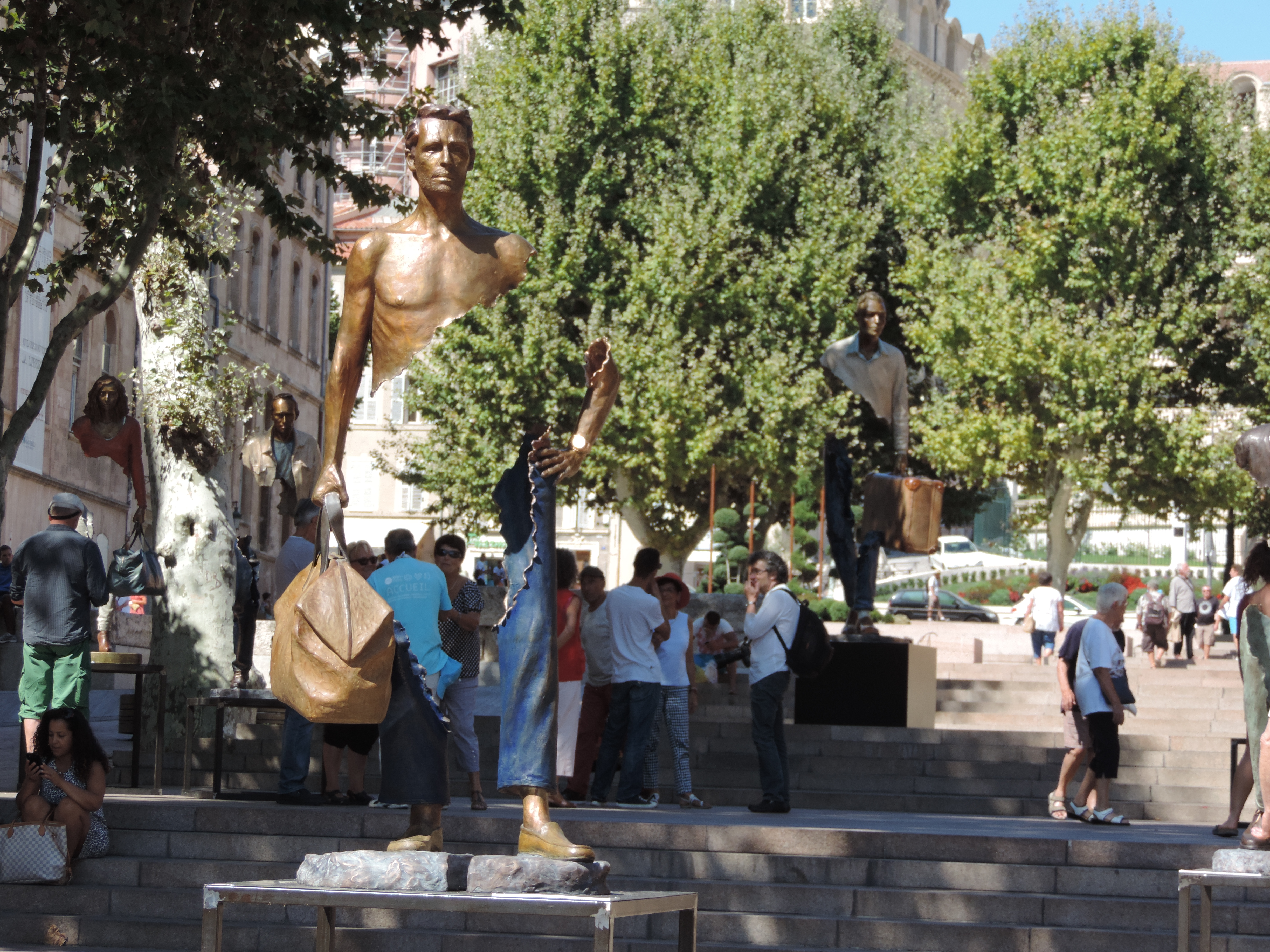
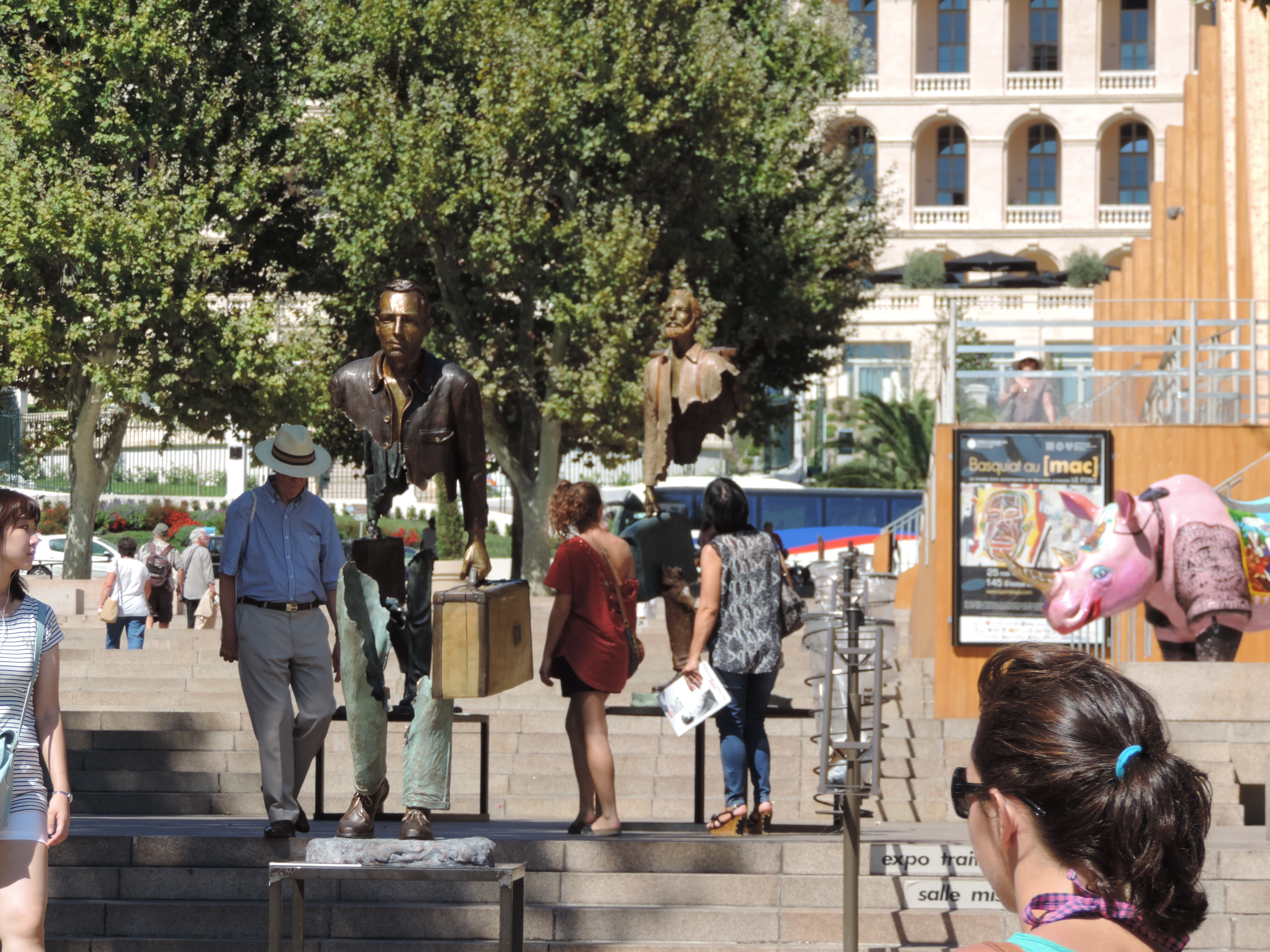
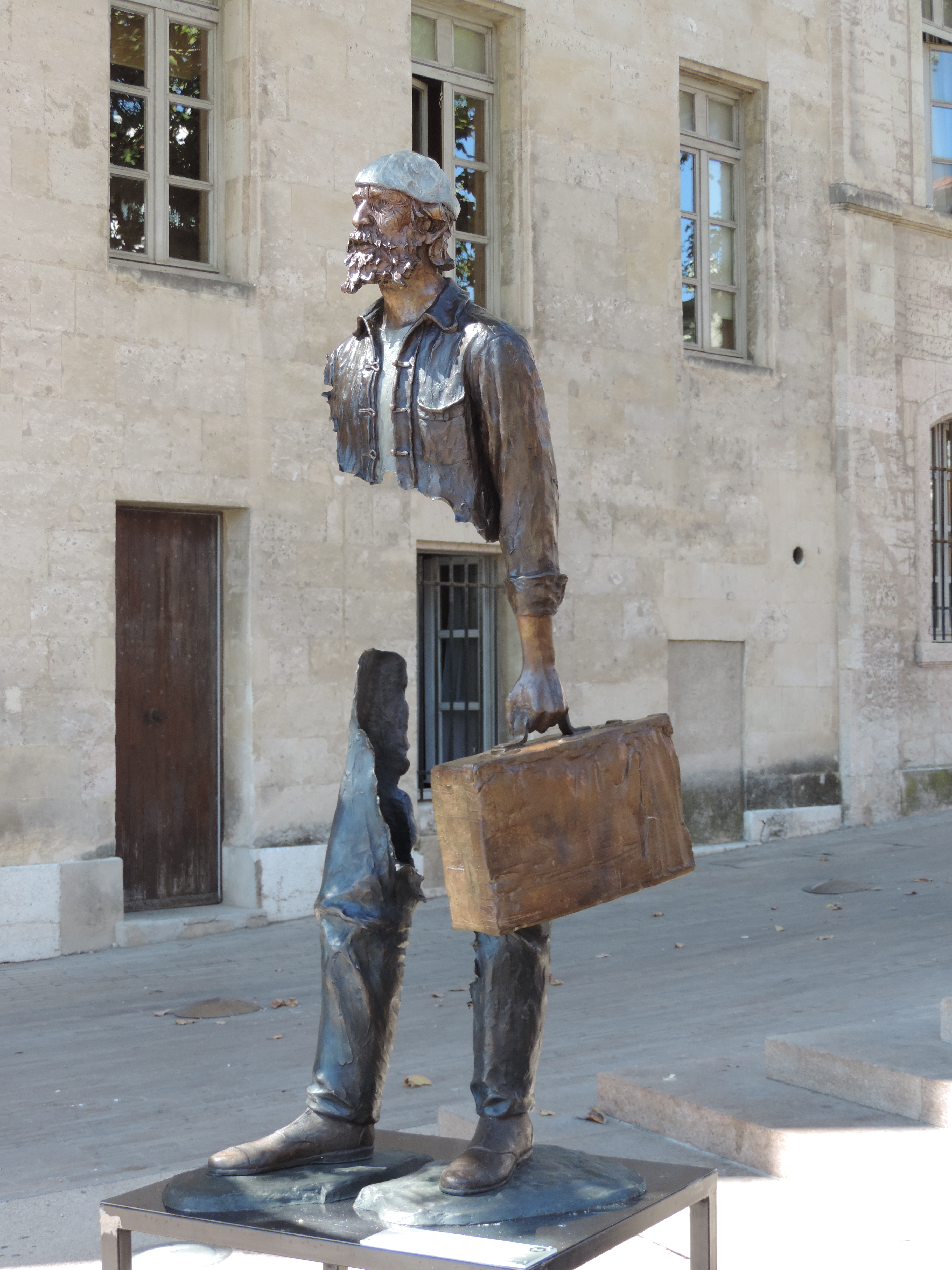
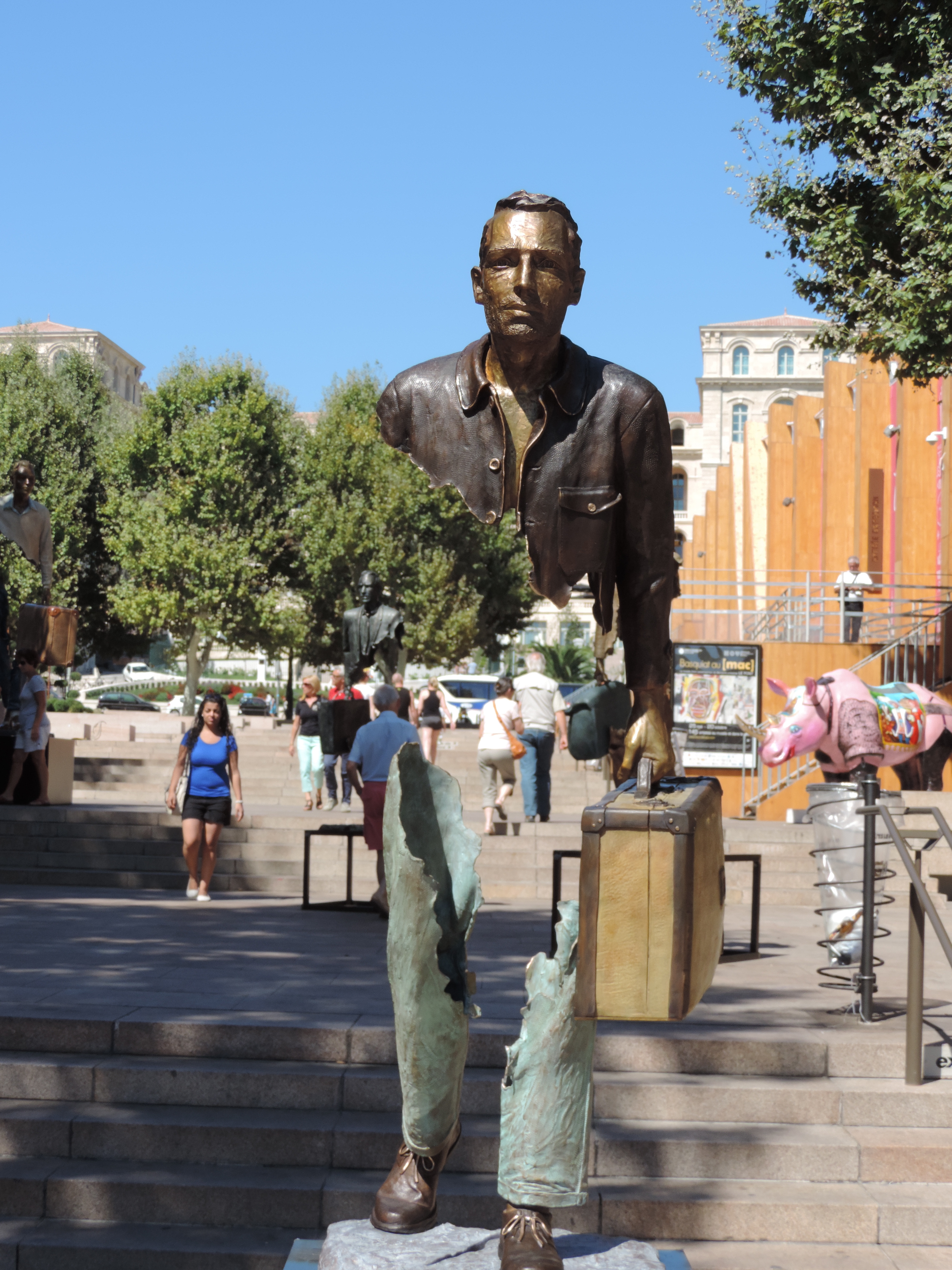
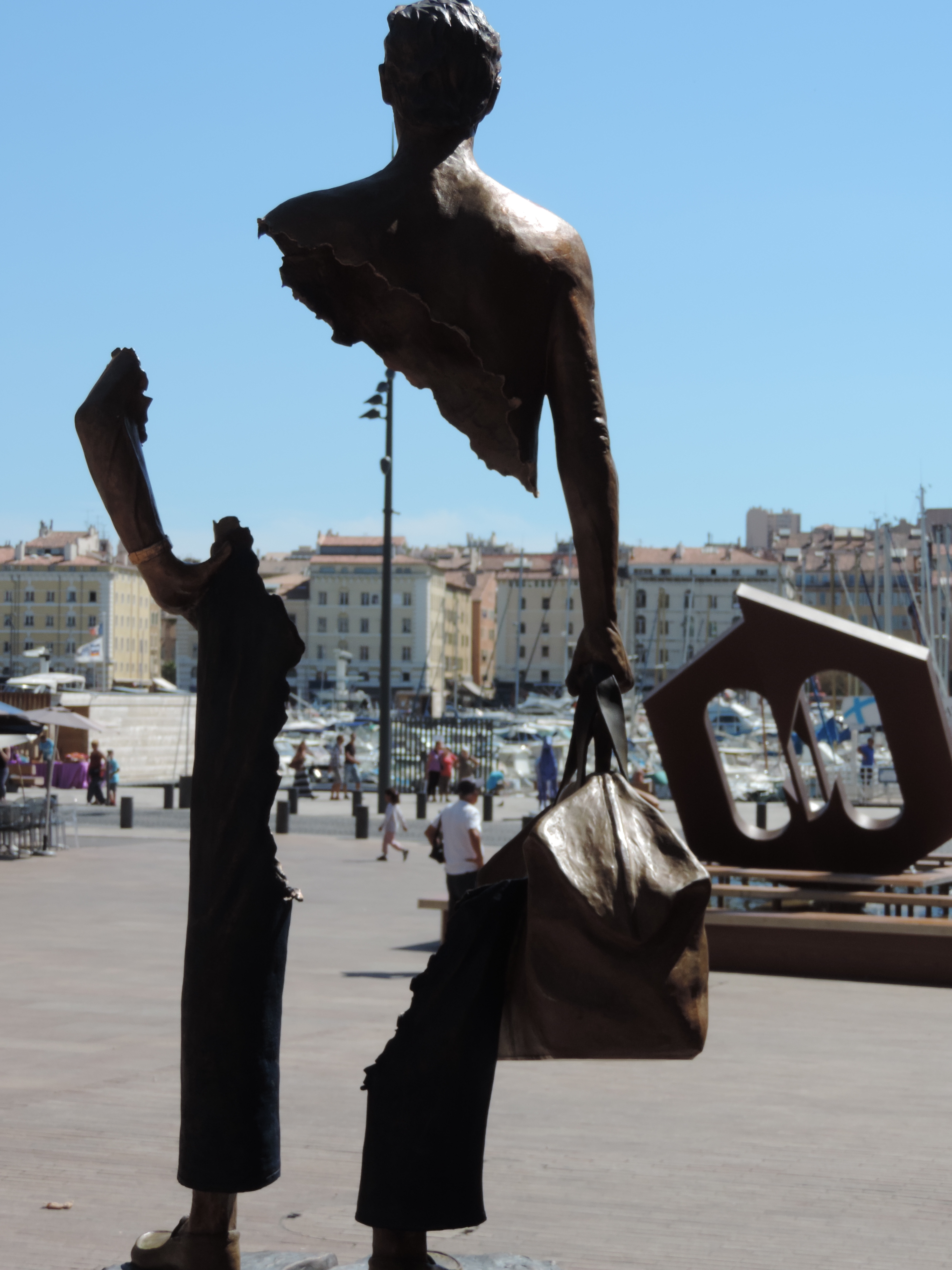
So what do you think of these sculptures which were placed near to the town hall in Marseille?

bandana

travelcase

docker

Read Full Post »

I read a fabulous book whilst on holiday in France recently – “Ni hasard, ni nécessité” by Marc Halévy. I’ll probably write a few posts inspired by it. Here’s the first –

Marc Halévy refers to the three meanings of the word “sens” in the French language.

The first is sensation, or senses – what we experience subjectively. This is such a great way to be present – to pay attention to, to become aware of, or mindful of, the sensations you are experiencing in the here and now. What colours, what light and patterns can you see? What sounds do you hear? What scents can you smell? What tastes linger on your tongue? What does your body sense?

The second is meaning – “what sense do you make of……..?” We are meaning seeking creatures. We are always wondering why, and what does this mean? Why me? Why this happening now in my life?

The third is direction – “where am I going?” “where will this lead?” “what’s the point, or purpose or direction of my life?” We like to be able to see an overarching narrative in our lives. We like to see how we’ve got to where we’ve got to and where that might lead if we carry on down this road.

I love this unpacking of that one word “sens” – the sensations, the meaning and the direction of my life.

In fact, sticking with French for a moment, it’s not far from “le sens” to “l’essentiel” – as Saint Exupéry said “l’essentiel est invisible pour les yeux”

What is most important to us, what is essential in fact, is what is invisible – and the sensations, the meaning and the direction in our lives are all invisible. They aren’t material. They can’t be measured. But they create “le sens de la vie”.

Read Full Post »

The power to predict

Here are two chestnuts in my hand.
Who can predict what will happen to them? Who can say what their future will be?
Will they become chestnut trees?
If so, where? And how big will they grow, and how long will they live?
Will they get pickled and become champion conkers in a playground game somewhere? Which one will become the champion?
Will they feed a squirrel and help it through the winter? Or some other creature in need of nourishment? Could these particular chestnuts make the difference between life and death for one little animal?

I’m sure, the more you use your imagination, and the more you consider the current and potential connections between these chestnuts and the rest of Life on our planet, you can come up with an almost infinite number of possible biographies for them.

So how easy is it to predict?

In this complex, multiply interconnected, frankly astonishing world, isn’t prediction impossible? Instead we default to guesses, hunches and statistics. None of which actually allow us to predict the details.

In the light of that, I find it amazing that we listen to “experts” who claim the power of prediction – whether they are economists, politicians, scientists or doctors.

The power to predict reality is an illusion. And here’s why……the universe is an emergent process. Life is an emergent process. It’s not a machine with the endpoint already established.

We are all becoming not being………

Read Full Post »

earthrise orange

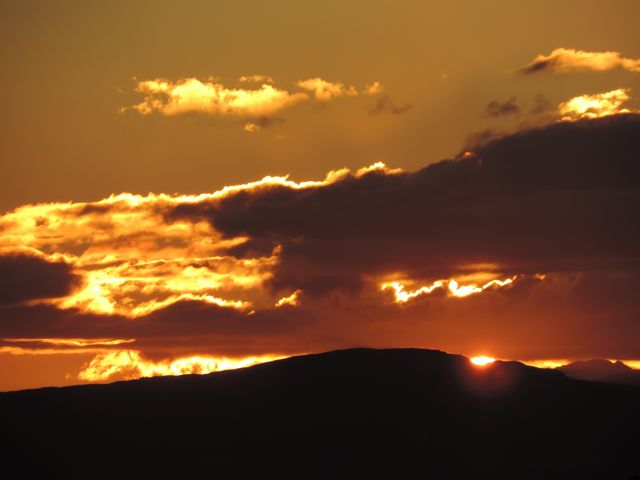
I love the Earthrise every evening at this time of year…..can’t you feel the Earth turning as the horizon rises, turning away from the Sun for another night?

Read Full Post »

« Newer Posts - Older Posts »