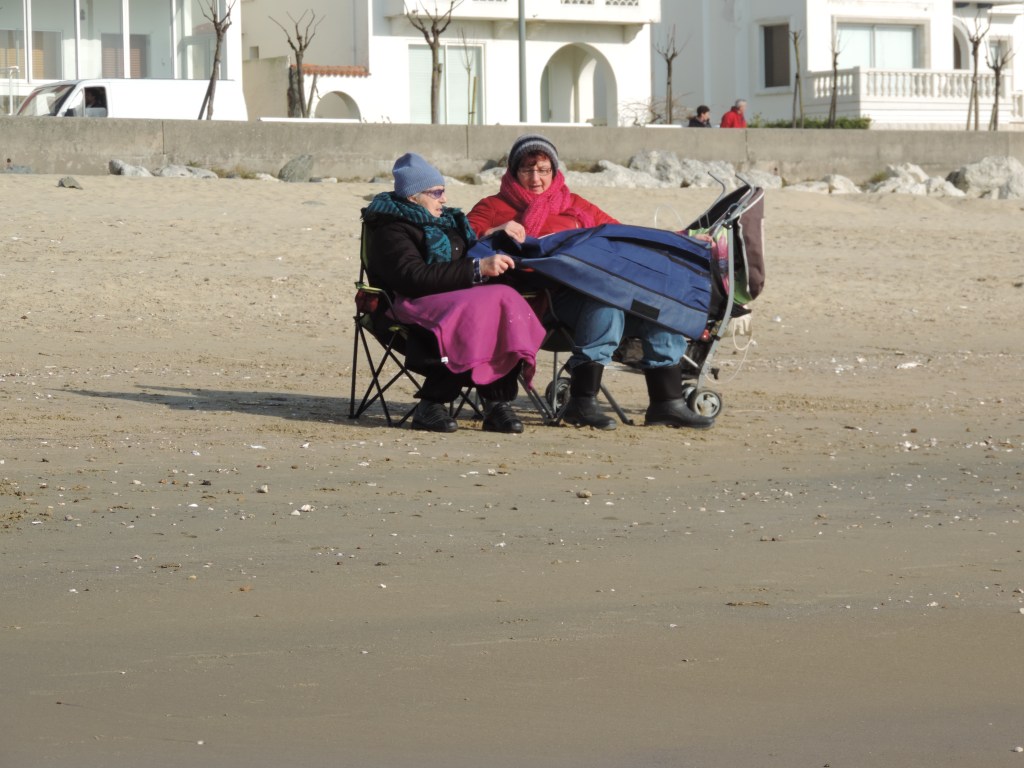
We humans are social creatures. We have evolved that way. We are born that way. Our brains are “wired” that way. Our brains grow that way.
I am all in the open and in full view, born for company and friendship.
Montaigne thought conversation was better than books. He loved to talk with people who were very different from himself, from different backgrounds and cultures, people who held very different views from himself. This last point is very important – and it is SO different to what floods social media where people withdraw into echo chambers of like minded others and when meeting people with contrary views can only insult and threaten them.
Why did Montaigne like to converse with people who thought differently from himself? Partly to discover other ways of thinking, other ways of living and partly to provoke his own self reflection – NOT to “win” arguments or convince others of his own opinions.
No propositions astonish me, no belief offends me, whatever contrast it offers with my own.
How different is that??!
Nietzsche picked up this perspective from Montaigne and in “Human all too human” wrote…..
Among the small but endlessly abundant and therefore very effective things that science ought to heed more than the great, rare things, is goodwill. I mean those expressions of a friendly disposition in interactions, that smile of the eye, those handclasps, the ease which usually envelops nearly all human actions.
This is my experience of life. I believe that because I approach others with goodwill and a smile it’s my repeated experience that others are friendly and kind. I find other people fascinating – which was the foundation of my work with patients – but which also colours my everyday encounters.
Montaigne lived in a dangerous time of civil war but kept his house open to others encouraging strangers to come in and meet him. He didn’t suffer the violence so many others did. He quoted Seneca –
Locked places invite the thief. The burglar passes what is open.
Of course, such openness is no guarantee of safety but this reminds me how we created a reception area in our GP Practice which had a wide but open counter as we thought putting ourselves behind screens was more likely to stoke aggression. In my four decades of work I encountered not a single episode of threat, abuse or violence. Maybe you think, but times have changed, and maybe they have. I do think health care has become de-personalised. Tasks, outcomes, protocols etc seem to have squeezed out continuity of care and personal, long term relationships in Medicine. Maybe that’s made a difference – a difference, but not a good one.
Montaigne’s goodwill extended to animals and plants as well.
All humans share an element of their being and so do all other living things. It is one and he same nature that rolls it’s course.
We owe justice to men, and mercy and kindness to other creatures that may be capable of receiving it. There is some relationship between them and us, and some mutual obligation.
As Sarah Bakewell says at the end of this chapter – “We live porously and sociably. We can glide out of our own minds, if only for a few moments, in order to occupy another being’s point of view.”
Beautifully put. What a great example – to be curious, to want to learn from others, to self reflect and to act, as much as possible, with goodwill to all other living beings.