Feeds:
Posts
Comments

Posts Tagged ‘gardening’

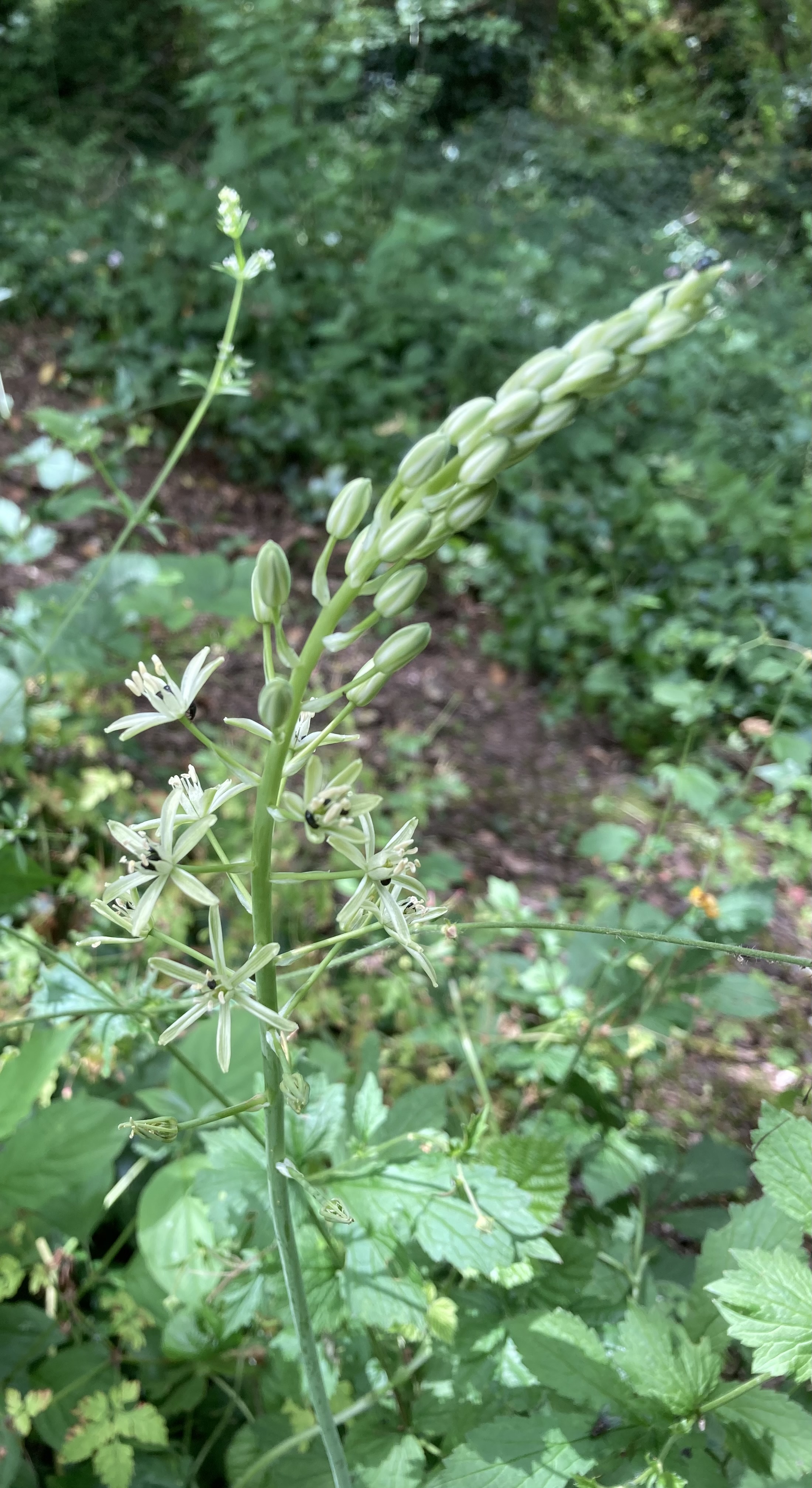
Prussian Asparagus

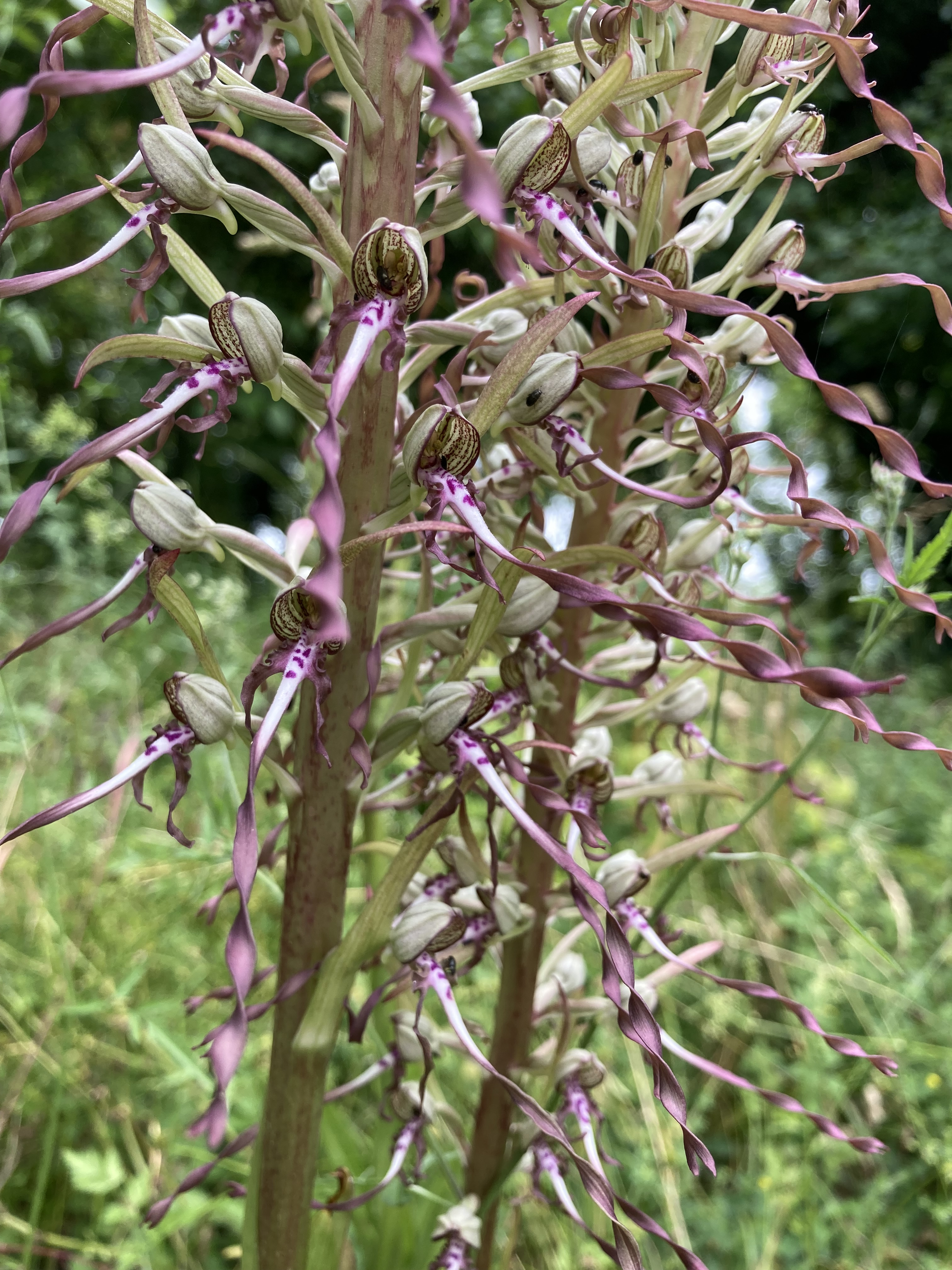
Lizard tongue orchid
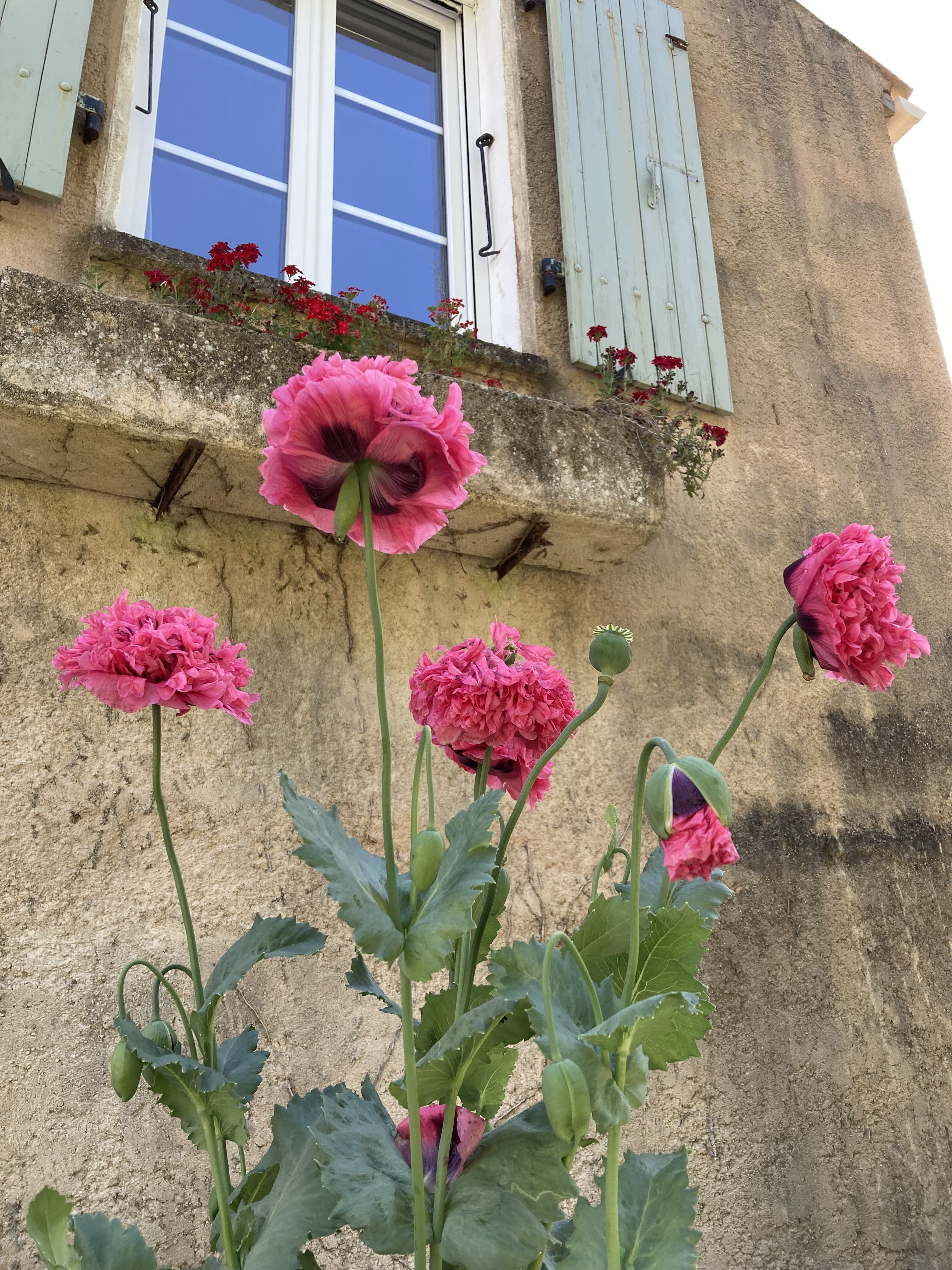
Poppy
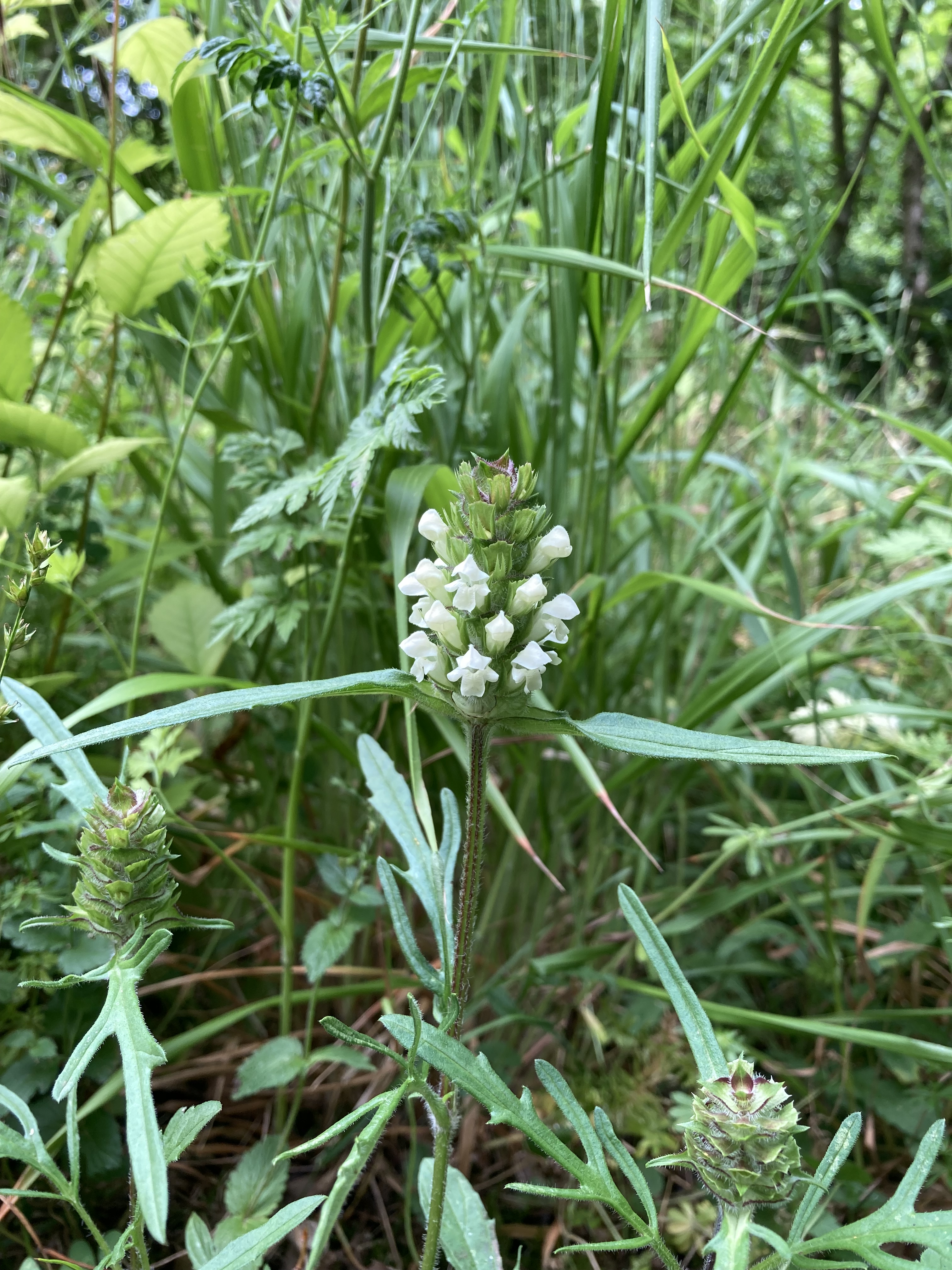
Selfheal
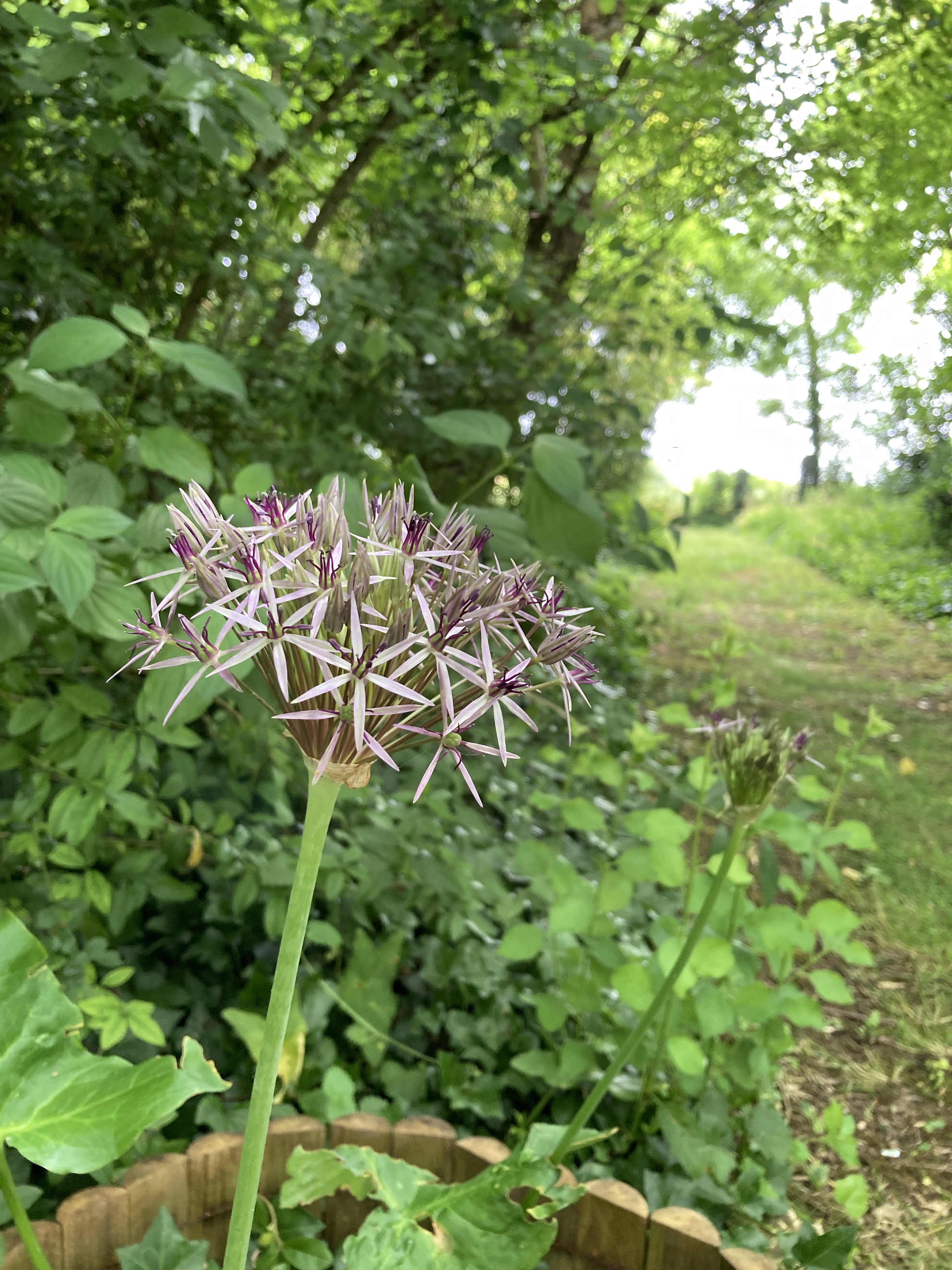
Star of Persia

These are all plants which I’ve discovered in my garden this month. I didn’t plant any of them. They just appeared, clearly their seeds having been borne here by birds, wind, or other creatures. Every single one of them is a delight. Every one of them stimulates my favourite “emerveillement du quotidien” (my everyday wonder). Every single one of them has stopped me in my tracks, to gaze, admire and contemplate not just their beauty, but the incredible, unpredictable nature of Nature.

And in every case, there are several of them. There are a number of these plants, either close together, or in quite different parts of the garden.

I first saw “Selfheal” when it appeared by the forest and spread across the grass as I was recovering from an operation the year before last. I didn’t know what it was, but it gave me a real boost to discover its name and its ancient uses (I didn’t actually swallow any of it, however!).

The poppy is also a medicinal plant, and the ones which have appeared “from nowhere” this year are the tallest poppies I’ve ever seen. (I haven’t swallowed any of that either!)

Apparently the “Prussian asparagus” is edible, but there are only about six of them, so I’m letting them be, in the hope that they will seed and spread further.

Several of the “Lizard tongue orchid” plants have appeared together in a clump at the edge of the forest, and I found a “Bee orchid” in the front plot. Every orchid I’ve ever encountered strikes me as a wondrous plant. They all appear to me as astonishingly beautiful.

So, with the beauty, the wonder, the science and the symbolism of these plants, I really feel blessed. I’m going to share the photos on social media using a hashtag of #AGiftFromGaia – maybe you’d like to do the same.

Read Full Post »

What I love about discovery and exploration is that you can do it right on your own doorstep. Our garden here in the Charente Maritime was largely abandoned for a few years before we bought the house. We’ve been working on a bit at a time over the last three years. There’s an area where we had giant brambles, overgrown nettles and fallen trees cleared away and seeded grass where it had until then been impenetrable but we left all the healthy trees which surrounded that area. I made a few paths amongst the trees and it feels like a little forest walk.

One of the things I love about this garden is that so many plants grow here after having found their own way here. I think there’s very little which has been deliberately planted (until we arrived!). So, the other day, the sun lit these lovely yellow flowers and I thought, what on earth are these? These days it’s dead easy to find out. I took a photo with my phone, pressed the “info” button and it told me this is Calendula arvensis. I only knew Calendula officinalis, so I then searched online and found a research article on PubMed Central about traditional uses of this particular plant. Wow, was I amazed! The researchers say it has “anti-inflammatory, antiviral, antimutagenic, antimicrobial, insecticidal, antioxidant, and immunomodulatory activities” – well, that sounds a lot! They list about 45 different areas of the world where there are recorded traditional uses of this plant, describing in each instance what parts of the plant are used and what they are used for.

I find all that absolutely fascinating, and it reminds me how much we limit our knowledge and therapeutic skills when we ignore how populations around the world have used particular plants over millennia. Surely we shouldn’t dismiss all this information just because we haven’t studied them the same we study our manufactured, artificial drugs?

While I was admiring this little flower I was aware of how much bird song I could hear, so I fired up another app on my phone, “Merlin”, which is a kind of Shazam for birdsong, and it found and identified seven different species of birds all singing like mad. I don’t think I’ve ever lived somewhere where there were so many birds around every single day.

I like how modern technology helps be to recognise plants and birds and how easy it is now to discover so much about them. It makes me aware of how little I know and how I’ll never stop discovering and exploring.

Read Full Post »

Ethnobotany

This is Echinacea….maybe one of the best known medicinal plants, with a reputation for helping to boost the immune system. If I ever get a cold or flu, I take Echinacea daily until it’s gone. I don’t remember where I read it, but back when I was a GP I remember reading a few studies which seemed to show that taking Echinacea during viral illnesses could be associated with less severe symptoms and a shorter duration of illness. I’ve adopted the practice ever since.

I have quite a fascination for medicinal plants. There’s something extra special about finding or growing a plant with reputed healing powers. I was pretty excited last year to discover “self heal” suddenly growing all over the garden, and I do like to see plants like Echinacea, Chamomile, and Pulsatilla growing nearby. I even like the poisonous ones with potential powerful pharmacological effects (even though I don’t actually swallow any of them!) – Foxglove (Digitalis), Aconite, Belladonna, and Trumpet flowers (Brugmansia) – although the only ones I’ve managed to grow so far are the foxgloves.

I can’t remember when I first encountered the term, ethnobotany, the study of the place of plants in human lives, but I’ve often thought that, in another life, I’d probably have enjoyed studying ethnobotany at university. One of my favourite books on my bookshelves is “Plants of the Gods”, subtitled “Their Sacred, Healing and Hallucinogenic Powers” by Richard Evans Schultes and Albert Hofmann.

When I learned homeopathy as a young GP it fired up my interest in the potential healing powers of plants many fold, and I still think that’s one of the reasons why I enjoyed learning homeopathy so much. To be able to enjoy the beauty of a plant, to be fascinated with its growth, but in addition to know stories about human beings have interacted with it over the centuries seems, to me, to deepen and expand my enjoyment.

Many years ago I went to an ethnobotany exhibition at Inverleith House in the Royal Botanic Gardens in Edinburgh. In the middle of each room were plant filled stalls laid out like a street market, with explanations about each plant. I remember thinking, how on earth did nomadic tribes discover that one particular plant was good for treating diarrhoea, whilst a different one was great for dyeing your clothes purple? I mean, was it decades of trial and error? How many purple people died from diarrhoea?

That still absolutely fascinates me. How did the tribes in South America discover that a particular tree was good for treating fevers, only for us to discover decades later that it contains quinine, a great malaria treatment? And how interesting that when Samuel Hahnemann read about that in Cullen’s Pharmacopeia, he decided to take some of the tree bark himself, leading him to come up with the idea of “like treats like”, and, hence, the whole therapeutic method of homeopathy?

Read Full Post »

How do we improve the quality of our everyday lives?

One way is to do whatever brings us joy, and makes us wonder. And we can do that, either by pursuing an activity which we know brings us joy, for example, listening to our favourite music. Or, and this adds in the element of wonder and discovery, pay attention to the hear and now.

As I wandered through my garden one day, just looking to see what I might notice, I spotted this tiny plant. First of all, I’d never seen a plant like this before, so I didn’t know what it was called. Secondly, I kneeled down, got up close, and just looked. Isn’t it beautiful? Isn’t it amazing? What an incredible structure, and what beautiful colours. I love those tips of purple emerging from the green. Then I got my phone out and took a close up photo….this photo.

I like to take a photo for two reasons. First of all, I can then go back and look more closely over and over again. I can enrich an already rich experience. Second, because my curiosity has been stimulated, I can touch the little “(i)” button on the phone screen when I’m looking at the photo, and it magically tells me the name of the plant.

Apparently, it’s a “self-heal”. Oh, like all plants, it has many other names too, but the name “self-heal” immediately appeals to me. After all, in all my years working as a doctor, that’s exactly what I was trying to do – to stimulate and support a patient’s self healing. I know we live with a kind of medical myth that doctors heal us with their operations and their drugs. But they don’t. Nobody repairs a single wound without the body’s capacity to self heal. Nobody recovers from a virus without the body’s defence and repair system doing its job. Nobody heals without the body’s complex system of self healing doing what it is designed to do. Doctors should remember that. They don’t heal patients. Patients heal patients and the doctor, when working at their best, support, stimulate and work with, the capacity if the patient to self heal.

Once I had spotted this plant, identified it, explored more about it online later, then I suddenly saw it appearing everywhere in the garden. Well, not everywhere, but over a very wide area. Now there’s something else amazing about gardens. I didn’t plant this beautiful plant. I didn’t “propagate” it. But there it is, and it’s thriving. I find that wonder-full!

Read Full Post »