
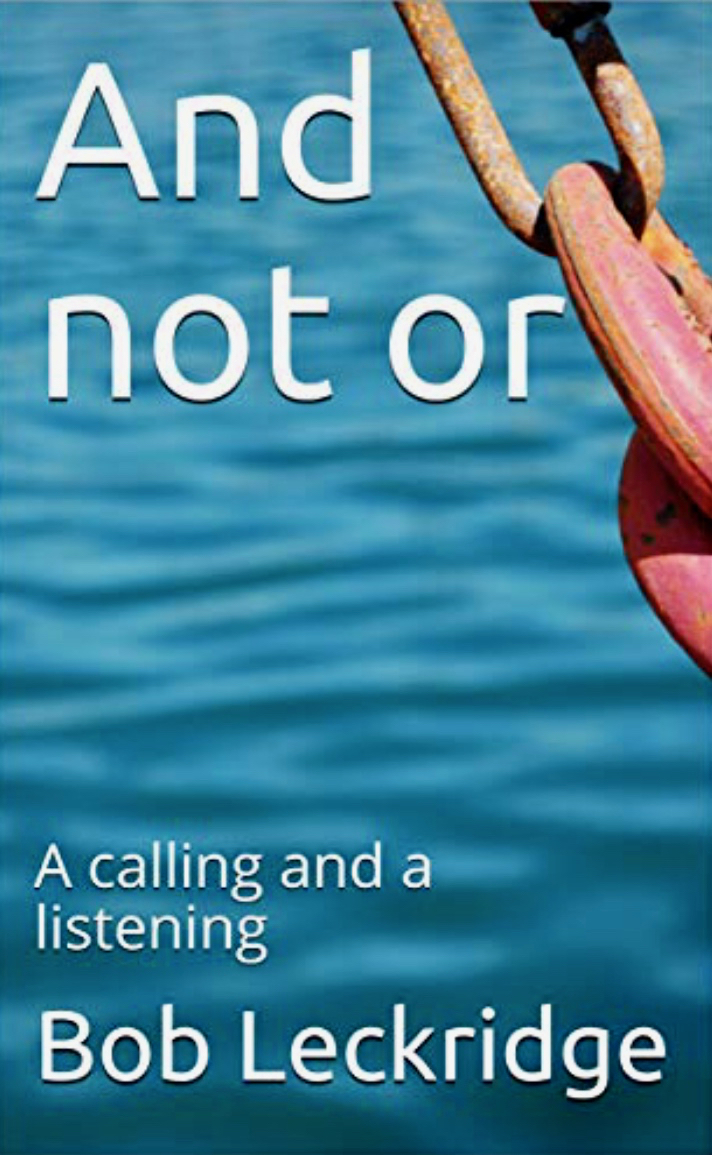
I’ve created a podcast. If you’d like to listen to it come to my Substack page.
Here’s the transcript of the first episode.
“Hello”, that’s what we say when we answer the phone, isn’t it?
Hello.
A simple little word we most likely say automatically. It’s kind of a habit, isn’t it?
But we don’t say it only when answering a phone. We say it to acknowledge other people. To connect, even if only briefly.
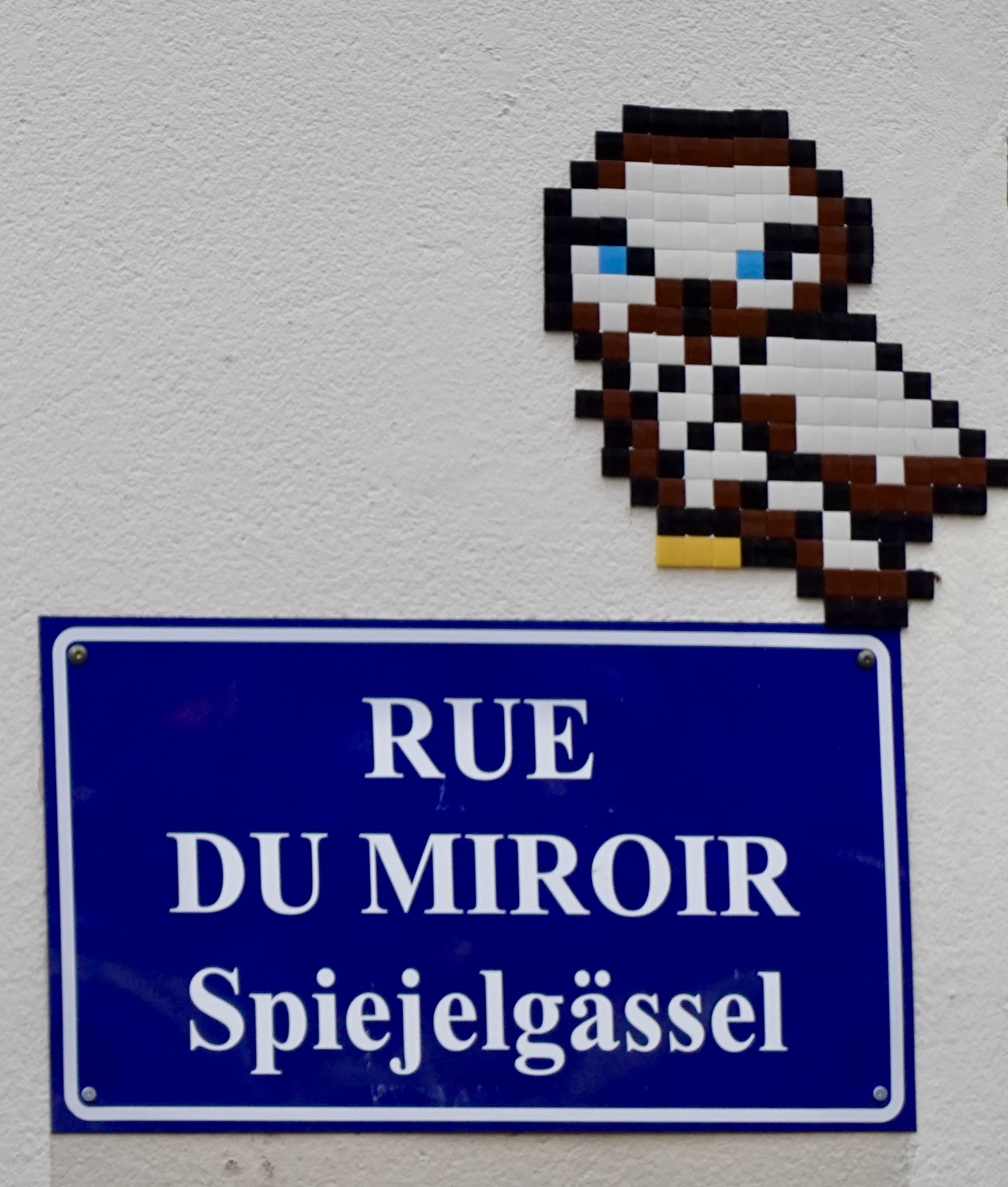
When I moved to France I quickly noticed how often people said “bonjour”. Pretty much everyone who passes when I’m out for a walk says “bonjour”. Even teenagers. That was a shock! In fact, teenagers will often say “bonjour, monsieur” which sounds even more polite than just “bonjour”.
I quickly noticed that every conversation starts with “hello”, or “bonjour”, I mean. So, when it’s your turn at the check-out, the check-out man or woman will always say “bonjour” before starting to process your purchases. And you will say “bonjour” in return. It would be impolite otherwise. In a smaller shop, say, a boulangerie, a cafe, or the local post office, people will say “bonjour” when entering the premises. They might say “bonjour, messieurs, dames”, “hello, ladies and gentlemen”, if there are other customers already in the shop awaiting their turn. But, even if there are no other customers, the first thing to say is always “bonjour”.
I like that. I liked it from the first moment I encountered it. Saying “hello” is an acknowledgement. It’s a way of making a connection. It says, “I’m here and I see, or hear, you”. It establishes a “we”, even if only fleetingly. It makes the world instantly feel a more friendly place.
When I was a teenager I used to listen to the DJ, John Peel, and I’ll always remember one autumn when he talked about all the leaves that fall on the ground. He said he liked to carry a pen with him. I guess, these days, it would be a “sharpie” or “marker pen”. And he’d stop from time to time and pick up a leaf, write the word “hello” on it and place it back on the ground. He liked to think it would brighten the day of some stranger who’d notice the leaf, pick it up, and read “hello”.
It’s a small word, and little habit, but, in my experience, it makes the world a better place.
Hey, that’s a big claim, isn’t it? I mean, it’s just “hello”, for heaven’s sake!
I can only say, check it out for yourself. How often to people say “hello” to you? How often do you say “hello” to others? Does it seem to make a difference?
That’s a general principle I have – noticing. We’ve got a tendency to live a lot of our lives on autopilot. In fact, my blog, which I’ve been publishing for many years now, is entitled “Heroes not zombies” – you can find it easily by typing heroes not zombies into any browser. I called it that because to address exactly that issue – that we have this tendency to slip into autopilot, living an only semiconscious life, driven this way and that by others, pushed and pulled by circumstances, like zombies. That makes us vulnerable and biddable, with corporations, politicians, and others pushing our buttons to make us respond their will, rather than use our own. But if we wake up, become more aware, pay more attention, then we can increase our autonomy. We can make our own choices, create our own narratives, become the heroes of our own stories. I mean hero in this way. I don’t mean like a sort of super hero with special powers. I mean the main character, the hero, of the story….of your story.
Over the years I’ve posted articles and shared photos on my blog, all with the hope that others will be inspired to wake up, pay more attention, and resist slipping into autopilot so much.
So, about this saying “hello”. I’d say try becoming more aware of it. Notice when people say “hello” to you, and grasp the opportunities to say “hello” to others. Then, you decide. Does this help make a better day, a better life, a better world, even?
In more recent years, here in France, I’ve noticed that there’s another word people are using every day. It’s “bonne journee” – ok, it’s two words, a phrase, not just a single word. But it’s everywhere now, it seems. When leaving the check-out, when leaving the cafe, or the shop, almost always now, you’ll hear, not just “au revoir”, which, by the way, is such a nice way of saying goodbye, because, literally, it’s “until seeing you again”, but, in addition now, you’ll hear “bonne journee” – the French equivalent of “have a good day”. Once I noticed it being used so frequently, I started to use it myself, and it’s my routine now. As I leave the check-out, the restaurant, the boulangerie, I say “au revoir, bonne journee”.
Actually the French have rippled out this phrase into a whole range of context-specific forms. So, it’s not unusual now, on leaving a boulangerie on a Friday to hear “Bon weekend”, or if you’re there on a Sunday “Bonne dimanche” – “have a good weekend” or “have a good Sunday”. There are loads of others!.
What I like about this is that it’s an expression of good will. It’s saying to someone else, you wish them to have a good day.
Well, all that focus on good days got me thinking. What is a good day, anyway? What makes a good day, a good one? And that’s what led to this podcast.
My hope is, that together, here, we will share what goes to making a day a good day. Because, as I used to say to my patients, you are only alive today, here and now. If you spend all your time in your head going over the past, regretting it, re-experiencing the pains of it, or if you spend all your time in your head in the future, wondering what if this, and what if that? Then your head is filled with hurts, sorrows, anxieties and fears. But what if you deliberately stop that and turn your attention to the here and now? What if you just slow down for a moment and notice what is around you? Not just notice, but pay some attention. Engage.
Well, then, maybe you’ll start to find some relief.
Maybe you’ll start to have more good days.
I’d like to help you to have a good day, and I think the best way for me to do that is to share with you what I’ve learned from my experience with thousands of patients who told me what makes a good day for them, as well as sharing what makes a day a good day for me.
We are all different. We live according to our own values, tastes, desires, our own relationships and issues, so what goes towards making today a good day for me, may well be different from what makes a good day for you. On the other hand, we are all human, and so we have a lot in common.
I worked as a doctor for four decades, and I’ve often said how I’d look forward to Monday because it was the start of another week. A week where people I’d never met before would come to me and tell me their unique, individual stories.
I never lost that sense of awe which I’d experience when people told me about their lives. In fact, it wasn’t just the “new” patients I looked forward to seeing. I was just as keen to meet again with those who’d come to me before, maybe many times before.
We prioritised continuity of care at my place of work. As a patient you could expect to see the same doctor at every visit. It would be unusual if you didn’t.
This meant we developed long term relationships with our patients, stretching over many months, many years. In some cases, even over different generations. What a delight it was to help a young parent, who’d I’d originally helped when she was just a toddler. Human beings amaze me. Always have done. Still do.
Everyone I met had a unique story to tell. Everyone I met was different. And, yet, everyone I met also had many similar experiences, suffered from the same common symptoms, and manifested very typical patterns of behaviour, and of illness.
I first expressed the desire to be a doctor when I was three years old. I don’t know where that came from. Nobody in my family had ever worked in health care. I had no relatives who were doctors or nurses.
I reckon it’s always been a kind of “calling” for me, even though I know that’s not a common word to use about work these days.
Why did I want to be a doctor? To help people. In fact, I’ve often thought that there’s a purpose to my life….that I’m here to contribute to the creation of a better world. That I’ve a responsibility to try to leave the world a little better place than it was when I entered into it.
I guess the main way I’ve tried to do that has been one person at a time. If I can help reduce this particular patient’s suffering, if I can help them to heal, to cope better….if I can help them to grow even, then I’m making a contribution to making the world a better place.
We all live our lives a day at a time, and the only place we have power to make a change is right here, right now. So, in this podcast I want to share with you the ways I’ve discovered to help make today a better day.
As I started to think about what made a day a good day, it seemed pretty clear to me that if we experience more good days, then we might begin to feel that our lives are more worth living. But I don’t think having good days is just about having more happy days. I think it’s about having more days which feel meaningful, valuable, more days where we enrich our relationships and where we grow.
If more of us have more good days like that, more of us will have the experience of living lives worth living. Then, maybe, we will be able to contribute to making this a better world.
I have this picture in my head of three concentric circles. Each circle representing a zone of time and space. The innermost circle is where we experience and create the present.
It’s where we can have our good days.
The more good days grow in both frequency and intensity, the more they contribute to the creation of the next circle….lives worth living. This is the zone of a lifetime.
Our lives can feel more worth living, the more good days we have, and the more our lives feel worth living, the more good days we are likely to experience, because in a life well lived there are more opportunities for good days to happen.
Good days contribute to lives worth living, lives worth living create more opportunities for good days.
But there is more to a life worth living than is contained within good days, which is partly why this second circle is bigger than the first one.
We need more than good days. We need more than happy times, enjoyable and rewarding moments. We need to grow, to develop, mature. There’s a French word I love – epanouissement – which means to flourish or to blossom. It’s used to describe what flowers and trees do, but it’s also used in psychology to describe what Jung would call “individuation” – a growing, developing psyche.
In future episodes we can explore some of the things which help us to grow, to flourish.
It seems to me that when more of us experience lives worth living, then we will be on track to make the world a better place. That’s the third, outer circle. The zone of the world.
Nothing exists in isolation. Our lives and our days all occur within particular contexts, specific environments. If we improve these environments, we’re making a better world, and, in turn, we are creating the conditions for more of to live lives worth living. We live in the shared physical, social, and cultural environments, we find in this third, outer circle. We influence these environments through our choices and our behaviours, and these environments, in turn, profoundly influence us.
A better world will, I believe, be one where we take care to improve these environments. That’s how we will increase the chances of more and more of us experiencing better lives and having more good days.
One more thing before I begin. I don’t see the world through a binary lens. What do I mean by that? Well there aren’t two kinds of days. Good days and bad ones. It’s not so “black and white”. In every day there will be experiences we appreciate and others we’d rather have avoided. Life is nuanced, and its mixed.
What we pay attention to gets magnified, so let’s start by paying attention to what makes for a good day. And see where that leads us.
Here’s to more good days.
Whatever we pay attention to gets magnified. The more attention we pay to something, the larger it will feature in our minds. Any gardener will tell you the less attention you pay to your plants, the less likely they are to survive, and, in fact, we can say the same about our children. The attention we pay to babies isn’t only crucial for their survival. It literally shapes their brains, influencing both the number of connections created between brain cells, and also the strength of those connections.
There’s a whole field of developmental psychology devoted to attachment styles….how the kinds of attention paid by main carers shape a child’s personality and behaviour. Patterns which persist right through adult life.
Paying attention, especially a loving, and caring attention, profoundly affects both survival and thriving. It shapes how we see the world. It lays the foundations for both how we experience and how we interact with the world.
Philosopher and psychologist, William James, described the natural behaviour of attention as “wandering”. That’s what attention does. It keeps wandering. We all have that experience, don’t we?
It’s pretty difficult to keep our attention focused on anything specific. We have to work at it, because attention doesn’t only keep wandering, it’s always on the lookout for whatever is new – a movement, a sound, a characteristic.
Have you ever noticed how quickly you can spot the movement of an animal, a bird, or a person, when gazing out over even vast landscapes? When something changes in our field of vision, we notice it straight away and turn our attention to it. The same thing happens with sound. It’s not just that we jump, or get startled by sudden loud noises. If we are in an environment where there is a constant background, perhaps machine noise, the moment it stops, we notice it has stopped. We are wired to detect change. To pay attention to what’s new.
The social media giants, mainstream media, and especially the advertising industry all work hard to try to grab and keep our attention.
One way they do that is by continuously feeding us new things – images, sounds, or information. The invention of “infinite scrolling” where you can never reach the end of a “feed” is one of the most effective, addictive tools they use to keep our attention – to keep our attention on their website, their platform. I read an interview with a software engineer who invented this “infinite scrolling” and he said it was one of his biggest regrets because it has such enormous addictive power.
Apart from noticing what’s new, there’s another way to grab our attention. Stir up strong emotions.
Just as attention magnifies whatever it is focused on, so can attention change our world by making us angry or fearful. The more we fill our inner experience with anger and fear, the more we pay attention to whatever that anger or fear is attached to. In fact, not only what they are attached to, but the anger and fear themselves, which become all-consuming, setting up our whole being into “fight or flight” mode, with surges of adrenaline, and cortisone, which creates a state of chronic inflammation in the body. What does on in our minds doesn’t stay in our minds. It cascades throughout our entire body, changing it as goes.
Sensationalist headlines do exactly the same. They aim to catch our attention and keep a hold of it, turning us into anger and fear zombies in the process.
But we don’t need to live our lives on autopilot. We can make some conscious choices about what we want to pay attention to. We can choose to notice, and to focus in on, beauty, for example. Or we can look out for whatever inspires wonder and awe.
We can deliberately pay attention to positive emotions, to whatever stirs our souls and makes us feel gratitude for being alive. We can choose to use what the poet, Mary Oliver, called “loving attention”, the kind of attention which generates care, compassion and gratitude.
Because if we choose to use attention consciously, to choose, in particular, to use loving attention consciously, then our lives and our minds become ever more full of love, wonder, delight, care, compassion and gratitude.
We just have to practice it, and to practice it every single day.
In my medical career, I frequently met patients whose suffering was magnified by their attention being trapped in the past, going over and over old wounds and hurts, or by their attention being trapped in the future, imagining all the worst possible outcomes and fearing them. Part of the work of releasing them from their suffering involved helping them to turn their attention to the here and now, where, around us, every day, there are phenomena which can delight and engage us.
I think we all can begin to experience better lives by, first, becoming aware of where our attention wanders to, and where it gets caught. Only then are we able to make more conscious, personal choices about where to direct it.
Remember, attention is a great magnifier. It grows whatever it is focused on. So, let’s choose what we want to focus it on.
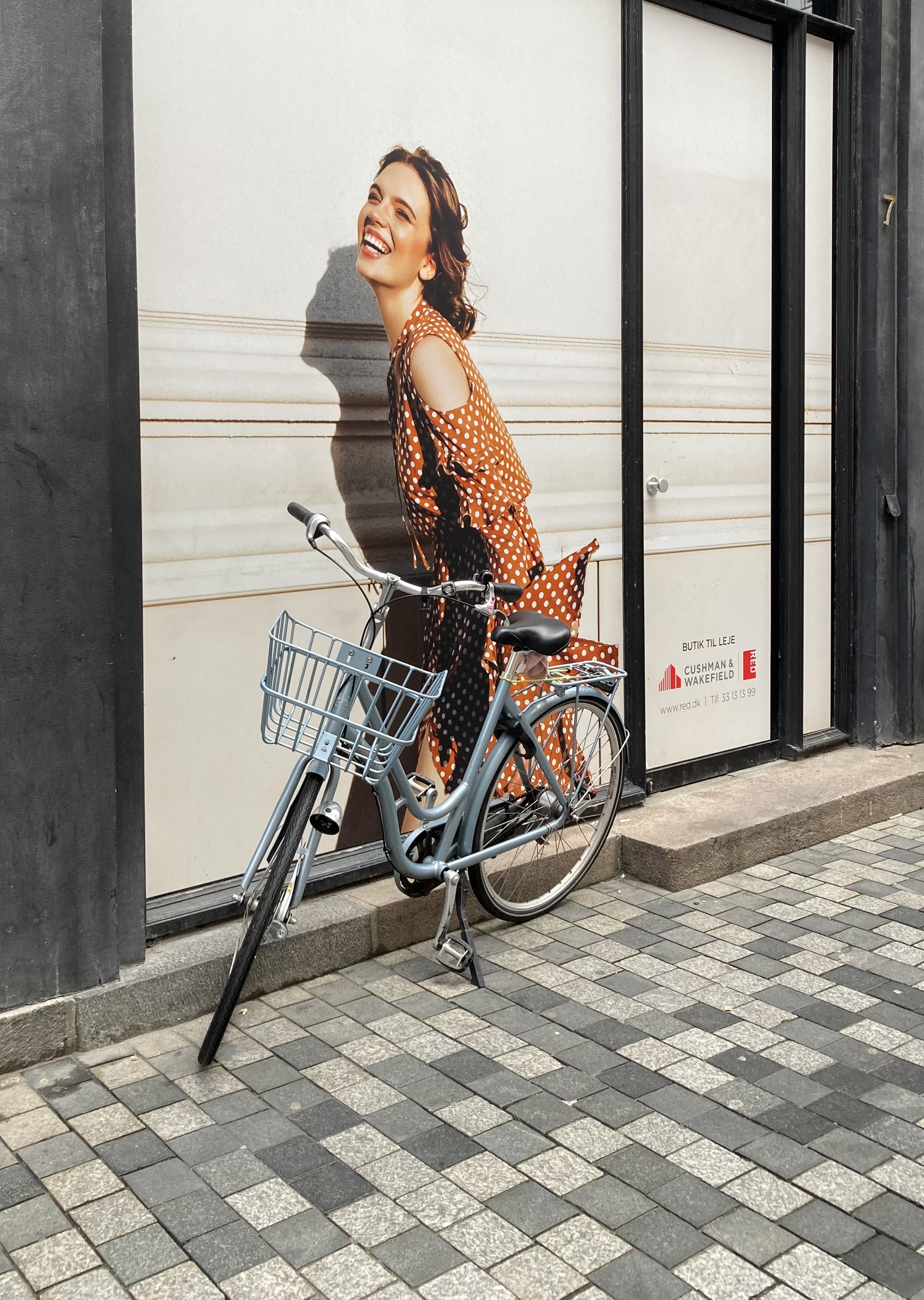
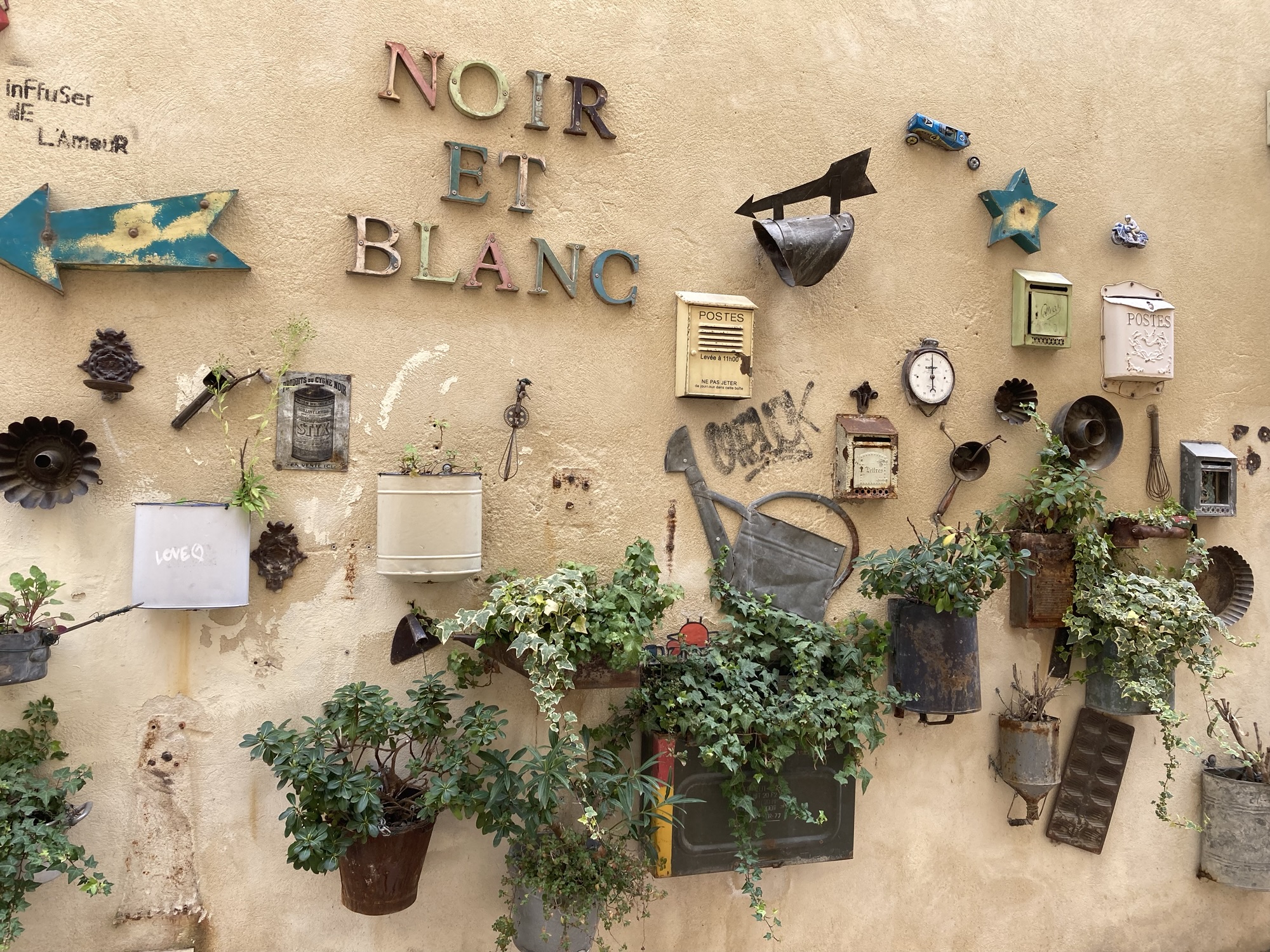
How about we focus it on awe, on wonder. My favourite French phrase “L’émerveillement du quotidien” captures exactly that – the wonder, or amazement, of the every day”. What have you noticed today that caught your attention? Did anything stop you in your tracks, or slow you down, to focus on it? Maybe you paused to get your phone out and took a photo. I do that a lot. It’s a great way to slow yourself down, to pay better attention to the here and now, and to give you more chances later to re-visit that moment, to see it again, but with fresh eyes in a different context. And it gives us a chance to share with others what has amazed us.
Do you use any social media? Maybe you’d like to share some of your photos on Instagram, Facebook, or, in my case, on Bluesky. If you’d like to see my every day photos come and follow me on Bluesky. You’ll find me at this address – @bobleckridge.bsky.social If you do come to Bluesky, send me a message and say hello, so we can connect there. I’d love to see what amazes you every day.
But my good days aren’t just about what generates awe and wonder. I find that if I decide to focus on whatever delights me, what touches and moves me, then that too helps to create more good days. For me, that includes poetry. I have a little notebook where I copy out by hand my favourite poems, the ones which I come across and which draw me in, move me, inspire me.
And it includes music, too. I’ll tell you more about that in another episode, and I’d love to hear from you what songs, what compositions, really delight or touch you. Come and find me, either on Bluesky, at @bobleckridge.bsky.social or at heroesnotzombies.com where I’ll post the transcripts of each of these podcast episodes.
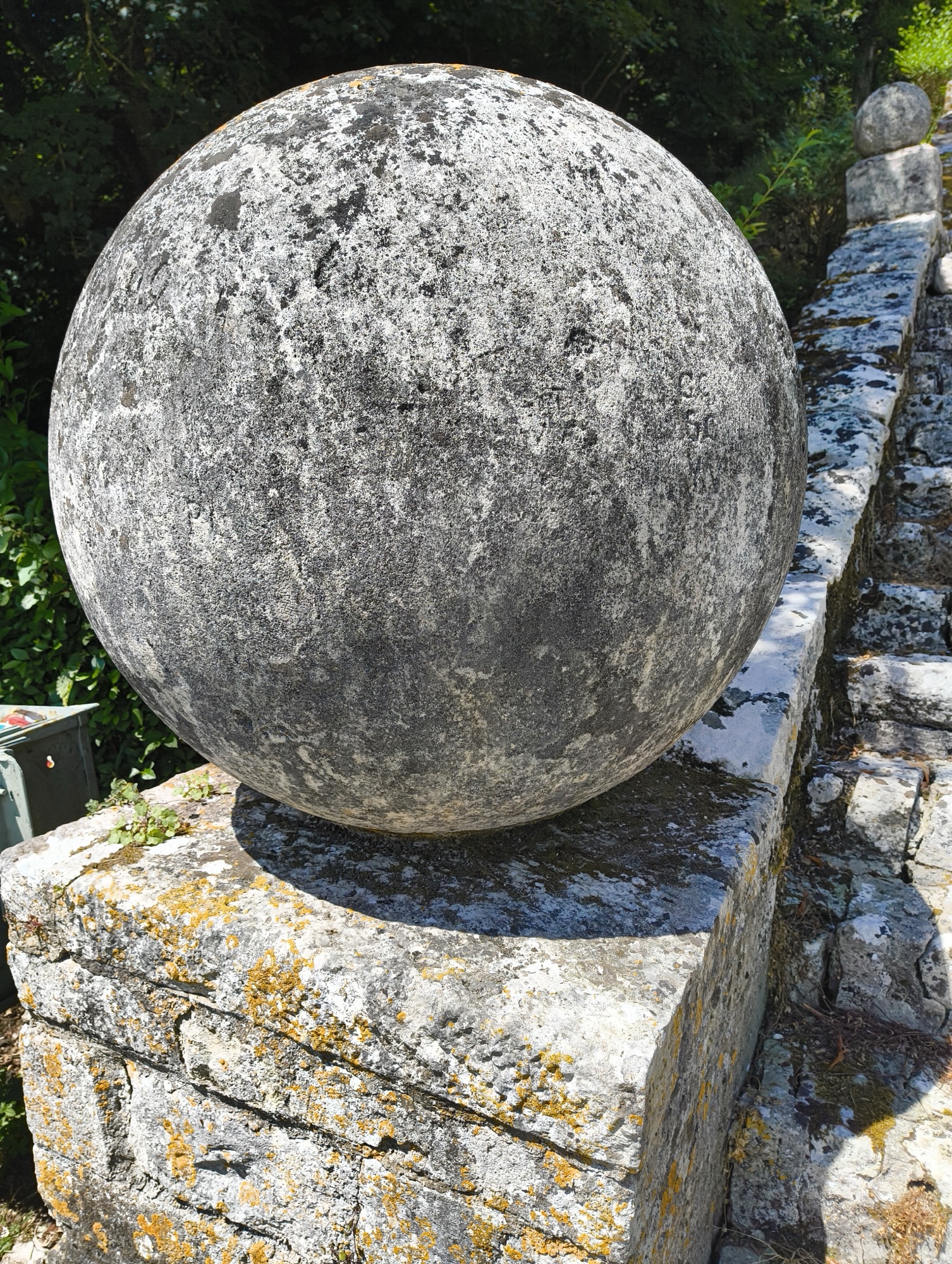
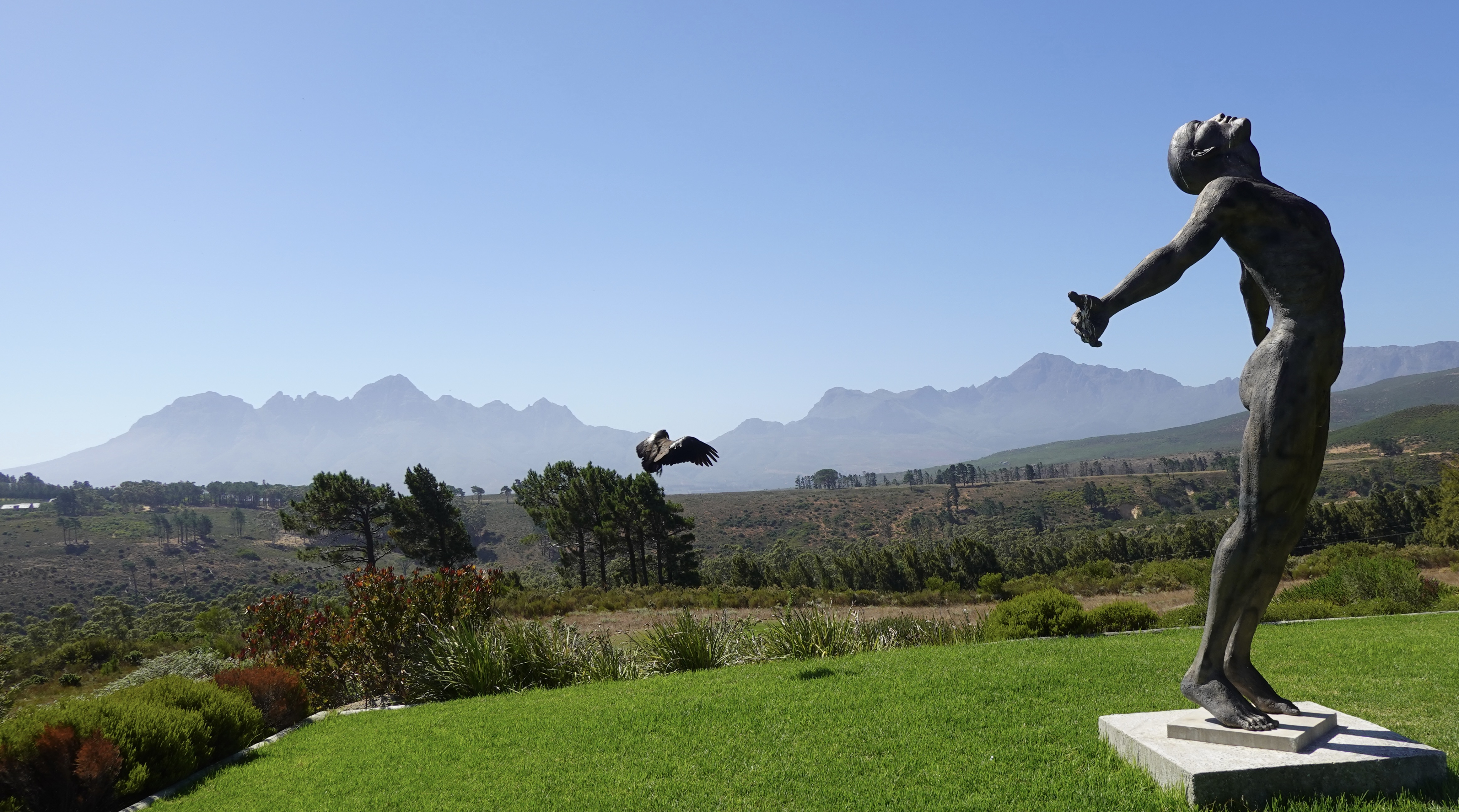
Another of my great passions, which is a huge source of joy, delight, wonder and awe for me, is art. I enjoy seeing what others have created. I love sculpture, especially sculpture outside, in natural environments. But I love a wide range of visual art and always seek out a good gallery or museum if I’m on a city break, or staying somewhere on a trip. Art has incredible power to communicate what we find difficult to put into words.
I do love words, too, however, and most good days involve some kind of encounter with stories….either the stories of patients, family or friends, of the stories I find in books. I’m an avid reader.
I don’t know how many of these activities you identify with, but I’d love to hear about your own examples. In the podcast episodes to come, I’ll share with you examples of all of these, and more.
When it comes right down to it, I recommend we focus on whatever it is that stirs our souls, whatever it is that generates feelings of gratitude and love. That way, I’m pretty sure, we’ll have more good days, more of us will experience our lives as worth living, and together we can create a better world.
Let me finish today with a Mary Oliver poem, “The Summer Day”.
The music I play as an intro and an outro is “What a Wonderful Day” by Shane Ivers. Here’s the credit – Music: What A Wonderful Day by Shane Ivers – https://www.silvermansound.com




 Heroes Not Zombies