Feeds:
Posts
Comments

Posts Tagged ‘travel’

“The reciprocal truth of the observer changing what is observed is that what is observed changes the observer” Iain McGilchrist

Yesterday afternoon I was sitting in my garden with my wife and we were chatting about how much we enjoy living where we are now. Our garden is surrounded on all sides by tall trees, but it’s a big garden so there’s a sense of space along with this sense of being enclosed. It provides privacy and protection and it also means we are surrounded by birdsong. One thing we don’t have, however, is a long view. In our previous house, for several years, we looked out onto vineyards and my recollection is that there were frequent incredibly impressive sunsets. We still get to see some lovely sunsets here, but I no longer see a sunset where the whole sky turns red, something I saw pretty frequently before.

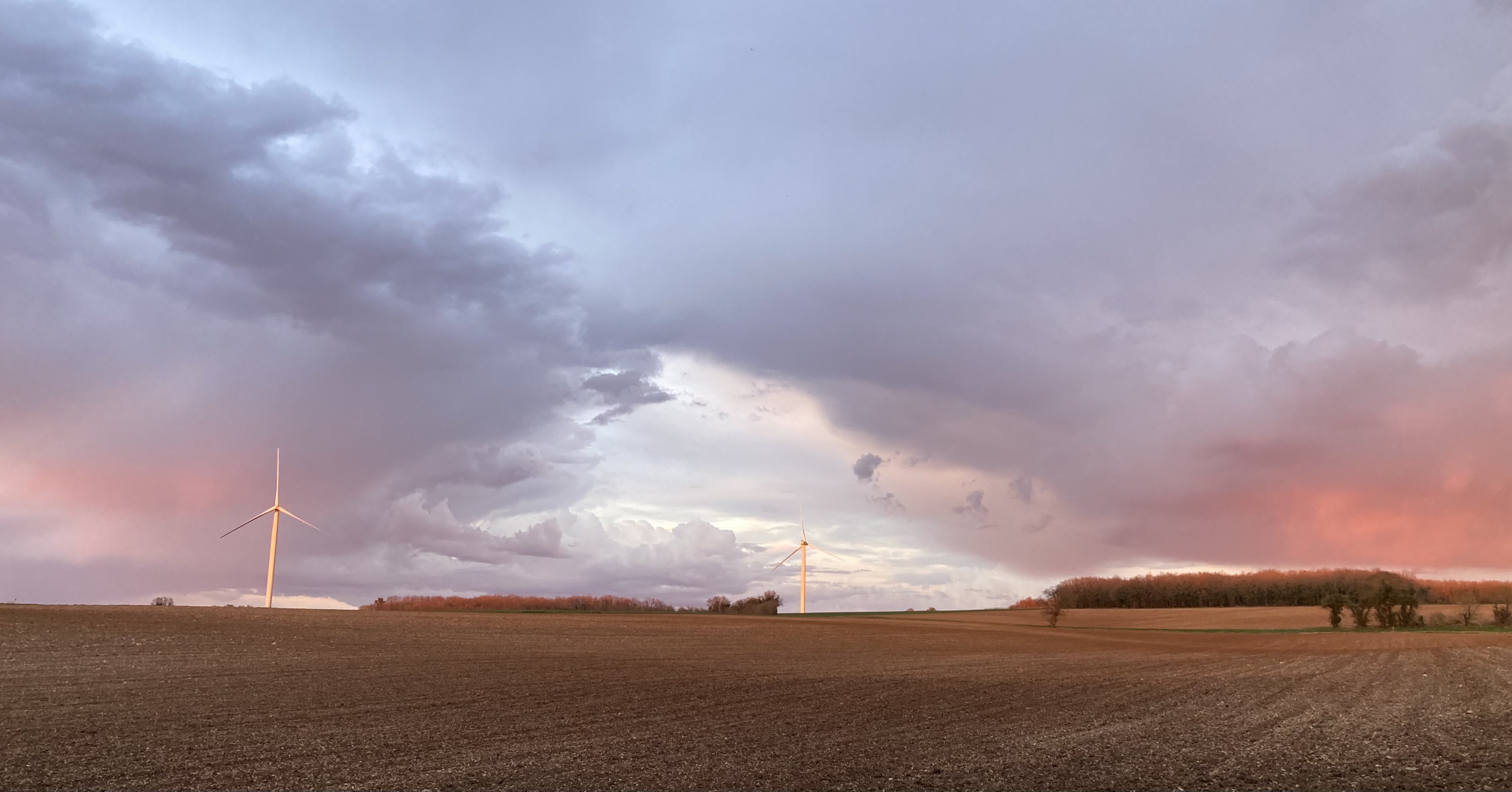
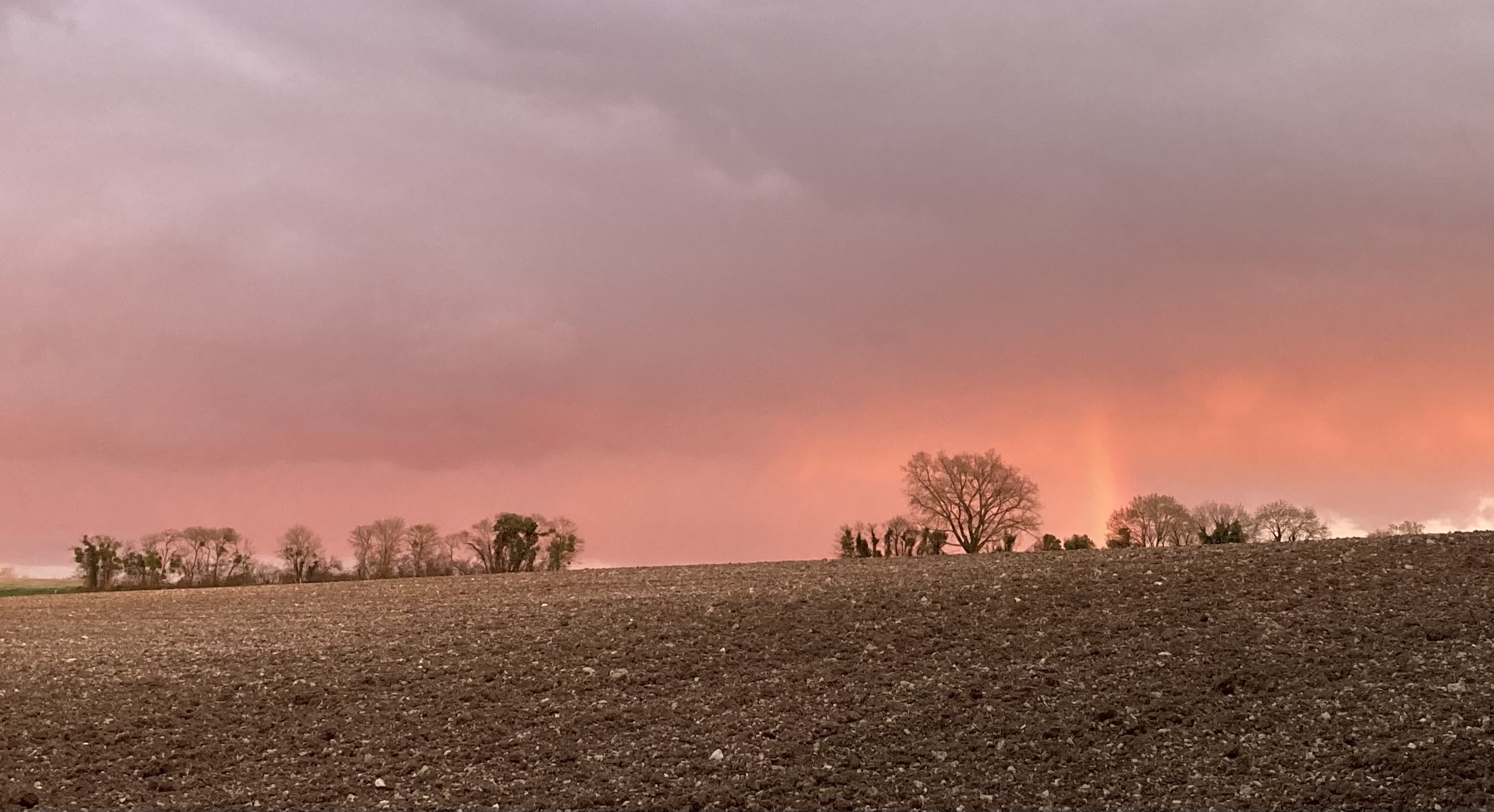
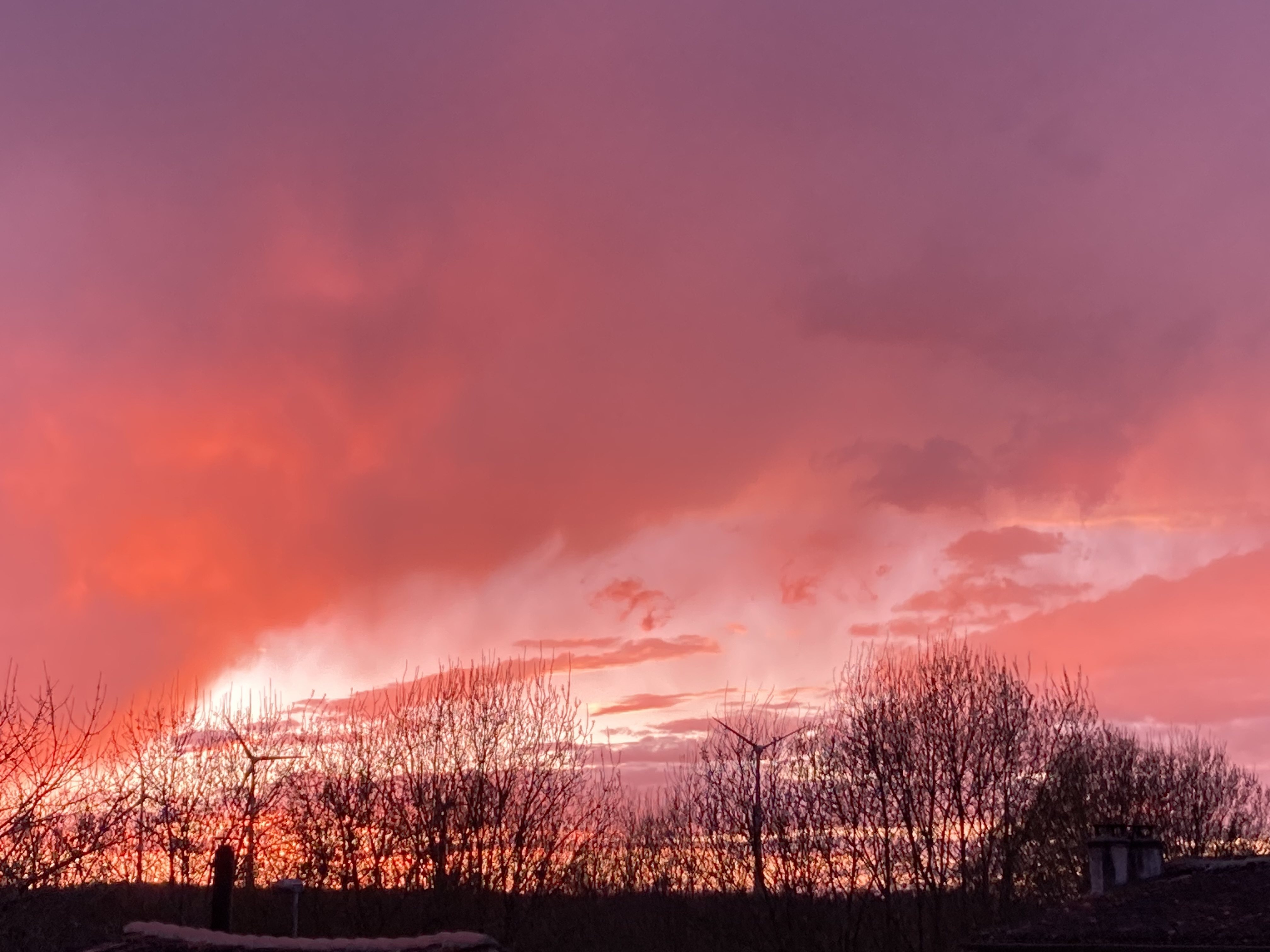
Well, some storm clouds suddenly emerged and we had to go indoors. There were a couple of rumbles of thunder, a single flash of lightning and then a short downpour. It was all over in minutes. By then it was almost time for the sun to set and we noticed that the light in the sky was unusual. So, off out into the garden again, and up to the back fence which borders a field to the east of us. I took the first two of these three photos. Then I turned and looked west and took the third photo.

Aren’t these beautiful?

Sometimes synchronicity surprises me in ways which makes me think my phone is listening to me (it probably is, and, it’s certainly tracking what I do with it!), but, this was one of those occasions where I felt that the universe was listening……listening and delivering.

What we observe changes us, and we change what we observe. We are the co-creators of our reality.

Read Full Post »

“I would love to live like a river flows,
carried by the surprise of its own unfolding.” – John O’Donohue

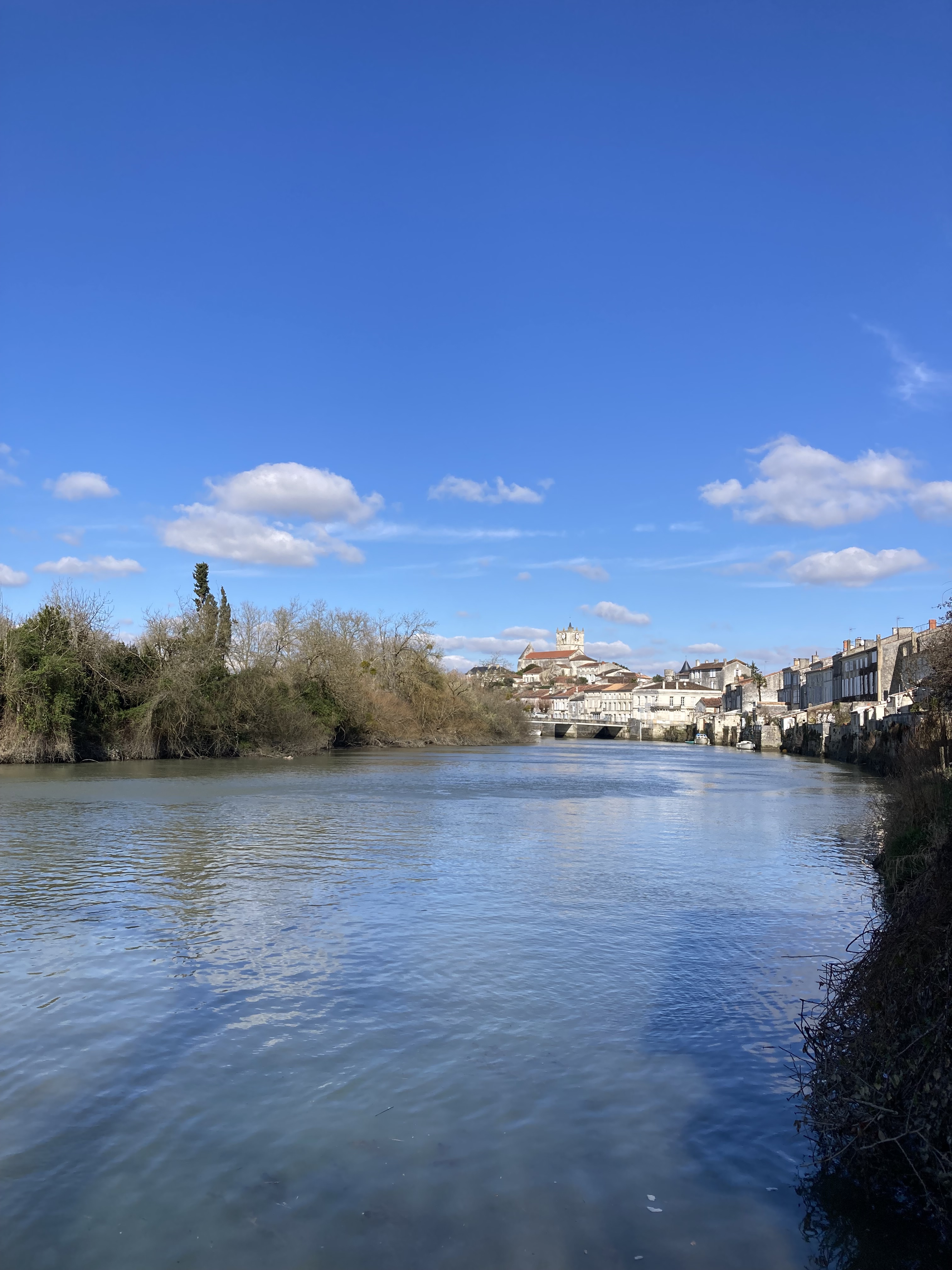
I live in the Charente Maritime, in South West France. I took this photo in Saint Savinien which is a small town just a few kilometres from where I live. The River Charente runs through the town, as it also runs through Cognac, near where I lived when I first moved to France a decade ago. It winds and twists its way through both the Charente and Charente Maritime departments and as you travel around you come across it again and again.

The primary characteristic of the River Charente is that it pretty much always looks the way it does in this photo. It flows incredibly smoothly. Maybe there is somewhere along its way where it breaks into white river rapids, but I’ve never seen that. It just never seems choppy, no matter whether it is flowing fast or slow. In fact, the impression you get is that it is at ease. It’s a river which flows calmly and almost effortlessly. So much so that people around here will tell you it is responsible for the rather laid back, “zen”, “take it easy” attitude so typical of this area.

Flow is a fundamental characteristic of all life. You could argue that it is the key characteristic, distinguishing the animate from the inanimate…..except that even the inanimate also flows, just over a much longer duration than the animate. You have to take a longer view to be able to see the flows of glaciers, continents and mountains.

I think flow is a marker of a good day. I feel I’ve had a good day when my activities, my thoughts, and my feelings have all been flowing like the Charente…..strongly, smoothly and incessantly…..with an ease, a freedom and purpose.

Read Full Post »

I know the old saying is “Red sky in the morning, shepherd’s warning”, but when I look out my window when I get up and see a sky like this I am delighted. I’m delighted because it’s beautiful. Don’t you agree?

And every encounter we have with beauty contributes to making today a good day. I notice beauty everywhere in nature. It’s easy to experience just by walking round the garden and noticing. There is so much beauty in the plant world. But while I’m in the garden I notice something else beautiful….birdsong. I’ve never lived anywhere else where I hear so much birdsong every day. I’m surrounded by it. Probably because my garden is surrounded by trees on every side. Looking up to the sky is another way to encounter beauty, whether it’s in the gorgeous reds of a sunrise, or sunset, or the amazing blues of a clear day, or the astonishing shapes of clouds as they drift by, or the sparkling night sky with the parade of planets.

A lot of the beauty I encounter is visual. You’ll know from browsing this blog that I’m a keen photographer. I photograph whatever catches my attention. I photograph what I find beautiful and what stirs my sense of wonder. But a lot of the beauty I encounter is also auditory. I love music and listen to music for a good part of every day. And a lot of the beauty I encounter is in other human beings. I am repeatedly struck by the kindness of others, by the shining delight in a happy face, by the strength and resilience of those coping with adversity, with the radiance of those who love.

Where will you encounter beauty today? Take a moment to notice, and a moment to reflect at the end of the day. It’ll make your day a better day.

Read Full Post »

Silver linings

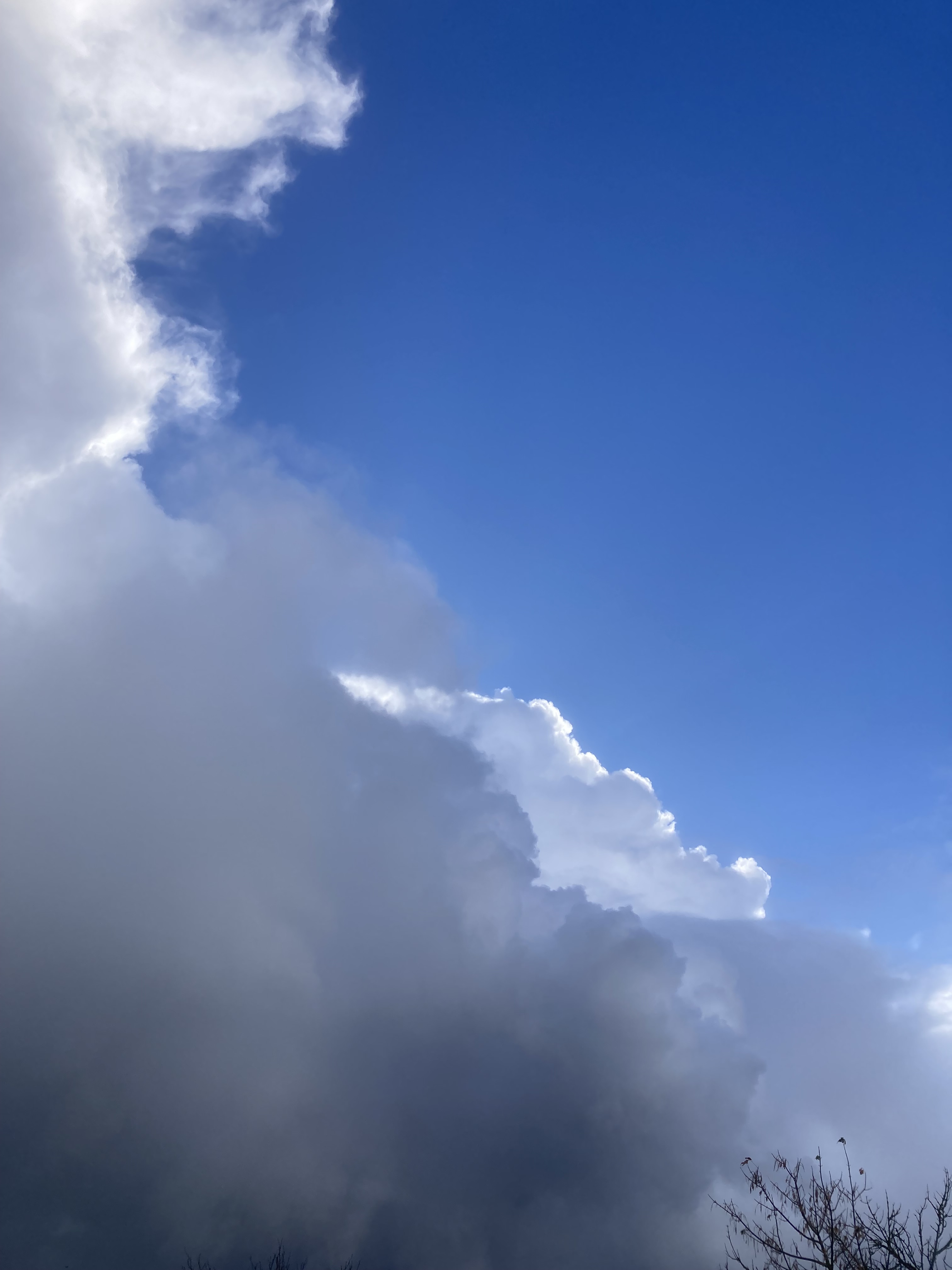
Silver linings – even behind the darkest storm clouds we can see sunlit fluffy white ones ready to emerge. When I look at this image I realise you can approach it two ways, partly because it’s a snapshot. You can see a white cloud in the process of being obscured by a black stormy one, or you can see a black stormy cloud moving away to reveal a white one. But it’s not just the lack of time context which allows us to approach this image in two ways. We can apply the same old glass half full, half empty adage. If you are of an optimistic disposition you’ll probably be tempted to see this as an image of the end of a storm. On the other hand, if you’re rather more pessimistic, or fearful, then you’ll see this as a storm approaching.

Pretty much the same thing happens all the way through the average day, doesn’t it? Don’t you know some people whose stories are full of mishaps and “bad luck”? And others who seem to land on their feet in every circumstance. Why is that?

Well, again, you can’t really know without context. When someone has suffered a lot of trauma in the past, it’s easy to understand why they might be fearful, and wary. And when someone is currently in difficult circumstances…..poverty, poor housing, surrounded by violence, even war, it’s not difficult to understand they will have trouble seeing the positive potentials in each day.

However, as ever, it’s not black and white. Psychologists who study happiness can find high levels of positive thought and happiness amongst very poor populations, although they also find that being extremely rich and famous is no guarantee of happiness either.

It’s not fixed either. If circumstances are changed that can help a lot….one of the best arguments for “Universal Basic Income”. We can choose, as a society, to create healthy, affirming and supportive environments for children to grow up in. We can, and should, expect politicians to look after the Commons, to tend to the water, the air, the soil, to the food supply and so on. That would be a good start, don’t you think?

Read Full Post »

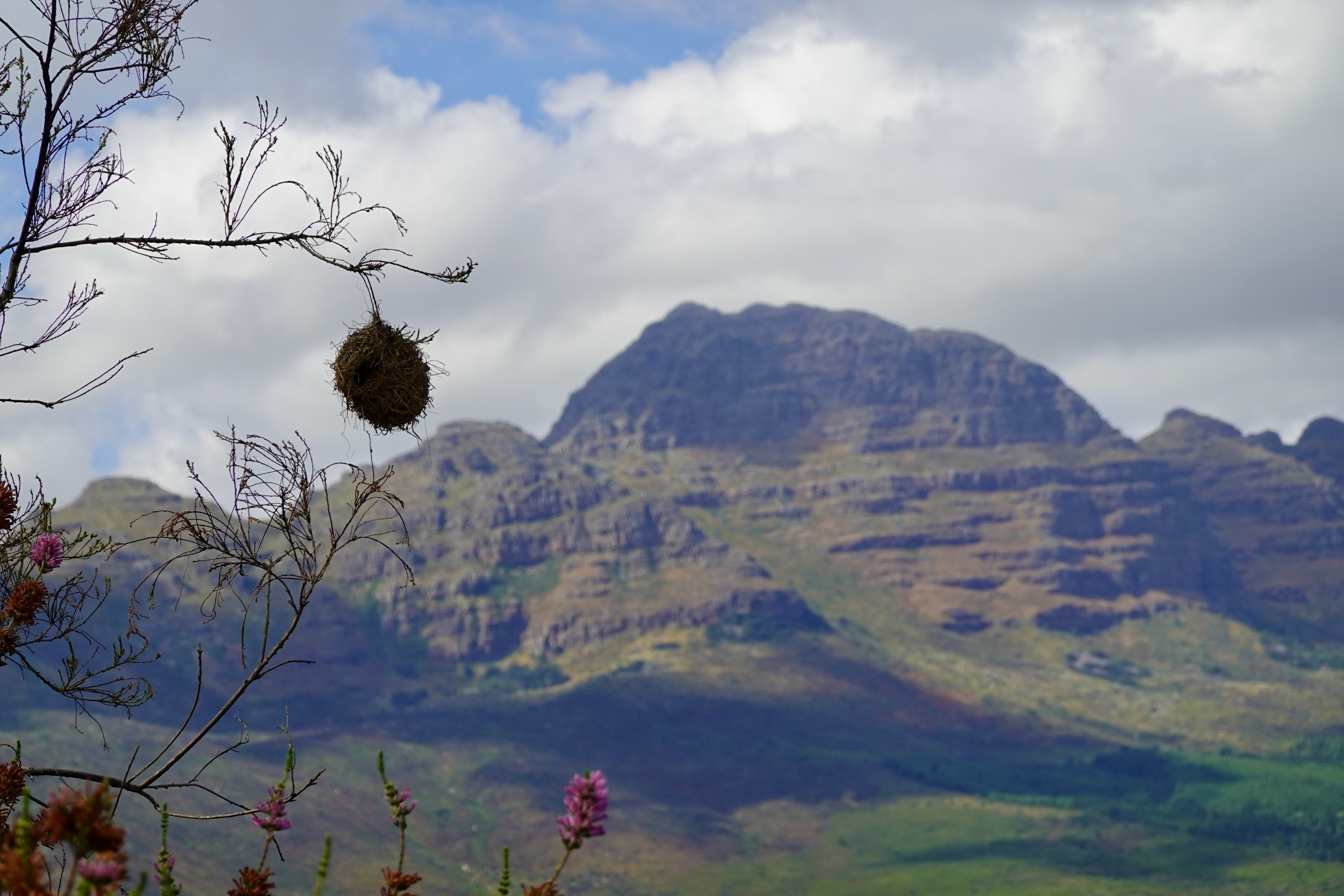
Look at this nest hanging from a tree in a garden at the foot of the mountain. Some nests are pretty amazing. This one is a sphere with a small entrance on one side. Why has the bird has chosen this exact spot to create it? We don’t know, but I’d imagine it’s got something to do with safety. After all, isn’t that one of the most basic needs of all forms of life? Shelter. But why hang it way out on the branch like this, where, surely, it’ll be buffeted by wind and rain more than it would be if it were closer to the tree trunk, or in a more dense area of branches and twigs. Again, I expect it’s about security. I expect it’s harder for predators of all kinds to reach it way out there.

But the other thing I thought about when looking at this photo, is the location of the nest in the surrounding landscape. A phrase from one of TS Eliot’s plays came to mind, where a character asks if people huddle together in cities in such large numbers because they like to be close to each other. I saw a graphic the other day showing the growth of cities over the last fifty years. Tokyo is the most densely populated city in the world by far, with something like a quarter of the whole population of Japan living there. I live in a hamlet of about 20 houses, just at the edge of a small village, surrounded by fields and trees. There are so many little villages and towns in rural France where you can pass through without seeing a single soul. All you see is shops and businesses which have long gone, and many abandoned old houses in various stages of disrepair. There’s a common issue in small to medium towns in France where they have developed shopping malls and zones around the edges of the town, and now, the middle of the town is almost dead. When we used to live near Cognac, we could walk down the main streets hardly seeing another soul, but as we passed the shopping outlets on the edge of the town we could see the parking lots were full to overflowing.

Why do we choose to live where we live? Of course, that’s a very complex question, related to where you were born, where your relatives live, where you can find gainful employment, where there are the necessary services providing education, health and social care. And a host of other factors too. But there’s also the issue of personal preference between city dwelling and country dwelling. There’s no doubt some people really prefer city life to that of a small town, or a village, and there are others who have the exact opposite preferences.

What would be your ideal place to live? If you could choose freely, what size and type of community and environment would you like to live in? And, do you know why?

Read Full Post »

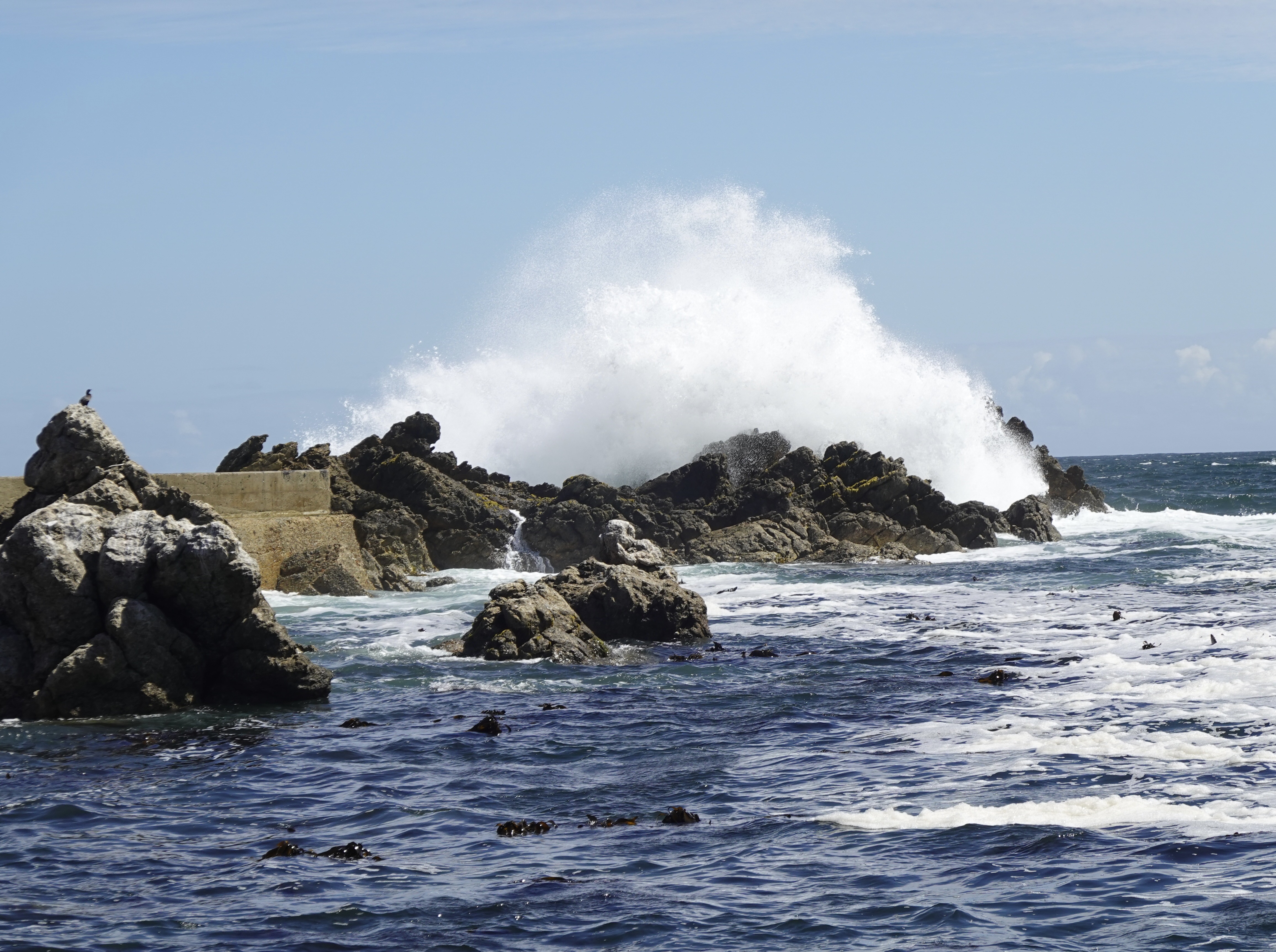
I don’t know if it’s universal, but, a lot of us are enthralled by breaking waves. I know I love to see them, and can stand, or sit, mesmerised for ages watching waves crash onto a rocky shore. I love the colour of them, the size of them, the sound of them, the shapes of them.

These are moments of power and transition. You can tell how much power is in them from the noise they make when they crash against the rocks. I know that it’s the steady, constant, repetition of fairly small, less dramatic waves, which do most of the work shaping the rocks and the land, but these big ones must push things on a bit, don’t you think? The power of the sea is more obvious when it breaks through the surface like this, and smashes onto the rocky outcrops. And it’s a moment of transition. How long do any of these waves last? Seconds, at most. If you’ve ever tried to photograph them, you’ll know you have to take several photos to capture a single moment like this. As the liquid sea bursts into spray and foam, billions of water molecules are released into the air, some to return quickly back into the sea, but many others to dissipate, invisibly into the air….on their way to form clouds and mists, and to dampen the soil and the sand.

I’m also struck by how wave watching like this gives you a vivid experience of the fundamental unpredictability of reality. It’s really hard to predict which wave will hit the rocks the hardest, which will soar highest into the sky.

So, this is what strikes me, as the waves strike the rocks…….power of nature, the beauty of transience, and the fundamental unpredictability of reality.

Three life lessons in a moment, huh? How about you? Do you love watching waves crashing into rocks too?

Read Full Post »

Living on the edge

I imagine that the first thing you notice when you look at this image is the sea. In fact, it was the sea which caught my attention, and triggered my camera release. But when I review it now, my eye is drawn from the water, to the rocks, and then to the houses perched on the top of the cliff. Strangely, I didn’t notice them when I was taking the photo.

How would you like to live there? Right on the edge?

You’d certainly have a fabulous view of the sea every day, for as long as you wanted to. As best I know house prices on the coast, with a sea view, are pretty much higher than house prices inland, so, perhaps most people are keen to live on the edge.

Others find it a bit scary. They’re not so secure perched on the top of a cliff, and open to the winds and storms which sweep in from the sea from time to time.

We’re all different.

The philosopher, Gilles Deleuze, writes about the “far from equilibrium” zone. It’s where change occurs. It’s the closest area to chaos, to phase changes, to producing emergent phenomena which we couldn’t predict. He says that when we follow a “line of flight” towards the edge, things can become clearer. In the middle, in a balanced, and relatively static place, the mix of streams of information and energies can make it hard to distinguish characteristics and themes, but as you stretch out towards the edge, it’s a bit like unravelling a ball of threads, each colour becomes easier to see.

But there’s something else about living on the edge which occurs to me. I’ve noticed the word “extreme” is used a lot these days, especially in politics, and always with an intention of shutting people down. Some views are described as “extreme right”, others “extreme left” (sometimes the word “extreme” is replaced with the word “hard”) but what does it tell us about the person to whom we are attaching this label? It’s a judgement, not an observation. The label is applied differently in different contexts of course. As I understand it, something like “universal health care” is described as an “extreme” view by some (much more so in the USA than in Europe). Here in France, that’s definitely not labelled “extreme”.

I’m wary of labels at all times, but I’m especially wary of this “extreme” label. It doesn’t tell me anything. I want to hear what the person has to say. I want to understand their world view and their beliefs. I want to explore their values. Labelling them doesn’t let me do that.

By the way, understanding a point a view, doesn’t mean you have to adopt it. It can, however, open up some points of common ground, and shift the discourse away from the harmful polarised quality which seems dominant at this time.

Read Full Post »

When I look at a mountain, my first thought, my first impression, is how unchanging it is. You can’t imagine a mountain changing. Can you? I used to look out across to Ben Ledi in Central Scotland, and what I saw every day was different. It was different because the light and the weather were different. So sometimes it would glow red with a setting sun, sometimes seem painted white with snow, other times hidden by low clouds and mists, but the mountain, itself, looked the same size and the same shape every single day. I couldn’t imagine a time when it wasn’t there, or when it was just created.

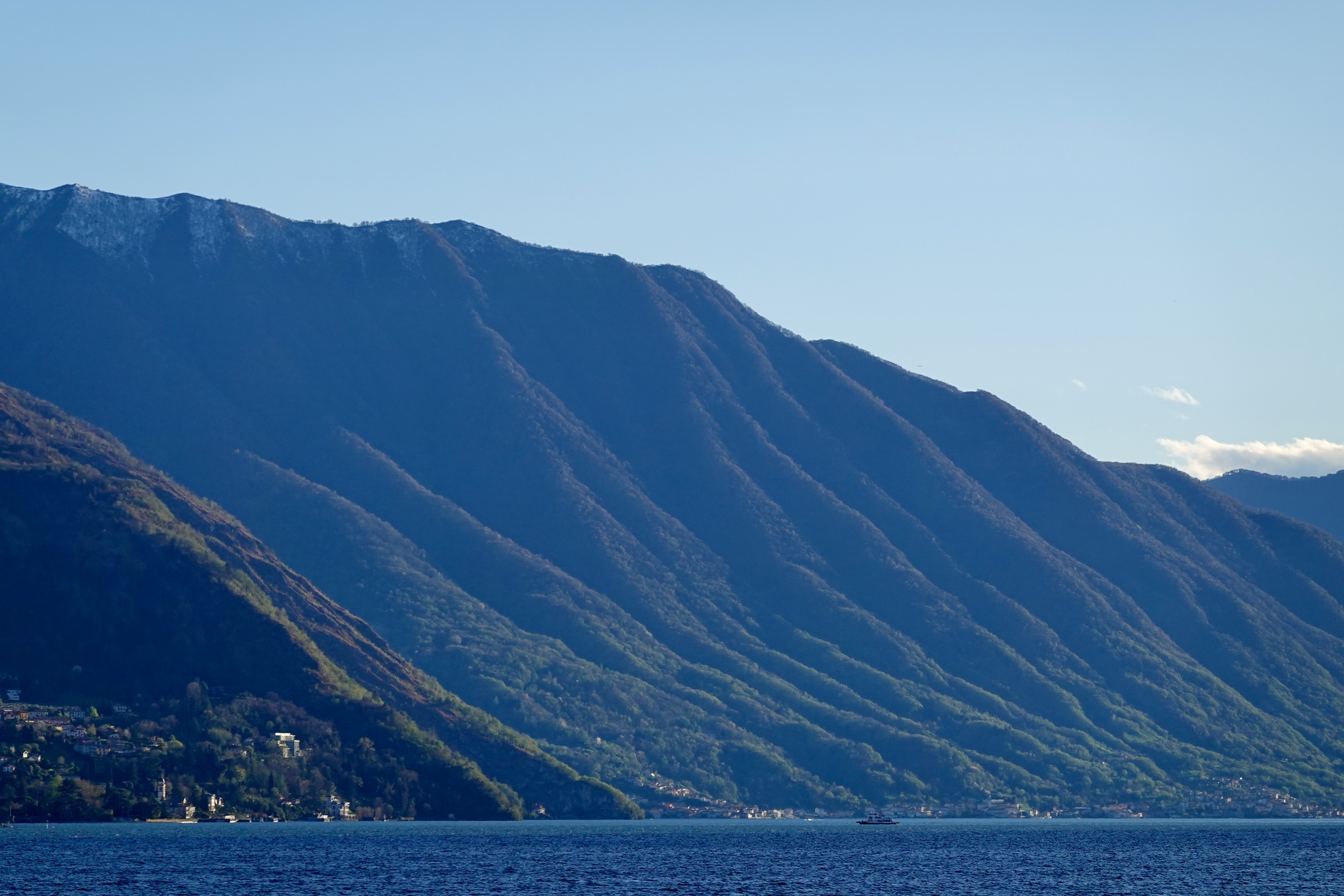
But look at this mountain beside Lake Annecy. It looks pleated. It has so many folds that it looks as if it is draped in a giant cloth. And when I look at that I can easily imagine that this mountain emerged…that it was created by massive forces, stronger than I’ve ever seen.

I can imagine a time when this mountain didn’t exist, and so I can imagine a time when it might disappear.

And I know, that if I was a scientist studying mountains, I’d be aware of just how the mountain changes, little by little, every single day.

Nothing is fixed in this universe. There are no fundamental, unchanging particles, the “building blocks” of all that exists.

The Universe is flow. Reality is always in the process of creation. Every changing.

Read Full Post »

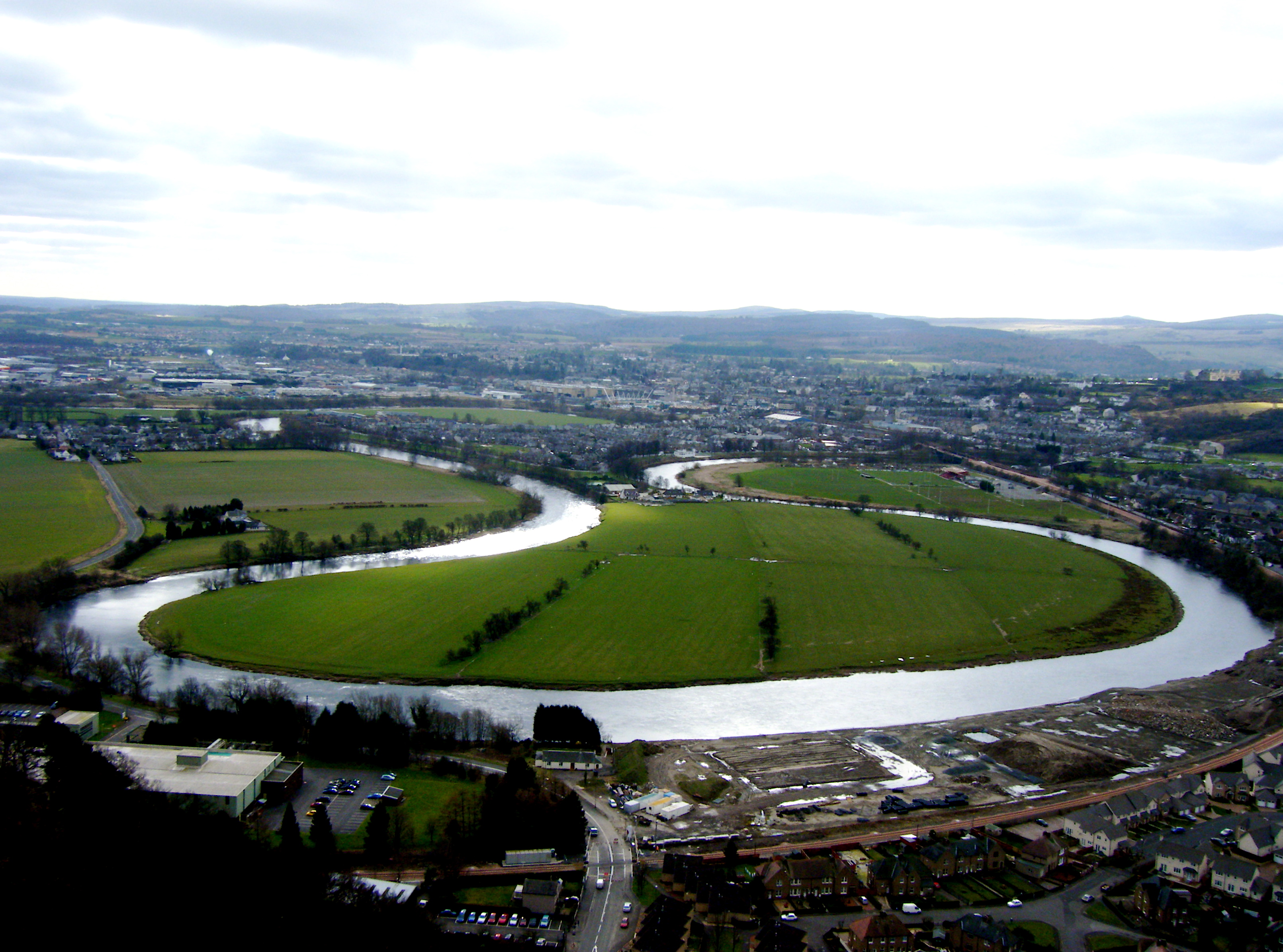
I was looking for exactly this photo the other day, and was delighted when I found it in my library – but I didn’t take it. My daughter, Amy, did. I’m pretty sure I’ve taken photos exactly like this in the past but it must be back to the days of 35mm film because I can’t find any in my digital library. This is a view of part of the River Forth, at Stirling, and it shows beautifully how the river twists, turns and curves around so much at this point in its journey.

I picked up a couple of little books by a French author, Olivier Clerc, when I was in Biarritz fairly recently. One is called “La Grenouille qui ne savait pas qu’elle etait cuite….” (which is about the frog who didn’t know she was being boiled) and the other is “Rien ne peut empecher la riviere de couler…..” (nothing can prevent the river from flowing. In both books, this Swiss author, writes about life lessons he’s learned by taking an analogical perspective on natural phenomena. He argues that as well as thinking analytically, which we are encouraged to do all the time, we should also develop the skills of thinking analogically. That in doing so we will find life itself becomes richer, deeper and more meaningful. I think he’s absolutely right.

The first essay in the second of those books is about how a river can be viewed two ways – first of all, you can see that it twists this way and that (just like the River Forth in this photo), and that if you trace the course of a river from where it starts in the mountains, you find that there seems no logic to its path – it heads west, perhaps, then south, then east perhaps and so on. It disappears at times, flowing into a lake, only to reappear out the opposite side, or into a marsh, or even below ground, before re-emerging perhaps many miles further on. And yet, we call the river by the same name along this twisting, turning, ever changing path. But there’s a second way to look at the river, and that’s to take a lateral slice through the landscape and see that, at every single point, the water is flowing downhill. At no point does it ever, ever turn around and start to flow uphill. It just doesn’t. It continues from Spring to Ocean, in a constantly downhill direction. He points out that these two views of the river show both continuity (as it flows through the landscape) and coherence, as it heads constantly downhill to achieve its goal of reaching the ocean).

He draws several lessons from this, not least being that behaviour is often hard to understand because we see it superficially, and that, we need to look beneath to see the underlying motivations, values and goals, in order to understand why someone is acting the way they do. He says this teaches us to be humble, to accept uncertainty, and to inspire us to look below the surface, to better understand others. What are the coherent threads that run through an individual story, be that of a person, a group within society, a culture, or even a nation? What lies beneath the apparent randomness, the veering this way and that, over years, and decades, that actually reveals the core beliefs, values and purposes?

I like anything which inspires me to pause and reflect. And I think learning to look at the natural world analogically can really deepen the joy of everyday life.

Oh, and just before I leave……I’m suddenly remembering a line from John O’Donohue –

“I would love to live like a river flows,
carried by the surprise of its own unfolding.”

Read Full Post »

Welcoming strangers

This morning, close to Kyoto station, an elderly Japanese man approached us, held out his hand to shake mine, and said “Thank you for coming to Japan”.

He asked us where we came from and when we said “Scotland” told us about the times he’d had in Edinburgh, Glasgow, Aberdeen and Inverness. He then asked if we’d mind helping him with his English a little and produced a crumpled set of notes with Japanese and English sentences written in his own handwriting (at least I think it was his own). He wanted to check his translations and understand the nuances of meaning. One of the phrases which provoked a fair exchange was “I was born in the year of the tiger”. Would an English speaking person say that, he wanted to know. We explained that in the UK at least there was no general tradition of allocating an animal to a year in the way it is done in other countries.

Ah, he said, you don’t have the same twelve animals? Which animals do you have?

We pointed out we didn’t have any. He thought that was very strange, how we would just say we were born in the year “xxxx” and quote a four figure number. Suddenly, I felt we’d missed out on something!

We discussed maybe half a dozen other phrases with him, and then he thanked us profusely and zipped away. Goodness, he could move fast!

This isn’t the first time something like this has happened to me in Japan. It’s never happened in any other country, and, sadly, in many countries, when someone approaches in such a fashion, you can’t help but be suspicious, and suspect they’re going to get round to asking for money. That’s never, ever happened to me in Japan.

On the train from Kyoto to Tokyo I reflected on the exchange and thought lots of things. How do we treat visitors to Scotland? Are we as welcoming? How wonderful that elderly people continue to have such enthusiasm to learn. How awful that my meagre attempts to learn Japanese have stalled so badly! Time to get that learn Japanese book out again! And how wonderful when learning a language, to have the courage to approach strangers and politely request conversation to improve your understanding and your skills.

This little exchange made me feel it’s a privilege and an honour to be visiting this country.

Read Full Post »

Older Posts »