Feeds:
Posts
Comments

Posts Tagged ‘wellness’

Rebecca Solnit, in her “No straight road takes you there”, quotes the environmental writer, Chip Ward, as referring to “the tyranny of the quantifiable”.

There’s an obsession with numbers in our world. From measurements to statistics, there is a determination to quantify every aspect of life. Yet, Life, itself, is not quantifiable. Neither is Love, Beauty, Goodness, Happiness, Self esteem or self worth, despite the attempts by psychologists to attribute numbers and scales to any invisible phenomena.

This is an issue I had to deal with every day of my working life, because neither “health”, nor the most troublesome of symptoms such as pain, nausea, dizziness, fatigue, itch or breathlessness, can be observed objectively and be measured. Many people used proxies to measure the invisible – scales, such as “from 0 to 10, where 0 is the least troublesome and 10 the most, what number would apply to your “X” today”?

I remember the story of a dentist who ran a facial pain clinic. He insisted that every patient begin the consultation by telling him a figure from 0 to 10 related to how much pain they were experiencing. If they started to describe their symptoms, he’d interrupt, and insist “The next thing to come out of your mouth should be a number”. His successor in the clinic was baffled when the first patients would sit down and rather than say “hello” or start to describe their symptoms, they would say “7”, or “5”, or whatever. The old chief had trained them so well! “The tyranny of the quantifiable” indeed!

But let me return to health, because we all seek that, and doctors, surely, would hope to improve the health of their patients. But health, as Gadamer describes so vividly, in his “Enigma of Health” essays, is not visible, and not quantifiable. Rather, it’s pathology which makes an appearance….in the form of a rash, a swelling, an irregular heart beat, or a restriction of function. When the pathology recedes, health reappears….the painful hand becomes unnoticeable again.

The experiences which make every day seem worthwhile are equally, not quantifiable. Wonder, awe, joy, love, happiness, a sense of connection, of being understood, a feeling of belonging. We can’t measure those with a smart watch, a smart phone, or a fancy scanner.

That’s why our individual stories are so important. Only you can describe what you are experiencing, and only your story helps you make sense of your life. The counter-balance to the tyranny of the quantifiable is appreciation of, and the telling of, our encounters with wonder, joy, love and connection with others.

Your story is unique, and, together, we create a world worth living in by sharing our stories and co-creating the ones which we value the most.

Read Full Post »

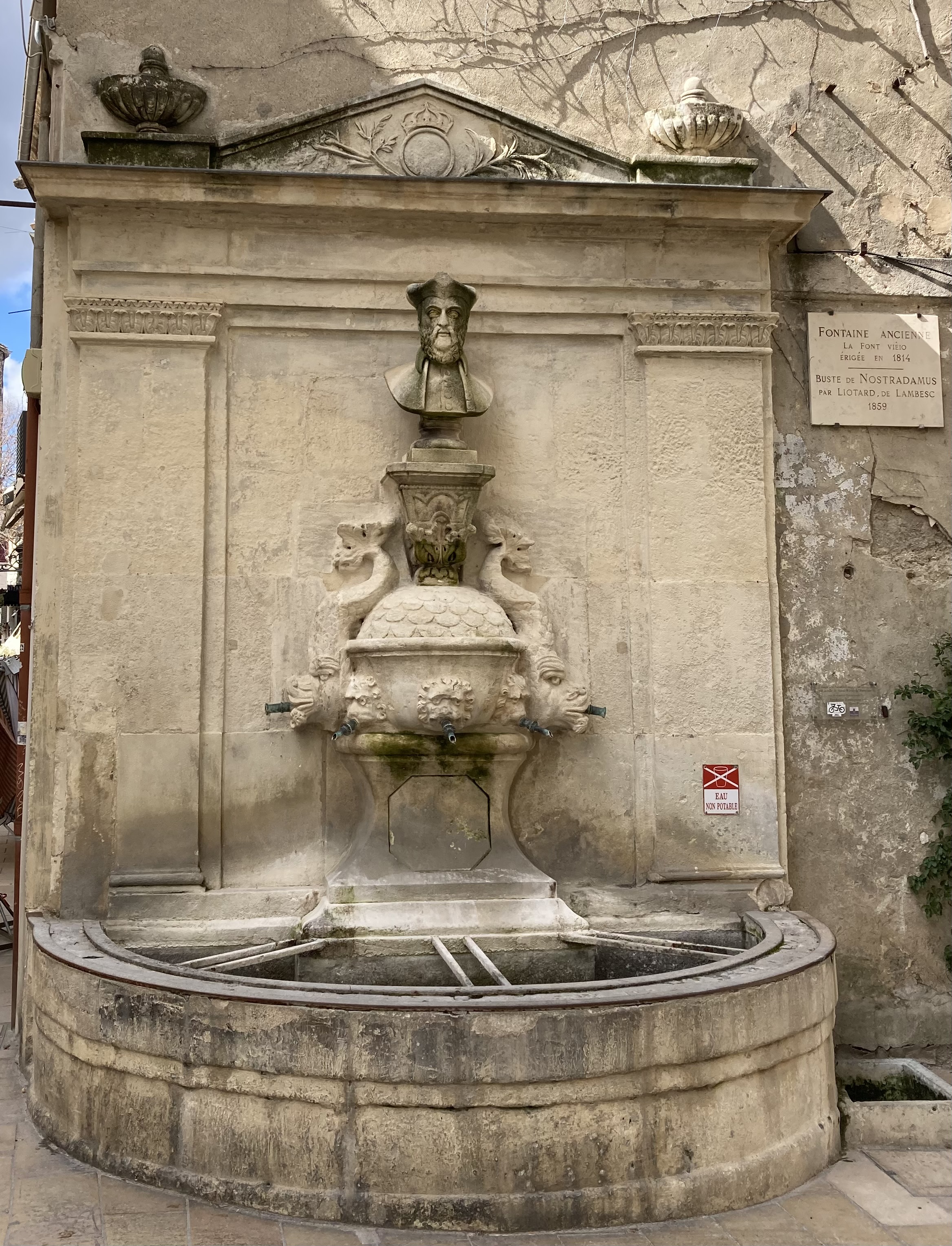
Before he became famous for his predictions, Nostradamus was an acclaimed doctor, who during a plague treated patients successfully. What kinds of treatments did he use which were successful back in the early 16th century?

Well, primarily, he gave good advice about how to live healthily….recommending that people went outdoors to get fresh air as much as possible, teaching them about hygiene in the home, getting them to rid themselves of rats and excreta in the house, changing and washing the bedsheets, and eating a healthier diet (low fat, I read, but I’m not sure of the details).

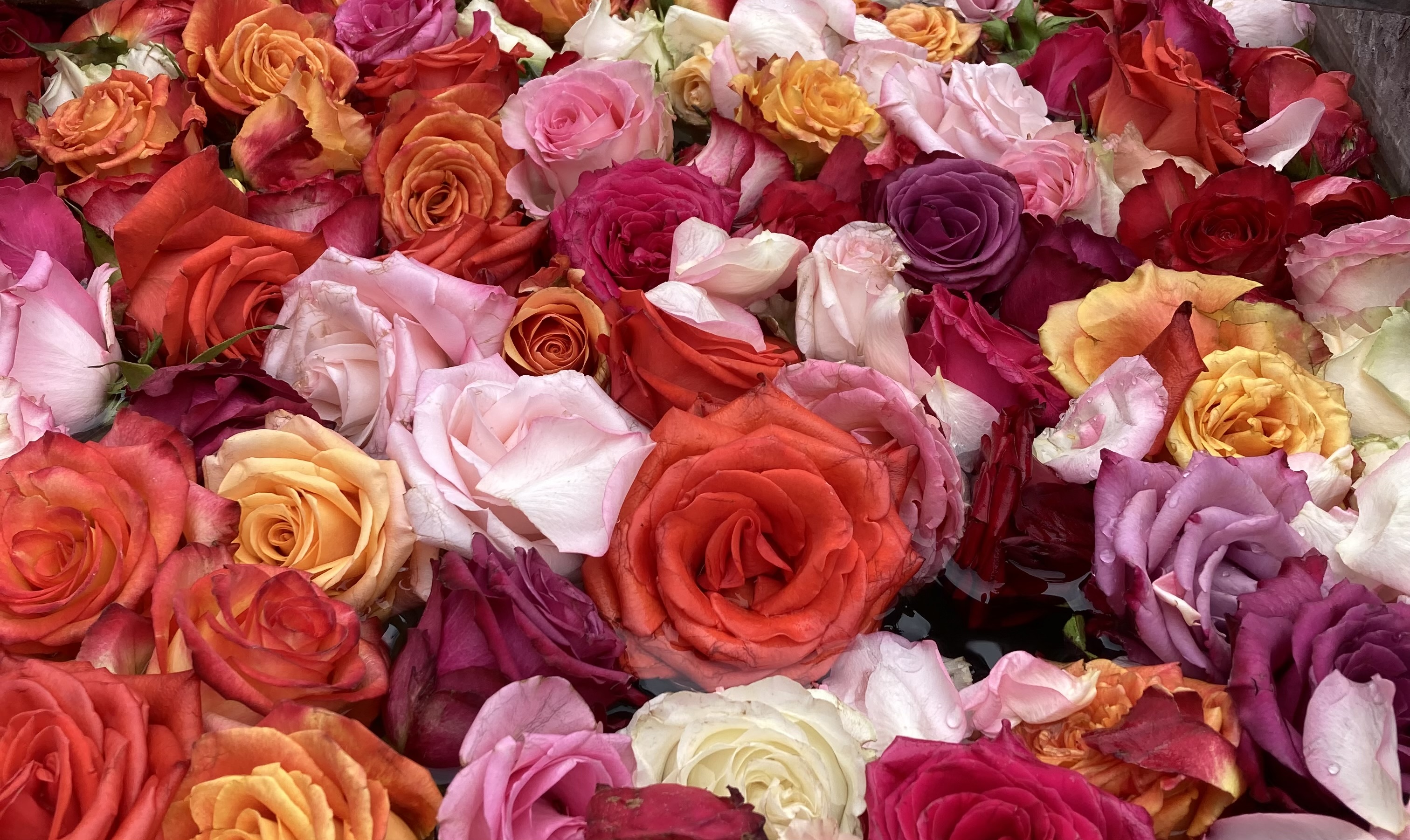
On top of that he prescribed a herbal remedy based on rose hips which contained high levels of vitamin C.

So about 500 years ago the most successful ways of dealing with infections and epidemics was already known – it came down to good hygiene and healthy living conditions, combined with a decent diet rich in vitamins. When it came to our most recent pandemic, Covid, the same proved to be the case. The highest rates of infection, serious illness and death were in those who were already suffering from chronic diseases and/or who were living in poverty, in overcrowded housing, and with inadequate diets. Great claims have been made for vaccines, but, at the end of the day, the best way to maintain the health of populations is the same as it’s always been – a good healthy living environment.

That’s why I think we should take good care of our commons – the air, the water, the soil – reducing pollution, and investing in healthy environments. It’s also why I think we should radically change our industrialised farming and food production to produce healthy, vitamin rich food, which should be the basis of everybody’s good diet. It’s also why I think we should invest in good housing, well insulated, easily maintained, and accessible to everyone.

In addition, I think Universal Basic Income and taxing the rich to reduce inequality and poverty are worthwhile policies to pursue (even if our current governments don’t seem to be doing that)

Finally, comes better health care. We do need to improve our health services, and our health care methodologies, but the way to healthy, resilient populations, has a lot less to do with health care than it has to the provision of healthy living conditions.

Read Full Post »

The nature of any system cannot be discovered by dividing it into its component parts and studying each part by itself, since such a method often implies the loss of important properties of the system. We must keep our attention fixed on the whole and on the interconnection between the parts

Planck 1936

The Physicist Max Planck wrote this almost a hundred years ago, and he wasn’t the first to make such an observation. Despite that breaking things down into parts and studying them separately is still the predominant approach in the world.

When I studied Medicine at the University of Edinburgh in the 1970s we were taught “Medical Sciences” for the first three years of the six year course. We dissected bodies in the Anatomy class, studied pathological change in tissues and organs in Pathology, learned chemical pathways in Biochemistry and so on. In fact, the first time I saw “cirrhosis” was a diseased liver stored in formalin in a plastic box marked “cirrhosis”. It wasn’t until year 4 that I met an actual patient who had “cirrhosis of the liver”. Maybe all that has changed. But we still practice Medicine by focusing on parts. I often hear from relatives that on a visit to their GP, they are told they can only discuss one problem per visit….so, their asthma today, but come back to talk about their joint pain.

It seems the modern management techniques applied to health care chop the system and the patient’s experience into pieces, sending them to one person for a diagnosis, another for a blood test, another for a prescription, another for advice…..it’s horrendously disjointed. When my dad was in his last month of life in hospital, every single doctor I asked about his progress started their reply with “I’m not your father’s doctor, but I’ll look up his records….” I never found the person who seemed to actually know him.

Yet, we know from research that continuity of care increases both outcomes and satisfaction ratings of patients and practitioners.

In this age where so many people experience multiple “co-morbidities” we need to keep our focus on the whole even more than ever. If we only focus on the parts we begin to believe we know exactly what each drug will do when we prescribe it, yet, not only are the effects different for different people, but in reality, many people are taking multiple medications at the same time (for a multiplicity of disorders)

We need to focus on the whole, and that means giving priority to human beings, their uniqueness and their relationships. It involves trusting doctors and nurses to practice professionally focused on their patients, not on their protocols and clinical guidelines. And we need a lot more whole of life research, which will help us to understand the complexity of the effects of any drug, and the course of any disease in a real person over their lifetime.

It was never a good idea to ignore, or to relegate holistic knowledge. Learning about the parts should include learning about the limitations of learning about the parts.

Read Full Post »

How do we improve the quality of our everyday lives?

One way is to do whatever brings us joy, and makes us wonder. And we can do that, either by pursuing an activity which we know brings us joy, for example, listening to our favourite music. Or, and this adds in the element of wonder and discovery, pay attention to the hear and now.

As I wandered through my garden one day, just looking to see what I might notice, I spotted this tiny plant. First of all, I’d never seen a plant like this before, so I didn’t know what it was called. Secondly, I kneeled down, got up close, and just looked. Isn’t it beautiful? Isn’t it amazing? What an incredible structure, and what beautiful colours. I love those tips of purple emerging from the green. Then I got my phone out and took a close up photo….this photo.

I like to take a photo for two reasons. First of all, I can then go back and look more closely over and over again. I can enrich an already rich experience. Second, because my curiosity has been stimulated, I can touch the little “(i)” button on the phone screen when I’m looking at the photo, and it magically tells me the name of the plant.

Apparently, it’s a “self-heal”. Oh, like all plants, it has many other names too, but the name “self-heal” immediately appeals to me. After all, in all my years working as a doctor, that’s exactly what I was trying to do – to stimulate and support a patient’s self healing. I know we live with a kind of medical myth that doctors heal us with their operations and their drugs. But they don’t. Nobody repairs a single wound without the body’s capacity to self heal. Nobody recovers from a virus without the body’s defence and repair system doing its job. Nobody heals without the body’s complex system of self healing doing what it is designed to do. Doctors should remember that. They don’t heal patients. Patients heal patients and the doctor, when working at their best, support, stimulate and work with, the capacity if the patient to self heal.

Once I had spotted this plant, identified it, explored more about it online later, then I suddenly saw it appearing everywhere in the garden. Well, not everywhere, but over a very wide area. Now there’s something else amazing about gardens. I didn’t plant this beautiful plant. I didn’t “propagate” it. But there it is, and it’s thriving. I find that wonder-full!

Read Full Post »

I read an article in the Guardian today entitled “Consuming arts and culture is good for health and wellbeing, research finds” It caught my eye – first because I thought consuming arts and culture ??!! I hate that. I don’t consume arts, I experience/enjoy/participate in…..not consume…. and what is culture anyway? Well, let’s leave that issue for another day. The next thought I had was “I don’t enjoy arts in order to improve my health or wellbeing, and this headline leads me to think these folk are about to try and justify arts on the basis of their utility. But, in fact, the article is even worse than the headline suggests. Here’s how it begins –

Most people are familiar with the buzz that attending a memorable play, film, concert or art exhibition can trigger. But now it is official: consuming culture is good for your health and wellbeing – and generates £8bn a year worth of improvements in people’s quality of life and higher productivity.

Seriously? I might have felt a “buzz” but, “now it is official” – “it generates £8bn a year of improvements in people’s quality of life and higher productivity”. Oh, thank goodness they’ve quantified that. Otherwise I’d have been stuck with my personal delusion that I was just enjoying something, or that it was adding meaning to my life!

Look, I understand what these people are doing, and, at one level, I commend them for it. They are trying to make an economic case for what isn’t measurable. We can’t measure paintings, poems or music. We can’t even really measure “health and wellbeing” (instead we invent questionnaires, the answers to which we allocate scores, then we say we are measuring the invisible – ok, another controversial view I can return to another day) They are claiming that, for example, going to a weekly drawing class at a museum is worth £1310 to each person from “going to see their GP less and feeling better about their lives”. Really? £1310? Not £1315? These apparently definite figures remind me of the old joke that 86.57% of statistics are made up……but, good on them for trying to make the case for arts funding to governments and policy makers who seem to understand only sums and measurements.

But, fundamentally, this makes me hugely uncomfortable. Can’t we make a case for the place of arts “and culture” in our lives without reducing them to arbitrary financial “values”, or so-called “measurements”. I don’t need any of those justifications to play music every day, to write, to read novels, to visit galleries and delight in their works, to feel the connections to their creators……

However, I read, just the other day, that more and more universities in the UK are closing down their Humanities courses, claiming that students don’t want them because they don’t see how they can lead to remunerative employment. Oh goodness, what has happened to our idea of education? What have we reduced that to? Is education only valuable if it lets you get a job managing a McDonalds outlet, or selling people “stuff”?

I hope reports like this one do stimulate debate about the Humanities. I hope they stimulate debate about what makes our lives valuable and meaningful. Meanwhile…..I’m going to continue taking photos, writing, sharing my creativity. I’m going to continue listening to music, reading novels, visiting museums and galleries – because those are some of the activities that bring me joy, that amaze me, that make me think, that help create meaning in my life. If all that contributes positively to my “health and wellbeing”, then so be it. But that’s not the reason I’ll keep filling my daily life with “arts and culture”.

Read Full Post »

You know if you cut yourself that, in the vast majority of cases, the cut will heal itself just if you keep the area clean. You know how, if you break a bone, that the fracture never heals without the body using its ability to knit back together the broken edges of the bone (sometimes you need something to hold the edges together – a plaster, nails or a plate – but the actual healing of the bone is done by the body). Well, in fact this is what all living organisms do – they self-heal, self-repair, and self-organise.

One model for living organisms is a “complex adaptive system” (search that term on this site and you’ll find several articles I’ve written about it). Complex adaptive systems have a key, core characteristic – they adapt. Self healing is an aspect of adaptation.

Yet, in Medicine we rather take self-healing for granted. We know that nobody recovers from anything without self-healing. We need the body’s abilities to repair, and to adapt and grow, in order to heal. Every single time. But how many treatments, specifically, how many drugs do we use which are developed to target the capacity to self-heal? How many drugs directly stimulate or support the natural processes of self-healing? I don’t know any. Instead we direct our treatments “against” – we use lots of “anti”s – antidepressants, anti-inflammatories, anti-hypertensives, antibiotics etc etc – you get the idea – and hope that in the background the body will self heal. I don’t mean these anti drugs are useless. Clearly they are not. In many cases they can rescue someone suffering from a life threatening episode of illness. But they aren’t enough. We also need to stimulate and support the natural systems of self healing and repair.

What are they?

Well, largely, they are environmental, psychological and social. We need light, clean air, clean water, nutritious food, shelter. We need hope and encouragement. We need to feel cared for and loved. We know that forests can help us heal. We know that time spent in natural environments can help us heal. We know that music, and art, and stories can help us heal.

So do we need drugs? Well, we do. The thing about self-healing is that it is limited by natural biological limits. We are mortal beings. None of us will live forever, and none of us will go through life without experiences diseases and illnesses. Drugs can help us by easing symptoms, addressing imbalances, and countering pathologies. But Medicine is, and always has been, more than just drugs.

But there is something else about self-healing that we should pay attention to and that is…..in common with all forms of adaptation, it is unpredictable at the level of the individual. Sometimes we pretend that all we need to go is a give an “evidence based” treatment and the outcome can be assured. That’s not the case. There is no treatment which produces the same outcome time and time again, in patient after patient. Adaptation teaches us to accept uncertainty. It teaches us to stick with a patient, to follow through and follow up, because only time will tell whether or not the treatment is proving to be useful or not for this person.

And there’s the other key lesson for Medicine from the science of adaptation and self-healing – patients do better when they experience continuity of care.

Over time, we have to adapt our treatments and our care, as the individual patient adapts to the changes brought about by the disease or injury which has made them ill.

It’s good to learn how to deal with uncertainty, because life isn’t predictable.

Read Full Post »

We humans, like all other living organisms, are “complex adaptive systems”, and as such, we share a fundamental capacity to self-organise, self-defend, and self-heal. We know that, don’t we? Whenever you’ve had a cut, within a few days, the wound has been repaired, and often, without even leaving a scar. Whenever you’ve broken a bone, whether or not you’ve needed surgery or the help of a temporary plaster, your body repairs the damage. Whenever we’ve caught a virus, usually within a few days, our body has got rid of it, and repaired any damage done.

But in Modern Medicine, we don’t pay much attention to any of that. We are sold the idea that drugs “cure” or “heal”, when, actually, what they do is modify disease activity within the body.

There isn’t a single drug on the market which has been designed to stimulate and/or directly support self-healing.

And I’m not aware that any drug companies or research groups are even working on trying to do that.

Yet, nobody, but nobody, will recover from any illness without the natural self-healing functions doing what they are designed to do. There is no “artificial healing” (just as you could argue there is no “artificial intelligence”) – there is only natural healing. Natural healing is limited, of course. We are mortal creatures. Every single one of us will die, one day, from something….trauma, infection, or disease. Despite claims that some drugs are “life saving”, the marketers don’t actually mean they can stop you from ever dying! Similarly, natural healing can only achieve what is possible within the biological limits of a living creature.

I’ve no doubt many drugs can make life more comfortable, and many can modify the life history of a chronic pathology. But is that enough? Shouldn’t we, routinely, be exploring, with our patients, what we can do to promote and sustain self healing?

Take the example of post-surgical recovery. When we create the conditions which support self-repair and healing, then patients require less painkillers, develop less complications and make a longer lasting, quicker recovery.

If we don’t use the methodologies which are directly intended to stimulate and sustain self-healing and/or we don’t help patients to access the care and environments which are conducive to self-healing, we aren’t really doing a complete job. Are we?

So, here’s my challenge. See if you can find out what we know supports self-healing….then look to draw upon some of that any time you, or your patient, is ill.

Read Full Post »

One of the things which frustrates me most about Medicine is this question – “Is it physical?”, which may be asked in a slightly other form – “Is it organic?”, (or, the apparent opposite – “Is it functional?”), “Is it a problem of the body or the mind?”. This way of thinking which divides illnesses into two categories, separating out the mind from the body, is still way too common. It’s common in patients who refuse to accept their illness could have anything to do with their mind – “it’s a virus”, “it’s a hormone problem”, “it’s my genes” – usually because they have been led to believe that a problem involving the mind is a “mental problem”, which strangely continues to carry a stigma that an infection, or a broken leg don’t carry. Separating out the mind from the body is a common misunderstanding not least because it is promoted by doctors who should really know better by now.

The human being is a living, multicellular organism. Starting from a single, fertilised egg cell, the foetus doubles and doubles and doubles the number of cells, until the fully formed human being is born with trillions of cells on board. Trillions. It’s too big a number to visualise. In fact, the number of cells in a human body are estimated, not accurately counted, partly because cells die and are replaced constantly. None of these cells exist in isolation. They are all in constant communication with, and respond to, other cells within the organism, so that although we each have a heart, two lungs, a stomach, a liver, a brain etc, none of these organs exist by themselves. Every single one of them is “integrated” with all the others – that means each is in an active two-way relationship with other organs, tissues and cells. The cells of your body don’t compete with each other. They collaborate. They work together to make the whole organism healthy, so that it can adapt and to grow.

The mind, as best we understand it so far, is more than a function of the brain. It’s embodied. There are extensive neural and endocrine networks throughout the body which work together to produce what we call the mind. This understanding of mind is sometimes referred to as “embodied mind”. Search for that term online to learn more if you like. It’s a useful concept which allows us to see that the mind is not confined to the skull.

It turns out that terms like “heart felt”, and “gut feeling”, are not mere metaphors, but reflect biochemical activities and phenomena which involve, not only the heart and the digestive system, but the whole organism.

I used to say to patients and medical students, I only ever saw a body without a mind in the mortuary, and I never met a mind without a body.

It makes no sense to me to separate out the mind from the body, because when illness occurs, it might arise in a specific tissue, or organ (or it might not), but the response to the disorder is a whole being response – we use the powers of every system within the body, and our abilities to think and to feel (I mean emotional feeling), to defend and repair.

The big problem with separating off the mind from the body and looking for “physical” or “organic” problems is that if all the lab tests and imaging comes back within normal limits, an illness ends up being classed as “mental” – and treatments for mental disorders are then offered. Or worse, it is dismissed as “not real”.

But there is another way to look at all of this – a holistic way – where we don’t separate out the mind from the body and whatever the disease, we seek to address the person, not simply some of their cells or organs. Yes, maybe there are cellular pathologies which can be, and should be addressed, but healing and repair always involves a whole person.

Wouldn’t it be better if we never limited ourselves to addressing “pathologies” in cells and systems, but, rather, in addition (and not or, remember), we engaged with the whole person through their story, their actions, their thoughts and feelings? Shouldn’t we address the circumstances of their lives, because nobody lives in isolation from environmental influences?

It makes no sense to me to address only a pathology found in a particular tissue or organ. Medicine isn’t a kind of mechanics. It’s an art, and science, of understanding and relating.

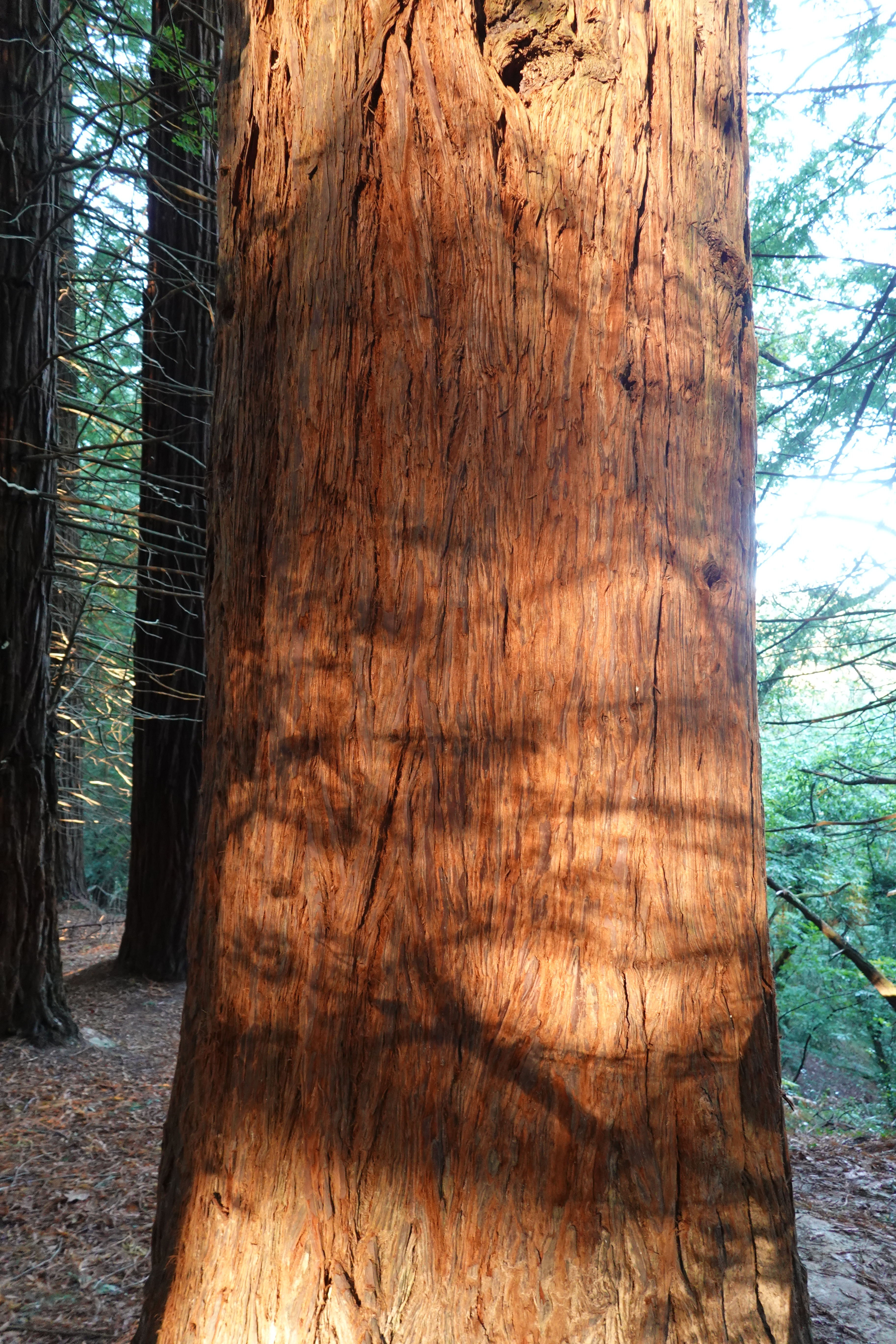
By the way, do you think you can see the suggestion of a heart on the bark of that sequoia in the photo I’ve posted above?

Read Full Post »

All my working life I practised Medicine as holistically as I could. I never made sense to me to split a human being into parts, particularly into a “mental” part and a “body” part. I was trained to practice holistically, even if my teachers rarely used that word. They taught me to listen to a person’s story, to listen with empathy and without judgement, in order to understand their illness, to make a good diagnosis and to plan what investigations and treatments should be considered. We started with the person, and drilled down to clarify what was happening in certain systems or parts, with the help of investigations.

This way of working emphasised that every single human being was unique, and that there were no one size fits all treatments. It taught us to remain ever alert, to follow up patients ourselves and to adjust our diagnoses, treatments and prognoses, as life continued to flow.

But was it holistic enough?

My chronic doubt, which, I confess, has grown over the years, was that it wasn’t. The reason for saying that is that whilst I knew everyone lived within a complex, layered web of relationships and environments, my interventions were almost exclusively individualistic.

But I know that our health is affected by traumas, by relationships, by work, by poverty, by housing, by pollution.

The Covid pandemic made all that clearer than ever, but still, we went for an individualised approach, focusing on vaccinations and personal hygiene. But we saw that the vulnerabilities and problems lay in insecure employment, poverty, racism, overcrowded and inadequate housing etc.

Sometimes I buy the idea that we can all be healthier if we exercise enough, eat a balanced nutritious diet, and manage our emotions, but then I see children in Gaza, people picking through the rubble of their houses in Ukraine, whole towns swept away in historic floods, and I realise, this individualistic holism just isn’t enough.

Let me clarify – I’m not knocking holistic medical practice – it’s far superior to reductionist, materialist, industrialised models. But we need to be much more aware of the circumstances of our lives, and, in particular, of the shared circumstances of our lives. If we can’t do anything about climate change, plastic pollution of the oceans, chemical pollution of the soil, the waterways and air; if we can’d do anything about poverty, social exclusion, hatred and prejudice; then we’re going to be fire fighting, and applying bandaids, when we could be creating a better world for all of us to live in.

How do we do that?

Ah, that’s the big question, and it’s not an easy one to answer. But we have to start somewhere, and awareness might be a good place to start. We need to talk to each other, to express our desire for more justice, more care, more understanding of how we all share this one, massively connected world.

Read Full Post »