Feeds:
Posts
Comments

Archive for the ‘life’ Category

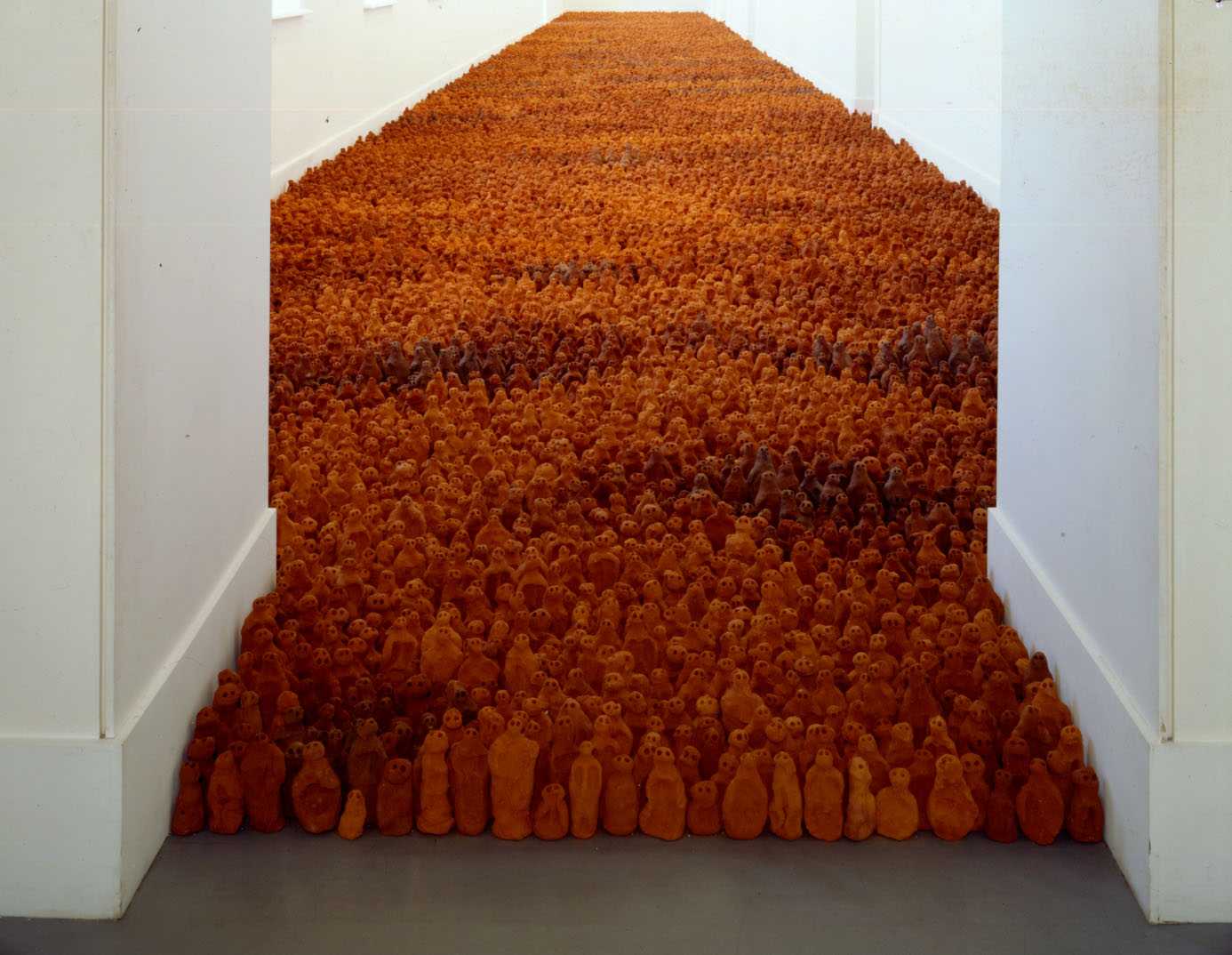
Art is such a characteristically human activity. What would the world be like without art? What would the world be like if we only had science and judged everything only by its utility?

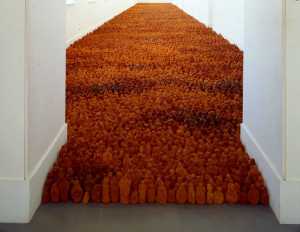
These beautiful works of art, so contextually sensitive and clever, change the lived environment of Angoulême.

Angoulême

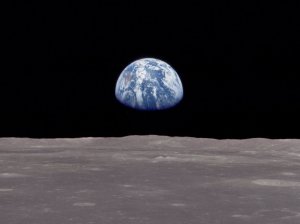
Moon and plane

The newborn ange d'Angoulême

L'hotel sur l'hotel

Read Full Post »

seeds

There are some rhythms to the year which I really enjoy. Spring, with the cherry blossom, or autumn with the golds and reds of the trees are two seasonal ones for me. In my monthly themes, I think of September as being the start of the academic year, so this is my month to make some plans for learning in the year ahead. 

As I write this I’m sitting on a balcony in the courtyard of a B&B near Jarnac, in France. I’m looking for somewhere to move to, now that I’ve retired, and I’ve chosen France. So my main learning for the year ahead is a language goal – to become fluent in French.

i’ve got other learning plans too (not least starting to play music again, after a break of some 40 years!)

What would you like to learn this year? 

September is a good month to think about it, courses will be starting soon……

Read Full Post »

Inspire – one of my most favourite verbs.

In this week’s A to Z of Becoming, the letter “I” stands for the verb “inspire”.

So, here’s what I’m interested to explore (and maybe you’ll be inspired too!)

Who inspires you?

Make a list. Who do you know who inspires you? Which characters from history inspire you? ( a variation of that which I’ve read is to imagine having a dinner party, who would you choose to invite….given that you could invite anyone who’s ever been alive). Which fictional characters inspire you?

Once you’ve made this list, maybe you could spend some time with some of these people – that is, arrange to meet, or read a biography, watch a movie about them, read the book where the fictional character appears……..

What inspires you?

A particular work of art, a poem, a song, or other music, a particular place, a certain movie, play or novel? (Maybe some of my blog posts??) Make another list.

Again, once you have this list, expose yourself to these inspirations – go see that painting, listen to that music, watch that movie, spend some time in that particular place.

Here are a couple of more ways in which you can engage with this “inspire” verb this week…..

Describe in what you are inspired by the people and things on your lists. Are you inspired to take particular actions? Are you inspired to create…..to paint, write, compose, sing….? Are you inspired to change something in your life? Just describe how you are inspired in a way which helps you to decide to actually do something!

Finally, how might you inspire others? What could you do this week that someone else might be inspired by?

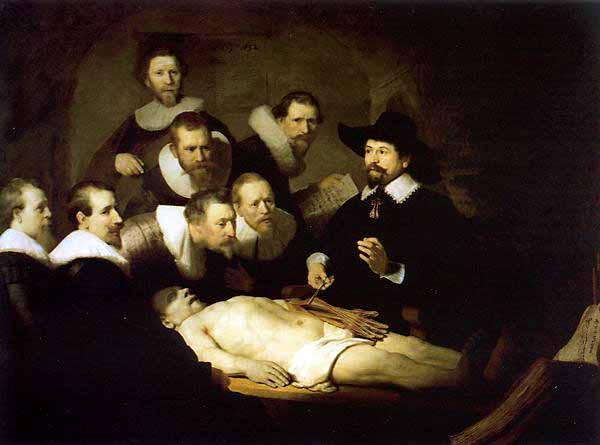
[here’s some of the things which inspire me……]
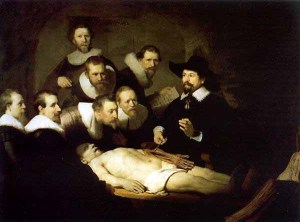
rembrandt_anatomy_lesson_dr_tulp

Field_jw

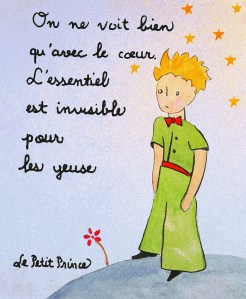
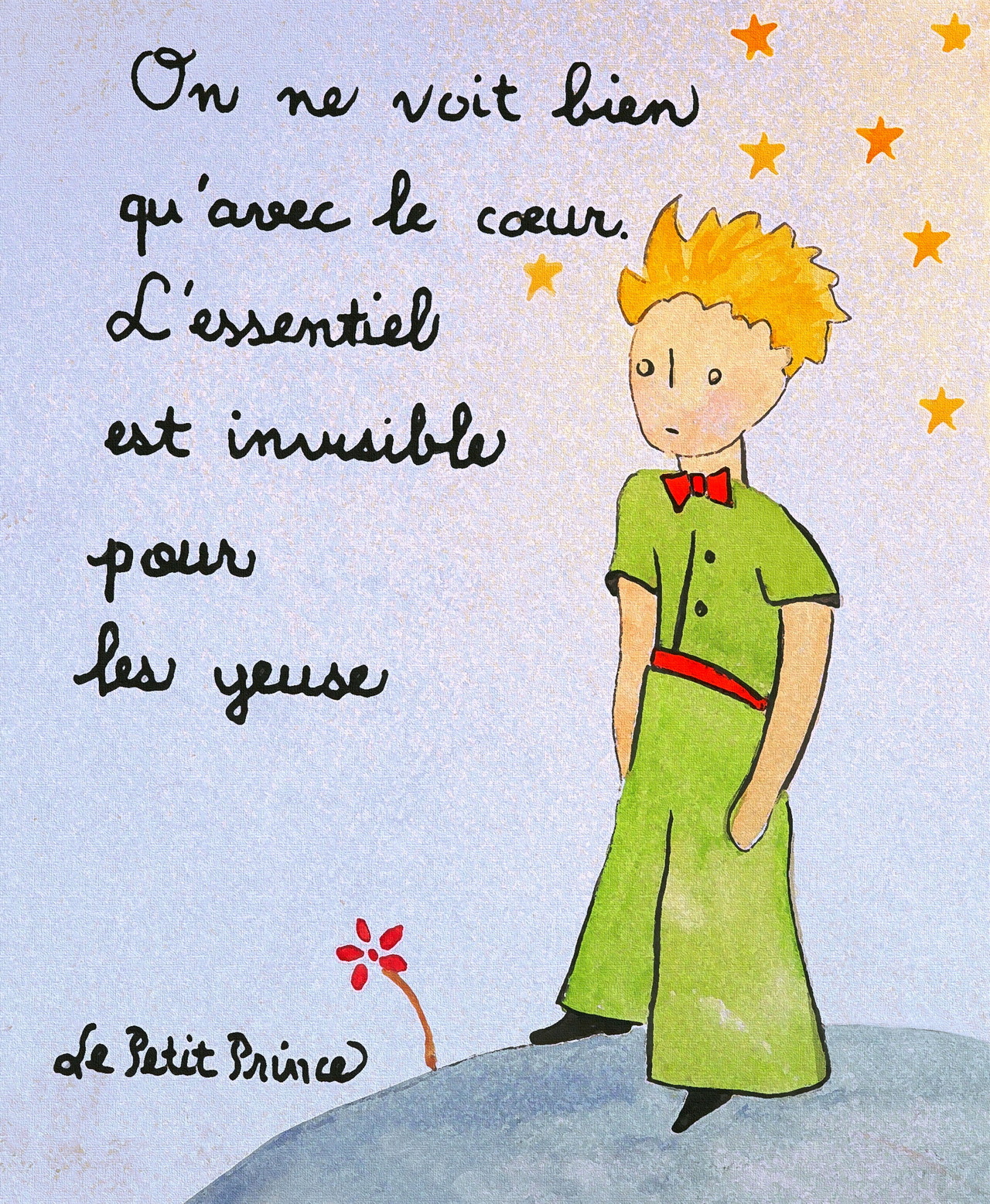
invisible

IMG_0534

IM short intro .005

DSCN0872

DSC_0051


my new motto


Read Full Post »

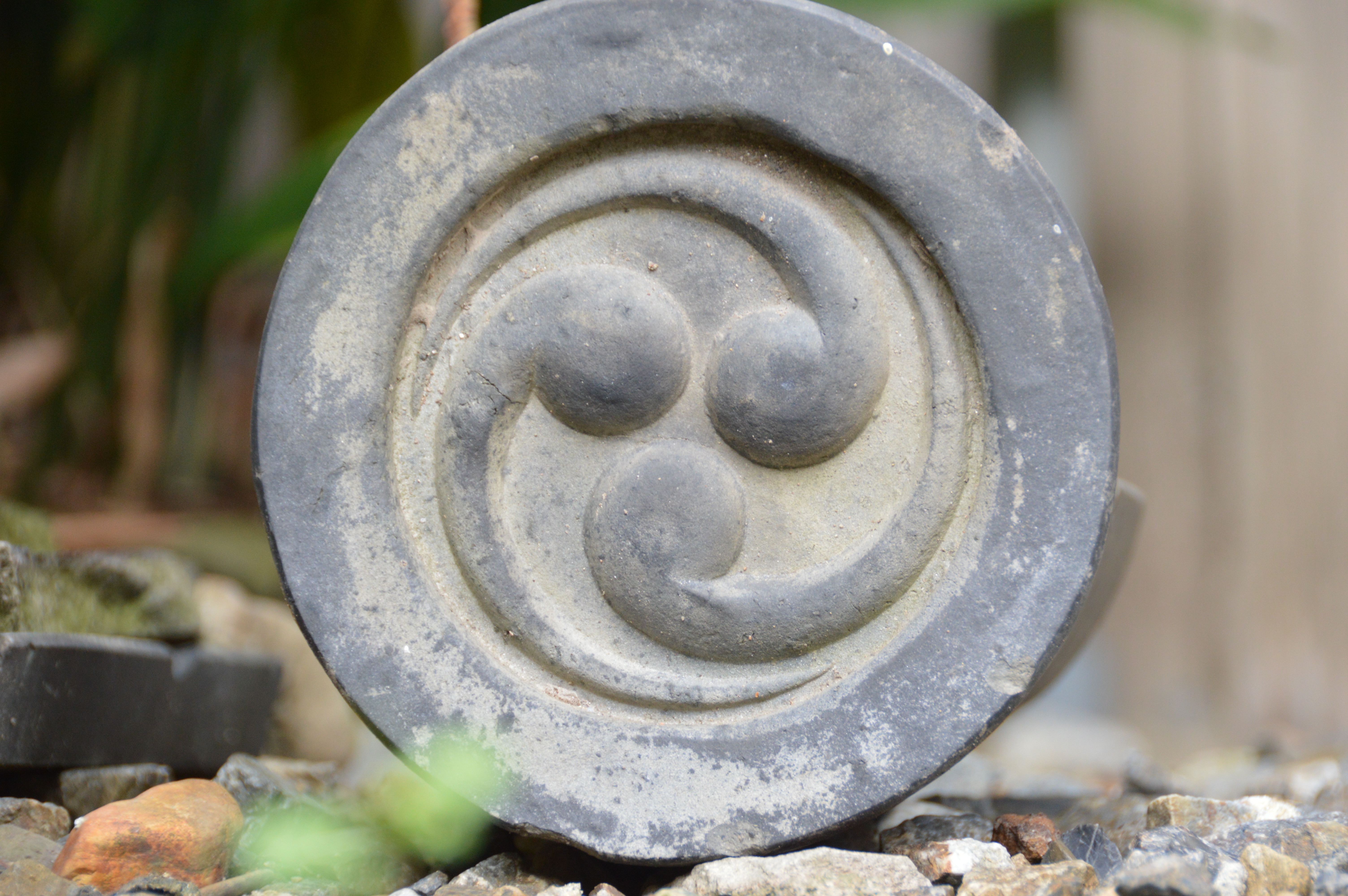
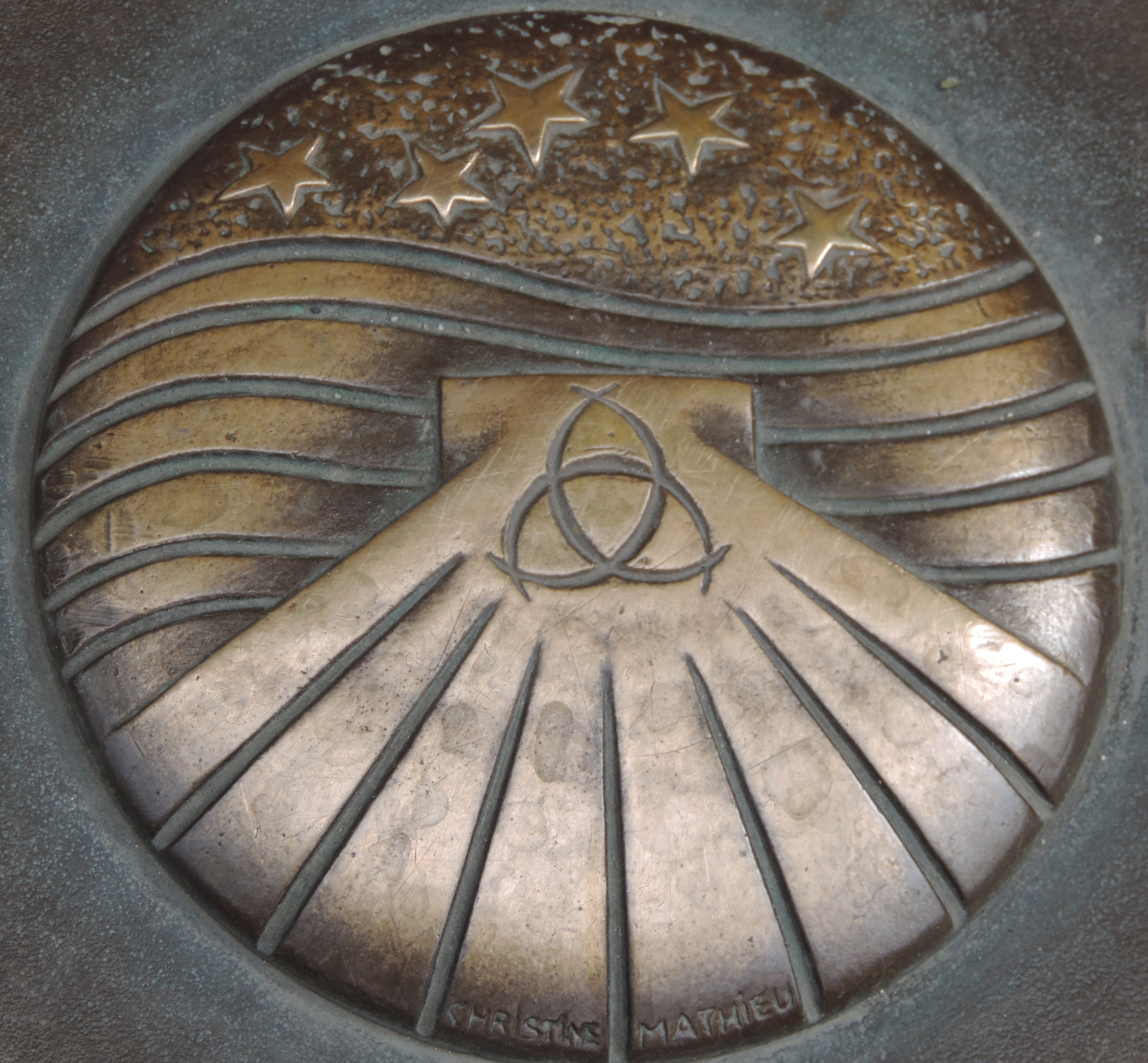
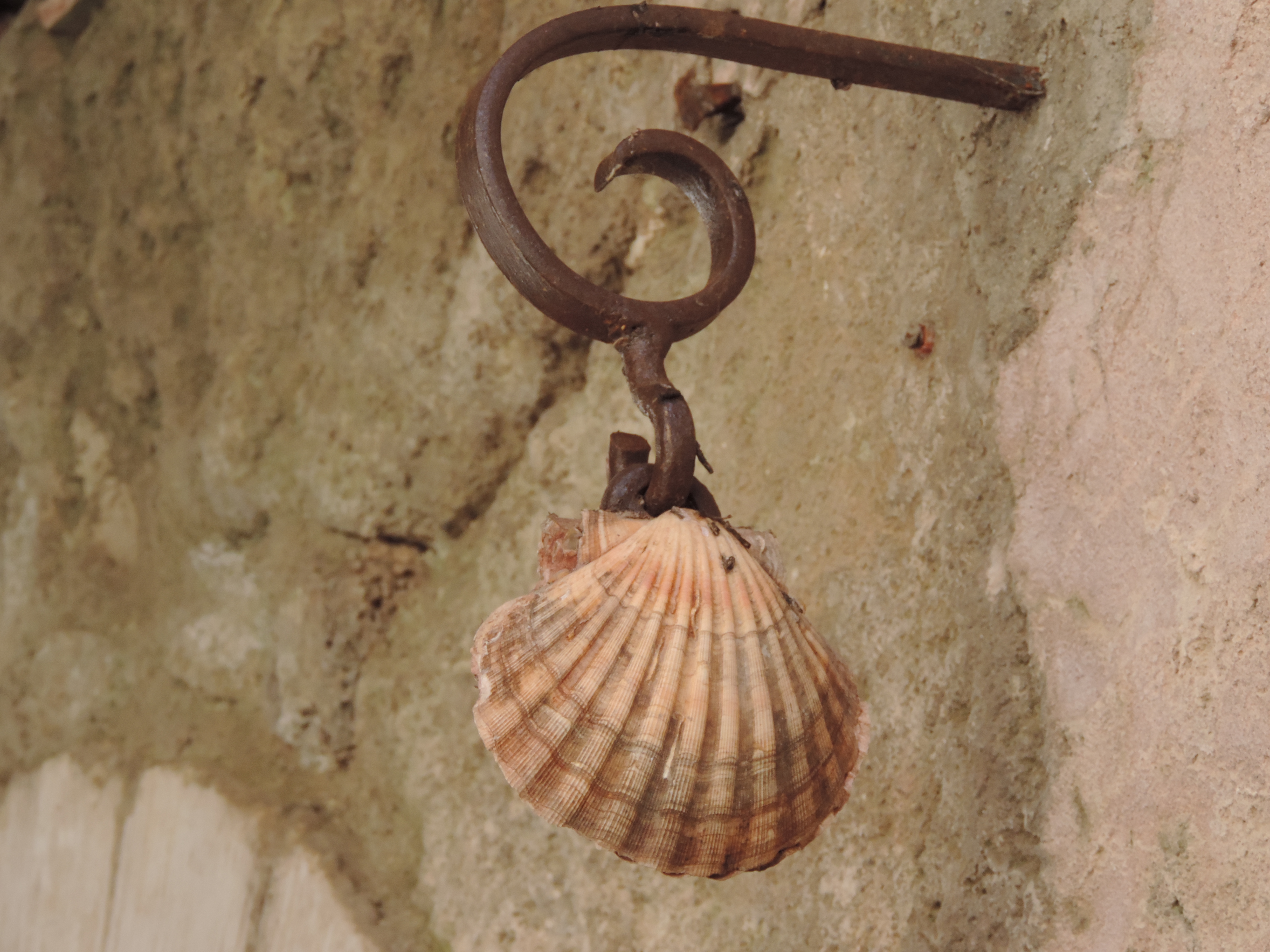
I love symbols, and am always drawn to explore the symbolic meaning of a drawing, or other communication. They have such deep, and rich power.

Here’s one I found recently on the Cathedrale Saint-André Primatiale d’Aquitaine.

DSCN1983

I suspect this might be quite modern, but I love it all the same…..see the scallop shell from the Compostella Pilgrims’ Way

DSCN1100

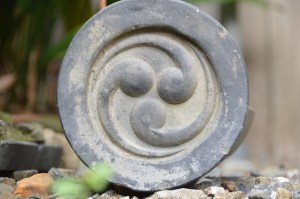
…..a very modern version of a triskele (body/mind/spirit? or earth/sky/heaven?)

DSCN1091

……the waves of the sea, and the stars in the sky to guide you.


Read Full Post »
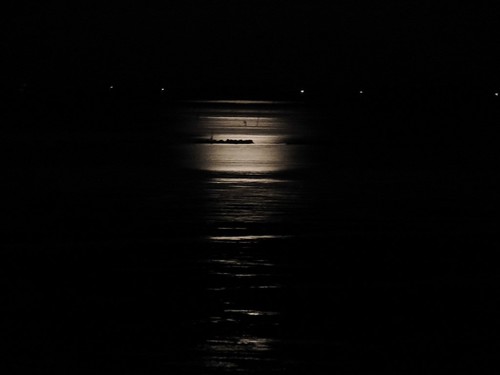
Moonlight on water

I was struck today by this paragraph about Romanticism in Iain McGilchrist’s Master and His Emissary –

Romanticism in fact demonstrates, in a multitude of ways, its affinity for everything we know from the neuropsychological literature about the workings of the right hemisphere. This can be seen in its preferences for the individual over the general, for what is unique over what is typical, for apprehension of the ‘thisness’ of things – their particular way of being as ultima realitas entis, the final form of the thing exactly as it, and only it, is, or can be – over the emphasis on the ‘whatness’ of things; in its appreciation of the whole, as something different from the aggregate of the parts into which the left hemisphere analyses it in self-conscious awareness; in its preference for metaphor over simile, and for what is indirectly expressed over the literal; in its emphasis on the body and the senses; in its emphasis on the personal rather than the impersonal; in its passion for whatever is seen to be living; and its perception of the relation between what Wordsworth called ‘the life of the mind’ and the realm of the divine; in its accent on involvement rather than disinterested impartiality; in its preference for the betweenness which is felt across a three-dimensional world, rather than for a seeing what is distant as alien, lying in another plane; in its affinity for melancholy and sadness, rather than for optimism and cheerfulness; and in its attraction to whatever is provisional, uncertain, changing, evolving, partly hidden, obscure, dark, implicit and essentially unknowable in preference to what is final, certain, fixed, evolved, evident, clear, light and known.

Well, well….for those of you who are already familiar with Iain McGilchrist’s hypothesis about the differences between the left hemisphere and right hemisphere ways of approaching the world, I’m sure you’ll agree this is a terrific, comprehensive summary. He, of course, is at pains to point out, time and again, that he is not saying that the left approach is bad and the right is good, or vice versa…….that we need BOTH, and that we need to integrate the functions of the two hemispheres, not allow the left to dominate the right.

But take your time, and read through that paragraph carefully. He is highlighting what is consistent in the values of Romanticism with the tendencies, or preferences of the right hemisphere of the brain. 

I enjoy what the left hemisphere does for me, but I resonate SO strongly with ALL of these “right hemispheric” qualities he describes so beautifully in this paragraph. It captures my fascination for the personal, the particular, the transient, for “becoming not being…..”

Read Full Post »
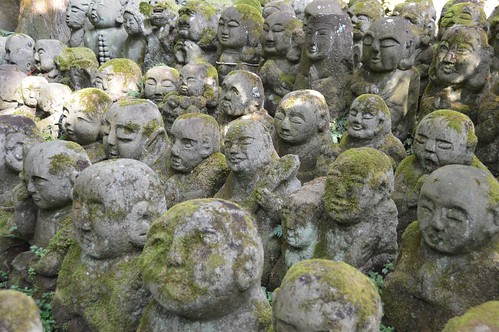
Untitled

What was/is your experience of school?

David Richard Precht, the German philosopher argues that our schooling system continues to be based on the industrialism of about 100 years ago. We still seek to teach sets of facts to all children of the same age, and then test their ability to recall those facts in examinations leading to qualifications. The intention of the education is to produce compliant workers and consumers who will conform to the demands of industrial society.

He argues that we are not fostering creativity, emotional intelligence or relationship skills which enable communities and teams to work together, and individuals to develop and express their unique talents.

He draws his ideas from philosophy, from neuroscience (NOT materialist neuroscience which seeks to reduce all human experience and cognition to identifiable areas of the brain), and from an understanding of how society has changed over the last few years.

Many of his recommendations are in line with teachings from people like Montessori and Steiner, so he can be understood to be part of a more child-centred, holistic movement in education.

I found myself agreeing with much of what he had to say in a recent interview published in Cles magazine (“Notre école est un crime”). He points out that asking children to sit still for an hour and pay attention is not a good starting point – most children, and indeed most adults, are able to concentrate on one topic for about 15 to 20 minutes (which is why TED talks do so well, and why youtube is the new television), and that one thing we know about health is that sitting still isn’t good for you!

He thinks schooling de-motivates learners and that the average 12,000 hours of education leading to the “Bac” qualification in Europe are experienced as pure boredom by most children.

He also thinks we are not teaching the right kind of skills for the 21st century – we need more innovation, creativity, diversity, the ability to use the internet to gain knowledge and to connect with others, more emotional intelligence and a greater ability to form and grow healthy relationships with others.

His proposals include moving away from classroom curriculae to a more project-based system of education which is by its nature multi-disciplinary and encourages children to pursue their own curiosity.

What do you think? How would you change the educational system?

Read Full Post »

Water patterns

It’s quite hard to capture the sense of flow in flowing water – but I really, really like this photo I took yesterday.

It reminds me of the class in school where we learned about “interference patterns” where two wave forms would meet – you can almost see here the same kind of “cross-hatching” which occurs when that happens.

So, as well as being a beautiful image, this stimulates a lot of my thoughts about flow, about patterns, about connections, about transience…….oh, I could go on!

How great it is that a single moment can stimulate such rich trains of thought……..

Read Full Post »

Hugs

In the second part of the A to Z of Becoming, H is for Hug.

How good does it feel to give, and to receive, a big hug…..whether the person you are hugging is one of your children, someone you love, or just someone your heart goes out to.

Is it too much to suggest you should hug at least once EVERY day?


Read Full Post »

Bay of Biscay

I did a search the other day to see if I could find the origin of the French phrase “l’émerveillement du quotidien” (the amazing everyday) because its a concept which I’ve taken to heart so passionately that if anyone asks me for advice about how to live a good life, how to be happy and healthy, I’ll pretty much always begin by saying they should approach every single day with an attitude of wonder and joy – “l’émerveillement du quotidien” (one good way to do that is to use the “first and last” method)

Well, I haven’t managed to track down the origins yet, but if you put the phrase into a google image search, guess what? MANY of the photos which come are mine!

So, whatever the origins, I guess I’m one of the world’s leading protagonists of “l’émerveillement du quotidien”!

This photo is one I took while on holiday on the West coast of France – it’s a great example of how amazing an everyday view of the sea is. Look at the range of colours! It’s gorgeous, and remarkable!

Read Full Post »

Under the ice

ice

It seems there is no end to astonishing discoveries on this planet Earth. Now we’ve discovered Life half a mile under ice where the sunlight never, ever reaches. In a subglacial lake in Antarctica scientists have over 4000 species of single celled organisms. But how can they exist when there is no sunlight, and so no photosynthesis?

As photosynthesis is impossible without sunlight, the Lake Whillans bacteria must get their energy from a different source. This could be existing organic material, or, like the ‘chemotrophs’ found in gold mines and near deep-sea hydrothermal vents, the bacteria might run on chemical reactions involving minerals in the Antarctic bedrock and carbon dioxide dissolved in lake water.

Bacteria have sure learned how to live in environments human beings couldn’t survive in!

Read Full Post »

« Newer Posts - Older Posts »