I read Daisy Fancourt’s “Art Cure” this year. She’s a Professor of Psychobiology and Epidemiology at University College London, and in this book she tells us about the huge evidence base for the impact on health which can be made by participating in art.
She describes art broadly, encompassing singing, listening to music, dance, drawing, reading, crafting, visiting museums, galleries and going to the theatre. And she shows astonishingly high levels of benefit on everything from depression, anxiety and pain, to blood pressure, mobility and cognitive function, and even changes to dementia, and increases in longevity.
I found it both convincing and inspiring. I hope it convinces those who think the arts are a luxury.
Mind you, I don’t listen to music, visit galleries, read, or write creatively for the good of my health. I do these things because I enjoy them and they give me more good days.
But who wouldn’t want to live a longer, better life quality life? No matter your current state of health.
Two chapters especially struck me. In one she describes the impact of “Magic Camp” on children with cerebral palsy, enabling them to improve their motor skills, boost their confidence, and find access to whole new worlds of possibility. What teaching these children how to do magic tricks can result in enormous breakthroughs which regular physio and psychology couldn’t achieve.
In another she describes a music therapy where patients with fibromyalgia and other chronic painful conditions listened to music with their eyes closed for twenty minutes twice a day for two months. Their pain levels were halved. As was their level of depression and anxiety. The music was “U sequence”, using genres the patients preferred, starting with stimulating 90-120 beats per minutes, moving to slow 30-40 beats per minute pieces, and ending with moderate 60-80 beats per minute.
I don’t know how to find music I like by beats per minute but I’m going to research that further. Maybe you know ways to do that.
But imagine if your doctor could recommend two twenty minute music listening sessions a day which could halve your pain levels?
Early in her book she mentions the “five pillars of health” – diet, exercise, sleep, nature and art.
Most of us only hear about the first three, so it’s incredibly refreshing and exciting to explore the fourth and fifth ones.
I’ve often written about the health benefits of nature, and you can find several such posts on this blog. Forest bathing is one of my favourites. Many studies have shown the positive effects on the immune and inflammatory systems of spending time amongst trees. But in fact engagement with the natural environment is available to all of us every day.
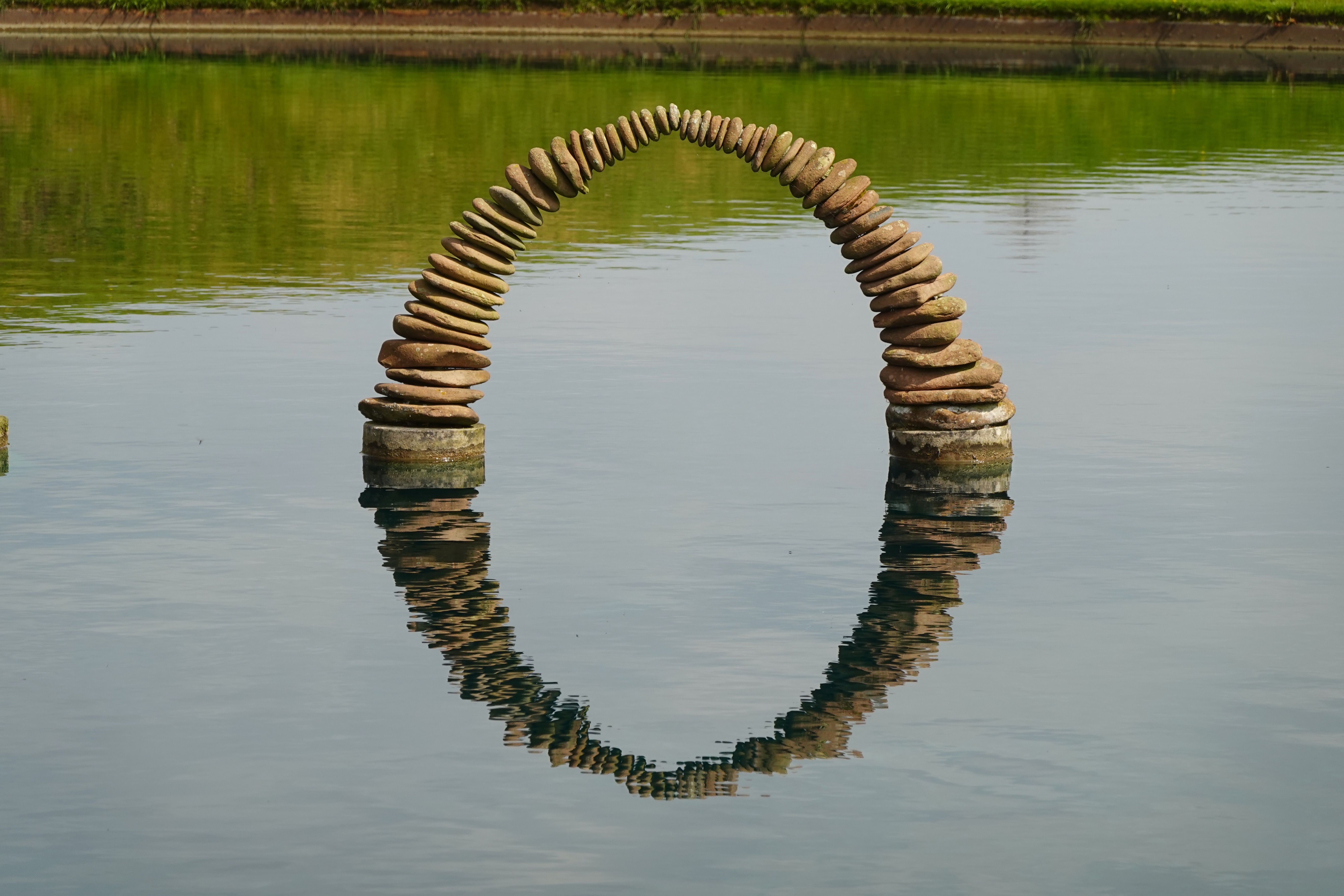
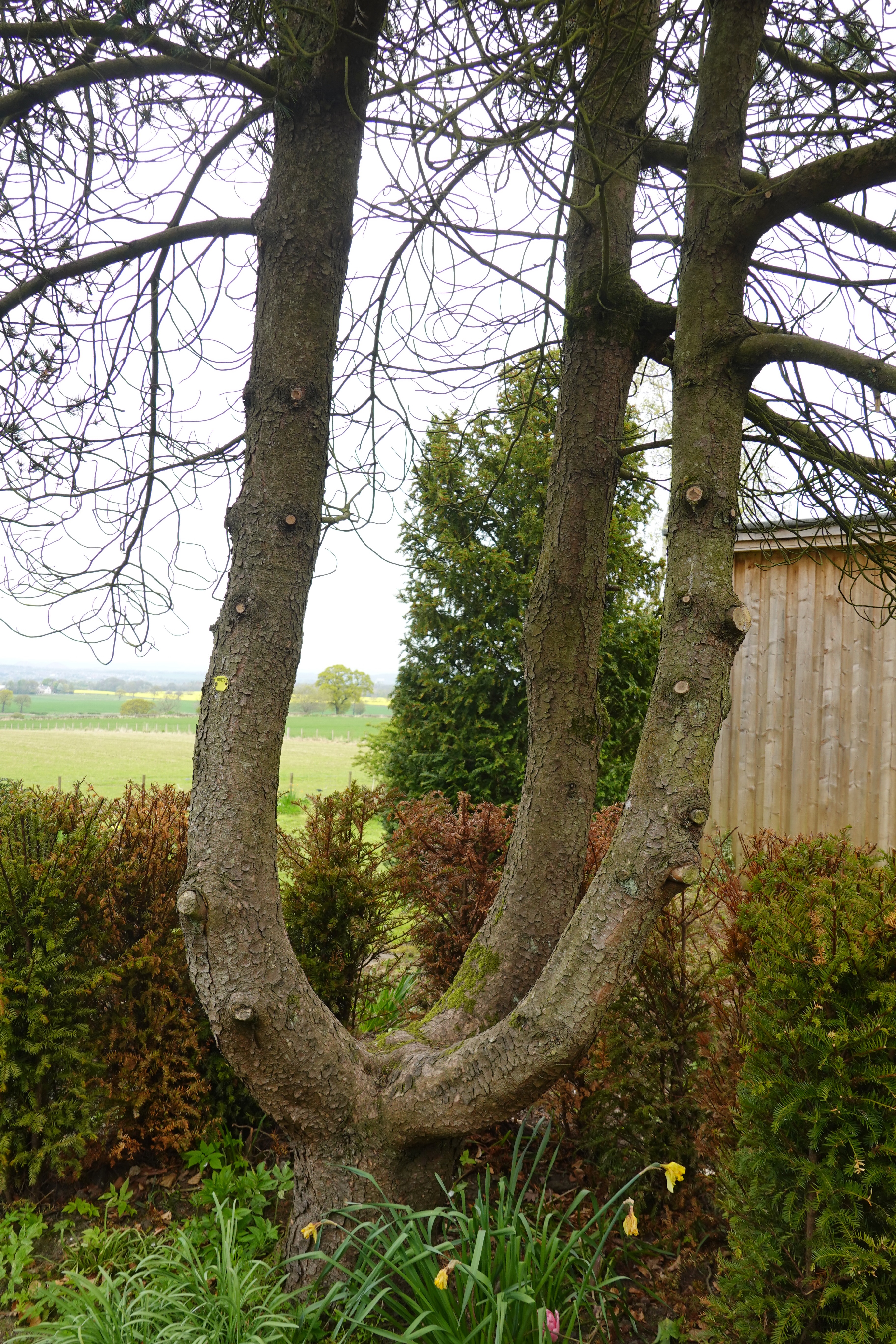
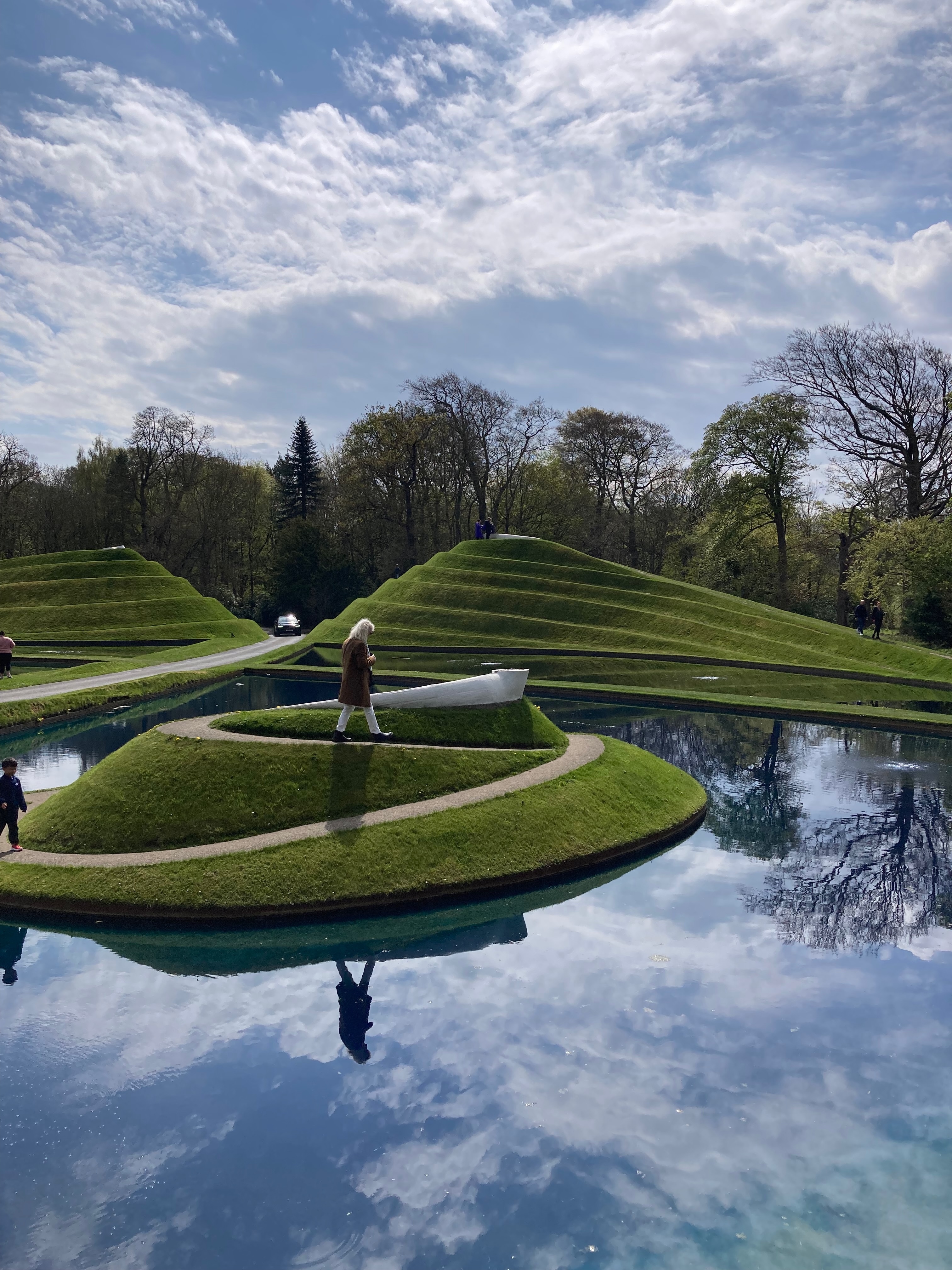
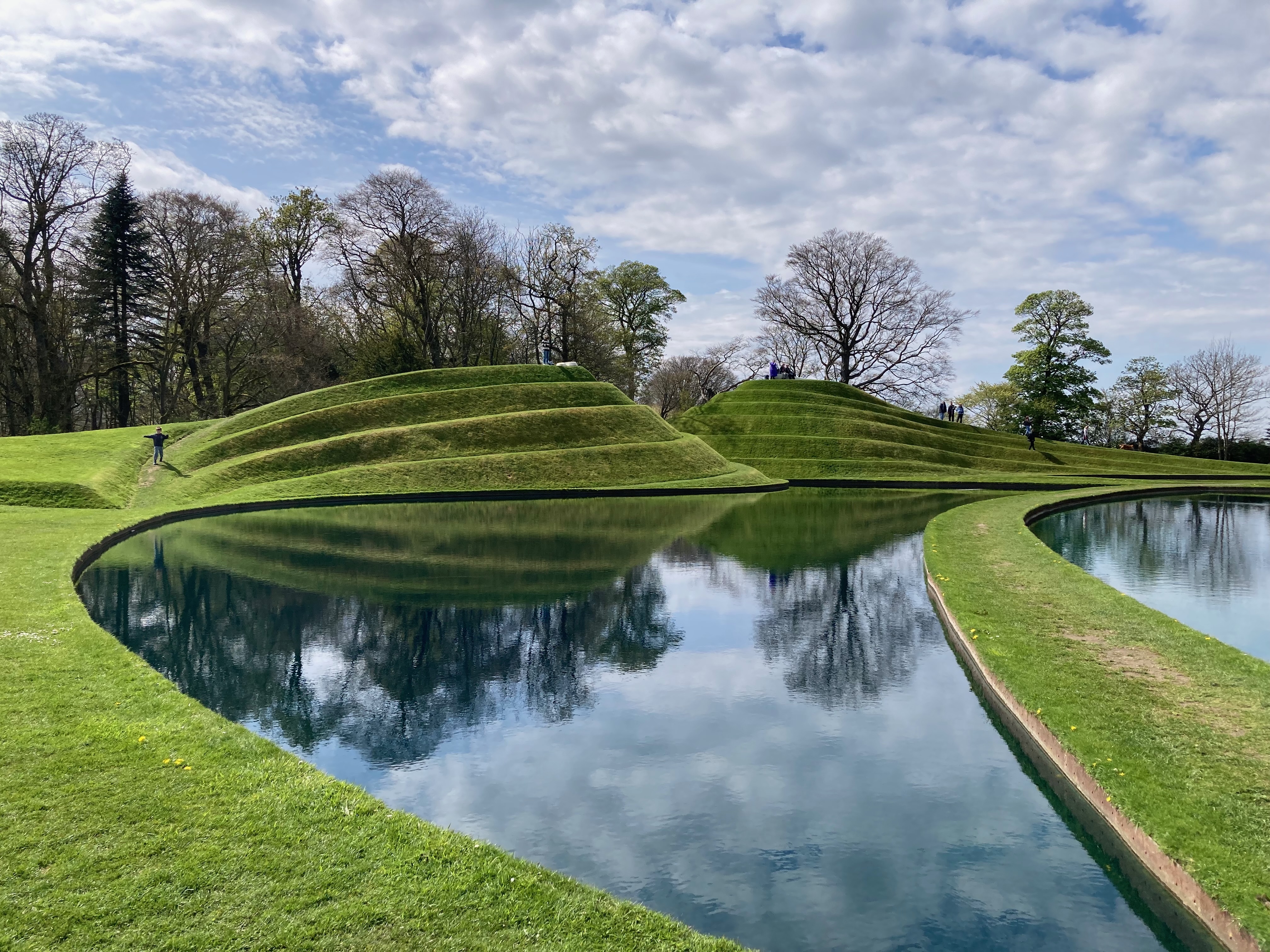
One weekend in Scotland, I paid a visit with some of my family to Jupiter Artland which is just outside Edinburgh. It’s truly one of the world’s special places created around a forest walk sprinkled with sculptures and art installations.
In other words, it offers the opportunity to experience two of the five pillars of health at the same time – nature and art. I love that combination.
OK, so maybe you’re wondering, why haven’t I said anything about the first three pillars – diet, exercise and sleep. Well, mainly because we are flooded with information about all three of these. There are so many variations, and, the truth is, no one size fits all, so you have to find the diet, the exercise regime and the sleep routine that works best for you, but essentially, it seems to me that a healthy diet includes diversity of foods, and is mainly, if not exclusively, non-ultrahigh processed foods. On top of that, most healthy diets recommend eating more plants than meat, and, if possible, eating food which hasn’t travelled all that far. I guess I’m lucky, living here in rural South West France, because there is an abundance of weekly markets within an hour from where I live. At any of these markets you can easily find seasonal foods, and locally grown ones.
As far as exercise goes, the main rule isn’t about a certain number of steps every day, it’s about not spending too much time just sitting. Many of us have pretty sedentary jobs, or lifestyles, and there’s no doubt that the less we move each day, the more likely it is that we will develop severely limited mobility. Again, it’s a matter of finding what works best for you, but most specialists advice both strength training exercises, and some exercise which puts your heart rate up.
Sleep? It comes down to finding the routine that works best for you, and sticking with it. That includes both determining when you want to go to sleep, and when you want to wake up ( 6 – 8 hours sleep is usually recommended ) and developing a wind down routine pre-bed time. It’s pretty much common sense, but, the underlying principle is to gradually reduce your exposure to stimulants, whether they be food and drink, or activities.
Anyway, you really won’t find it difficult to find advice about those first three pillars of diet, exercise and sleep. What I will keep coming back to in these newsletters, posts and podcast episodes, is the value which nature and the arts can bring to our lives, to our health, and, to making more of our days, good days.
As I’ve so recently enjoyed that perfect combination of art and nature, during my visit to the Jupiter Artland, outside Edinburgh, I thought I’d share a few photos with you. I hope you enjoy them and that they add to your own personal more good days.
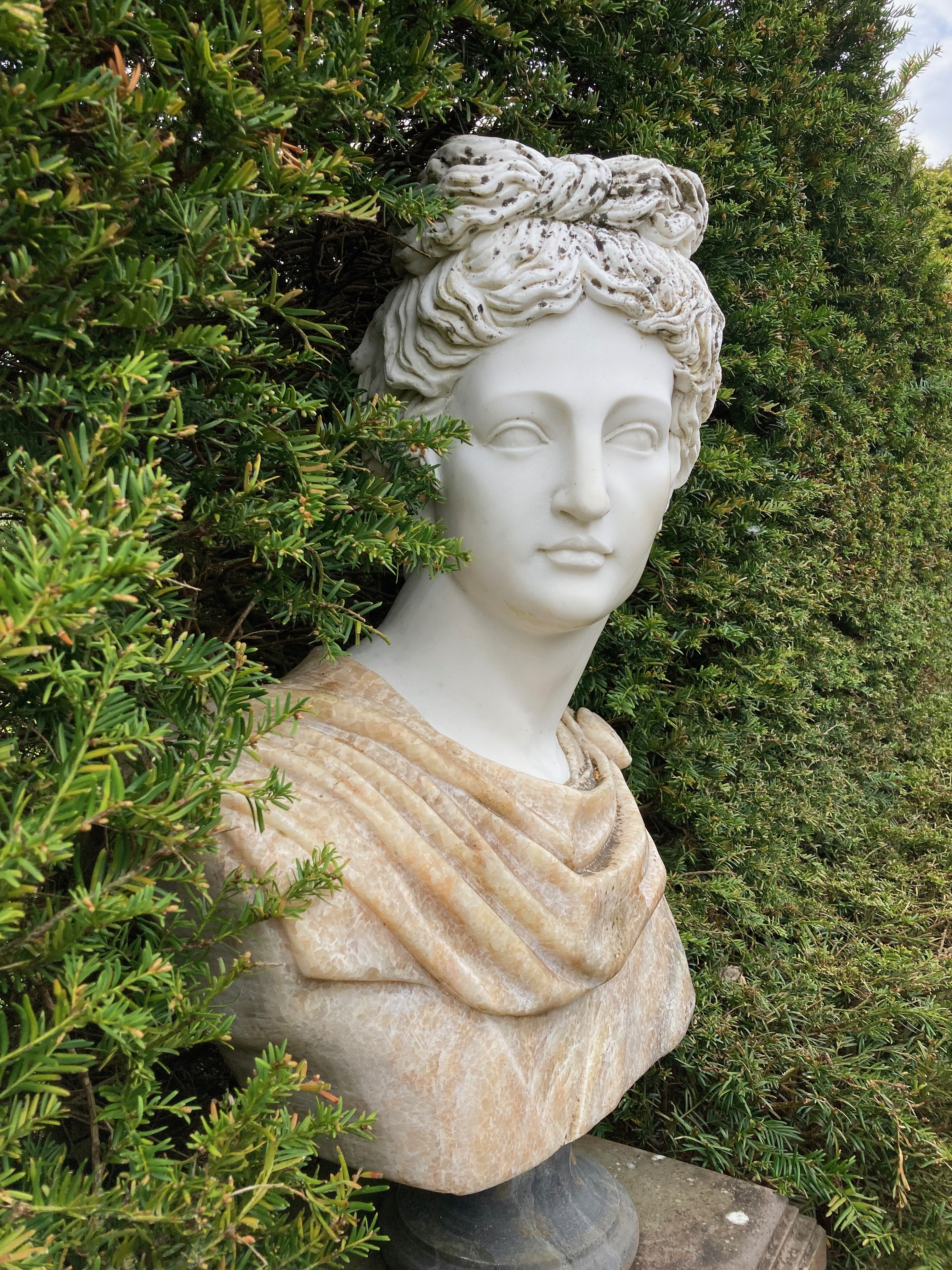
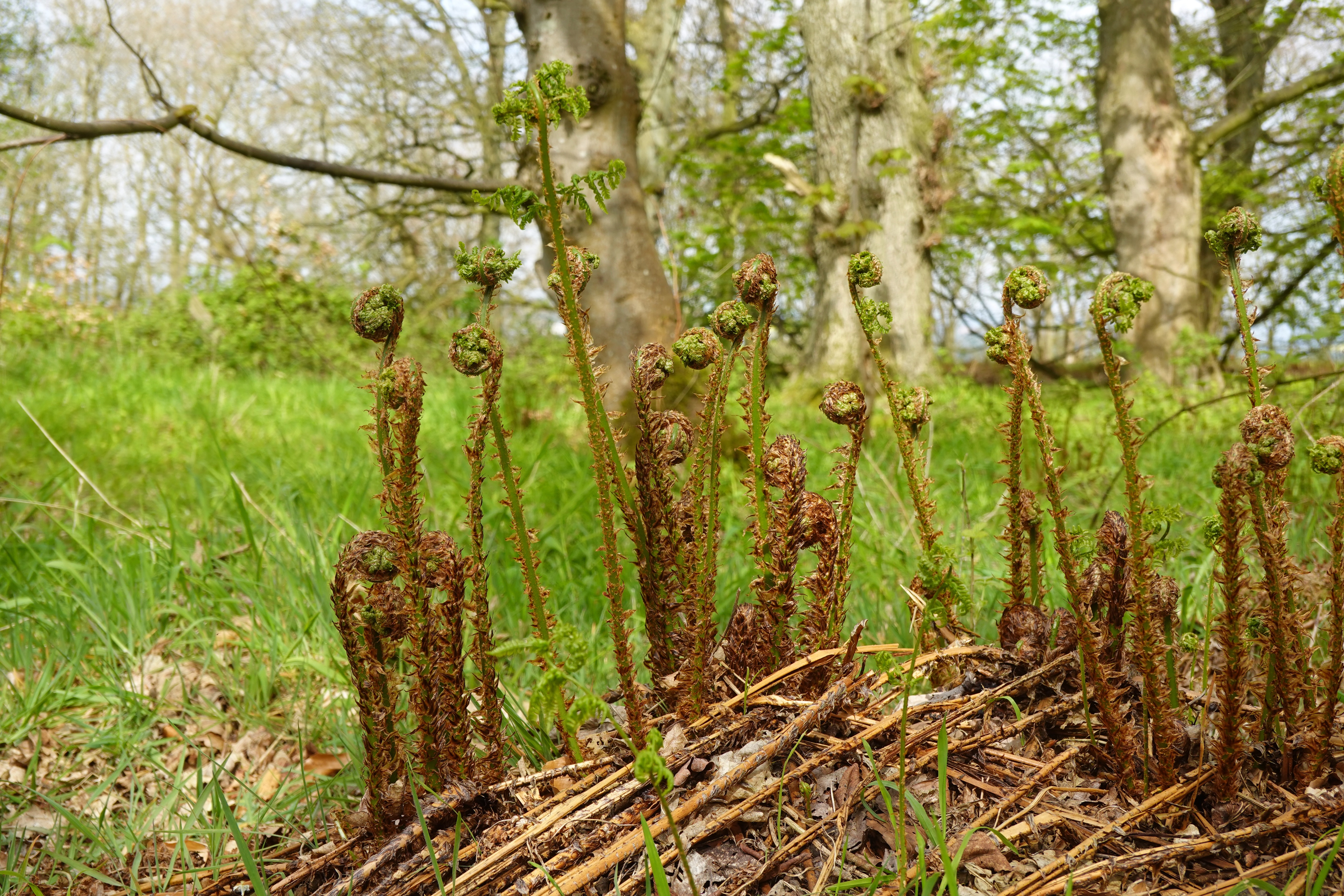
So, here’s my quick summary advice for this week – listen to music, treat yourself to some art experiences and, if possible, allow yourself some time in nature.


Leave a Reply