After days and days of sunshine, the storm clouds gathered, and down came the rain
I love how the garden smells and looks after the rain
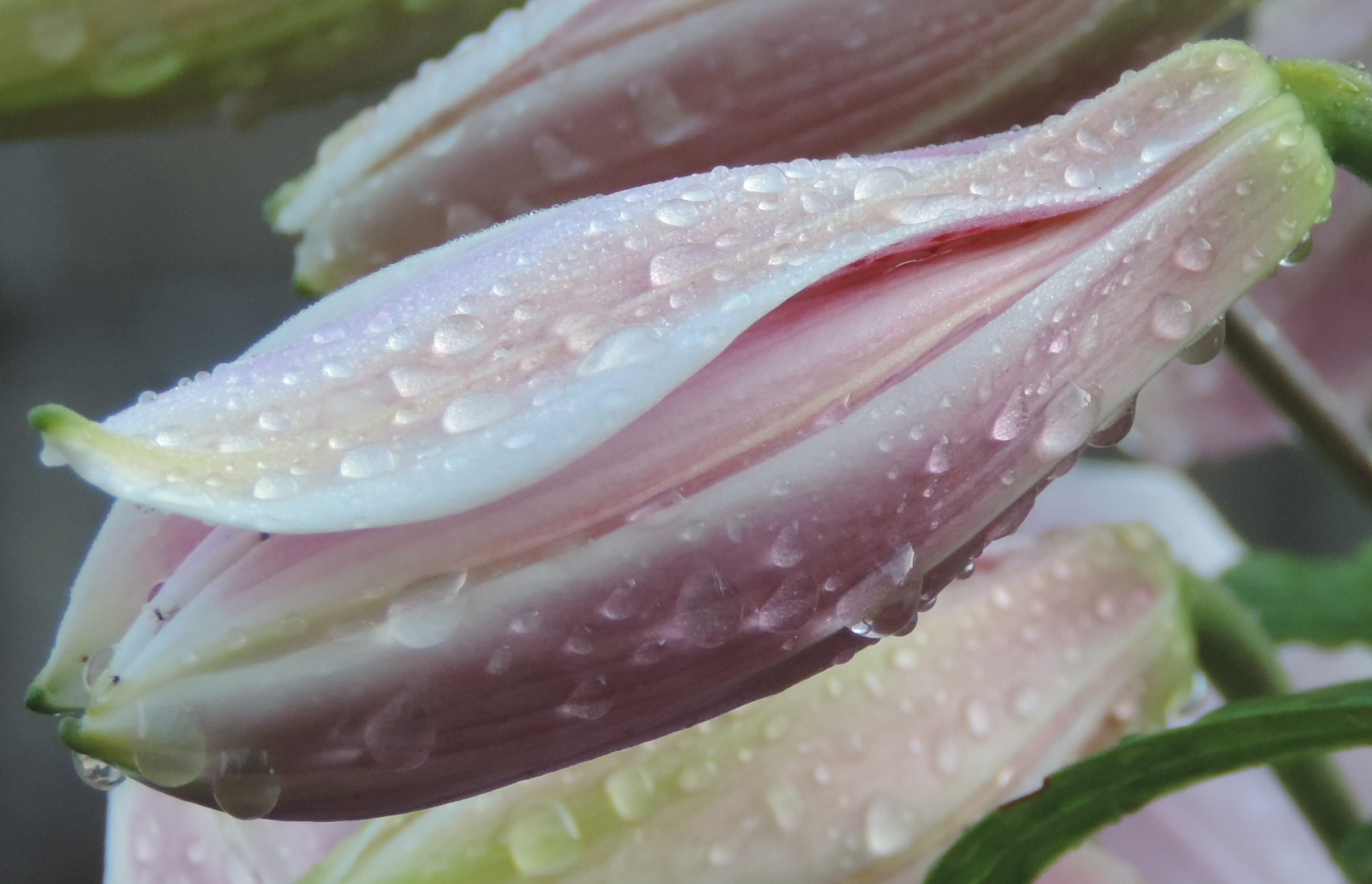
Posted in from the dark room, from the living room, photography on July 27, 2013| 1 Comment »
After days and days of sunshine, the storm clouds gathered, and down came the rain
I love how the garden smells and looks after the rain
Posted in from the living room, from the reading room, philosophy, science on July 19, 2013| 1 Comment »
There’s an old Scottish phrase, “A hae ma doots”, which roughly translates as “I have my doubts”. We use it when we don’t agree with another person’s view, but we think there might be something in what they say. Fundamentally, it’s the essential Scottish expression of skepticism.
I haven’t been very impressed with the modern version of skepticism which seems to have evolved from something people refer to as “scientific scepticism”. There are a number of “skeptics” societies around in the UK, and one of their main activities has been to organise attacks on homeopathy and “alternative medicines”. What’s always struck me about the pronouncements and activities of these groups is their utter conviction, their complete, unflinching sense of the rightness of their own opinions, and their often contemptuous dismissal of the opinions or beliefs of others. In fact, it seems that the only thing they are really skeptical about is any view they don’t agree with. When it comes to doubting their own conclusions, their skepticism flies out the window.
Scientific scepticism (you’ll see I use the two spellings interchangeably), has a distinct characteristic. In some ways, its the attitude of “doubting Thomas”…..”I’ll only believe what I can see with my own eyes”. There seems to be some core to scientific scepticism which is materialistic. Objective, measurable data is what counts for the scientific sceptic, and they are likely to dismiss, or at least to be sceptical of, any perspective, view or opinion which isn’t based on a physical reality.
Not all scientific scepticism can be reduced to materialism of course. There’s a scepticism which is intertwined with humility and curiosity. Humble, curious scepticism is based on believing that we can never know everything about anything. There will always be something new to discover, some further research, or exploration which will deepen or even radically change our understanding. Modern physics, it seems to me, is even sceptical about the physical basis of the universe (at least in the sense that the universe can be understood to be made of “things” which exist independently of each other)
It’s this latter kind of skepticism which we find in the writings of Montaigne. His essays are peppered with phrases like “peut-être”, “je crois”, “ce me semble”, and even “encore ne sais-je” (“perhaps”, “I believe”, “it seems to me” and “again I don’t know”).
I am very attracted to this kind of healthy skepticism. It’s about keeping an open mind; remaining curious; desiring to hear, and being respectful of, the views of others.
So when modern day “skeptics” campaign on the basis of their convictions, I have to say that “A hae ma doots” about their claim to be skeptics! But then, what do I know?
Posted in from the living room, from the reading room, life, philosophy, science on July 15, 2013| 4 Comments »
Howard Bloom, in his excellent, “The God Problem” [ISBN 161614551X] starts by highlighting what he calls “five heresies”, or “five tools” which we can use to try and understand how our universe of everything was created, apparently, from nothing. I think they are all useful. Here they are –
1. A does not equal A
This is a challenge to dominant Aristotlean logic. Aristotle couldn’t accept Heraclitus’ view that you can’t step in the same river twice. He wanted to nail reality down by reducing it to a simple logic of A = A. Trouble is, the universe is a dynamic, evolving universe, so nothing stays the same. Even once you’ve named something, that something has already changed since you named it. This is what I was referring to when I wrote “waves not things“.
2. One plus one does not equal two. Here, he is referring to the fact that complex systems cannot be explained by simply adding up their parts. When a vast number of components join together, they begin to exhibit behaviours which could never have been predicted by any of the parts themselves. This is the main reason I refuse reductionism. To reduce a human, is to deal with something subhuman. A whole human being cannot be understood by adding together his or her bits!
3. “The second law of thermodynamics, that all things tend toward disorder, that all things tend toward entropy, is wrong” Just consider how a human being grows from a single cell, and continues to develop ever greater order and complexity as it matures. Or consider what’s happened from the perspective of the universe story – where the universe hasn’t demonstrated a path towards ever greater disorder, but rather to ever greater complexity and order.
4. “The concept of randomness is a mistake”. The popular view that we live in a totally random universe is not supported by what we know about the universe. The Big Bang did not create a billion DIFFERENT elements. Our entire physical universe is made of the elements we’ve laid out on our Periodic Table – a surprisingly small number of elements for a totally random process! It’s not totally random, of course, chaos has been seriously misunderstood. There are underlying patterns influencing the creation of the details – from galaxies, to worlds, to human beings. The underlying pattern is not total randomness.
5. “Information theory is not really about information”….instead “meaning….which believe it or not is not covered by information theory….is central to the cosmos. Central to quarks, protons, photons, galaxies, stars, lizards, lobsters, puppies, bees and human beings”
Bloom concludes
The bottom line? Sociality. This is a profoundly social cosmos. A profoundly conversational cosmos. In a social cosmos, a talking cosmos, a muttering, whispering, singing, wooing, and order-shouting cosmos, relationships count. Things can’t exist without each other.
Posted in from the dark room, from the living room, from the reading room, life, perception, personal growth, philosophy, photography, science on July 10, 2013| 3 Comments »
Isn’t it amazing how being human involves unrelenting, constant change? My body feels like my body. It’s always felt like my body. But there isn’t a single cell in this body today which was here when I was a child. In fact all of the cells which make up this body are continuously being renewed. Some die off, others are born. So what is this “me”? And, at this point, I just mean my physical being. Goodness knows how you pin down the subjective “self” that is me! I create that every moment of every day.
With all this constant change, how come I retain a consistent identity?
I certainly don’t feel I am a “thing”……I’m not even sure what a “thing” is! What I mean is I am not an object. I cannot be reduced to my “substance”, my cells, my molecules, my DNA even. The totality of me is more than that, and the totality of me, right here, right now, had never existed before, and won’t exist exactly like this by the time you read this.
I think I’m a wave.
What I mean is I am more like a wave, than an object.
Have you ever stopped to think about what a wave is? You can spot a wave far out from the shore and follow it as it heads towards the rocks or the sand, but that wave is not an “it”. The water particles which make up the wave stay pretty much where they are. As the wave passes through the water, the particles just move up and down in a circular motion. They don’t actually head together towards the shore.
As you follow a wave, you are watching an energy complex consistently recruit particles into a distinctive pattern or forwards but it doesn’t bind those particles into an entity. It picks them up and drops them, moving its shape through the water……
Here’s a couple of quotes from other authors about waves.
The truth is that life is not material and that the life stream is not a substance.
Luther Burbank
You are a wave. Every minute you say goodbye to more than a billion combinations of post synaptic receptors in your brain and replace them with new ones. You do the same with the cells that line your digestive tract and make up your skin. And you constantly shift your mind from one obsession to another. Yet you retain an identity. Something more puzzling than mere substance continues to impose the shifting flicker of a you…..Your identity is a pattern holding sway over a hundred trillion cells that change constantly…….Your self is a dance that uses matter to whisk from the invisible and the impossible into the gasses, dusts, and jellies of reality.
Howard Bloom

Posted in from the living room, photography on June 28, 2013| Leave a Comment »

Where do you think I took this photo? I love the colours in this, and it got me wondering what we see in a photograph which gives us a sense of the context of a shot. What is there about the architecture, the signs, the symbols the fashion, the design, the people, which helps us to know where a photograph has been taken.
It also got me wondering about memory and imagination. What memories does this image evoke for you? What does it stir in your imagination?
Posted in from the dark room, from the living room, life, perception, photography on June 25, 2013| 3 Comments »
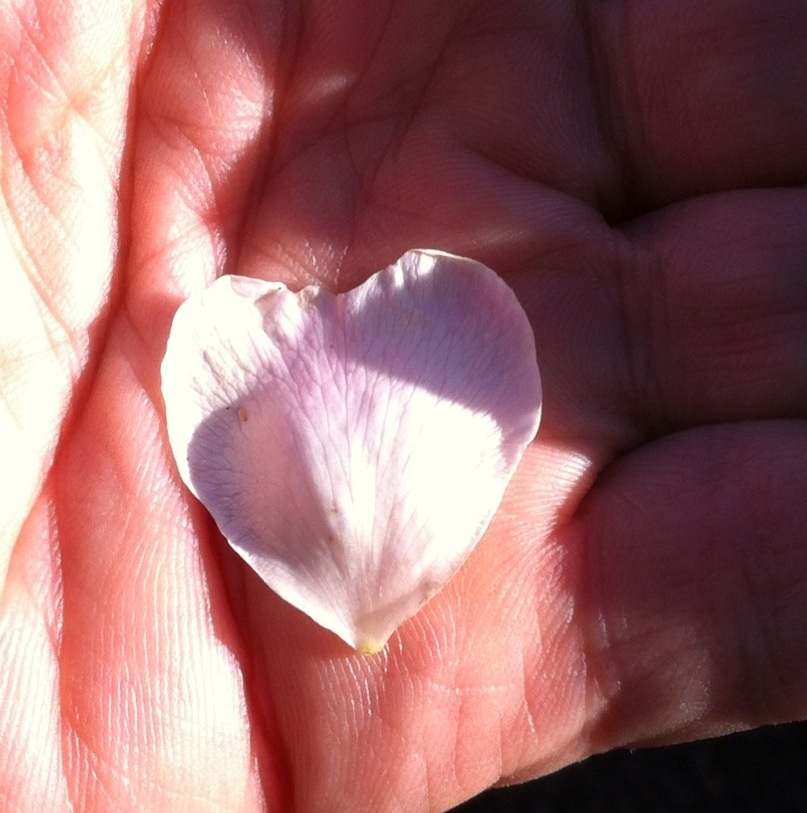
I noticed this. I noticed it partly because of its colour, and partly because of its shape. A lot because of its shape. This is what we do. We notice patterns. We recognise patterns. Patterns kick off a train of associations in our memories and our imagination. I noticed the shape of a heart. Then I held it in my hand. Not grasping, but holding lightly. I held it in my hand and I wondered about the little veins in the petal, and how they looked like the creases in my palm. And I wondered about the intricacy of the petal, and the intricacy of my hand. And I was amazed yet again how the universe creates such beautiful complexity, such uniqueness, filled with connections, intricate echoes of the past, continuously evolving through today. And I photographed it with my iPhone. And I shared it. This is what we do. This is us becoming more human every day……noticing, reflecting, sharing.
Posted in from the dark room, from the living room, life, perception, photography on June 23, 2013| Leave a Comment »
We tend to look right through windows. We look as if the window isn’t there. But as I look at these photos of windows, I wonder two things. First of all, how beautiful the window itself often is. Secondly, how does the window itself influence what we see as we look through it?
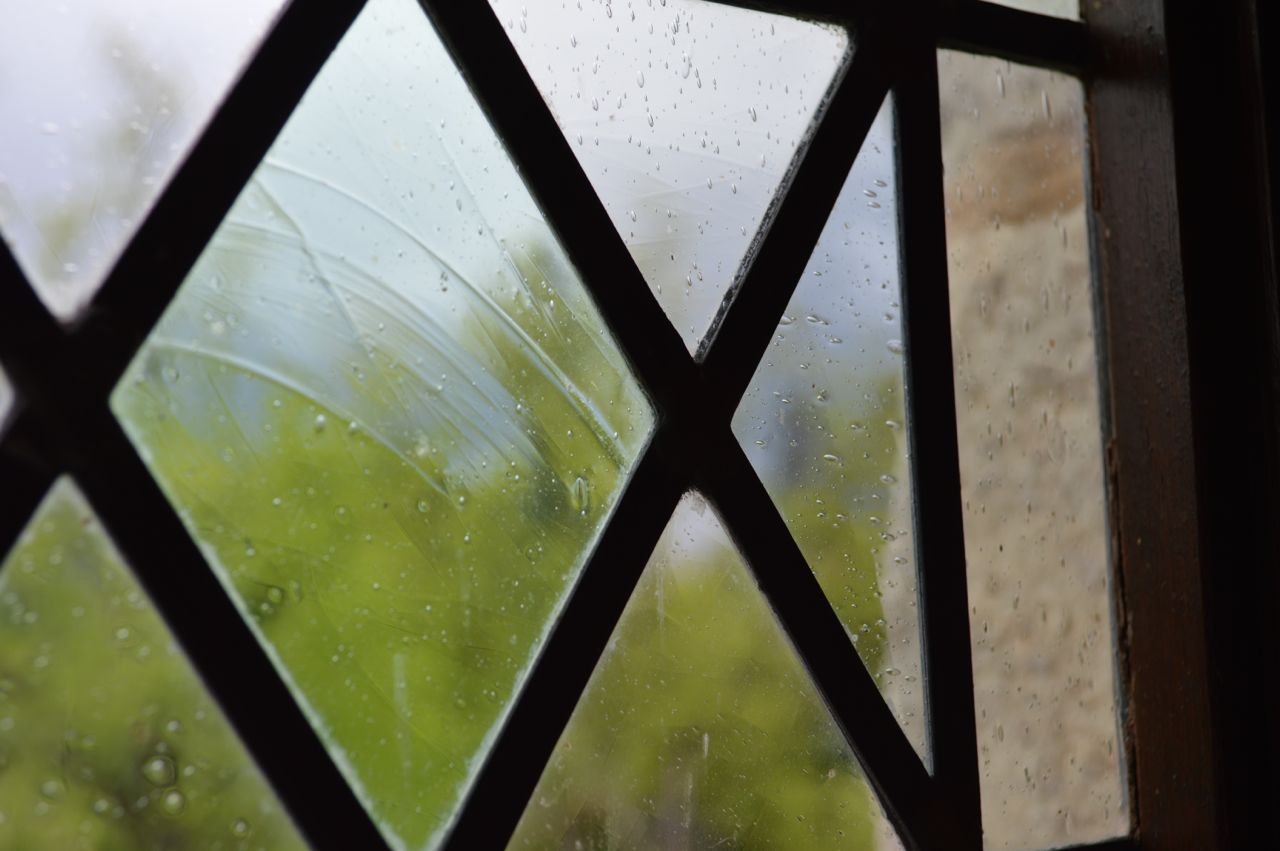
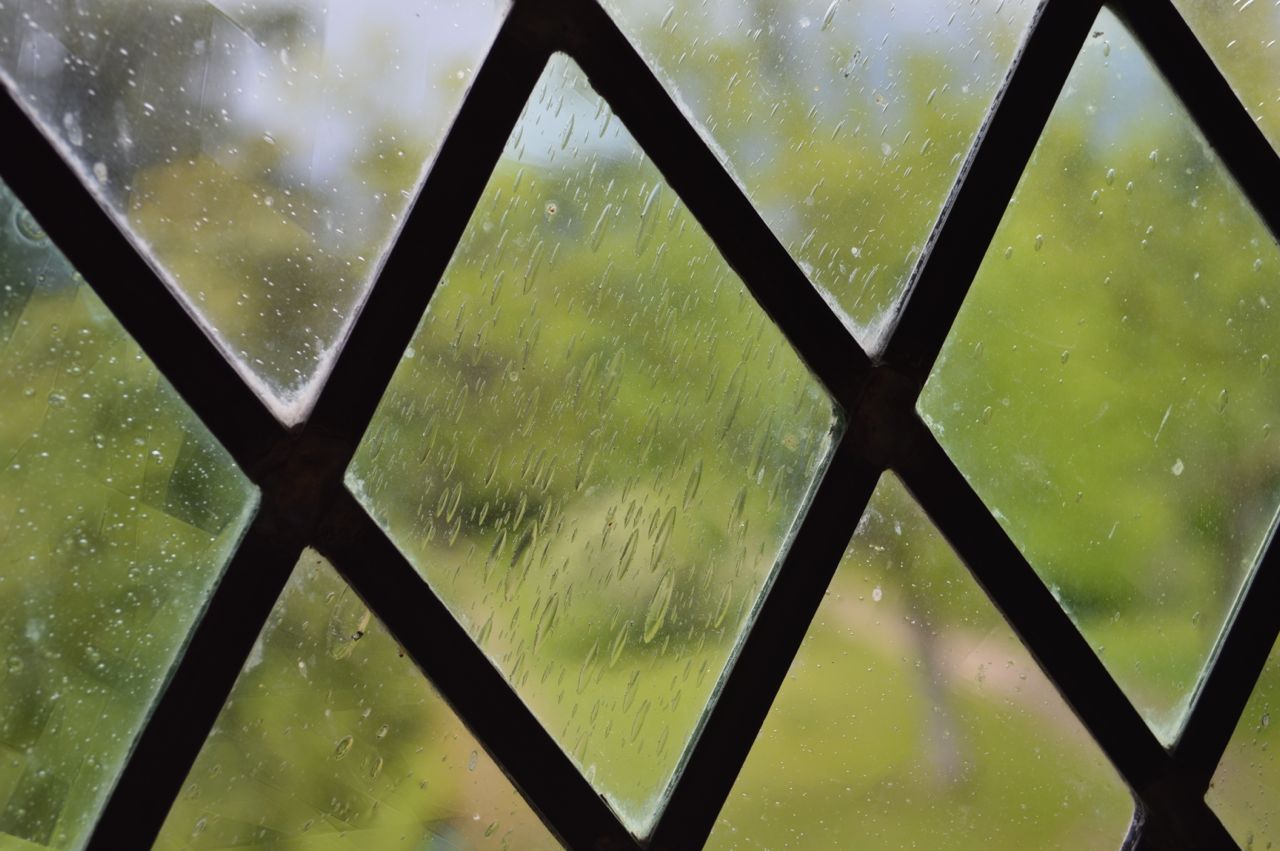

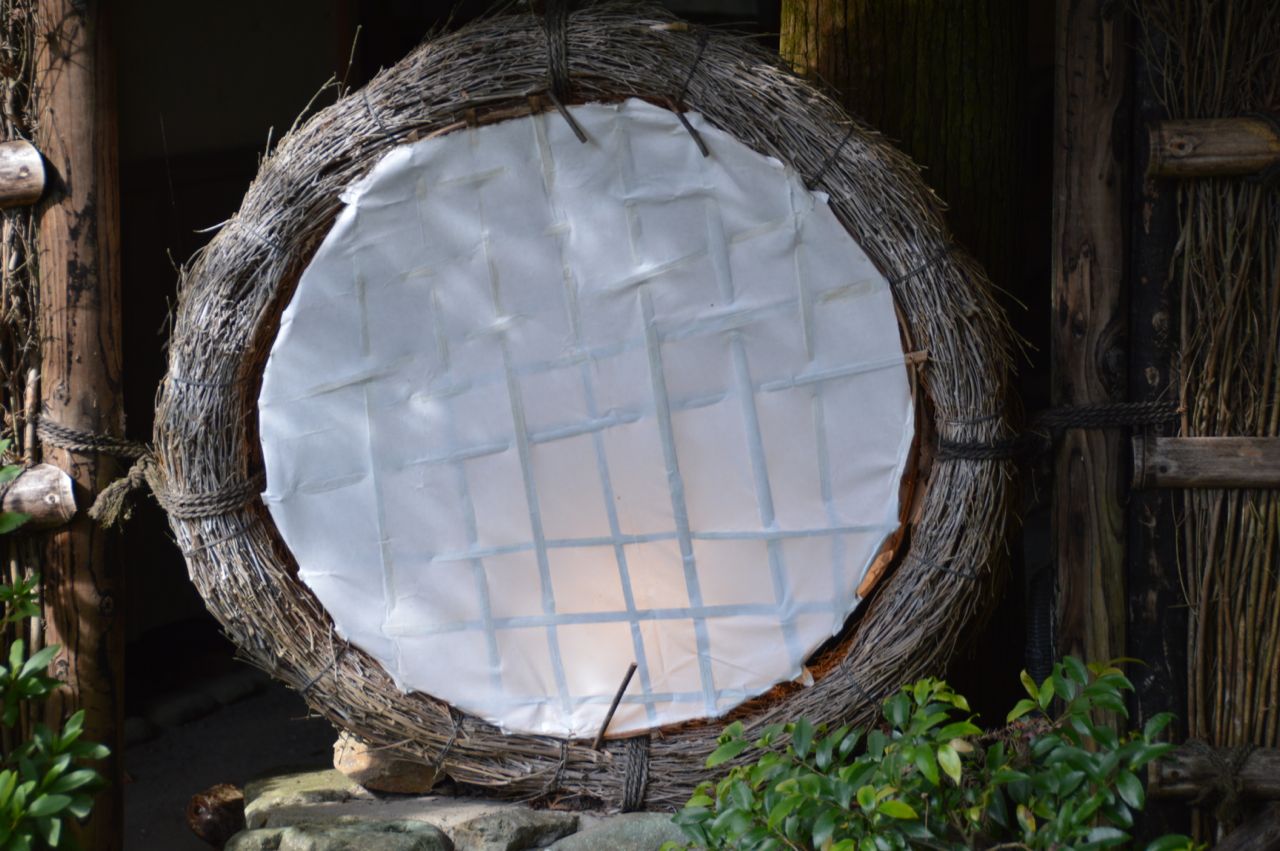
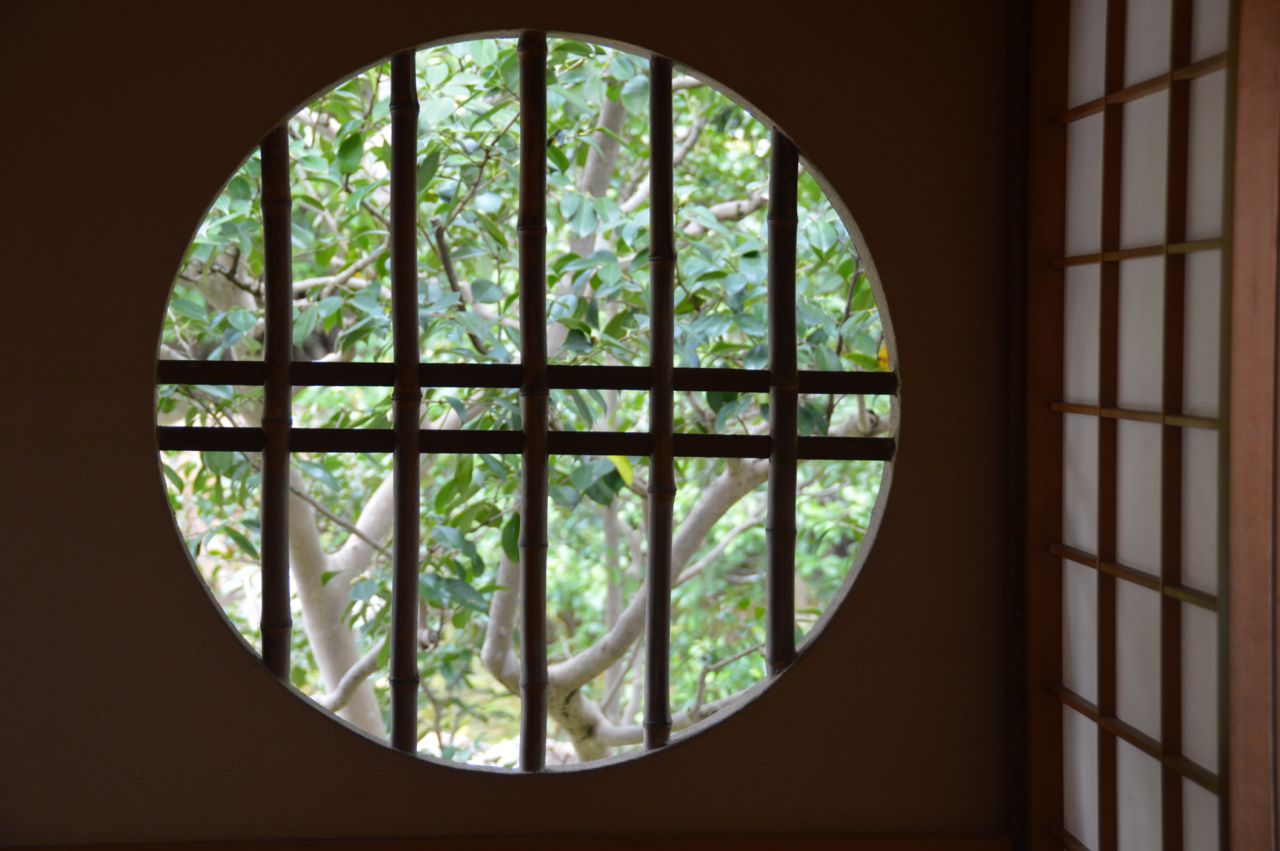
What are your favourite windows?
What does the world look like through your window?
Posted in books, from the living room, from the reading room, life, personal growth, psychology on June 14, 2013| 5 Comments »
I read Montaigne’s essay yesterday about “Liars” and it made me laugh out loud. I really enjoy Montaigne’s humility. It seems to me that he frequently wrote with a twinkle in his eye. In this essay he refers to his claim that he as a terrible memory. He says that others consider that an affliction of sorts, but he thinks it has advantages.
Firstly, he says that having a poor memory has saved him from being an ambitious person – “the defect being intolerable in those who take upon them public affairs”.
Secondly, he says it has saved him from deafening all his friends with his “babble”
I have observed in several of my intimate friends, who as their memories supply them with an entire and full view of things, begin their narrative so far back, and crowd it with so many impertinent circumstances, that though the story be good in itself, they make a shift to spoil it…for whilst they are seeking out a handsome period to conclude with, they go on at random, struggling about upon impertinent trivialities, as men staggering on weak legs.
…..old men who retain the memory of things past, and forget how often they have told them, are dangerous company; and I have known stories from the mouth of a man of very great quality, otherwise very pleasant in themselves, become very wearisome by being repeated a hundred times over and over again to the same people.
Thirdly, he says he is less likely to remember the injuries he has received (and therefore doesn’t hold grudges)
Fourthly….
the places which I revisit, and the books I read over again, still smile upon me with fresh novelty.
And, finally, (getting to the title of the essay) he says that it has saved him from being a liar, because liars always forget the details of their lies and trip themselves up. Knowing he has a bad memory means he doesn’t trust himself to lie!
Posted in from the dark room, from the living room, photography, science on June 12, 2013| 2 Comments »

What a beautiful shape! Here is one stem of a fern unfurling, unfolding, becoming. If I came back next week and photographed this exact fern, it would look very different. If I could take a photo every few minutes and view it as stop motion video it wouldn’t look so still. We would see it was constantly moving, restless, stretching, curling and uncurling, spreading its leaves in the sun.
This single fern is a wonderful example of how, if we want to really know an individual, we have to follow them through their unfolding. Single moments, isolated snapshots of existence only hint at the complexity, the movement, the development which is at the heart of all Life.
Becoming, not being…….
Posted in creativity, from the dark room, from the living room, personal growth, photography on June 11, 2013| Leave a Comment »

A little white feather, caught in grass which has pushed up through the Tarmac.
i’m sure you’ve seen LOTS like this before, but, wait a minute. Don’t rush. Take a look at it. It’s beautiful. It’s delicate. It’s strong. And it’s complex. What an amazing structure.
The way my mind works I look at this and I think about becoming……..how does a bird make this structure? How can one cell, fertilised by one other cell, double and double in numbers, then differentiate so that some cells become eyes, some become brain cells, some become legs and some produce feathers. And all in just the right places. I was entranced by my embryology lessons at university and this incredible process still fills me with wonder and awe.
And I think about how the first feathers appeared on the Earth. Were there many stages of almost-feather which eventually become feathers? Did they appear suddenly? One day there were no feathers on Earth, then the next day, there they were?
And then I come back to this particular feather. Where is the bird which grew this feather? Is it a swan? A seagull? Does it live around here?
And. Then I remember that Paulo Coelho, the author, says he starts to write a new book only after he finds a white feather, and I wonder which bird, therefore, created The Alchemist!?


