Feeds:
Posts
Comments

The floating world?

From the island


There’s something special about islands.

Looking back over the water to the land you’re just leaving……

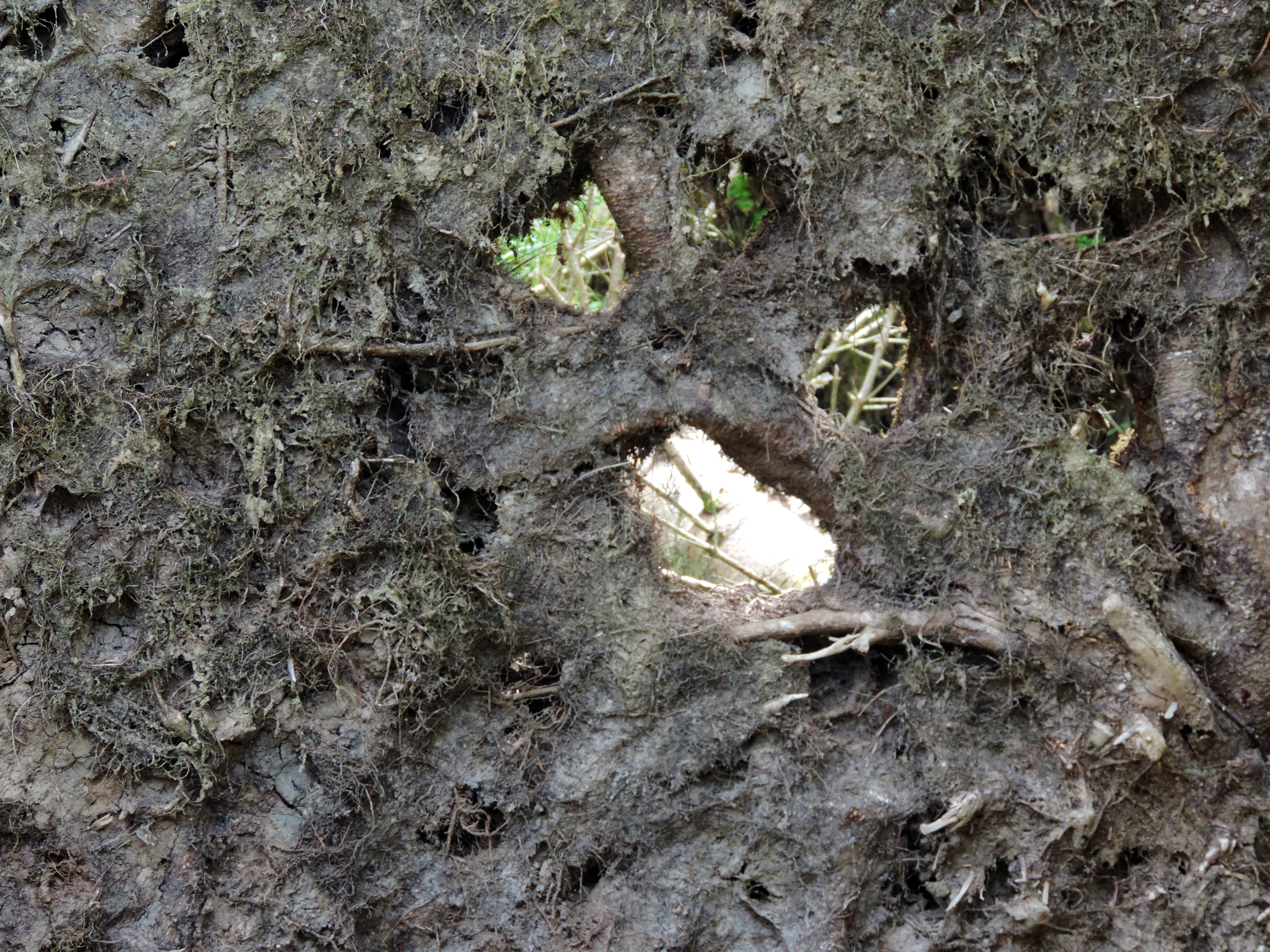
What’s this?

DSCN2157

What’s this? What are you looking at here? What do you see?

Sometimes we just see a part of the world from a different angle, an unusual perspective. Then when you take a photo and look at it later, you see something even more different from when you were actually there – in this case, what strikes me when I look at this photo is how there seems to be a face there – but I didn’t notice that at the time.

In my 12 monthly themes, August is the month of travel

Navigation

So, where are you going to travel to this month? Have you any trips booked? Are you going somewhere you’ve never been before, or returning to a familiar favourite destination?

Or, if you aren’t going to travel this month, can I make two suggestions?

Either make this the month to chart a new direction – set your compass on a new goal, or goals, and begin to lay out your course to get there.

Or try the 30 minute discovery challenge. (You’ll be surprised how much there is to “get away” to nearby)


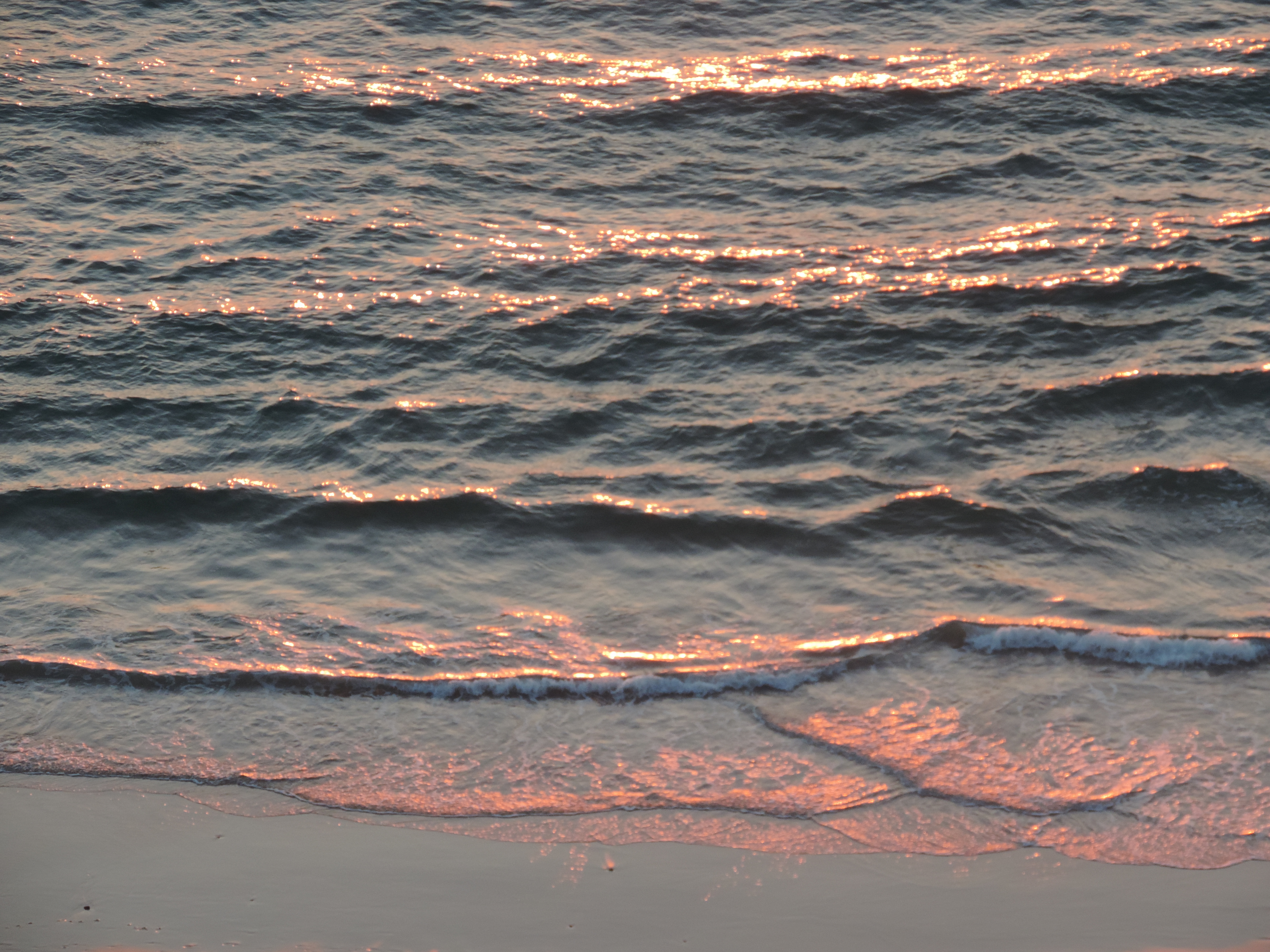
DSCN2119

Breathing is something we do automatically. We don’t have to remember to breathe out every time we breathe in. But we can deliberately influence our breathing rhythms, choosing now to inhale, now to exhale.

When we exhale, we stimulate the parasympathetic autonomic nervous system, and one of the things that does is calm us down. The parasympathetic nervous system slows the heart, and is a very deep, very basic part of our survival behaviour. You’ll be familiar with “fight or flight”? That’s the sympathetic nervous system at work – preparing us to hit or run when under threat. We feel pretty “wired” when the sympathetic nervous system kicks in – heart racing, fast breathing, adrenaline pumping. The parasympathetic nervous system has a complementary function – it is part of what creates a “rest and digest” response.

When we exhale, we stimulate this system and induce the “rest and digest” response.

Do it now.

Fill your lungs, then slowly, slowly, breathe out, taking your time to completely empty your lungs. Now do it another couple of times. Just three exhalations like this will stimulate your “rest and digest” response.

One of the things I love to when I am beside the sea is to breathe in time with the breaking waves on the sand. It seems to me that every rush of the surf up the beach is like the ocean breathing out. It’s the sea exhaling. Sometimes that rhythm is even and calming and tuning in your breath to the ocean by timing your exhaling to match the exhaling of the sea can not only induce the “rest and digest” response, but creates a deep sense of being at One with the Earth.


Book sharing

I’ve seen a few different varieties of book sharing around – the most well known is probably “book crossing“.

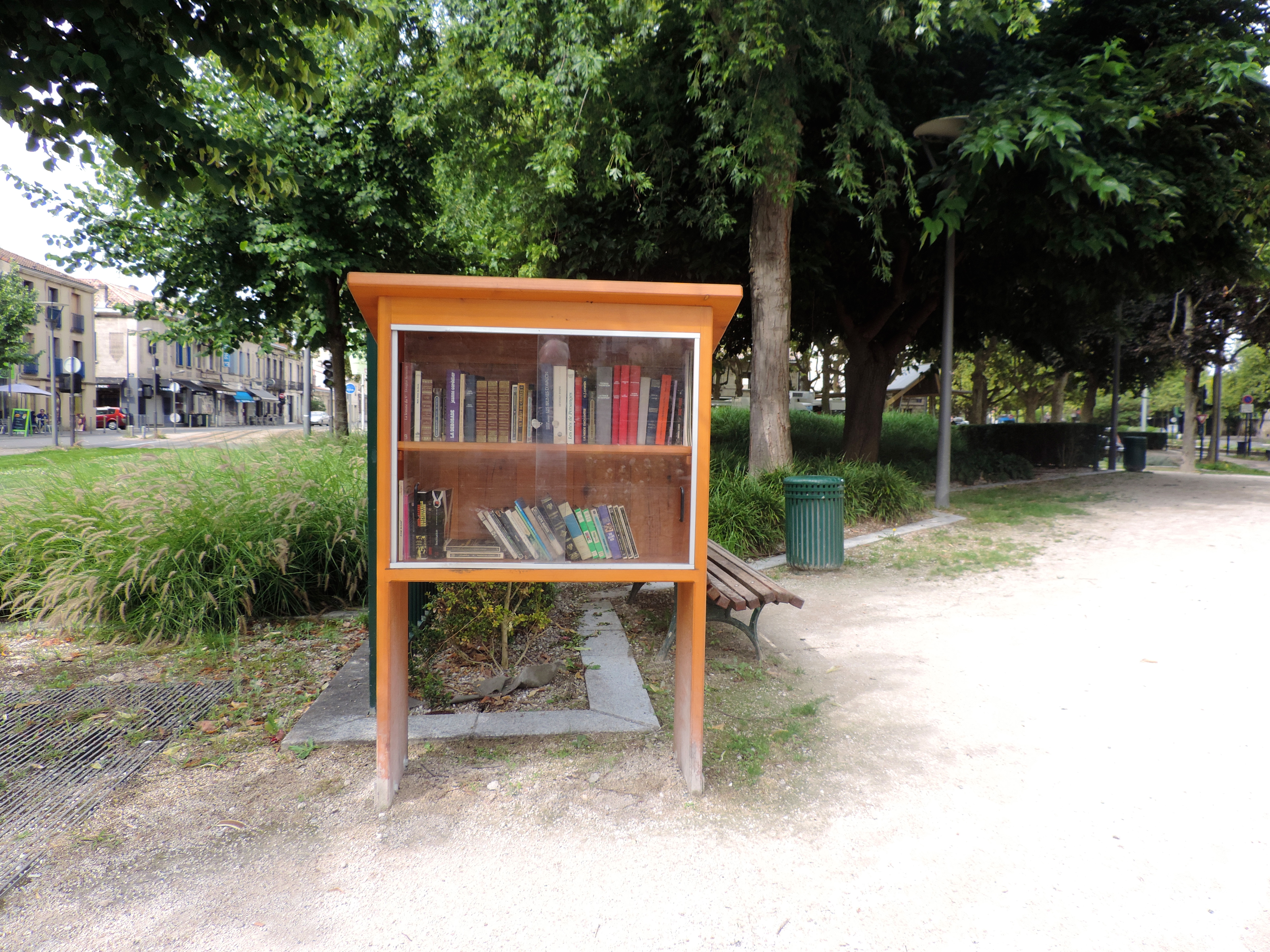
In Bordeaux, right next to one of the tram stops, I found this bookcase –

book sharing

….no instructions, no locks, just some books in a bookcase with sliding glass doors.

I wonder how long its been there. I’m amazed that such a piece of furniture can apparently sit quite happily in the middle of a city. And I wonder how often the books change hands?

Have you come across any interesting book sharing platforms or facilities?

By the way, in the hot e-books versus paper books debate, surely one of the best arguments for paper books is how you can pass them on to other people after you’ve read them (Did you realise that you only rent an e-book? You never own it the way you do a paper one)


DSCN1908


DSCN1865


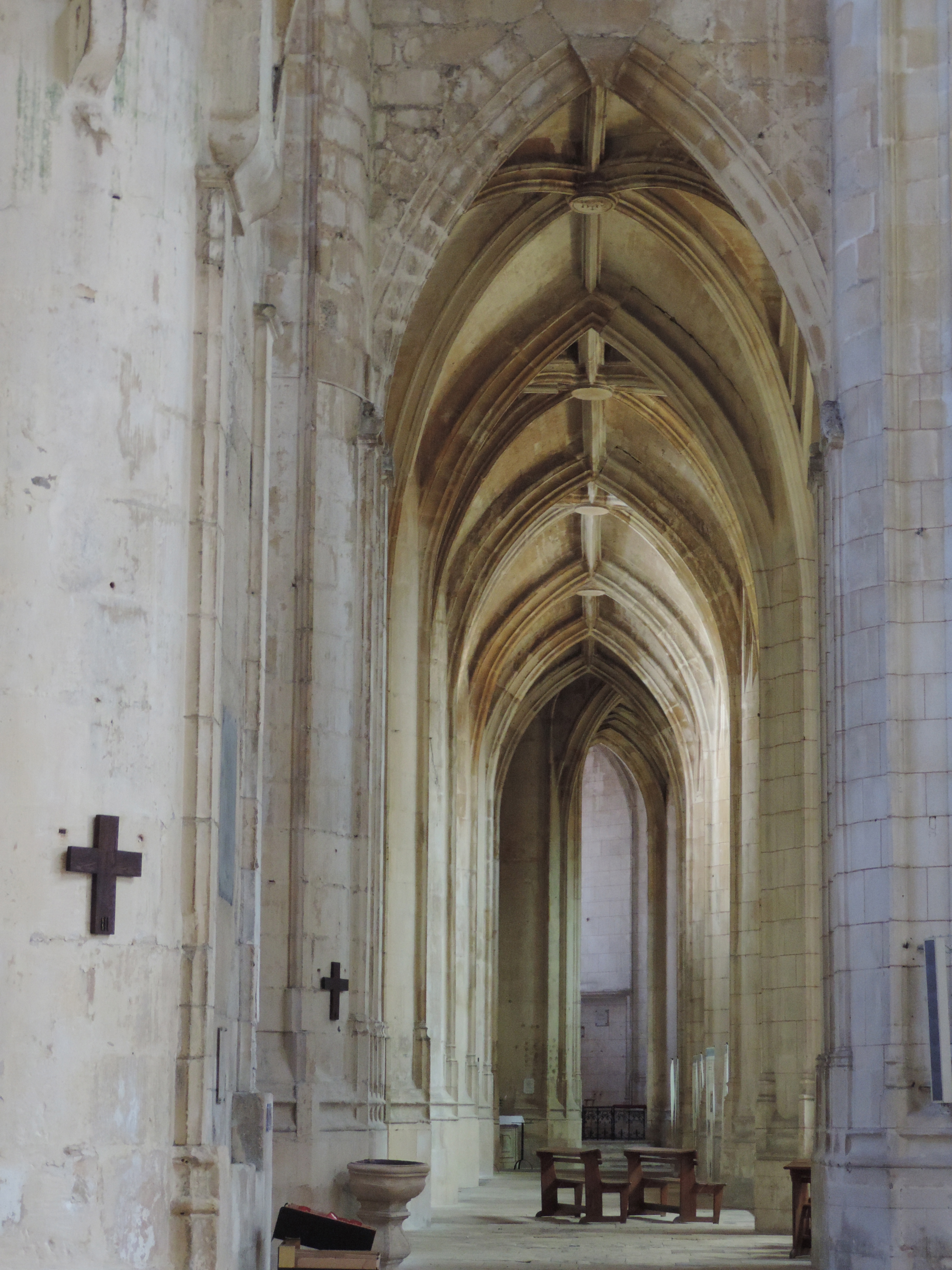
Here are two buildings I visited recently in France. The first is a church and the second is a castle.

In both cases I was struck by the beauty of the arched ceilings and looking at them both together I here I see how different they are and remember how different it felt to be inside each of these buildings.

How do you think the physical space created by the building you are in affects what you feel?

Just read “The Fault in Our Stars” by John Green. A good read. As the endorsement from Markus Zusak said on the front “You laugh, you cry, and then you come back for more”.

I liked the humour and the constant determination of the main characters to say it like it is. It reminded me of some of the indie movies I’ve seen (I haven’t seen the movie version of this book). It’s a thought provoking book too.

I particularly enjoy it when a phrase or a paragraph in a novel leaps up and strikes me. Here’s one of the ones from “The Fault in Our Stars”. Hazel’s dad is talking about what he believes and recounts the story of his maths teacher talking about Fourier transforms, when she stops and says

‘Sometimes it seems the universe wants to be noticed.’
“That’s what I believe. I believe the universe wants to be noticed. I think the universe is improbably biased toward consciousness, that it rewards intelligence in part because the universe enjoys its elegance being observed.”

That works for me.

I have that belief too. It fits with Thomas Berry’s “moments of grace

Sometimes it seems the universe wants to be noticed.

Not controlled. Noticed.

(and I think we do too, but that’s another story)

OK, I’m going to take a guess….you love books, huh? I’m not going to ask you if you prefer e-books to physical books, or vice versa, but two things recently got me thinking about book buying.

First up was the unexpected discovery of “bouquinistes” in Niort (I’ve only ever encountered this selling books from wooden boxes fastened to the wall at a the side of a river in Paris….didn’t know it happened anywhere else)

DSCN1741


DSCN1742


And the second was reading a fabulous essay by Gustavo Faverón Patriau about reading Borges and buying books. (Click through that link there, and read it, it is a treat)

He talks in that essay of buying books from a street of second hand booksellers in Lima and here’s the point he makes about buying the same books later in the US –

During these years, in Ithaca, New York and Brunswick, Maine, where I live now, I have bought once again many of the books I bought in those remote years, in different versions and editions, books that arrive by mail from unknown bookstores that I suspect do not exist, in parts of the country I have never been to, with yellow “used” stickers, impersonal, books that no human hand puts in mine, books without a context, that seem to materialize at my door. I read them and remember the first time I read them, how they impressed me, and I think of how, in my new copies, they seem to be different books, with different meanings. Now they tell me other things, or they do not tell me anything at all, certainly not what they told me then. The words seem weaker, immaterial, vague, powerless. What a contrast compared with the thrill they provoked in me when I saw those words in the yellow pages of the volumes I bought on Grau Avenue, in the second-hand copies I used to start reading while walking down the street or climbing on the bus, books that, later, when I placed them in my bookshelves at home, used to retain the smell of the street.

Have you ever had an experience like that?

Do you think that where you actually bought a book influences your reading experience of that book?

A recent study from the US has found that most people rate the doctor’s personality and the quality of their relationship with him or her as most important when choosing a doctor.

when asked what they thought was the most important factor in a “high quality doctor,” most people cited factors related to the doctor’s personality and the quality of the doctor-patient relationship, such as whether a doctor is attentive or caring or has a good bedside manner

Does this surprise you?

It doesn’t surprise me.

I think far too little weight is given to the human factors in health care – who the person is – both the individual, unique patient, and the individual, unique doctor.

Not only is every human being unique, but every relationship is unique and I learned early in my career that each partner in a GP Practice would attract a distinct cohort of patients. In fact, we noted that we could all tell exactly who was on holiday from the particular patients who came to see us in our colleague’s absence. There just is no such thing as any one doctor being the “best” doctor for every single patient.

Whilst the statistics-fanatics seem to prefer numbers and think numbers can be applied across the board as if human uniqueness didn’t exist, in the real world, human beings make choices in human ways (not computer/robot ways)

When it comes to competences, then all doctors should do their best to develop their skills and their knowledge continuously. That’s what good, reflective practice is about. Personalised feedback would certainly be useful, but reporting should be done according to the priorities which patients AND colleagues set – and that would include the relationship skills as well as competences in techniques.

Big rock beach

I noticed this huge rock on a beach recently (OK, I agree, how could you NOT notice it!?)

I suppose I was a little surprised that some people had chosen to sit right in front of it……were they hoping to shelter from the wind? Or were they seeking some shade from the sun? Or, maybe, just maybe, they were working up to having a go at shoving it out of the way?

I’m guessing a LOT of people have wondered about moving that rock. I mean, there it is, sitting RIGHT in the middle of beach! So, why hasn’t anybody done it yet?

Then I got the answer – it’s down to “structured procrastination” –  as John Perry describes it –

All procrastinators put off things they have to do. Structured procrastination is the art of making this bad trait work for you. The key idea is that procrastinating does not mean doing absolutely nothing. Procrastinators seldom do absolutely nothing; they do marginally useful things, like gardening or sharpening pencils or making a diagram of how they will reorganize their files when they get around to it.

So maybe the people sitting on the beach there are doing some marginally useful things instead – like increasing their vitamin D levels by sitting in the sunshine, or measuring the temperature to check for global warming, or counting seagulls to for an RSPB environmental monitoring project, or……..

Or maybe this is not about procrastination at all, maybe it’s about being fully paid up members of the slow movement, like Christopher Richards, the founder of the International Institute for Not Doing Much (Christopher, thanks for sending me an email a few years back, I think my reply might be heading your way soon).

What an inspiration for slowness……..watching a rock change!

Hope you’re able to enjoy a nice slow holiday this summer (and if you haven’t figured out how to use structured procrastination to actually book that holiday up yet, check out John Perry’s book, “The Art of Procrastination” – just make sure you’ve got “Buy with 1-click” switched on)