Feeds:
Posts
Comments

Archive for the ‘Uncategorized’ Category

Power of uniqueness

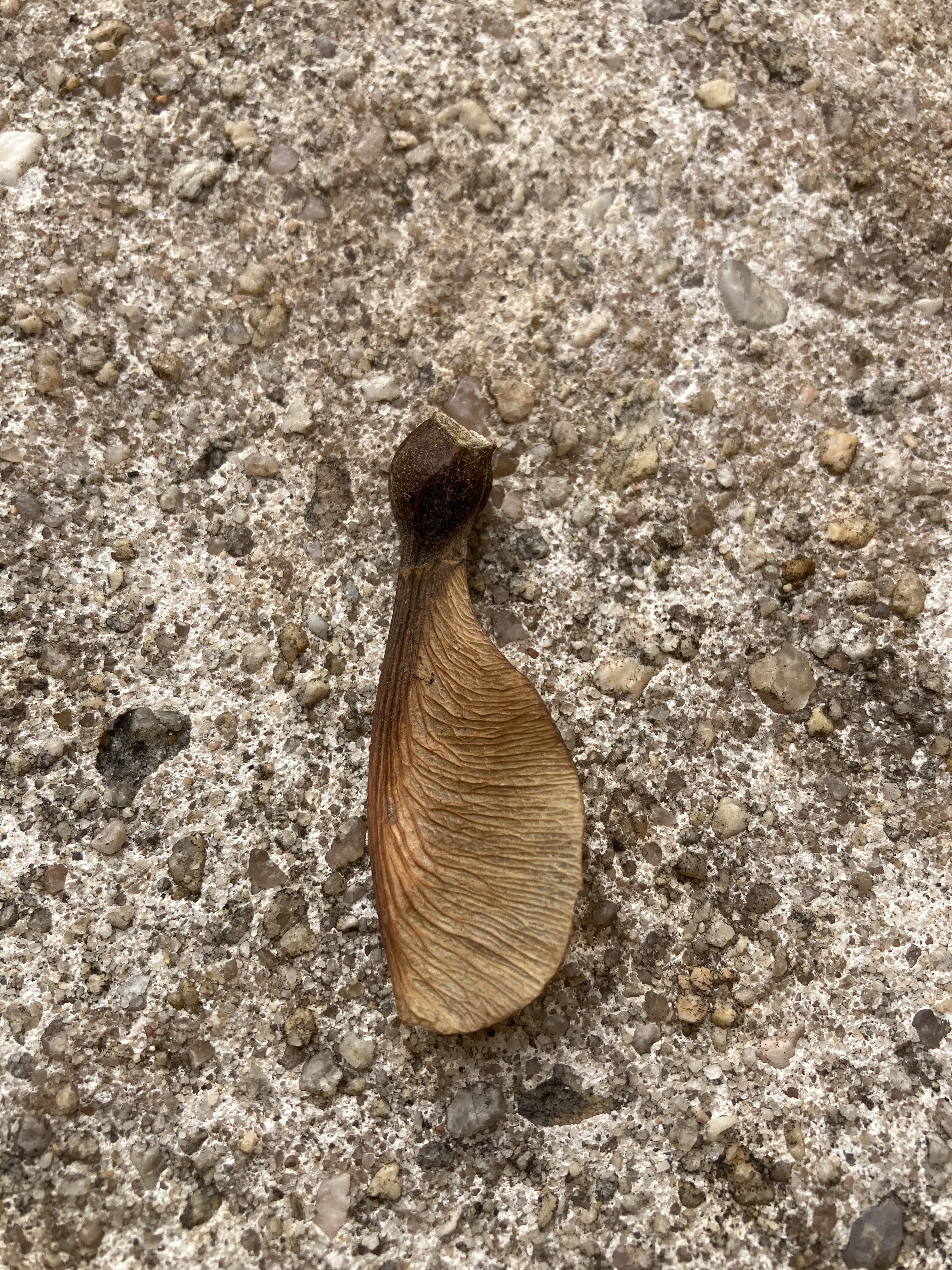
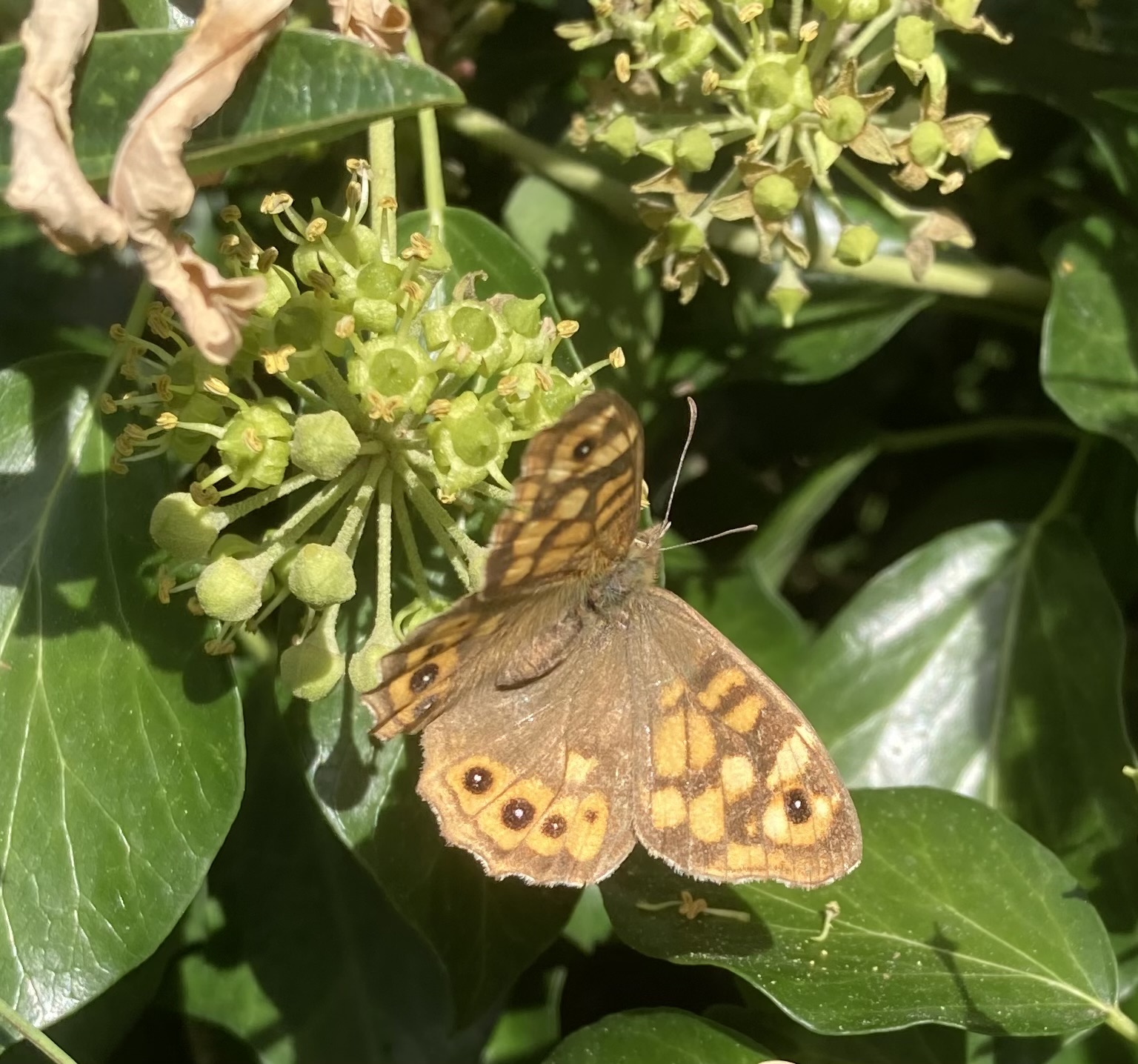
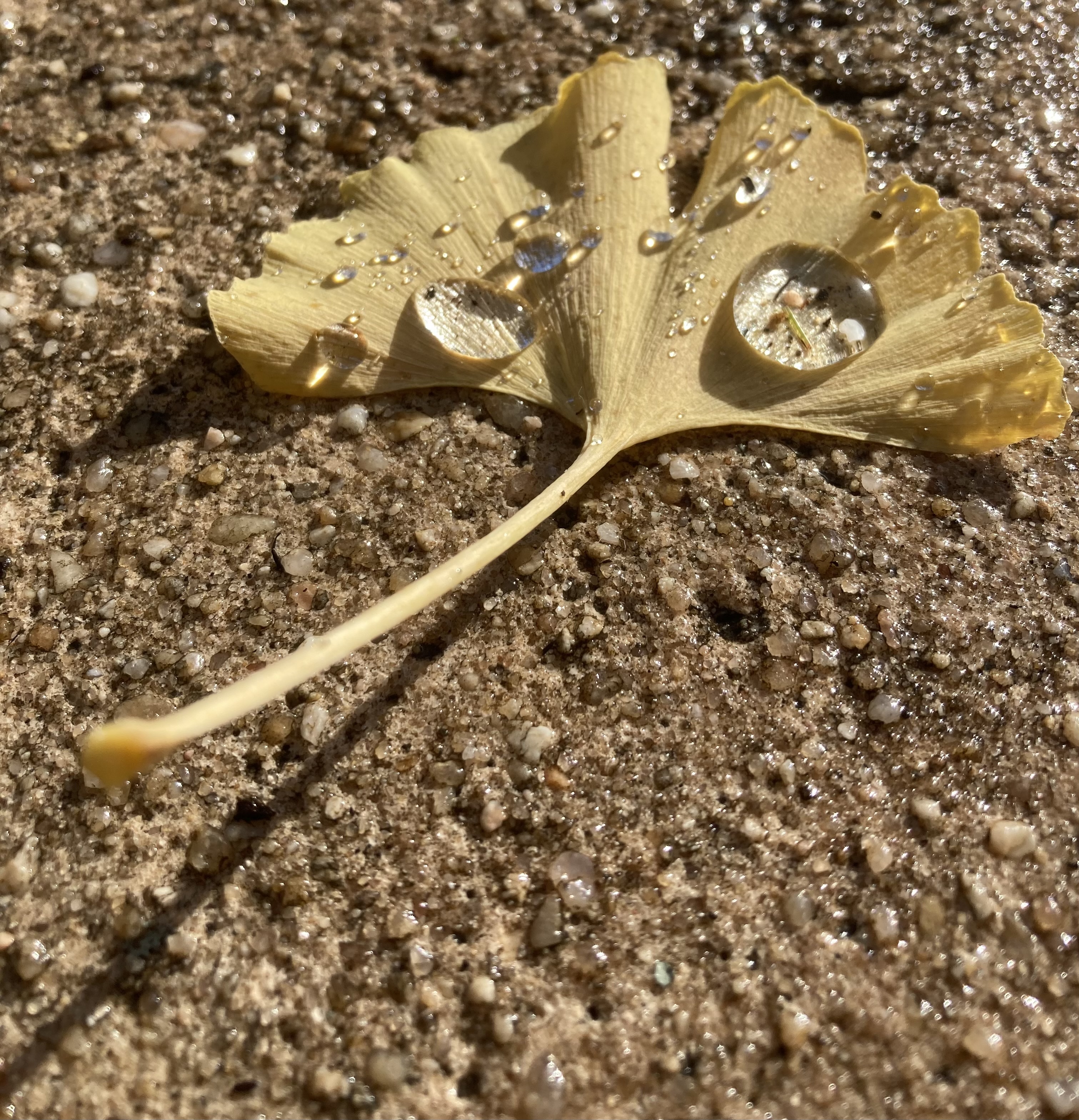
I find many trees beautiful. Some have especially lovely leaves which are so distinct in shape and colour that it’s easy to spot and recognise them. But what I find more powerful than just noticing and naming a tree, is to focus in on an individual leaf and take the time to really see it. There are no two leaves which are completely identical. Their uniqueness emerges as we consider their exact location at a particular time on a specific tree, or even, when we see a single leaf lying on the ground after a shower of rain.

The uniqueness of the leaf doesn’t lie in its “essence”, or even its particular shape, size and colour, but in its contexts and its relationships…….the tree on which it grew, the place where that tree grew, the season, the day and the time we noticed it, and took a moment to photograph it, the place the seed from which the tree grew came from, the person, or creature which carried the seed to this specific place, planted it, nurtured it, looked after it……and so on……

It’s the same for each of us. Every single one of us is unique. Over four decades of work as a doctor engaging with patient after patient individually, I never encountered two identical patients with two identical stories. Everyone had a special, un-repeatable, un-copiable (is that a real word??), presence. There was, and there remains, something incredibly special, even magical about uniqueness….perhaps not least because it can never be completely known.

There’s great beauty in uniqueness. There’s something “enchanting” about it. Not least because it’s the gateway through which we pass to encounter the “real”……all generalisations blind us to reality. They reduce complex individuality to features, characteristics or measurements. Labelling, judging and categorising extinguishes uniqueness and turns the beauty and wonder of diversity into something bland, soulless, and inhuman.

My life experience is that an awareness of uniqueness, and a desire to explore it and understand it, leads to a richer, deeper, more satisfying life.

Read Full Post »

Silver linings

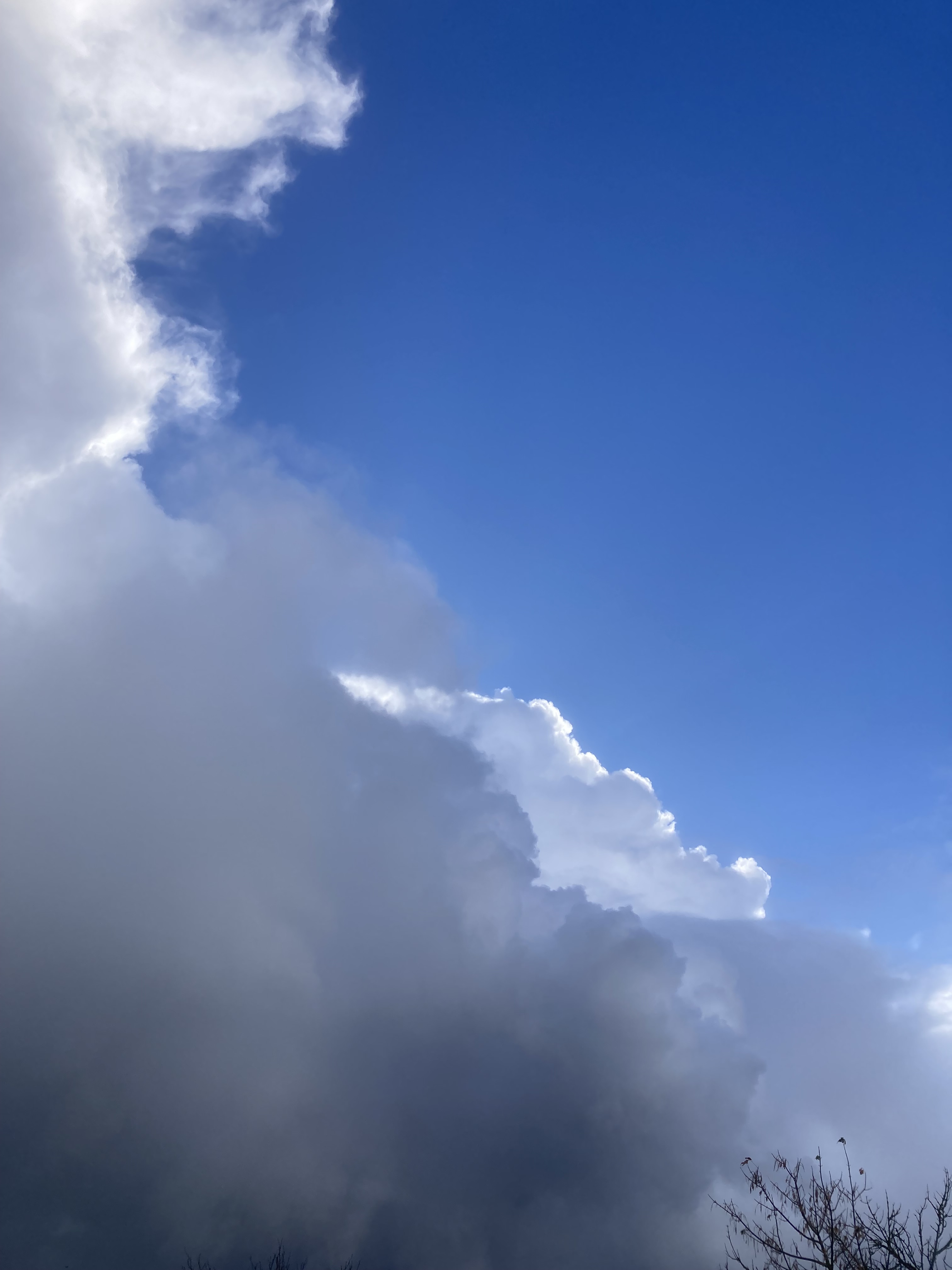
Silver linings – even behind the darkest storm clouds we can see sunlit fluffy white ones ready to emerge. When I look at this image I realise you can approach it two ways, partly because it’s a snapshot. You can see a white cloud in the process of being obscured by a black stormy one, or you can see a black stormy cloud moving away to reveal a white one. But it’s not just the lack of time context which allows us to approach this image in two ways. We can apply the same old glass half full, half empty adage. If you are of an optimistic disposition you’ll probably be tempted to see this as an image of the end of a storm. On the other hand, if you’re rather more pessimistic, or fearful, then you’ll see this as a storm approaching.

Pretty much the same thing happens all the way through the average day, doesn’t it? Don’t you know some people whose stories are full of mishaps and “bad luck”? And others who seem to land on their feet in every circumstance. Why is that?

Well, again, you can’t really know without context. When someone has suffered a lot of trauma in the past, it’s easy to understand why they might be fearful, and wary. And when someone is currently in difficult circumstances…..poverty, poor housing, surrounded by violence, even war, it’s not difficult to understand they will have trouble seeing the positive potentials in each day.

However, as ever, it’s not black and white. Psychologists who study happiness can find high levels of positive thought and happiness amongst very poor populations, although they also find that being extremely rich and famous is no guarantee of happiness either.

It’s not fixed either. If circumstances are changed that can help a lot….one of the best arguments for “Universal Basic Income”. We can choose, as a society, to create healthy, affirming and supportive environments for children to grow up in. We can, and should, expect politicians to look after the Commons, to tend to the water, the air, the soil, to the food supply and so on. That would be a good start, don’t you think?

Read Full Post »

Rhythms

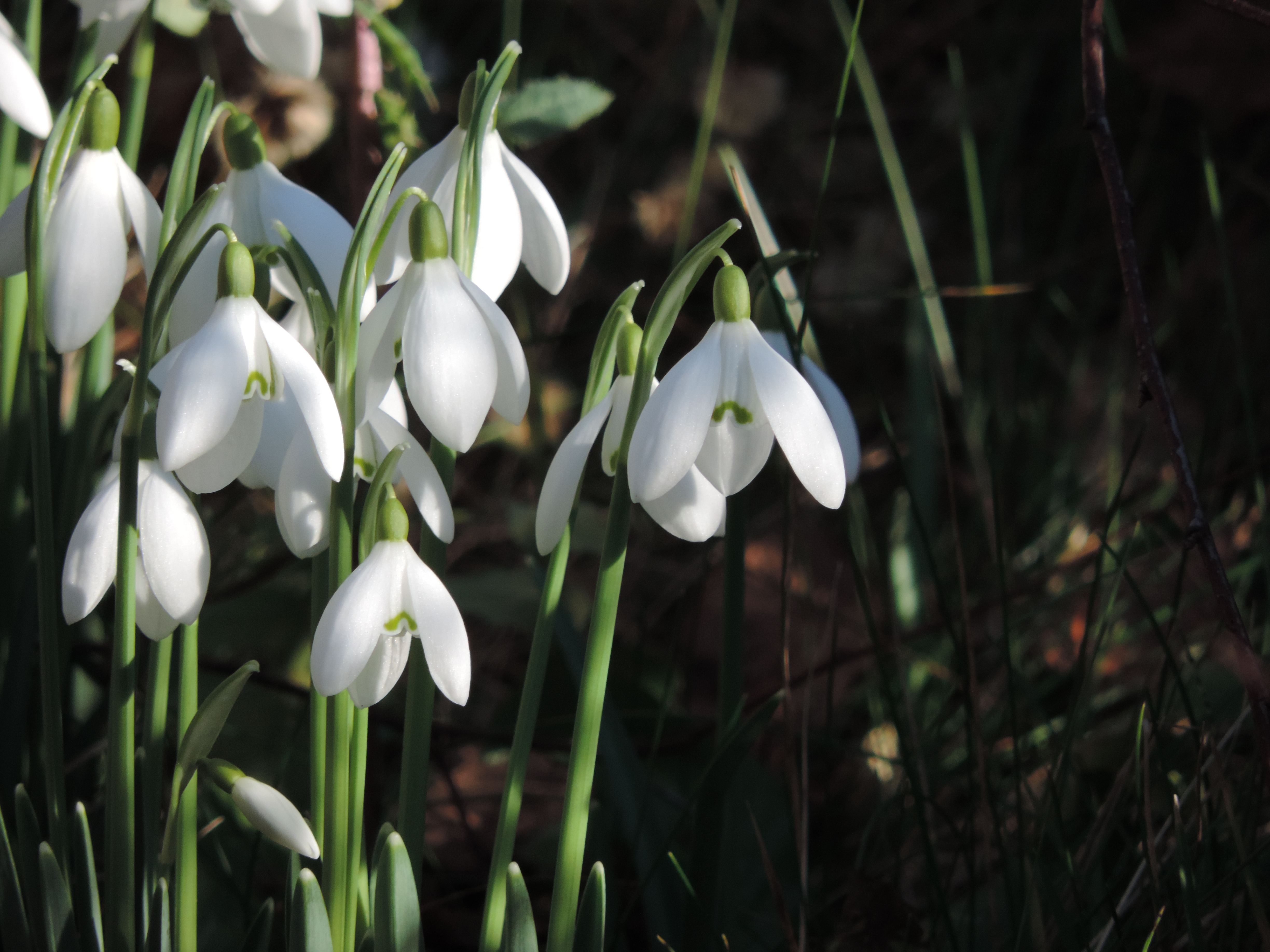
It’s the time of year where flowers are beginning to appear in the garden here. Not least the snowdrops which always make me think that we are on the cusp of the end of Winter and the beginning of Spring. The cycle of the seasons is the best evidence that Life isn’t linear. It loops, and spirals and circles and returns. I love that feeling of a rhythm over the year.

I know that many people think seasons don’t seem as distinct as they were in the past, but I’m not sure if that’s just a feeling we get when it’s not a nice day in summer, or when it feels unusually warm in the winter. However, yesterday’s news including warning of exceptionally high levels of pollen throughout the south west of France. Apparently some blossoms are a couple of months earlier than usual.

There’s no doubt the Earth’s climate is changing, and these disruptions to our familiar cycles are one of the alert signals. We still have these patterns of sprouting, flourishing, fruition and sleep, but maybe they are all shifting, maybe the balance between them has changed. Nature has astonishing powers of adaptation and I’m sure that’s happening already in the plant world, and even amongst many birds, insects and other creatures. Maybe we humans are late to the party. We certainly seem reluctant to change our habits and our lifestyles to respond to the changes in the climate (which are of our making, at least in part)

The underlying lesson I take from this though is that rhythms are important to us. We should learn to recognise them and to live according to them. They aren’t rigid, however, and we should be prepared to adjust to stay in tune with the rest of the planet.

Read Full Post »

I love sculptures which have been placed outside. One of my favourite museums in the world is the Rodin Museum in Paris which, as well as having several rooms filled with his artworks, has a beautiful garden with many of his sculptures in it. I especially like to walk through the gardens and take my time with each piece.

This photo isn’t from there, however. It’s from a garden in South Africa. I’m afraid I don’t know the name of the sculptor but this one, in particular, stopped me in my tracks. It’s a face, but not a complete face. It’s made from strands or threads of metal and isn’t a whole head. The effect is one of emergence. It seems to capture a moment where the face either begins to appear in the world, or, on the other hand, where it is beginning to dissolve back into the garden. It’s impossible to know which.

We humans have many questions. We wonder, why is there something in this universe, and not, nothing? If the universe started with the “Big Bang” and spread rapidly in every direction, why isn’t matter spread evenly throughout? Why does it cluster into stars, planets, and all the physical elements on our planet? How did Life emerge from all the atoms and elements which came together on Earth? And, given that there is a universal tendency towards entropy, why has evolution followed a path of ever increasing complexity. It costs a lot of energy to create and maintain an organism as complex as a human being. And, finally, for today, what is consciousness?

There is a lot to explore there. There’s enough there to create a curriculum of learning and research to last a lifetime. I’ve been re-reading Iain McGilchrist’s “The Matter with Things” recently, focusing on the chapter “Matter and Consciousness”. I think he argues convincingly that consciousness comes first. That it precedes matter, and that matter is a “phase” of consciousness, just as ice, liquid water, and steam are phases of water. I like that perspective. It makes sense to me.

But why should matter, even if it is a phase of consciousness, appear in the universe? One explanation is that it allows the universe to observe itself. Living creatures, with their highly developed consciousness are able to experience the universe, and in so doing, the universe changes from a collection of objects to a community of subjects.

I think of all that as I look at this face emerging from, but staying within, the garden. And that brings me to another thought……that we are all individuals, not parachuted onto this planet, but embedded within it. We appear as a form of Nature, and slowing metamorphose back into it, in the same way as a wave appears on the surface of the ocean, briefly demonstrates unique, identifiable characteristics, then disappears back into the body of water, which it never really left.

Read Full Post »

It was the tree on the brow of the hill which caught my attention. It seems to be standing there all alone. So, at first, it seems an image of separateness. Stand out separateness.

However, when I stop to think about it for a moment, I realise I’m looking at a uniqueness, not a separateness. I mean, this tree didn’t materialise out of the ether. It didn’t pop through from some parallel universe. A seed landed there, either blown in the wind, which blows over all the land, or dropped by a bird, or other animal, passing by, as the whole countryside is alive with creatures, flying, crawling, running over the surface, living, and growing amongst the stones, the bushes and the other plants.

This brought to my mind the reality of how we humans, every one of us, emerges within a matrix of environments, physical, social, cultural and so on. We aren’t parachuted onto this planet. We are made of the exact same atoms and molecules as everything else which exists here, all the products of furnaces and explosions in distant stars. Every one of us is a reconfiguration of matter here on Earth. A temporary reconfiguration, but a unique one.

It’s this apparent paradox which pleases me most – every one of us utterly unique, but wholly connected to all that exists, has existed, and will exist in the future. Being part of the whole doesn’t mean being separate, but, nor does it mean being the same as everything else. This tree is not the same as any other tree on this hillside. Every seed grows in its own unique way, experiences the weather events day by day, which contribute to its shape and ultimate size. There are no two trees which are identical.

And even more so, for we humans, we are all unique, all different, all to be celebrated in our diversity, but remain, wholly, inextricably connected to all else which has, does, and will exist.

Read Full Post »

Cultural adaptation

I’ve visited Copenhagen a number of times, but always in November or December. It’s cold at that time of year. One thing that really strikes me is how every cafe you see has some outdoor seating and on the seats they have blankets for the customers to use to keep them warm.

I don’t see that in France. At least, hardly ever. I’m not sure if it’s still the case, but it used to be that you were more likely to see outdoor heaters blasting over the heads of customers sitting at tables outside in the winter, but, not so much blankets. I don’t remember seeing it in Scotland either, but in Scotland there isn’t such a street cafe culture as there is on mainland Europe.

It seems to me that this is an excellent example of cultural adaptation to weather conditions. There’s that famous old saying that there is no such thing as bad weather, just inadequate clothing. Blankets fall into that category of the right clothing for the weather, even if you only wear them while sitting sipping your street coffee.

But there’s something else about the virtually universal outdoor seating with blankets in Copenhagen. People must really like to be outdoors. I don’t know what the smoking rules are in Denmark, but I’m guessing it’s not just smokers who like to take their coffee outside in all seasons. I admire that desire for fresh air.

And there’s a third thing – beauty – these blankets are often brightly coloured and patterned. They make the seats seem even more inviting, don’t they?

So, three things impress me about this phenomenon – adaptation to weather conditions, a preference for fresh air, and a desire to see beauty. It works!

I wonder how we will adapt to the changes in the climate. Will habits change to be a better fit with the weather? What will we prioritise?

Read Full Post »

Structure and flow

It’s easy to think of water as formless….simply taking the shape of whatever is containing it. But when we look at the ocean we see that mass of water constantly forming structures – waves and channels. It’s just that none of them last for very long.

When I looked at this photo I took of the water in a fountain I was struck by just how varied and complex were the structures on the surface of the water. There are so many different shapes and patterns here, all in existence in the exact same moment.

This, for me, is one of the benefits of photography. Although I was aware of the water splashing and circling around in the fountain as I looked at it, I just didn’t clock the sheer quantity of different structures emerging and disappearing….maybe, not least, because it was all changing so quickly.

There is so much to be gained from slowing down, from pausing, and taking the time to really notice the present moment. Photography can help with that. Especially when it comes to browsing through your photo album at a later date.

Read Full Post »

I like this kind of fountain where the water pools in a bowl, or on a table, and flows gently, but constantly over the edge. It’s common to see this type of structure in Japan, but I’ve seen them in many other countries too.

One of the things I like about this particular photo is how the water in the bowl is blue, green, purple and black, but as it flows over the edge it appears golden, silver and clear. I know that has a lot to do with the colour and structure of the container but that’s the thing with water….it adapts, morphs, according to where it finds itself.

Water is such a strong metaphor for change. It loves to flow. It hates to be stagnant. It loves to change from liquid to gas, sending up into the air both millions of invisible water molecules, and visible mists. It loves to firm up in the deep cold of winter, to become hard and to create spectacular structures from icicles, to snow crystals, to icebergs. Those hard, solid looking structures don’t appear to be flowing, but they don’t remain in any one particular form for long. They too give off molecules into the air, at the same time as they turn to liquid on their surfaces.

Without water there would be no life on Earth. We only have the one water cycle on this planet. We might artificially divide up areas of the world’s oceans and seas and give them names. We might try to claim ownership or rights over patches of water, or the seabed below them. But water knows no boundaries, and water continuously cycles into the air, onto the soil, and runs back down into the oceans again. You can’t keep any of the water separate from all the rest.

We try to keep the water out of our houses, but water goes where it wants to go, and no amount of concrete or sandbags can contain it for long. Are there more floods these last few years? It seems so. At least, here in France, it does. Do we understand that? Do we understand how the water cycle works and why rainfall is increasing? Do we understand how rivers are formed and how they flow? Because if we don’t understand these phenomena well enough, how are we going to live with them?

Coastlines don’t stay the same forever. River banks don’t stay the same for ever. We need to adapt to the changes. King Canute didn’t have the right idea.

Read Full Post »

Pausing to reflect

I’m quite a fan of benches. I’ve got several photos of different benches I’ve come across over the years, usually when they are in a quiet place, under trees, or, facing a wonderful scene, like looking over a valley, off to mountains, or across a lake or the sea.

It’s not that I frequently feel the need to sit down. It’s that a bench is always an invitation to pause.

When I worked as a GP in Edinburgh we had two surgery premises, one in Portobello, and the other up near Cameron Toll. So pretty much every day I’d be driving between the two places, and my favourite way to go was through Holyrood Part. I’d pass a bench at the side of the road. There might be somebody sitting on it, or it might be empty, but, invariably I’d look at it with a sense of longing….thinking, if only I had time to just pull up here, and sit there for a few minutes. Of course, I never did. I was always rushing to get to the next patient, or to start the next clinic.

It’s important to pause. It’s really important to step out of the flood of demands and habits which keep us in a kind of autopilot through the average day. And the best way to do that is just stop. Just stop for a bit. You don’t have to learn to meditate, but you can do that in your pause if you want. But what actually helps is to simply interrupt the automatic pilot, stop, observe, reflect and contemplate.

It’s refreshing and it brings you back into the real world of the present moment, away from all the ruminations and hoped for, or feared, anticipations.

Read Full Post »

Ethnobotany

This is Echinacea….maybe one of the best known medicinal plants, with a reputation for helping to boost the immune system. If I ever get a cold or flu, I take Echinacea daily until it’s gone. I don’t remember where I read it, but back when I was a GP I remember reading a few studies which seemed to show that taking Echinacea during viral illnesses could be associated with less severe symptoms and a shorter duration of illness. I’ve adopted the practice ever since.

I have quite a fascination for medicinal plants. There’s something extra special about finding or growing a plant with reputed healing powers. I was pretty excited last year to discover “self heal” suddenly growing all over the garden, and I do like to see plants like Echinacea, Chamomile, and Pulsatilla growing nearby. I even like the poisonous ones with potential powerful pharmacological effects (even though I don’t actually swallow any of them!) – Foxglove (Digitalis), Aconite, Belladonna, and Trumpet flowers (Brugmansia) – although the only ones I’ve managed to grow so far are the foxgloves.

I can’t remember when I first encountered the term, ethnobotany, the study of the place of plants in human lives, but I’ve often thought that, in another life, I’d probably have enjoyed studying ethnobotany at university. One of my favourite books on my bookshelves is “Plants of the Gods”, subtitled “Their Sacred, Healing and Hallucinogenic Powers” by Richard Evans Schultes and Albert Hofmann.

When I learned homeopathy as a young GP it fired up my interest in the potential healing powers of plants many fold, and I still think that’s one of the reasons why I enjoyed learning homeopathy so much. To be able to enjoy the beauty of a plant, to be fascinated with its growth, but in addition to know stories about human beings have interacted with it over the centuries seems, to me, to deepen and expand my enjoyment.

Many years ago I went to an ethnobotany exhibition at Inverleith House in the Royal Botanic Gardens in Edinburgh. In the middle of each room were plant filled stalls laid out like a street market, with explanations about each plant. I remember thinking, how on earth did nomadic tribes discover that one particular plant was good for treating diarrhoea, whilst a different one was great for dyeing your clothes purple? I mean, was it decades of trial and error? How many purple people died from diarrhoea?

That still absolutely fascinates me. How did the tribes in South America discover that a particular tree was good for treating fevers, only for us to discover decades later that it contains quinine, a great malaria treatment? And how interesting that when Samuel Hahnemann read about that in Cullen’s Pharmacopeia, he decided to take some of the tree bark himself, leading him to come up with the idea of “like treats like”, and, hence, the whole therapeutic method of homeopathy?

Read Full Post »

« Newer Posts - Older Posts »