Feeds:
Posts
Comments

Archive for the ‘Uncategorized’ Category

the well

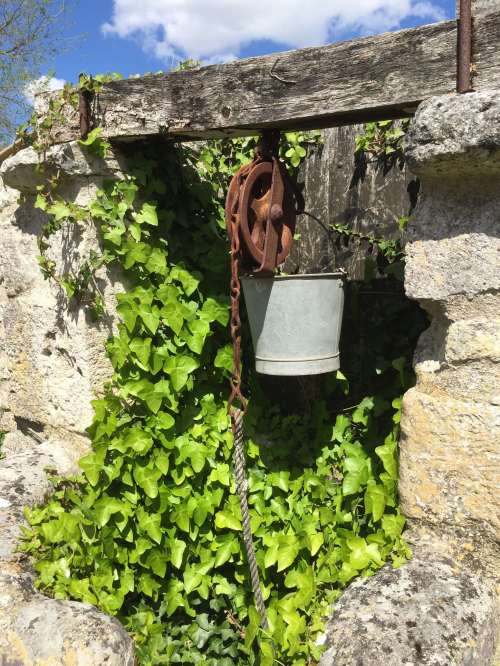
I saw this old well the other day and although the metalwork is rusted and the rope looks dry as dust, clearly there’s water there….just look at that abundance of foliage.

I’ve got an old well in my garden too. It’s a long way down to the water but plants push their way out of the mouth of the well all year around.

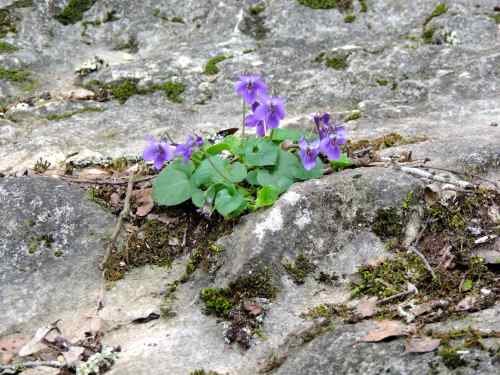
rock plant

Sometimes I think we take plants for granted. Look how they can take root and flourish in the least likely situations. They can spread their seeds far and wide, take root in pretty nutrition-deficient environments, capture carbon and oxygen from the air, soak up the sun’s rays and with a little water added can make themselves big and beautiful.

Human technologies just can’t match them.

Read Full Post »

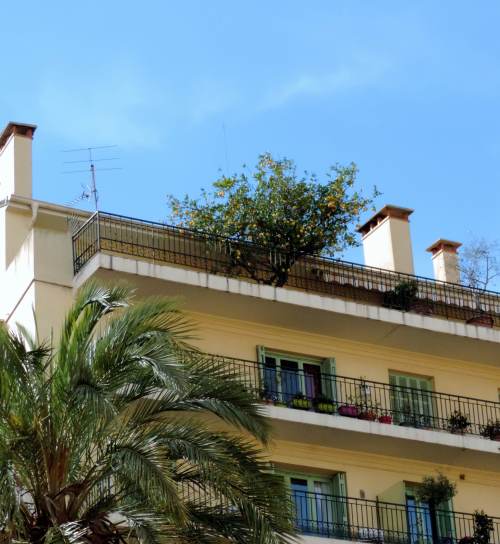
lemon tree balcony

Menton is a town famous for its lemons. As I wandered around I looked up and noticed that somebody in a top floor flat had decided at some point to grow their own.

Wow! Look at that lemon tree! I wonder what size it was when they put the pot on the balcony, and how long its been growing there.

Just goes to show that not having a garden needn’t necessarily prohibit you from enjoying plants.

Read Full Post »

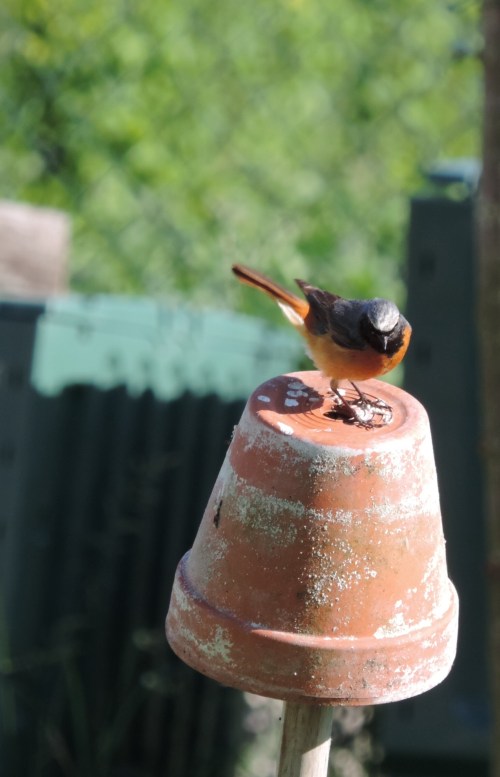
redstart

This little bird is, I believe, a “redstart”. “Start” is an old English word for “tail” and when he flies you can really see the lovely red-ochre colour of his tail feathers. I first noticed him in the garden last summer and he has a very distinctive call. I got quite fond of him so was a little sad when he disappeared in the late autumn.

In turns out that redstarts fly off to Africa for the winter – “sub-sahara but north of the equator” “from Senegal across to Yemen”. He came back on April 1st. I heard him calling so went out into the garden and there he was.

He’s taken to sitting in the tree near my chair when I’m out so I have the impression that he’s at the very least comfortable around me. Maybe he even recognises me? I’m certainly convinced he’s the same redstart who was here last year.

Can you imagine that these little birds fly all the way from the Charente to Africa, crossing the Sahara?  Then he flies back again to arrive back here, in the very same garden. Honestly, I find that totally astonishing. How does he do that? Not just how does he find his way there and back again? But how does he have the energy, the stamina, the sheer ability to fly such a distance?

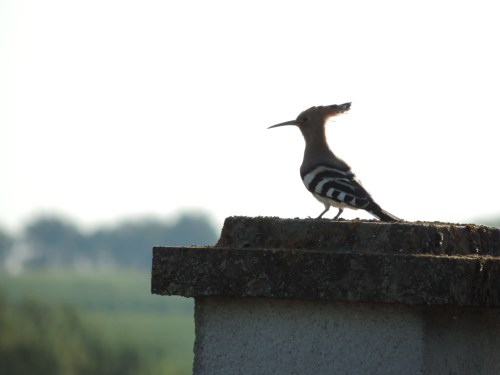
I saw two swallows fly over the roof of the house yesterday. I know “one swallow doesn’t make a summer”, but, hey, there were two of them! Must be a good sign, right? And then, late yesterday afternoon, the first of the returning “hoopoes” made it’s appearance, collecting something from the vine on the wall then flying off flashing his stripes and his fancy hair style! I think he’s been off to Africa for the winter too….

hoopoe

I know one way to be aware of the seasons is by noticing the flowers and trees, but there’s something very pleasing about this rhythm of the birds too.


Read Full Post »

marqueyssac

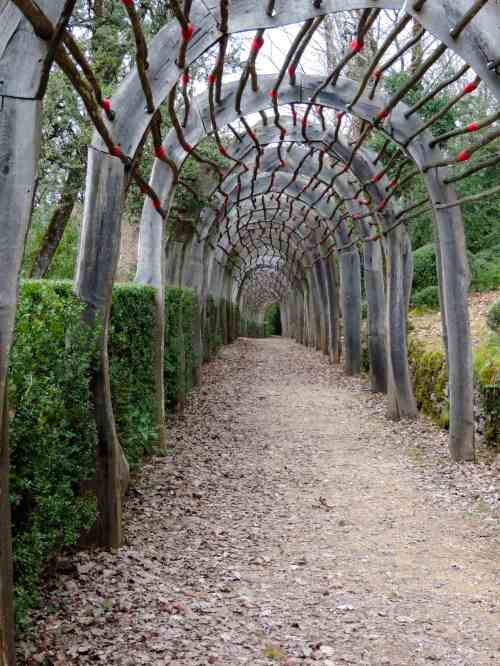
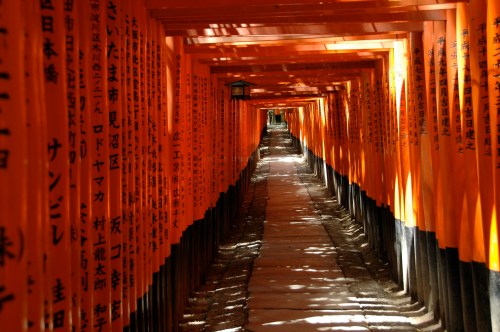
When I stumbled across this arched pathway in Marqueyssac Gardens in the Dordogne in France, I recalled the Fushimi Inari Shrine just outside Kyoto, Japan.

fushimi inari

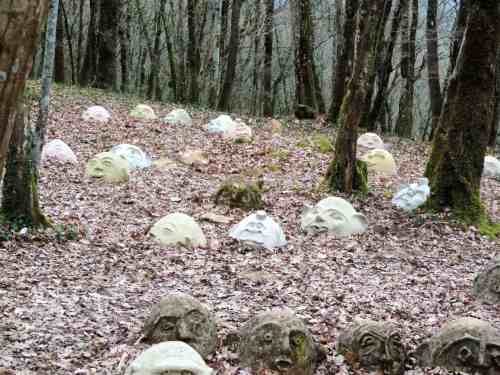
Then in another part of the Marqueyssac Gardens I came across these heads….

heads marqueyssac

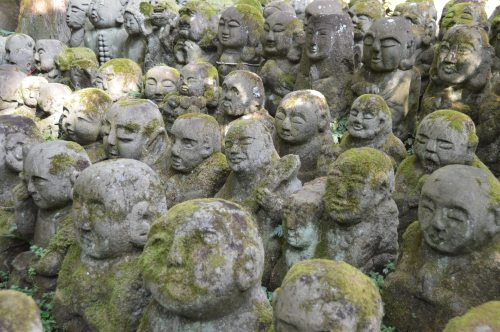
and their quirkiness, humour and installation amongst the trees reminded me of a visit years ago to the Otagi Nenbutsuji Shrine near Arashiyima in Japan.

otagi nenbutsuji arashiyima

Echoes of similarity between East and West but oh, how different!

Read Full Post »

FRANCE CAVE DRAWINGS

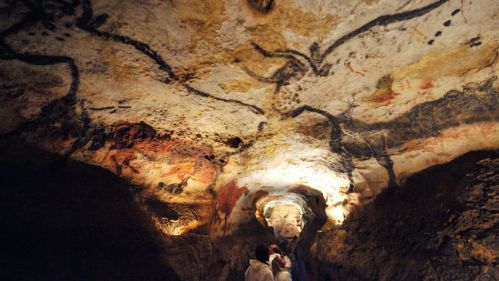
Part of Lascaux famed cave drawings are photographed in southwest France, during a rare visit, Friday, July 25, 2008. Clusters of black fungus have been spreading over the drawings said scientists in 2007. The stains were the latest biological threat to the Lascaux cave drawings, which were discovered in 1940 and are considered one of the finest examples of prehistoric art. Carbon-dating suggests the murals of bulls, felines and other images were created between 15,000 and 17,500 years ago in the caves near Montignac, in the Dordogne region. In 1963, after green algae and other damage appeared, the caves were closed to the public. Only scientists and a few others are allowed to enter at certain times. (AP Photo/Pierre Andrieu, Pool)

I recently visited the Lascaux caves which are about a three hour drive from where I’m living now. I’d heard of them but I hadn’t realised they were as close as this.

You’ll see from that photo above, which isn’t mine, that the incredible wall art in the caves was deteriorating quickly due to the effects of fungi and carbon dioxide brought in by visiting tourists, so the government closed the caves to preserve them and did something astonishing.

They built an exact replica of part of the cave network, faithful down to 5mm, using teams of artists to recreate the artwork using the same kinds of pigments used by the original artists on artificial cave walls.

The caves were discovered in 1940 when a group of boys were exploring a forest. A storm had blown down some trees and one of the fallen trees had opened up a hole in the ground under its roots. Their dog disappeared down the hole so they went after it, quickly realising it was a tunnel into caves. After retrieving their dog, they went back home and got lamps, returning to squeeze along the dark tunnel until it opened up into a cave. Can you imagine how astonished they were when the light from their flames lit up the huge paintings of bulls, bison, cows, horses and deer which covered the walls and ceiling of the cave?

There was a lot more down there than what the boys found in the first cave. The paintings are thought to have been created up to 18,000 years ago and had remained, perfectly preserved, once the cave network was sealed off by the forest.

Lots of questions immediately spring to mind – how did they manage to paint such life-like depictions of animals under the ground in the darkness using just small lamps for light? They covered not only the walls but the ceilings. How did they get up there? They used the contours of the cave walls to make their paintings seem three dimensional. How did they have the imagination and the skill to do that? And WHY? Why did they put so much time and effort into the creation of this fabulous art?

It didn’t take long before the effects of thousands of visitors started to degrade the art work so the government sealed it off and created Lascaux 2, a replica. If you click through on that link you’ll go to an interactive tour of the re-creation.

So, I went down the stone steps with a couple of dozen other visitors and a guide. In the ante-room after the great doors were pulled closed, our eyes adjusted to the low level of light and the guide talked us through the story of the discovery of the Lascaux caves and the creation of Lascaux 2. Then he opened the far doors and we all squeezed down a narrow passageway between rough walls of rock. The passageway opened up into the Hall of the Bulls, so called because of the four, almost life size paintings of bulls which completely cover the ceiling of the cave.

He switched off the lights and lit a cigarette lighter. As the small, single flame cast its faint light up onto the walls and ceiling you could swear the animals were moving. It was quite cold down there and without artificial light it would be pitch dark.

We spend the best part of an hour exploring the cave and hearing about the different paintings.

So, you’re thinking. You just visited a replica? How did that feel?

You know what? It was magical. I thought it might be a bit Disney-like, but it wasn’t. You know what it was like? It was like standing in the middle of an art installation. That’s exactly what the replica is. It’s a work of art designed to communicate to you something of the experience of the artists. And that’s what this replica represents, isn’t it? A work of art. Created by unknown artists almost 18,000 years ago….

So there it is…one work of art, touching the viewer, stirring some kind of feelings which the artists had after they’d been inspired in a similar way by other artists, long gone, who left these astonishing creations.

Here’s my final thought. Isn’t it just wonderful that we humans create art? Not for a sum of money, fame, or some utility, but to…..what? Interpret our world? Interact with our world? Make sense of our world? Express ourselves, just because we can?


Read Full Post »
book exchange

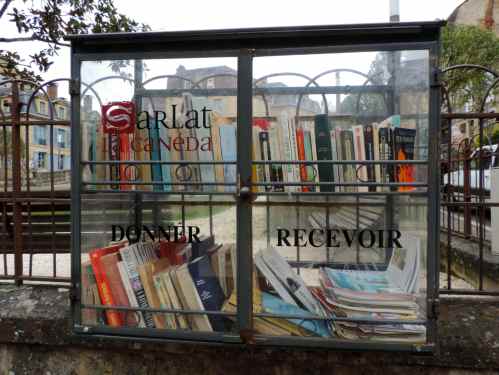
I was in the beautiful village of Sarlat La Canéda recently and stumbled across this glass box in the middle of the town. As you can see, it’s a book exchange. The two words, for those of you who don’t speak French, are “give” and “receive”.

Isn’t that a wonderful idea? Anyone is free to leave any book they’d like to give away, and/or to pick up a book which has been left by someone else.

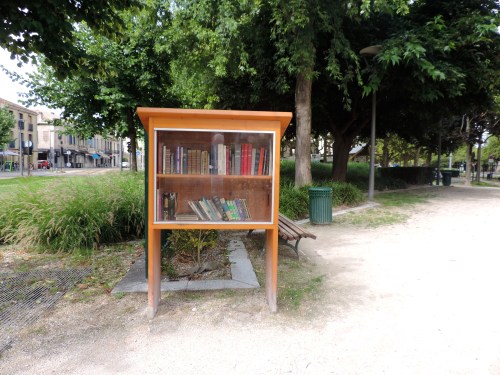
This the second time I’ve come across this idea in France. A few months ago I saw this in Bordeaux, right next to a tram stop….

book sharing

Same idea, but using a wooden case rather than a metal one, and without any words on the glass indicating what it’s for.

What a lovely idea. I tend to hang on to books forever, but maybe if I could let go of any of them, I should pop some into a display like this somewhere….but thing is, most of my books are in English and I live in France now!

Read Full Post »

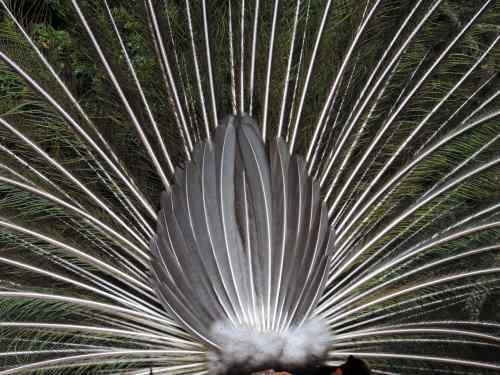
peacock close


peacock full


peacock feathers

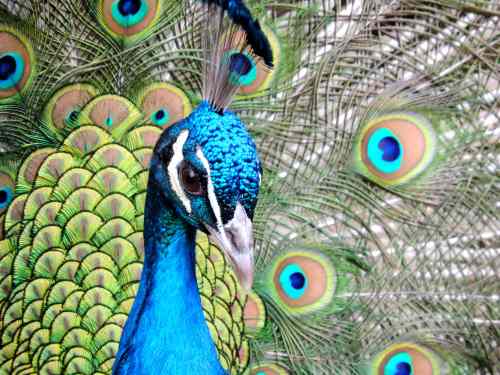
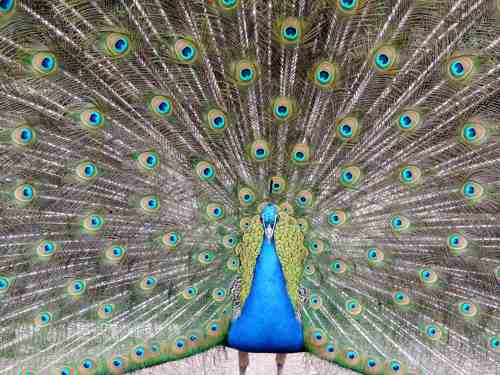
If you’ve got it, flaunt it.

Proud as a peacock.

Interesting phrases, huh? But isn’t it truly beautiful when we fully express our uniqueness? Isn’t it wonderful when we can be really present in the world and share who we are?

I don’t think it’s about flaunting or “strutting proudly”. Those are phrases used to suppress and control.

You are unique.

You are special.

Express yourself.

Share your uniqueness with the world.

I suspect that’s why you’re here.


Read Full Post »

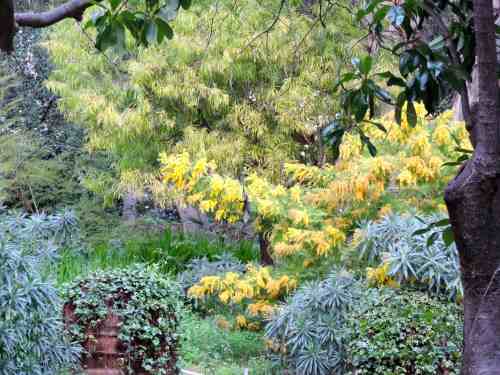
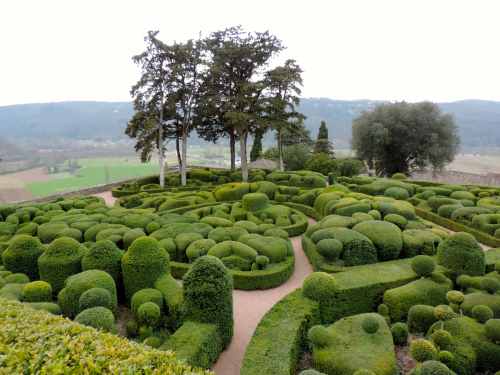
hanburymarqueyssac

Two gardens.

Could they be more different?

The first is the Hanbury Botanic Garden in Ventimiglia, Italy, and the second is Marqueyssac in the Dordogne, France.

Thomas Berry, in The Great Work, describes the two forces of the universe as wildness and discipline. David Wade, in The Crystal and the Dragon, describes them as the moving, flowing principle, and the ordering, or structuring principle. You get the idea? One tends toward expansion and one towards constriction. Empedocles wrote about Neikos and Philia, the forces of repulsion/separation and of attraction/combination.

Our left cerebral hemisphere is great for sorting, labelling, and ordering. The right seeks out the new and makes connections.

There is no right or wrong here. Both forces need each other, like the yin and the yang. As they interact with each other, as we produce integration (the creation of mutually beneficial bonds between well differentiated parts), we create.

These two gardens are examples of this. In the first case, the Hanbury Garden, there is a glorious “far from equilibrium” quality brought about by encouraging diversity and a light touch on control. In the Marqueyssac, constant pruning, trimming and shaping brings this astonishing spread of geometric and repeating forms.

Is one more beautiful than the other?

I suspect each of us have certain preferences…..drawn towards the wildness, or drawn towards the discipline.

Isn’t it great when we can have “and” not “or”? It just requires the will to explore and to stand back and see the view from Sirius.

Read Full Post »

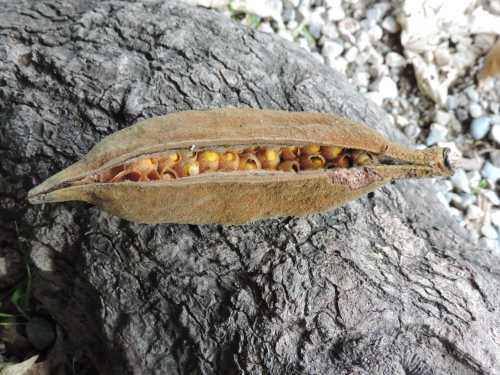
seedpod

When you look at seeds starting to burst out of their pod, you glimpse some possible futures…..but which seed will take root, which will be nurtured, which will thrive?

Don’t think there’s any way of knowing……

Read Full Post »

tree wall

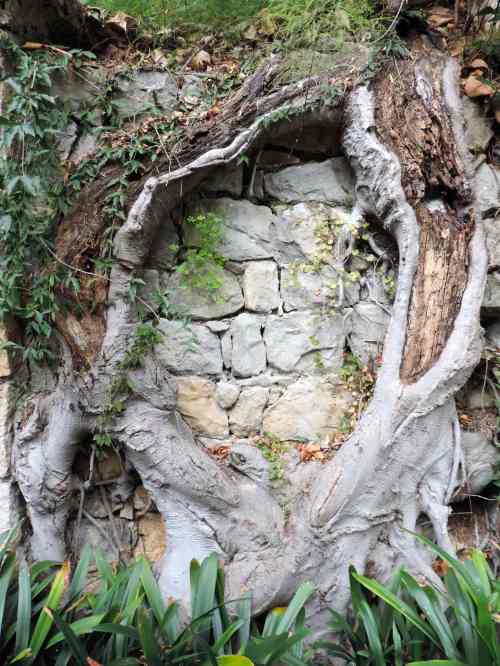
I didn’t see any white rabbits, but, like Alice, I stumbled across this.

What is this? A wall with a tree growing in a strange, separated way over it? Why would a tree grow that way?

A portal deep in the woods? A portal which someone has walled over? Why would they do that?

There’s a story here.

How would you like to tell it?

Let me help you to get started. Once upon a time……..

Read Full Post »

« Newer Posts - Older Posts »