Feeds:
Posts
Comments

trees

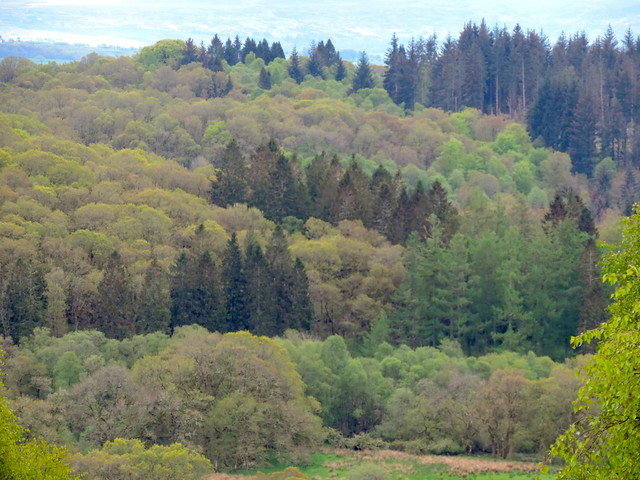
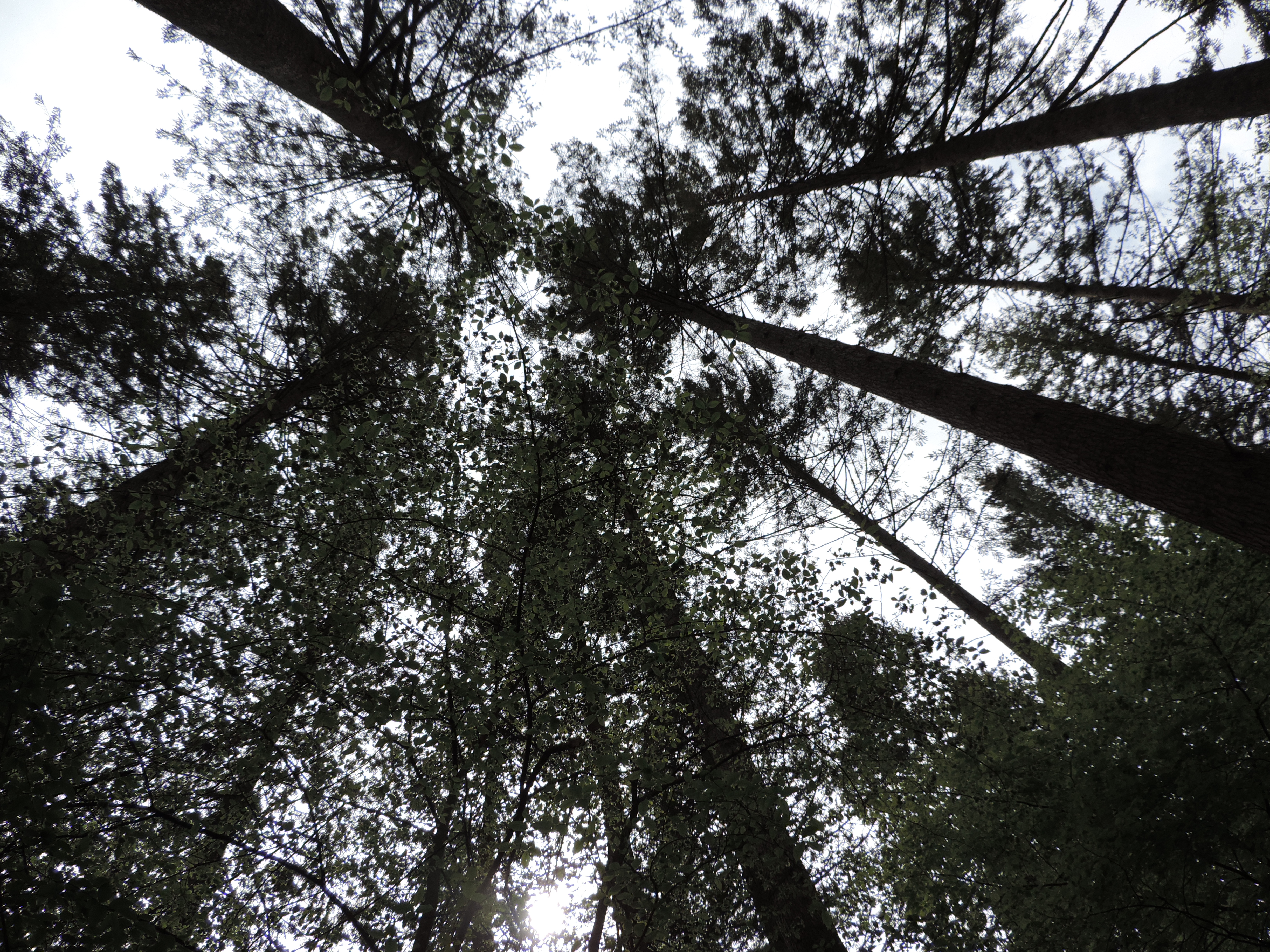
Nature LOVES diversity. Monocultures just don’t occur naturally.
But do you know what I like so much about this kind of image?
It’s not only that every single tree is different and unique.
It’s that together they create the fullness of the beauty.

We are like that. We are all unique. But aren’t we so much more when we live in harmony with all the other unique lives around us?


amv

amv2

amv1

rockforest

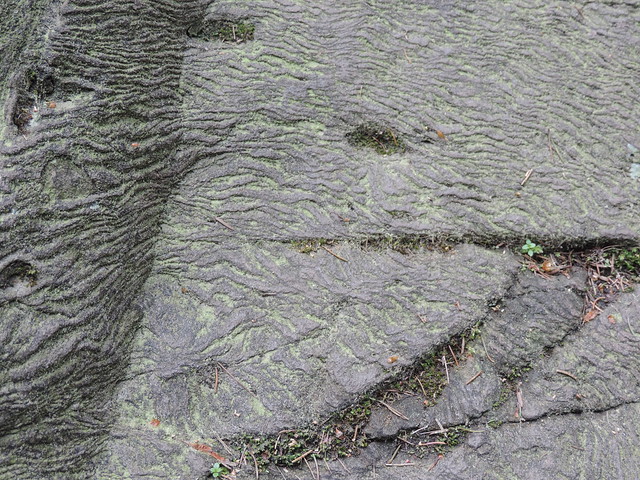
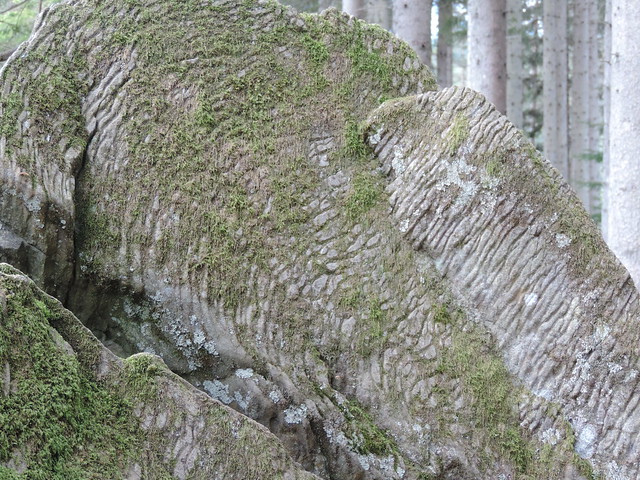
These rocks in the forest bring up two thoughts for me. One is just how much they challenge our preconceptions of form. From the distance they seem to be large boulders, but close up they look like trees. Maybe they are fossil trees? I don’t really know what fossil trees look like, but I’d imagine they look like this. So are they trees becoming rocks? And now I look at that them again in these photos they look like elephants, or some prehistoric dinosaur-like creatures!

The other is about boundaries…..where one object stops and another begins, how every “object” exists in its context and how much the environment, the place where the boulder sits, creates its reality, and then that other boundary of time…..how everything changes, how everything is in a constant state of becoming.

I like Michael Pollan’s views on food. You might be aware of his “food rules”……summarised in the following seven words

Eat food. Not too much. Mostly plants

What he is great at doing is bringing together knowledge from a number of disciplines (nutrition, economics, agriculture, anthropology, politics and so on), and weaving them into a seamless, and convincing narrative. He does that wonderfully in this google talk where he discusses his latest book, “Cooked”. Settle yourself down and watch this. It’s just under an hour, but that includes the Q&A, and I recommend skipping the over two and half minute intro from the google staffer!

In “Cooked” he describes learning the four transformations of food – using fire, using pots (water), baking (air) and fermentation (earth). His argument is compelling and the area of fermentation (using microbes to produce cheeses, pickles etc) is a completely fascinating new subject to explore.

One of the gems from this talk is his telling of the answer he received from someone working in the food processing industry when he asked what we could do about the obesity epidemic. The answer was “Only eat what you have made yourself”. He thinks that one principle (probably hard to adhere to 100% but a good target to aim at) would result in a healthier and more nutritious diet.

This piece doesn’t just get you thinking about the place of food in your life, it gets you thinking about the food industry, about politics and about how we might create a more sustainable way of life just by considering this important (probably central) issue of what we eat, and how it is prepared.


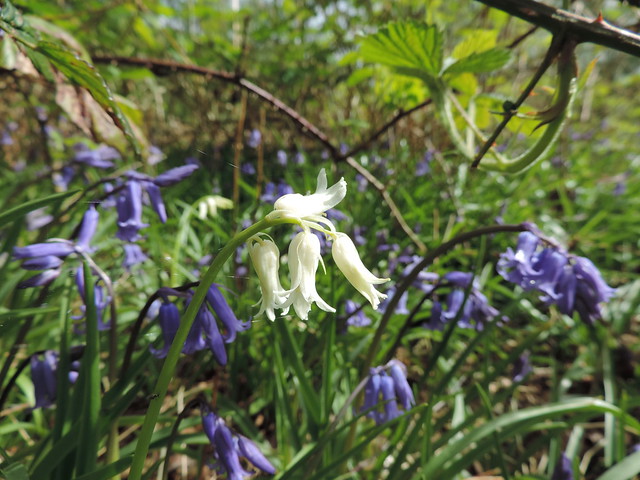
One of the rhythms I enjoy is the Spring season of blooms, and one of the blooms we see in Scotland at this time of year is that of bluebells in the woods.

bluebells

In many of the woods you are surrounded by whole carpets of bluebells.

But I’ve also got an eye for uniqueness, not just the uniqueness of the particular patch of bluebells, but the differences between individual plants.

white blue

DSCN1264


Hermitage

Hermitage

DSCN1275

In the A to Z of Becoming, T is for Thank.

So, let me start by thanking YOU.

Thank you for following this blog, for reading these posts and for your lovely feedback, likes and comments.

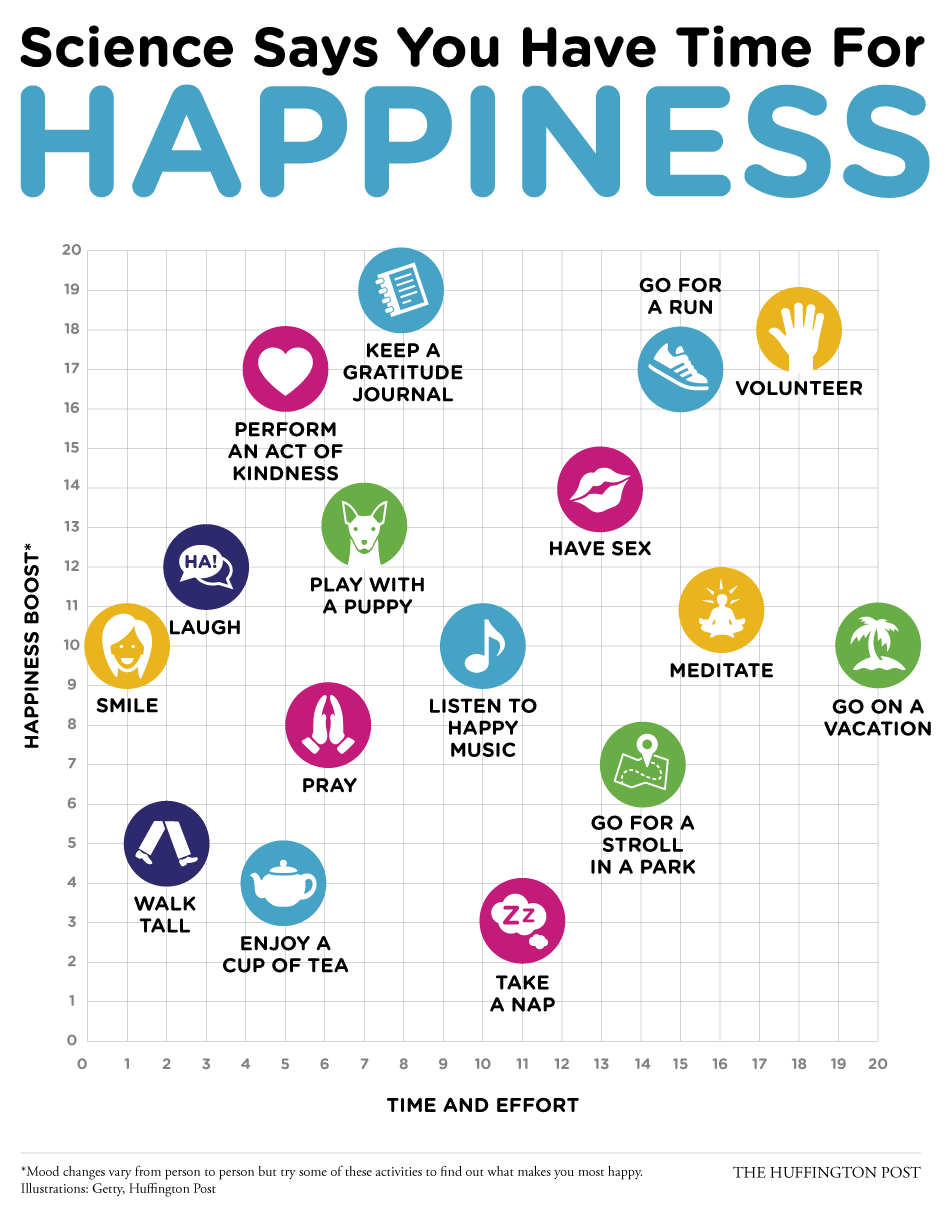
You’ve probably heard about the idea of a Gratitude Journal. Remember this nice graphic about what makes an impact on happiness?

2013_HappinessMatrix

Do you see the one activity which scores highest?

Yes, it’s about gratitude. I think there are two ways you can take advantage of this.

Firstly, just say “thank you”. How often do you say “thank you” in a day? There are casual opportunities which occur in shops, cafes, restaurants, when someone holds a door open, or lends a hand. Saying “thank you” in those situations can be like a reflex but just allow yourself to notice the “thank you”s…..the ones you hear yourself saying, and the ones you hear others saying to you.

Second, try the gratitude journal idea. Once a day, reflect on the last 24 hours and note down what you’ve felt grateful for. It’s hard to go a whole day and not feel grateful for something, and if you aren’t in the habit, starting to practice it will soon make you realise how easy it is to experience gratitude.

Finally, what about spiritual gratitude? Whatever your beliefs or traditions, do you thank the Universe, the Cosmos, God, the Life Force?

Abundance

IMG_1556

Nature’s abundance never fails to amaze me.

This is the spiral staircase from the upper consulting rooms at the NHS Centre for Integrative Care, down into the garden.

Astonishing

Fern

fern


“For there is nothing that grows or lives that can approach the feathery grace, the symmetry of form, or the lacy elegance of pattern of the Ferns: and to be blind to all this beauty is nothing less than calamitous” – Herbert Durand, in “The Field Book of Common Ferns”, quoted in Mary Oliver’s poem, “More Evidence”, published in her collection, “Swan”.

What can I say?

From Mary Oliver’s “What can I say?”

The leaf has a song in it.
Stone is the face of patience.
Inside the river there is an unfinishable story


leaf

stone

river

IMG_1548

We have developed a strange way of thinking about the relationship of human beings and Nature. In fact, that very sentence is an example of how we think. There’s us, human beings. And there’s Nature. They are different. We separate ourselves out from other forms of Life, and from all the other ways Life manifests itself in Nature. We think we are not the same as other creatures. Maybe a bit like apes, maybe a bit like other mammals, but certainly not like flowers or trees. And even if we identify with LIFE in its multitude of forms, we still think of ourselves as separate from the other forms of Nature – earth, rock, water, wind, energy.

But we don’t stop there. We don’t just consider ourselves separate from, and in some way outside of, Nature. We tell ourselves Nature is there for us to exploit, to consume and to control. We think of being in a constant battle with Nature, wrestling with its power and its potential to do us harm. We conceive of the evolution of Life as a perpetual competition, a striving to survive, and only the strongest will win that battle.

But what kind of lives does that kind of thinking create for us? What kind of Nature does that attitude bring into existence? What daily experience do we have when we live from that perspective?

Over the last hundred years, physics has shown us that there are no separate, discreet, irreducible “particles” which are the “building blocks” of reality. We have begun to understand (or maybe rediscover) that any sense of separateness is a creation of the human mind. In particular we use our left cerebral hemisphere to filter and re-present the phenomena of reality to ourselves. This gives us a view which declares boundaries, and which creates the impression of separateness. As we explore the connections, the bonds and the relationships we begin to experience Life quite differently. And as we take on board the phenomenon of integration – of the creation of mutually enhancing bonds between well differentiated parts – we begin to see how co-operation is the basis of evolution, at least as much as, if not more than, competition.

So we can change our focus, taking on board Einstein’s question of whether or not we think of the universe as a friendly place, and then we see in Nature not just the inter-connectedness of everything, but how this Earth is perfectly created to sustain and develop Life itself. How everyday life is only possible because of the innumerable beneficial links between ourselves and others, between ourselves and other species, between ourselves and those who have lived before us, and between ourselves and the rest of the Universe from which we emerge.

The image above is a path. I think it is beautiful and shows an intimate relationship between human beings and trees. Here’s another path, quite different from that one, but which also makes me think about the paths we create as we live in this world.

DSCN1239


Maybe it’s time to create a better path? A more “natural” path?