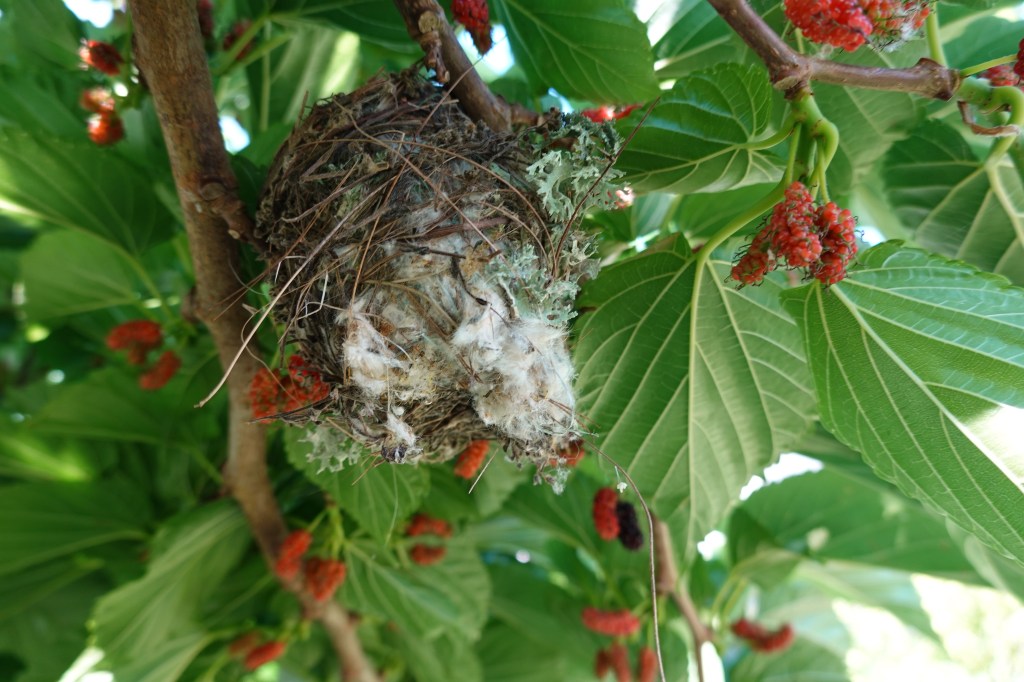
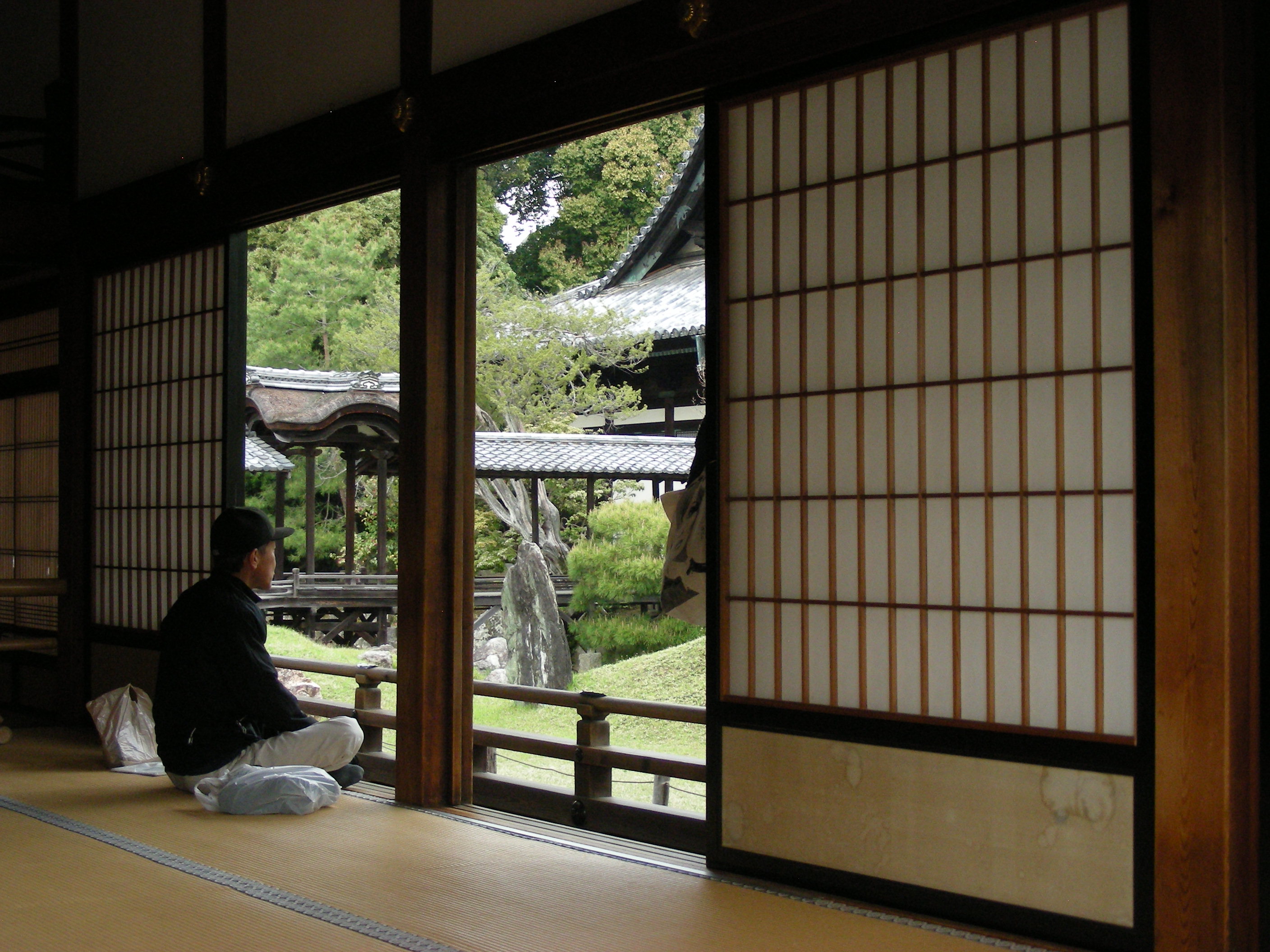
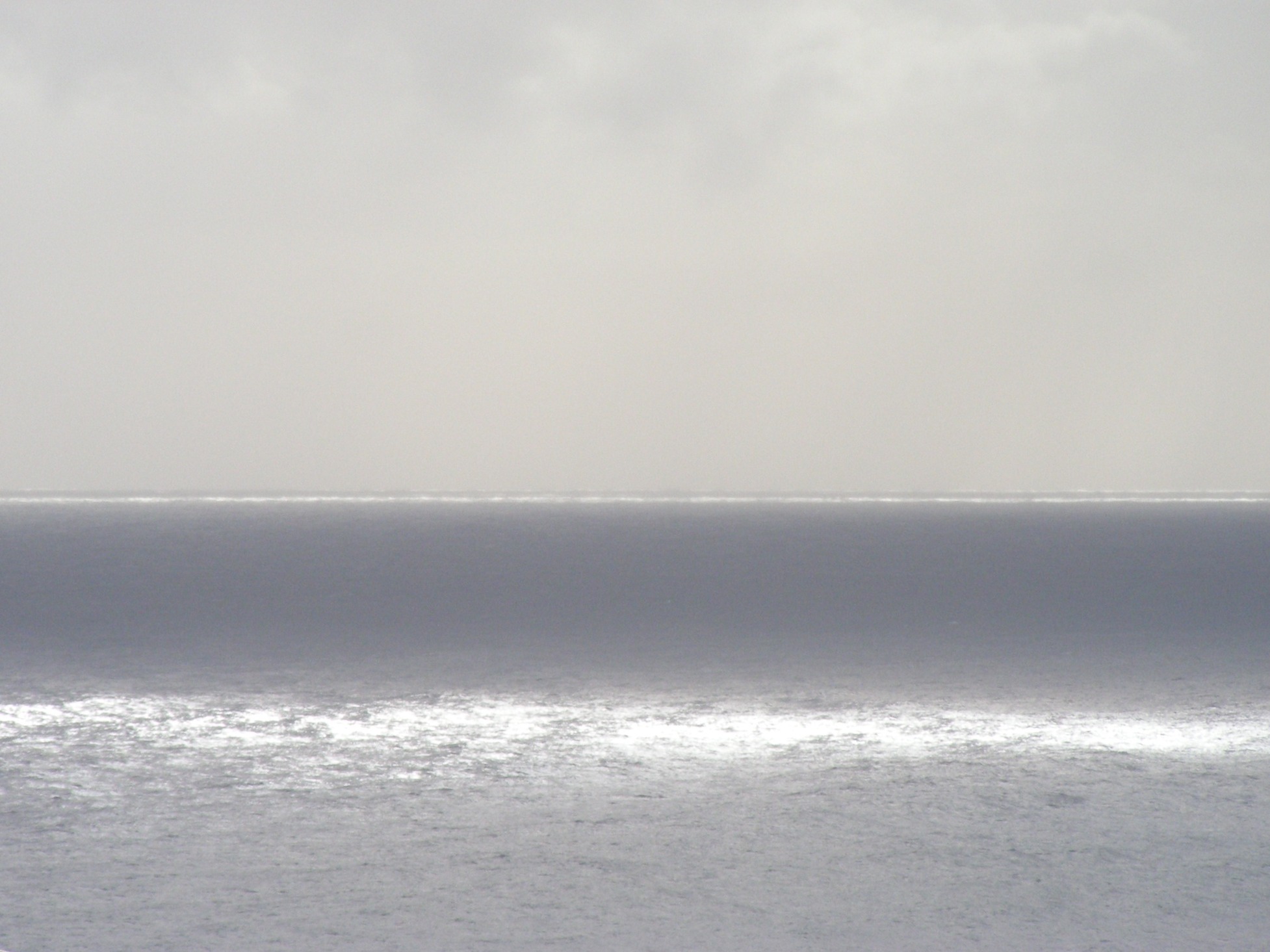
This photo gets me thinking about three dimensions of context…..horizontal, temporal and depth.
The horizontal dimension contains what’s around us here and now. All of our experiences occur within the context of a place. We live, moment by moment, in a web of physical connections which extend in every direction we can see. It includes the natural environment of all the elements and all the other living organisms which share this space with us. It also includes the social environment of all the other people around us (and now with phones, video and messaging services that social environment can stretch out over thousands of miles. It’s not limited to the physical horizon any more). It also includes the cultural environment of habits, behaviours, values and rules with which we co-construct our lives together.
The temporal dimension includes the past….the trails and tracks we can see behind us, the memories we have and the roots which lead from our beginnings to where we are now. It also includes the future, or rather all the possible futures we and others can imagine….that multiplicity of possibilities which collapse into a single reality as each moment emerges from the next one.
The depth dimension lies within us. It’s often unspoken, largely unconscious and unknown but it creates the foundations and defaults of our daily lives. Some of it emerges in our dreams, some is revealed in our language and words, some erupts through in the strength of feelings.
I think if I want to understand someone, whether that someone be me or an other, I need to see them, hear them, discover them in all three of these dimensions.
That’s why a holistic approach in Medicine always seemed necessary to me and why a rigidly reductionist one was often just too narrow to be of more than just a little help.
There’s a tiny little bird makes a tiny little nest, every year, usually in what seems to me to be a precarious part of one of the trees or bushes in the garden.
I don’t know where she goes and lives in the other seasons but she sure likes to come here in the summer, lay a few eggs, hatch a few offspring, then she’s gone again.
Take a close look at this nest. It’s not neat, it’s not even especially beautiful and there is actually a hole in the bottom – look next to the eggs –
However, what I got thinking about when I saw her nest this year was this……
“Free as a bird”. This wee creature does what almost all other creatures do – makes a home where and whenever it chooses to.
We humans have made things way more complicated. We’ve created a whole class of people called citizens who have certain rights and can make certain choices that their neighbours who aren’t classes as citizens don’t have and can’t make.
It doesn’t make sense to me to class neighbours differently. Why shouldn’t the people in no. 16 for example be treated the same as those next door in no. 18?
Why have some who have, say “temporary settled status” (in the U.K.), or who are given some kind of visa with limited rights and responsibilities?
Here’s my preference. Treat everyone who lives in the same street, the same neighbourhood or community the same.
They are all inhabitants after all. All living together, all sharing the same spaces, the same facilities.
I don’t get the added value of these various limited rights classifications. Anyone able to make a case for me? Maybe I’m missing something but this little bird building this little nest just where she wants to every year seems to have freedoms we’ve taken away from some of our neighbours. Who gains from that?
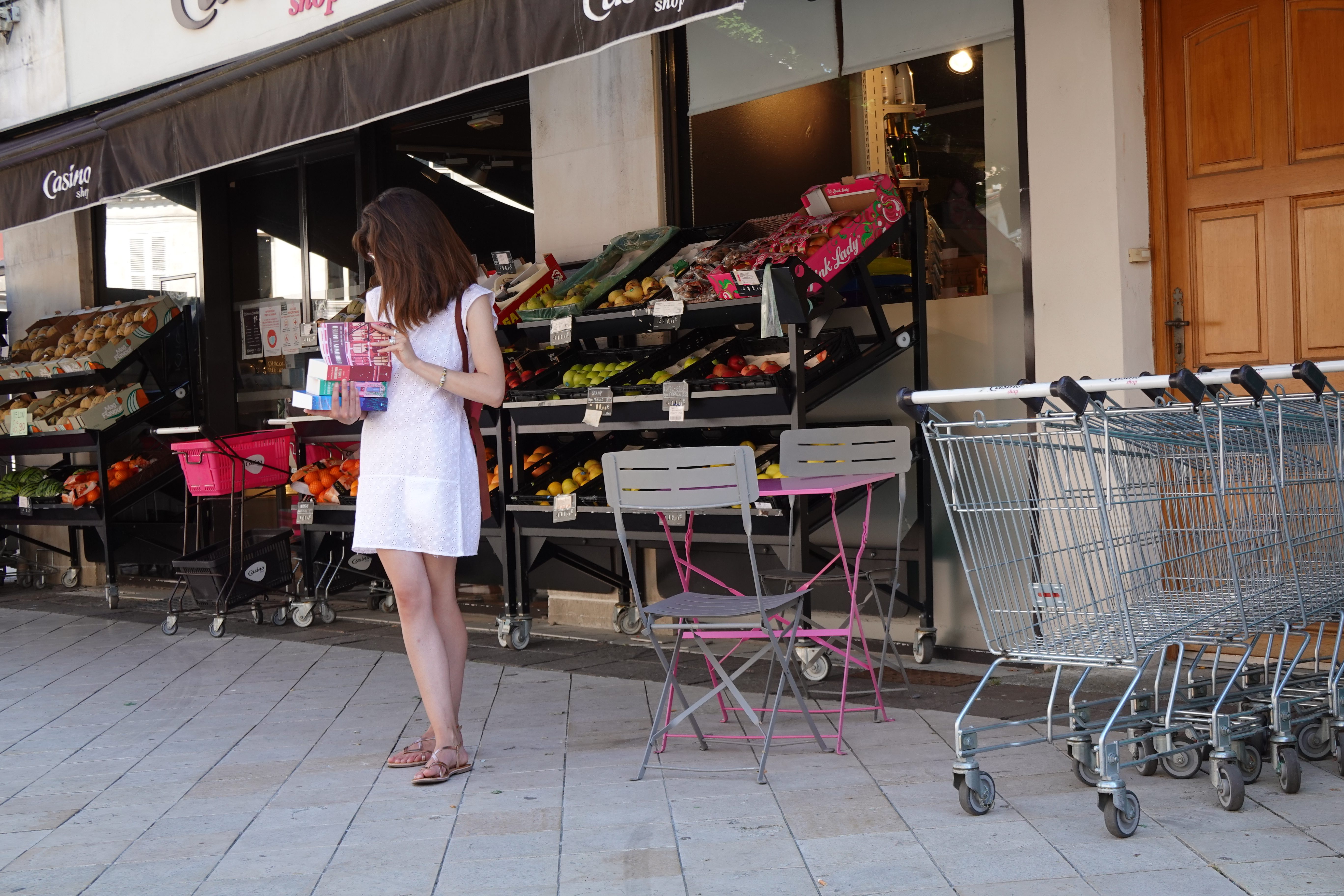
I saw this woman yesterday standing outside a supermarket in the middle of town. I was struck by the size of the books she was holding, and which she couldn’t resist opening and starting to read. It turns out they are a trilogy of YA fiction by a famous French author, the third volume having just been published, which is maybe what inspired this woman to buy all three.
I understand this compulsion. I’ve always had way too many books on my shelves….well, way too many in the sense that I couldn’t read them all in one lifetime. But that doesn’t stop me buying new ones. Suffice it to say I read a LOT!
I’ve had a fascination for stories all my life. In my earliest years I remember my Grandpa reading to me – he read me all of Walter Scott’s “Tales of a Grandfather” and he read me collections of myths, legends and fairy stories which he bought for me when I was born. My mum used to have a photograph hanging on the wall of her living room. It was a black and white print showing my Grandpa reading in the local library. I guess I got that gene!
I’ve told countless people that when I worked at the NHS Centre for Integrative Care (which I did for the latter two decades of my career), I used to look forward to meeting a new patient every Monday morning because I knew they would tell me a unique story – one I’d never heard before. In fact, story was the very heart of my engagement with these patients who, largely, suffered from long term conditions which had failed to respond to drug treatments.
Did it surprise me that they had failed to respond to drug treatments? Nope. Because there aren’t any drugs for people, there are only drugs for diseases and drugs to suppress symptoms. Drugs don’t heal. At best they create an environment conducive to healing. It turns out it’s people who heal, not drugs. It’s people with self-defending, self-repairing, self-balancing, self-creating and growing interwoven complex systems who heal.
I found that stories were the way to understand a patient. Not symptoms.
I read a piece about a psychiatrist and neuroscientist, Karl Deisseroth, yesterday, and in that interview he said
Anybody can read a diagnostic manual and see a list of symptoms, but what really matters to the patient is a different story
which reminded me of a passage by the English philosopher, Mary Midgely, which I read many years ago –
One cannot claim to know somebody merely because one has collected a pile of printed information about them.
Wisdom, Information and Wonder. Mary Midgley
and of this passage from philosopher Richard Kearney
Telling stories is as basic to human beings as eating. More so, in fact, for while food makes us live, stories are what make our lives worth living.
On Stories. Richard Kearney
In fact, that latter passage came into my head as I took this photo – here’s a woman absorbed in stories, standing next to empty supermarket trolleys and with her back to the stalls of food laid out in front of the shop.
Stories, I found, weren’t just the way to understand a person (to make a diagnosis even), but they were also the way to heal. By helping someone create a new story, I could stimulate that complex of healing systems within them, and spur them on to more than relief from suffering…….More than? Yes, to more self-awareness, more self-compassion, and to a re-evaluation of their life choices, habits and behaviours.
Stories can set us free.
Mind you, it’s also true that we can get trapped by stories – the stuck, multilayered ones we’ve been taught as children, or been brainwashed into believing by others. But even then, the answer, the release, the movement forwards, lies in the creation of new stories……our own, unique stories which allow us to realise our hopes, express our singularity, and live the life we want to lead.
Stories, you see, have a magnetic pull. We don’t live without them.
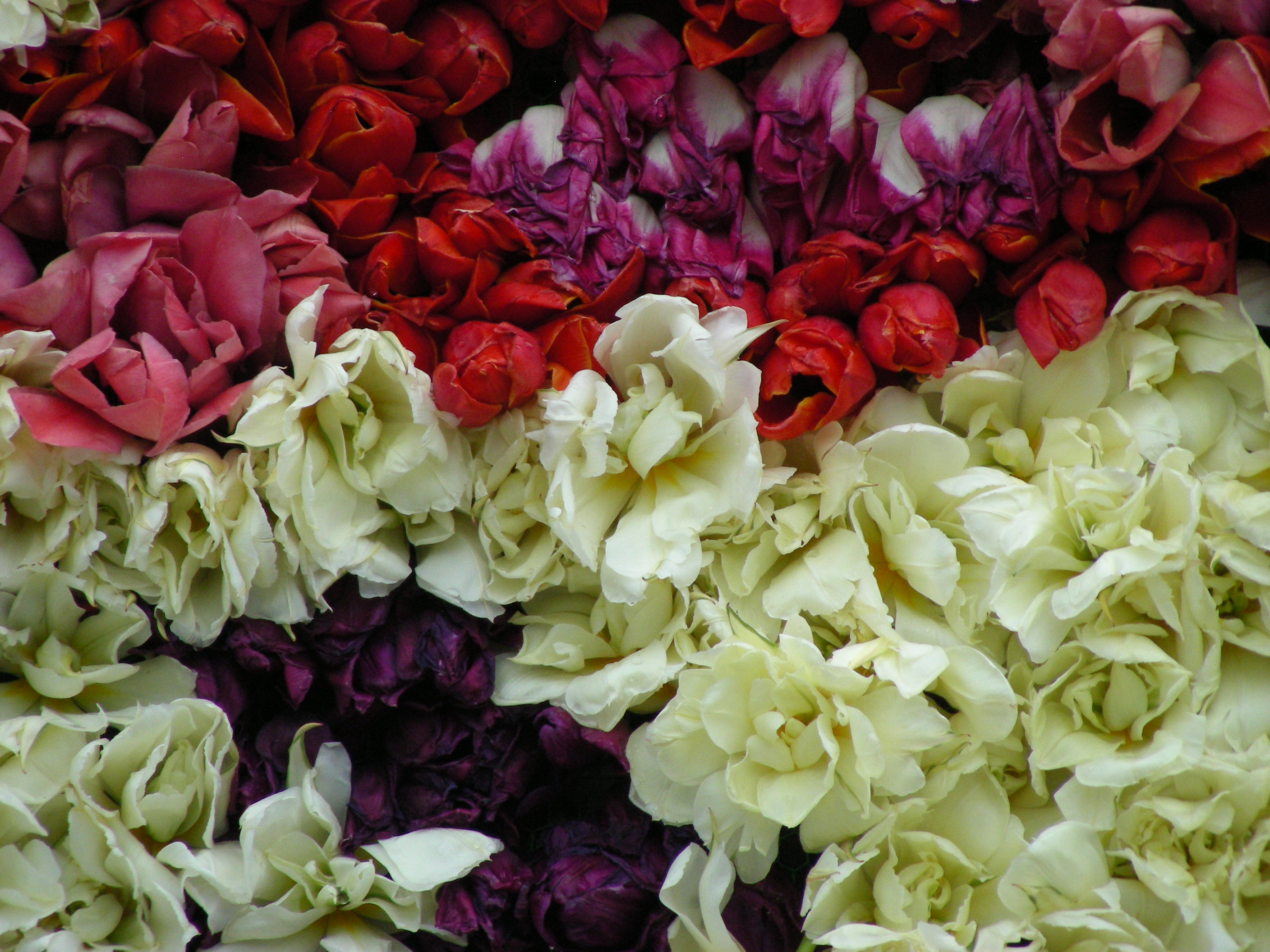
I walked into the courtyard of a temple in Kyoto one day and saw this display of flowers. Well, actually, this first photo is what I saw once I got closer to the display which had caught my attention.
When you look at these flowers, all you see is some flowers. It’s not possible to see the pattern which is revealed only from a distance.
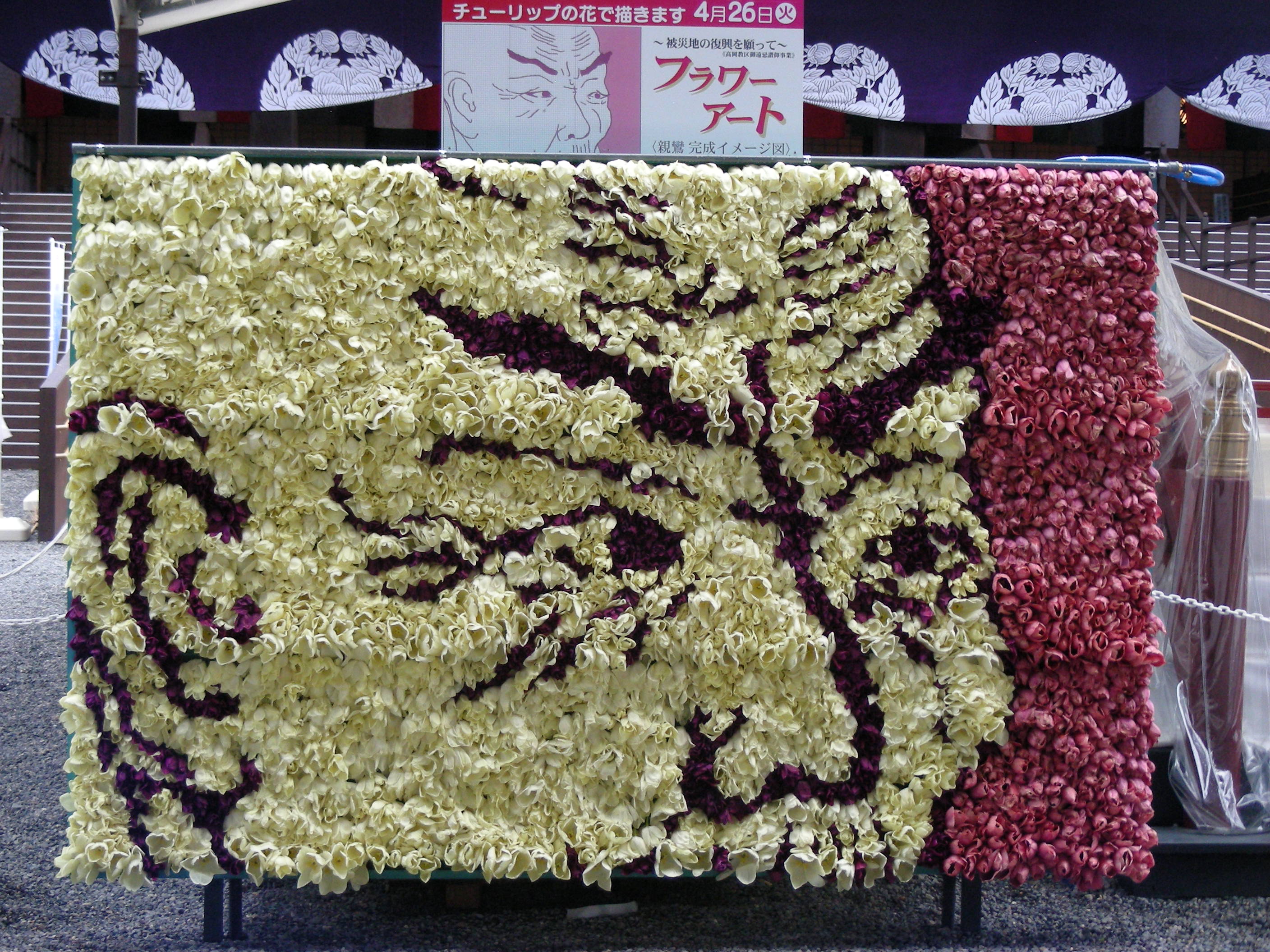
This is what you see when you stand back…
Isn’t this amazing?
Actually, whether you encounter the full image first, then get closer in order to realise that it is constructed from hundreds of flowers, or whether you start close up seeing only the flowers, and gradually stand back to see the full image, the two positions are a huge contrast, aren’t they?
These are the two perspectives we bring to everything. We use the left cerebral hemisphere to zoom in on individual elements. To do that it focuses on parts and identifies them, matching them up to whatever we have previously encountered and categorising them. In this case, it identifies the objects as flowers and labels them according to their colour. But at the same time, we use the right cerebral hemisphere to take in the whole picture, to see whatever we are looking at within its contexts. To do that it focuses on the connections and relationships, and, at the same time brings a heightened awareness for novelty – it homes in on whatever is new, whatever is unique, whatever is special.
You’ll know already from my writing that I believe the principle of “and not or” is a good one in life, and that’s in no small part due to the fact that this is exactly how we have evolved. We don’t have only one way of looking at things. We have multiple ways, and we throw them into the complex mix of reality so that we can do more than perceive the world in which we live, we explore, play, learn and create. We adapt, we grow and we evolve.
I’m very wary of black and white, rigid, fixed, narrow views of reality. The world is richer than any of us can conceive. The universe has more potential than any of us can imagine. And there is much to gain from diversity and tolerance.
I think I first became aware of research suggesting that even a view of natural surroundings could be good for us in the paper about recovery times after surgery. The findings showed that post-op patients required less painkillers, had less post-op complications and required shorter stays in hospital if their bed had a view outside to a natural environment (as opposed to no view, or a view of a wall).
Then I came across the Japanese concept of “forest bathing” and work from a university in Tokyo which showed that spending a few minutes in a forest could increase the levels of helpful immune chemicals in the blood.
Today I read a paper about “Attention Restoration Theory” suggesting that spending time in nature improves the concentration levels of children with ADHD. This “ART” concept describes two kinds of attention – an easy, effortless, “bottom up” (neurologically speaking) attention to the environment, and an effortful, focused “top down” attention which we use when deliberately concentrating on something. We use the former when gazing out of a window to the natural environment, and the latter when trying to do a difficult mental task. The research study I read split children into three groups, putting one group in a classroom with no windows, one in a classroom with windows looking out onto a bare, built environment, and a third group in a classroom with windows looking out onto nature. They gave them all the same difficult lesson, took a five minute break where they stayed in their classroom, then tested their concentration after the break. Only the third group, the one in the classroom with a natural view, improved their concentration.
One of the things I like about this paper is that it showed two things – that turning our awareness towards the natural world is good for us, and, that the way to improve concentration wasn’t to “concentrate harder” but to build in a break where the mind could drift into a more natural state of open awareness.
Well, you know, I don’t really need any scientific research or “evidence” to convince me I like to have a view of nature from my window, or that I enjoy walking in forests, parks or along beaches, but, hey, it’s still good to learn about some of the measurable effects of open awareness and engagement with natural environments.
This pandemic has hit the pause button around the world. Who’d have thought that so many habits, so many routines, so many automatic choices would have become as disrupted as this? While the climate crisis has been demanding that we think more carefully about our use of fossil fuels, along comes a pandemic which massively reduced travel by plane and by car. Having got used to seeing the sky above streaked with plane trails most of most days, now it’s a surprise to see one. The numbers of deaths and injuries sustained on the roads in France is a fraction this last year of what it’s been in recent years.
But will everyone just rush back to doing exactly what they used to do now that restrictions are easing?
Maybe not. Many of us have become wary of crowds and of sharing time and space with many strangers in confined places now. Many people have discovered that working from home gives them more time with family and friends, and less time crowded onto commuter transport and are keen to maintain at least some element of that now. “Flexible working” is one of the commonest phrases around just now and how that’s going to impact on city centres and vast office complexes, who knows?
Health care is creaking at the seams with exhausted, over-worked staff asking themselves if they can carry on. Education has been massively disrupted and it’s not at all clear how to get it back on track.
Many people haven’t been buying nearly as much “stuff” because the shops have been closed (or they’ve changed their buying habits to buy online now instead).
But how many of these changes have been based on our personal, conscious, choices?
I think it would be a shame to pass up the incredible opportunity this enforced pause has given us. We can take a few breaths, reflect, and ask ourselves – where do we want to go from here?
I know many people are already doing that. There is a surge of demand in France for houses with gardens now, as city dwellers trapped in apartments for weeks on end are thinking, “I don’t want to be stuck inside like this again.” Connect that to the remote working or “teletravail” and people are thinking – we don’t need to live stuck in small apartments, breathing polluted air and spending our days in crowded offices. We can find a place with a garden about an hour from a city centre, enjoy working from home for part of the week, and travel in to the city for face to face work when we need to.
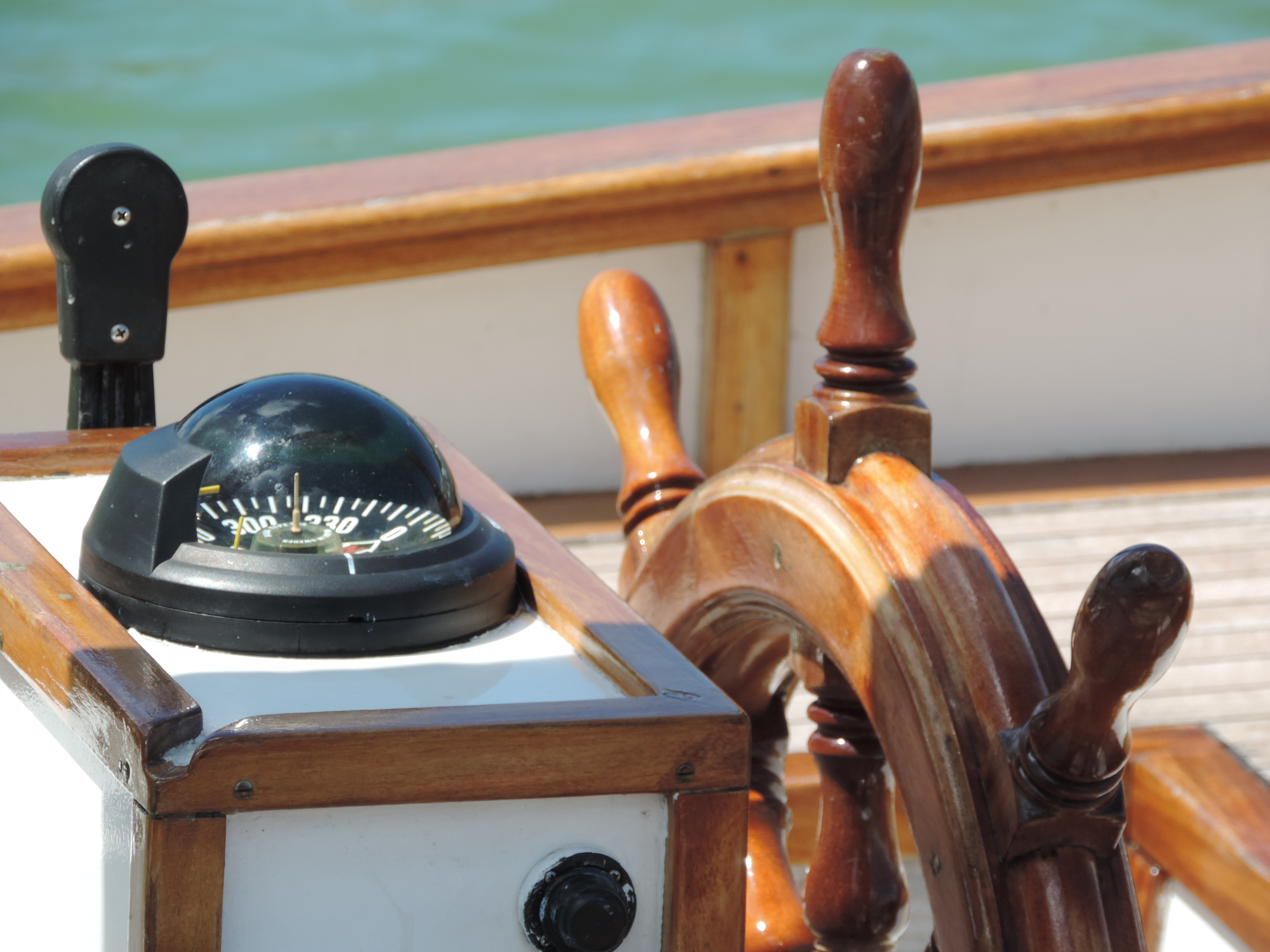
I got thinking about all of this when I came across this old photo yesterday. It’s a ship’s compass and steering wheel (there’s probably another name for a ship’s steering wheel but I can’t think what it is at the moment!). I’m wondering now – what about my own life? My personal life? Do I want to look at my navigation maps, set a new direction on my life compass and steer my way in a new direction?
Well, you could argue that that is exactly what we all do every day. Except we tend to do it on autopilot – our direction is set by employers, advertisers, politicians and authorities. But what I’m wondering about is how to shift the balance now – away from zombie to hero – to more conscious, more deliberated choices.
I just had a birthday too, and I think when birthdays come around I often find myself doing a bit of reflecting…..thinking back over the previous year and asking myself what I want to change now, and in the year ahead.
Are you doing that too?
Are you reflecting on the quality of your every day? Are you reflecting on your habits and priorities? Are you thinking of changing direction?
I reckon this is a good time for collective change too – it’s a time for us to ask the question – “Am I a good ancestor?” It’s a question I’ve come across a few times in recent weeks. How am I living – yes, me personally, but also me, collectively – and will this way of living be likely to create a good world for my grandchildren, for my grandchildren’s grandchildren? Will they look back and reckon that we have been good ancestors?
I do think it’s time for us to change direction – away from consumption and money grabbing – towards more compassion, care and collaboration – towards a better way of living with the rest of Life on Planet Earth.
So, here’s a place to start – David Attenborough has a book out – “A Life on Our Planet” – you can read it, or you can listen to it as an audio book. Or you can watch the film version on Netflix. I recommend it. His work is pretty much always inspiring but this is perhaps his clearest description of what’s happened over the last 90 years he’s lived on this planet, and ends with huge hope and optimism, really inspiring us to change direction.
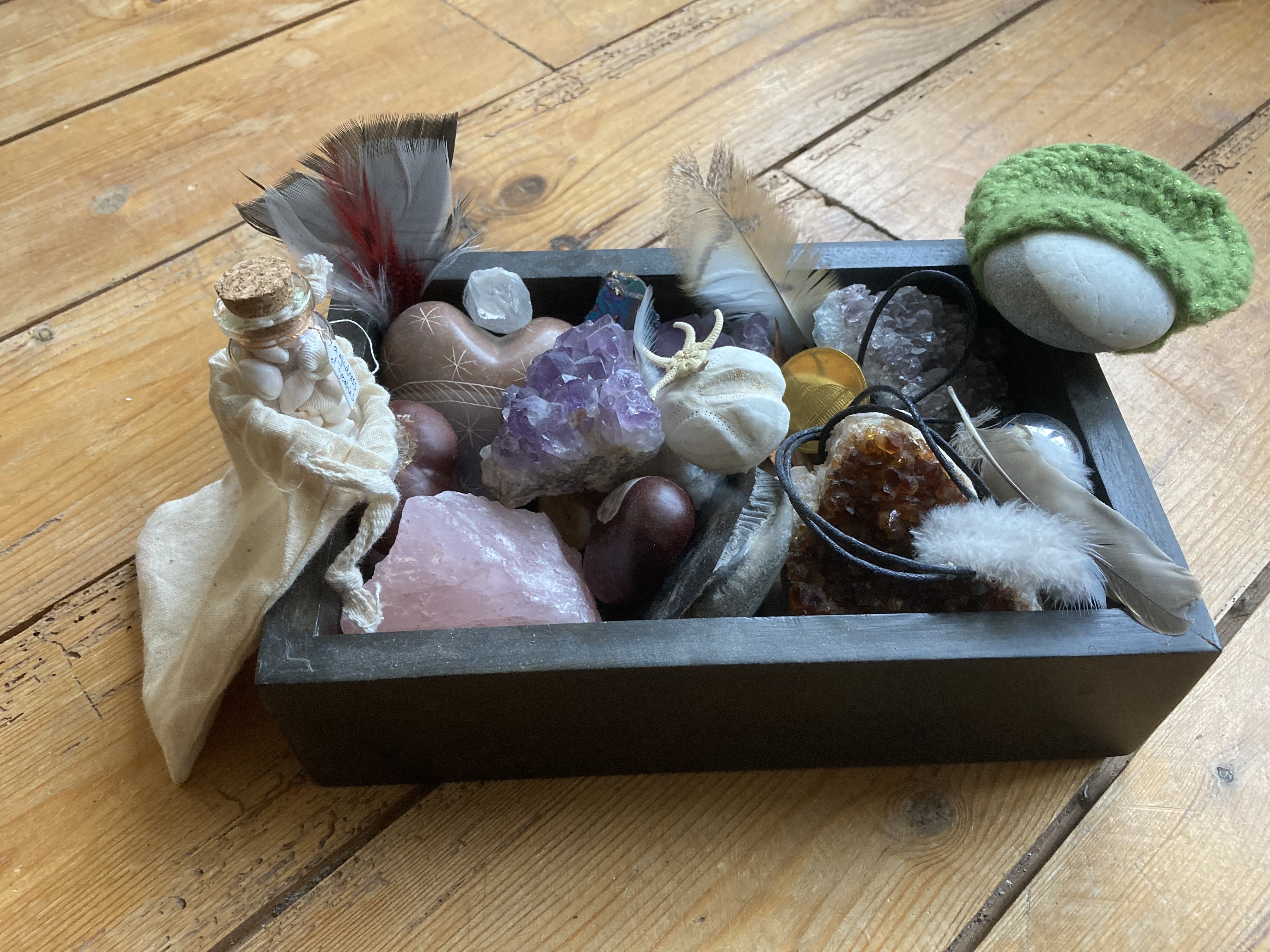
Here is my box of curiosities. These are objects, some of them natural, some of them worked by human hand, some of them found on my travels, but most of them given to me by patients, colleagues and friends.
Each one of these objects connects me to a person or to an event. Each of them connects me to an experience and to memories.
But actually, the truth is, I just delight in them. I like to hold them, to run my fingers over them. I like to look at them. I like to wonder about them.
We all collect objects.
Mostly we don’t collect objects very consciously or deliberately, but we find things, buy things, receive things, and we keep them. Sometimes we collect them together. Sometimes we scatter them or spread them across our house. Sometimes we gather them into special spaces or places – on a desk (this box sat on the desk in my consulting room), on a shelf, in a display cabinet, or beside the bed.
Why not take a few minutes today to look around your house, or your room, and see what objects you have. Do you remember where they came from? Do you have certain memories attached to them? Do they connect you? And, if so, to whom or to what?
I read recently that objects of significance are becoming very popular in contemporary home design. In my grandparents day they all seemed to have “display cabinets” for their favourite objects, but that type of furniture has long ago fallen our of fashion. Will they come back? Or will we find different ways of gathering, collecting, and displaying what is important to us?
I’ve done psychological analyses which tell me that curiosity is one of my main attributes. But, to be fair, I didn’t need a test to tell me that. I’ve always been really curious. When I was a little boy I used to subscribe to a fortnightly magazine called “Knowledge”, one of those part work publications which you collected into special folders every few weeks. I loved it. I looked forward to it and found it fascinating, whether it was about science, art, geography, history, or whatever. When I graduated from university I used my first month’s pay as a Junior Doctor to buy a complete set of the Encyclopaedia Brittanica. I still have it, although, the truth is, I use wikipedia and internet search engines to go exploring these days.
I’m pretty sure that this curiosity which I have has enabled me to learn what I needed to learn during my training and was also at the heart of my delight in hearing the stories of all the patients who consulted me over about a forty year period.
I’ve learned since those early days that curiosity is a great trait to have if you want to develop your brain…..and, in particular, if you want to develop the right hemisphere of the brain. Seeking out what’s new, having new experiences and hearing new stories, develops the healthy interconnections between brain cells and shape the brain itself. Trying to understand and to learn are, for me, expressions of my underlying curiosity.
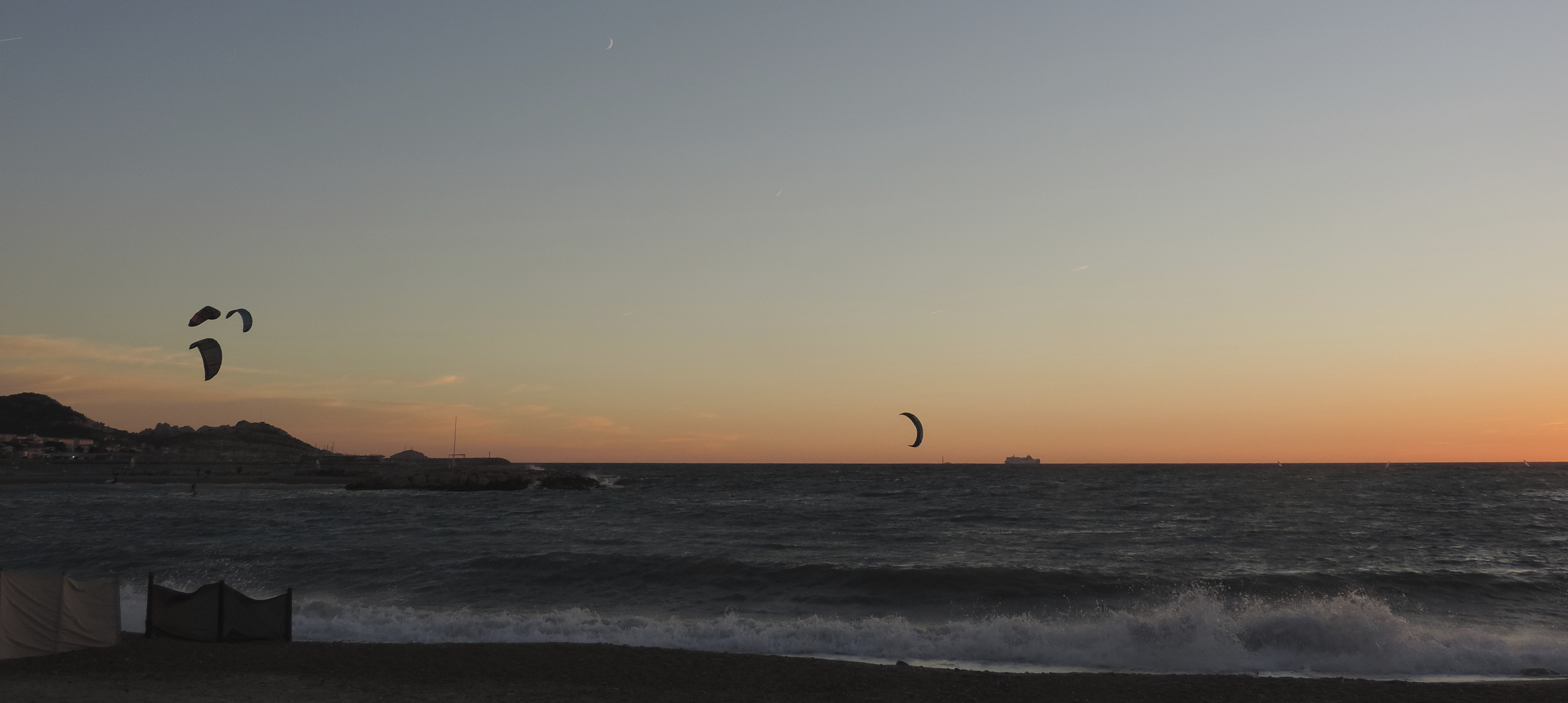
I think that’s why I enjoy this particular image so much. I took it whilst on holiday in South Africa a few years ago.
What do you see? Take a moment to explore it. Are you aware of any questions arising for you? Follow that curiosity!
You probably noticed some strange objects in the sky first, and that’s the starting point for firing up your curiosity. Because I exposed the shot for the sky, and it’s taken at sunset, the sea and whatever is in the foreground is really dark. You can’t really see them, but holding onto wires attached to each of those sky objects, is a person, surfing on the waves. This is kite surfing. There are three of them close together on the left, and a single one, on the right.
If you look very carefully you’ll see a crescent moon high up in the sky and the shape of the moon in this phase is similar to that of the kites. That pleases me enormously! I love these resonances, echoes and symmetries. They create the beginnings of patterns that help deepen the meanings we can experience in whatever we see.
What I also notice is a large ship right on the horizon, and immediately I start to wonder….where has it come from, where is it going, what is it carrying? Is it a freight ship, or a passenger one? Those questions fire up my imagination and get me thinking about adventures, travel and exploration.
Well, I suppose I just want to share this image with you because I find it so utterly pleasing and I hope you will do too, but in addition I think it’s one of those images which makes us wonder – and wondering makes for a better life!
This is one of my favourite photos of water tumbling over rocks as it heads down a Scottish hillside.
What I really like about it is the shape of the rocks – they look smooth, they look sculpted, they look “malleable”. In fact they seem to have a softness you wouldn’t expect in a rock.
I know it will have taken many, many years for the water to shape these rocks this way. That’s a kind of Earth-art, where Nature creates beautiful shapes, little by little, day by day, year by year, century by century.
But the other thing that appeals to me is the shape of the flowing water. It doesn’t just flow any which way. I flows over and around the edges of the rocks. In fact, it almost looks like this is a great rocky mouth, overflowing with water!
In other words, you can see from this single, still, image, that this is a dynamic inter-connected, process here. The rock and the water are in a relationship. Neither would be the same without the other. Both have their form and behaviour shaped by the relationship itself.
That seems a deep and eternal truth to me – there is nothing in this world which exists in isolation – everything and everybody is constantly changing, constantly being shaped, by a vast, complex web of energies and influences.
I have a number of photos of this type. You could say they are photos of the sea. You could say “there’s nothing in them”! (But I’d disagree). You could say they are photos of light.
For me this is a photo of three elements – water (obviously), fire (the Sun’s light reflected on the water), and air (the pale white sky). There might even be a hint of the fourth element, earth (just beyond the upper band of light…..is that land I can see?)
But primarily, I see this as a photo of light. I’m not sure why there are two parallel bands of white light, one in the foreground and the other almost on the horizon. I think that’s odd. Why aren’t there more reflections? Are there just two gaps in a cloudy sky letting the sunlight through to create these two narrow strips? I don’t know, and I don’t remember what the sky was like.
I know the sea can show us a rich palette of colours but I really like how, in this image, both the sea and the sky appear monochrome. This isn’t a photo shot in black and white, but the brightness of the light has bleached out all the colours.
Ultimately this image says to me – illumination – and that’s a favourite word of mine. I like to understand. I like to see things clearly. I like it when suddenly, in the middle of someone’s story, I gain insight into their unique, and personal life.
But, more simply, perhaps, this is just one of those images where I can sit and gaze at it, and lose myself…..slow down and lose my sense of time and place…..absorb myself into the scene and feel the artificial boundaries disappear so that I feel at One with the universe.
I welcome constructive criticism and suggestions. I will not, however, tolerate abuse, rudeness or negativity, whether it is directed at me or other people. It has no place here. ANYONE making nasty comments will be banned.