
Posted in from the dark room, photography | 4 Comments »
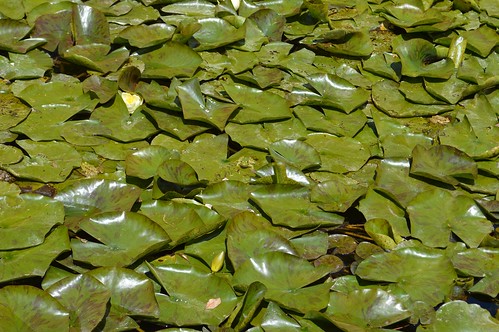
Our blood vessels are a hugely important part of our bodies. I suspect most of us think of our blood vessels (arteries, veins, capillaries) as a kind of complex tubing. To the naked eye, blood vessels certainly look like tubes, or pipes, and their key function seems to be to provide channels to move the blood around our bodies.
But let’s look a little closer. Lining these vessels, on the inside, is a very, very thin layer called the endothelium. It is only a few nanometers thick (I know. It’s not actually easy to visualise something that thin). This is a fascinating, living, constantly changing tissue.
To fight infections, the body has to get specialised cells, leukocytes, to the right place. The endothelium co-operates with these cells by allowing them to pierce holes in it so they can pass through to the target area. However, a lining with holes in it would be a disaster for health, so the endothelium has to repair itself immediately. Researchers continue to learn just how it does this.
It’s now been discovered that the healing response involves an interplay of quite astounding behaviours and abilities. The whole process can be observed using electron microscopes which show how a leukocyte can pierce the endothelium, and over a ten minute period up to seven leukocytes can pass through the opening before it is completely sealed up.
The healing of the holes involves a change in the cells which make up the endothelium. In response to a loss of tension in the wall, the cells grow tiny little foot-like structures, lamellipodia, and actually move towards the hole to seal it up. The whole process requires the production of proteins which produce “reactive oxygen species” (ROS), such as hydrogen peroxide.
ROS chemicals have a bad name. High levels of ROS seriously damage cells, and are implicated in a wide range of problems, from heart disease to cancer and even aging. However, in much smaller amounts, they are the key to body defences and healing. This phenomenon is an example of hormesis where a small amount of something has an opposite effect to a large amount of the same thing. The large amount is damaging, whilst the small amount is healing.
I don’t know about you, but I find it exciting and astonishing to think of all this activity going on inside me body! All these incredible, responsive, detailed healing systems involving tissues which are made of individual cells which can grow feet and move, to amazingly complex feedback systems controlling the production and removal of an enormous range of chemicals, getting just what’s needed to the right place at the right time.
I don’t really understand why the model of a human body as a machine is so popular – it’s so wrong! We are a complex living community of cells who are in constant communication with each other to mutually support and enhance their existence.
This is what integration looks like.
This is what a complex adaptive system looks like.
A living community.
Posted in from the consulting room, health | 1 Comment »
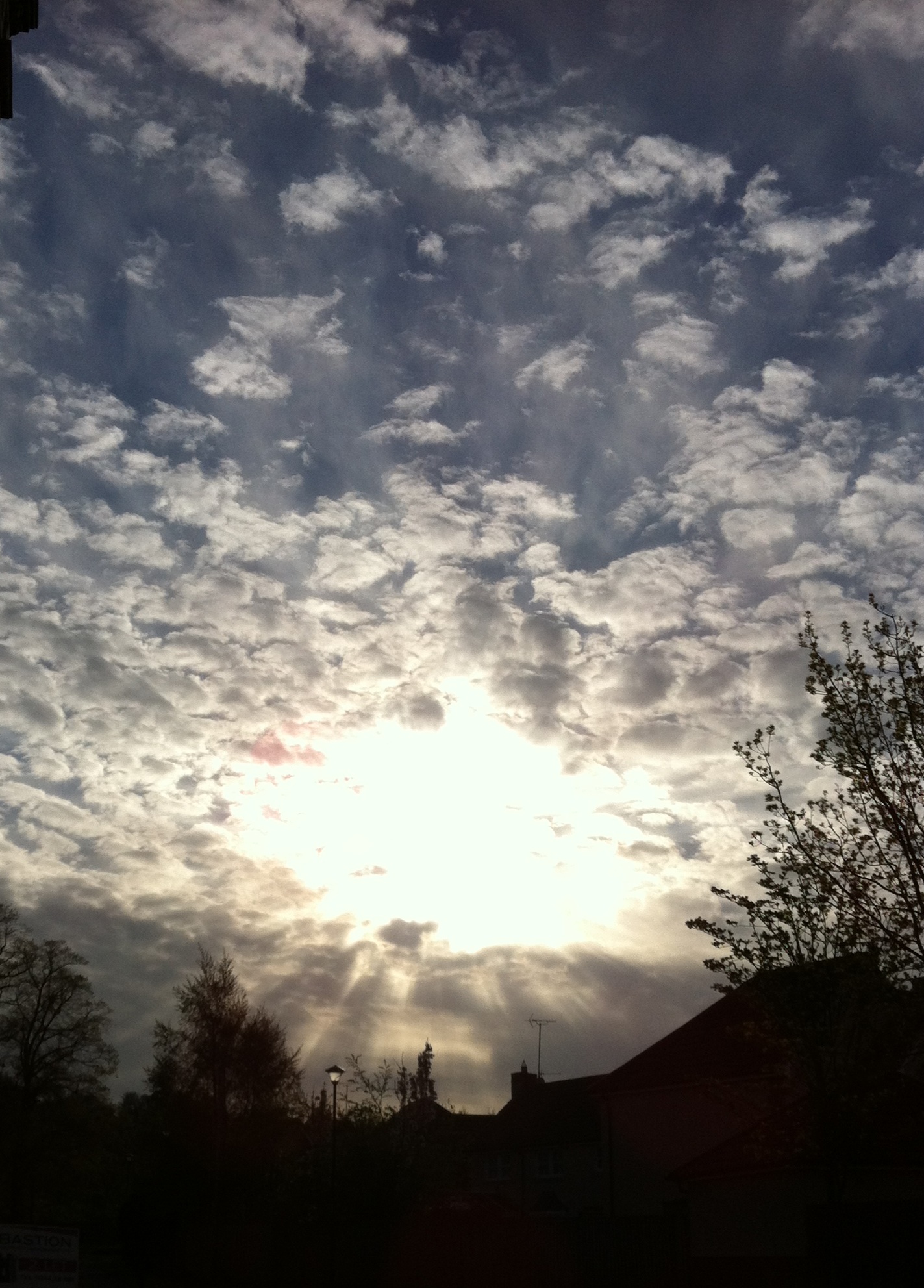
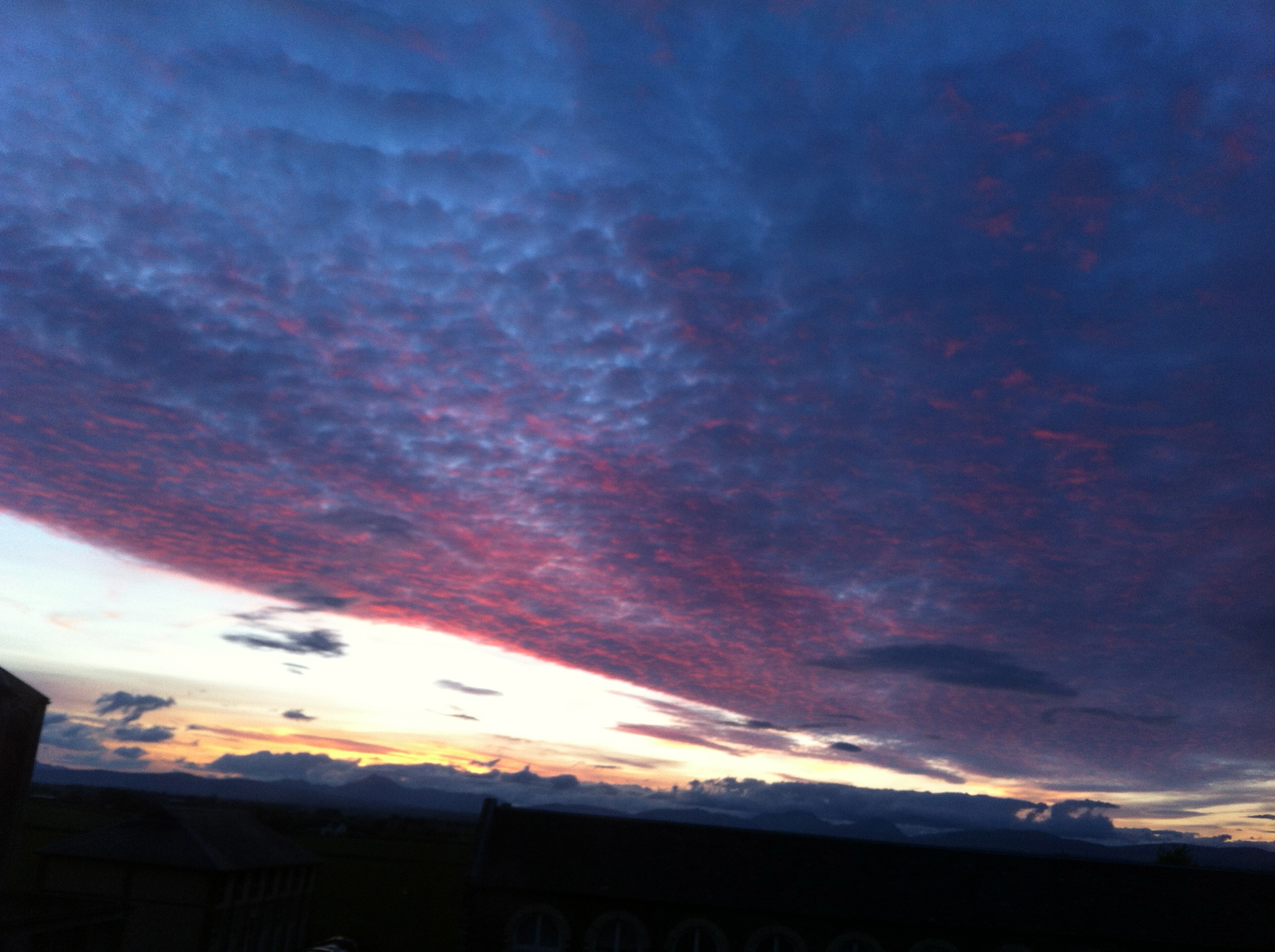
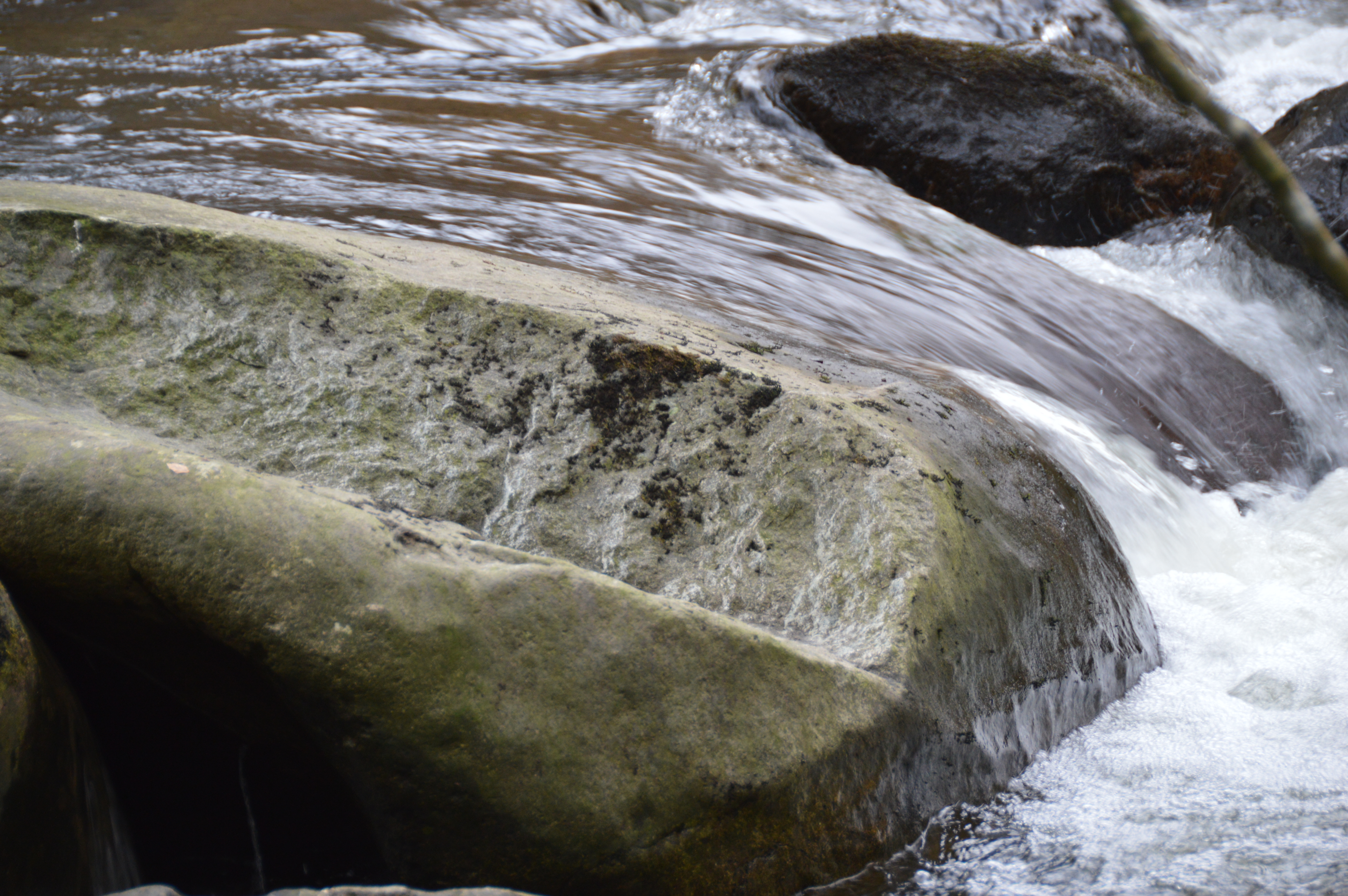
I took this photo a few weeks back and the image keeps popping back into my head.
It’s amazing for a number of reasons. First of all it looks as if the rock has been virtually split in two by a single blow. But not in the more usual way. If a rock is split in two the cut is usually narrow, as if done by a knife, but look how wide this cut is! It’s almost as if its been done by some giant axe. Secondly, I’m pretty sure this wound in the rock has been inflicted by water, and isn’t that in itself, incredible?
That water has the power to cleave a rock.
Well, we know it does. But look again. Where is the water? It is rushing, powerfully, past, right NEXT TO the rock!
So, what happened here? Did the water split this rock apart then veer aside to thunder down to the side of it? And how long did this take to happen? A moment? A year? An aeon?
Before I go, one more thing keeps me coming back to this image. It’s a kind of symmetry. There’s an echo, a shadow, a fractal, or something here. The flowing water and the wounded rock……
Life’s like this. In so many ways.
Posted in from the consulting room, from the dark room, health, perception, photography | 3 Comments »

Ok, so it was a really rainy day in Glasgow, but raindrops on petals are SO beautiful
Posted in from the dark room, photography | 3 Comments »
How can a doctor practice holistically? Intention and attention are certainly fundamentals but there are concepts and mental frameworks which set up holistic care. Here are three key ways to make holistic care happen.
1. Looking for connections
If a human being is considered as a complex adaptive system, then symptoms and physical changes in individual are understood to be connected. Every part of a complex adaptive system can act on, and, in turn, be acted upon, by other parts. So what’s the connection between this symptom and another one? How are all the symptoms connected up? Looking to see what connections there are develops the focus from parts towards the whole.
Within a human being we can become aware of whole systems of interconnection. The fields of psychoneuroimmunology (the interaction between the mind, the nervous system and the immune system), psychoneuroendocrinology (the mind, the nervous system and the endocrine system), and in more recent times, interpersonal neurobiology (the links between the mind, the brain, and others), have all advanced our understanding of the interconnectedness within a human being, and between an individual and their environment.
2. Looking for context
Every living being is in constant active relationship with multiple environments, physical, social, cultural, temporal. A holistic approach entails seeing the individual within their particular environments and understanding how they are related. In other words, exploring the contexts of the person, their health and their illness.
A reductionist approach de-contextualises phenomena. Randomised, controlled trials, for example, claim to “control for” contextual factors and study individual phenomena without those influences and relationships. I have serious doubts if such approaches are ever really achievable, but even if they were, the findings would need to be re-contextualised to make sense of an individual life.
In a holistic approach, context is always important.
3. Stories and metaphors.
I’m particularly fascinated by individual stories. Every person I see tells me a new story, and its always a fascinating one. We make sense of our lives through story. We understand the present in the light of both the past, and of future hopes and fears. We gain a sense of Self through story. We understand each other through the shaking of our stories.
For me, narrative is the core of a holistic approach.
There is also one very intriguing element of an individual story which, when it manifests itself is like a nugget of gold, the embodied metaphor. For example, the person who presents with an eye problem whose core issue is that “my family don’t see things the way I see them”. The whole area of embodied metaphors is a fascinating one and if it appears in someone’s story, it can be the key to resolving the problem.
Posted in from the consulting room, health | 2 Comments »
I think of myself as a holistic doctor. But what does that mean, and how can I practice holistically?
One way to understand the holistic approach is to consider what we attend to, and what we intend.
By attend to, I mean what do we pay attention to, or focus on. In training I was taught to focus on parts and pathologies and that’s the core focus for most medical care. We create our health care systems around parts and pathologies. That’s why hospitals have a Dermatology Department, a Chest Clinic, a Gynaecology Department, a Gastrointestinal Clinic etc. All of these services focus on body parts (which are members of certain body systems or regions) and on trying to treat the pathologies discovered in those parts. General Practice, in the time of Balint and the creation of GP Training Schemes in the UK, was built around a focus on the person and the relationship between the doctor and the patient. The core of good General Practice was seeing this patient not as another case of disease x, but as John Smith, the 52 year old farmer, whose wife died last year in a car accident, and whose dairy farm is barely paying its way, whose father died of a heart attack aged 52, and who has phoned you to say he has been getting pains in his chest for the last three days. However General Practice has been reconstructed in recent years around pathologies and diseases. Now the average GP Practice has an Asthma Nurse, a Diabetic Clinic, a target to check blood pressure readings and smoking activities and an appointment system created to facilitate fast, problem-orientated consultations.
Holistic care involves a focus on the person, not the part. Any problems or pathologies are considered within the context of the person, not the other way around. Who is this person who I am speaking to? How do they live? And what are experiencing that is disturbing or distressing them? How is this disease experienced by them, and when and how did it appear in their life?
I attend to the person, and the person’s individual experience (revealed through the telling of their story, through their non-verbal communications and through the changes in their bodies)
What do I intend? The therapeutics taught in medical training is intended to manage disease. Doctors might talk of cures (rarely, in my experience) but particularly in the area of non-communicable chronic illness the intention is to control symptoms or limit further progress of pathology. There are no cures for asthma, diabetes, high blood pressure….. or any chronic disease. Diseases are managed by the prescription of drugs, and those drugs are for life, because they are not intended to produce healing.
Healing – there’s another word you don’t hear doctors use much. But surely all health care should be about healing (if healing means moving in the direction of greater health). Health, if it improves in patients receiving these treatments, is a kind of side effect. It appears, hopefully, as the disease or pathology reduces.
In my daily work, I, and my colleagues, intend to heal. Does that mean we try to cure? Well, to answer that would open a debate about what is cure, and I’ll leave that for another day. Let’s say we intend to maximise health. I don’t know any cures for MS, or asthma, or diabetes, but I do know that patients with those illnesses can experience different degrees, or levels of health.
My intention is to maximise health through stimulation and support of self-regulation and self-repair, and in so doing the patient will experience the care as healing. The way we try to mobilise self-healing is through care which is integrative. Integrative care is any intervention or therapy which increases the amount of integration, or coherence, in the person.
I do not believe that holistic = good, and disease management = bad. We need good disease management. Good disease management in acute care will save a life today. Good disease management will improve the quality of someone’s life by controlling symptoms and inhibiting the progress of pathology. But it takes holism to maximise healing and bring the best possible health experience to a person.
If we are providing health care, surely somewhere in the system, there needs to be the intention to heal, and is there ever a case for not attending to the person, but only attending to the pathology?
Posted in from the consulting room, health | Leave a Comment »
One of the characteristics of health is resilience. But what is resilience?
One definition is –
Resilience is the capacity of a system to absorb disturbance and reorganise while undergoing change so as to still retain essentially the same function, structure, identity, and feedbacks.
I like this definition. It captures the essential elements of reorganisation and change whilst retaining integrity and coherence. In other words, when something disturbing happens (and in health terms that can be anything which is a biological stressor – infectious organisms, chemicals, drugs, injuries or operations, or psycho-social stresses ie significant life events) then the system, or the organism, makes an adaptive response. The response has two aspects – defence, which tries to maintain the internal status quo, and reorganisation, which produces change within. Both are necessary, and whilst they can seem like opposites, both functions are required.
When someone is resilient they are less likely to be infected when a bug is doing the rounds, less likely to be overwhelmed or blown off track by major life events, AND they are more likely to recover and repair when damaged, but, more than that, are more likely to change, develop and grow.
As Prigogine demonstrated with his concept of “dissipative structures”, living forms develop and grow by falling apart. Reorganisation involves elements of breaking down, or dis-organising what is already there, and of putting things back together but in a new way.
How do we maximise resilience?
I read a paper recently which considered the phenomenon of resilience in relation to “fragile states” and the author highlighted two ways to maximise resilience.
Firstly, to develop “resilience-sensitive” policies (or actions), and, secondly, to create the conditions which support resilience. I think both of these ideas are useful in thinking about resilience in health care.
Our treatments should be “resilience-sensitive” ie if a drug, or an operation, or whatever other treatment is used impairs resilience it is less likely to be effective than one which at worst is neutral, but at best, is stimulative or supportive of resilience. How often do we think of this aspect in health care?
Secondly, how do we create the conditions to foster resilience? That’s a question that crosses the boundaries from the personal to the social and political. There are environmental, societal and economic aspects to that question. Is a polluted environment going to be conducive of resilience? What about an unsafe community? And what about the increasing inequality in income distribution? At a personal level, what about emotional intelligence? What about food? What about exercise? What about Nature?
What do you think?
What could you do to foster and maximise your resilience?
Posted in from the consulting room, from the living room, health, life | Leave a Comment »
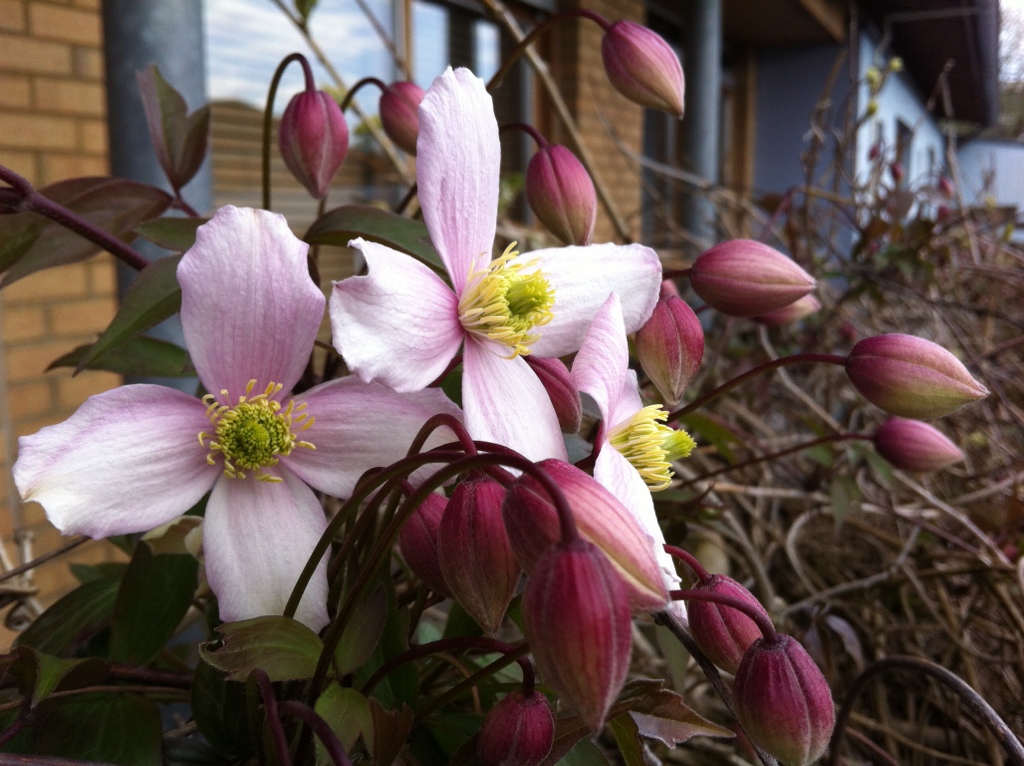
No matter how often I see this, it fills me with wonder. How great to be able to slide back the consulting room glass door, step outside, and capture this abundance of buds and early blossoms. These simple pleasures make it great to be alive.
Posted in Uncategorized | Leave a Comment »
-

This work is licensed under a Creative Commons Attribution-Noncommercial-No Derivative Works 2.5 UK: Scotland License. -
Join 2,098 other subscribers
Top Posts
Categories
- art
- books
- creativity
- education
- from the consulting room
- from the dark room
- from the living room
- from the music room
- from the reading room
- from the viewing room
- health
- humour
- life
- movies
- music
- narrative
- neuroscience
- perception
- personal growth
- philosophy
- photography
- psychology
- science
- Uncategorized
- video
- writing
Pages
Meta
Category cloud
Commenting Policy
Archives
- October 2026
- July 2026
- June 2026
- May 2026
- April 2026
- March 2026
- February 2026
- December 2025
- November 2025
- October 2025
- September 2025
- July 2025
- June 2025
- May 2025
- April 2025
- March 2025
- February 2025
- January 2025
- December 2024
- November 2024
- October 2024
- September 2024
- August 2024
- July 2024
- June 2024
- May 2024
- April 2024
- March 2024
- February 2024
- January 2024
- May 2023
- April 2023
- March 2023
- February 2023
- January 2023
- December 2022
- November 2022
- October 2022
- September 2022
- August 2022
- July 2022
- June 2022
- May 2022
- April 2022
- March 2022
- February 2022
- January 2022
- December 2021
- November 2021
- October 2021
- September 2021
- August 2021
- July 2021
- June 2021
- May 2021
- April 2021
- March 2021
- February 2021
- January 2021
- December 2020
- November 2020
- October 2020
- September 2020
- August 2020
- July 2020
- June 2020
- May 2020
- April 2020
- March 2020
- February 2020
- January 2020
- December 2019
- November 2019
- October 2019
- September 2019
- August 2019
- July 2019
- June 2019
- May 2019
- April 2019
- March 2019
- February 2019
- January 2019
- January 2018
- June 2017
- May 2017
- April 2017
- March 2017
- February 2017
- January 2017
- December 2016
- November 2016
- October 2016
- September 2016
- August 2016
- July 2016
- June 2016
- May 2016
- April 2016
- March 2016
- February 2016
- January 2016
- December 2015
- November 2015
- October 2015
- September 2015
- August 2015
- July 2015
- June 2015
- May 2015
- April 2015
- March 2015
- February 2015
- January 2015
- December 2014
- November 2014
- October 2014
- September 2014
- August 2014
- July 2014
- June 2014
- May 2014
- April 2014
- March 2014
- February 2014
- January 2014
- December 2013
- November 2013
- October 2013
- September 2013
- August 2013
- July 2013
- June 2013
- May 2013
- April 2013
- March 2013
- February 2013
- January 2013
- December 2012
- November 2012
- October 2012
- September 2012
- August 2012
- July 2012
- June 2012
- May 2012
- April 2012
- March 2012
- February 2012
- January 2012
- December 2011
- November 2011
- October 2011
- September 2011
- August 2011
- July 2011
- June 2011
- May 2011
- April 2011
- March 2011
- February 2011
- January 2011
- December 2010
- November 2010
- October 2010
- September 2010
- August 2010
- July 2010
- June 2010
- May 2010
- April 2010
- March 2010
- February 2010
- January 2010
- December 2009
- November 2009
- October 2009
- September 2009
- August 2009
- July 2009
- June 2009
- May 2009
- April 2009
- March 2009
- February 2009
- January 2009
- December 2008
- November 2008
- October 2008
- September 2008
- August 2008
- July 2008
- June 2008
- May 2008
- April 2008
- March 2008
- February 2008
- January 2008
- December 2007
- November 2007
- October 2007
- September 2007
- August 2007
- July 2007
- June 2007
- May 2007
- April 2007
- March 2007

